Artwork
Moses before the Burning Bush
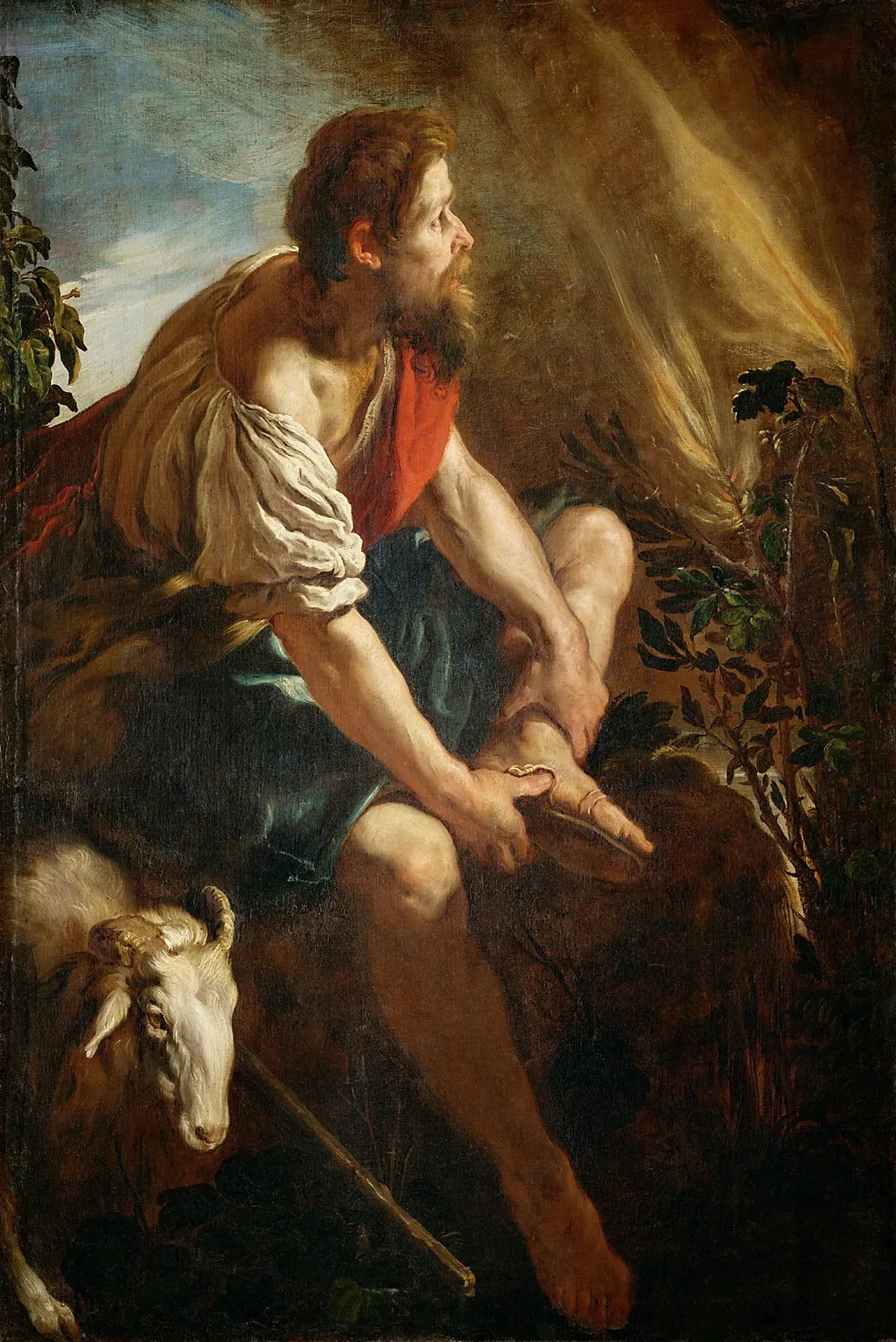
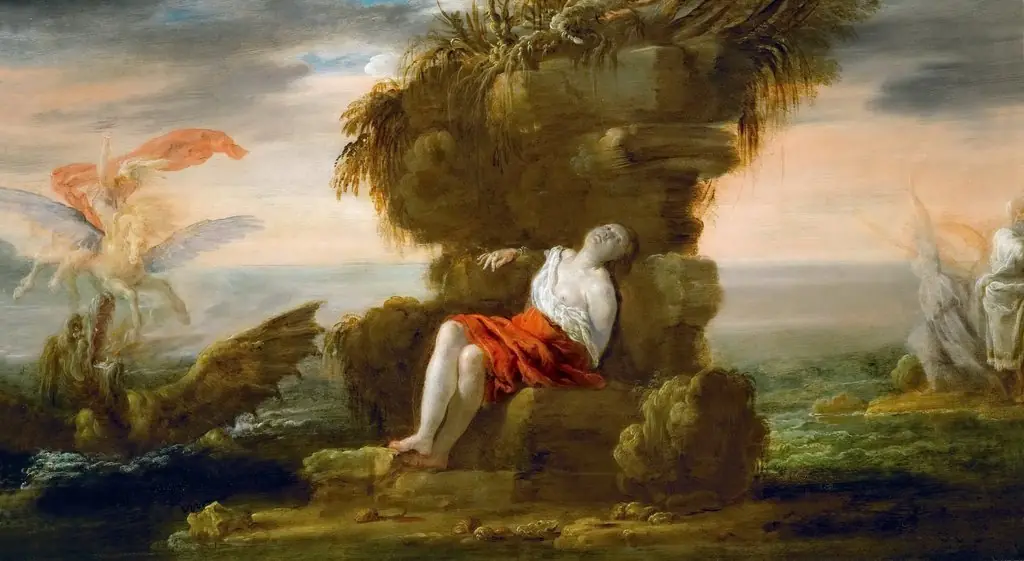
Moses before the Burning Bush is an oil painting by the Early Baroque Italian artist Domenico Fetti. It dates from 1616 and is held in the collection of the Kunsthistorisches Museum.
About this work
Overview
The work reflects Fetti’s engagement with religious narrative, rendered through a composition that balances human emotion with divine encounter.
Domenico Fetti executed *Moses before the Burning Bush* in 1616, an oil painting representative of the early Baroque period in Italy. The work reflects Fetti’s engagement with religious narrative, rendered through a composition that balances human emotion with divine encounter. It remains part of the Kunsthistorisches Museum’s holdings, where it continues to be studied for its stylistic and thematic contributions to seventeenth-century European art.
Subject & Meaning
The painting captures the biblical moment when Moses, a shepherd, encounters a miraculous vision—a bush engulfed in flames yet unconsumed. Here, Moses kneels in awe, removing his sandal in reverence, while a single sheep observes him. The scene conveys divine revelation through quiet intimacy, emphasizing Moses’ humility and the sacredness of the event. Fetti’s interpretation focuses on the personal, rather than the dramatic, aspects of the narrative.
Technique & Style
Fetti employs a restrained palette dominated by warm earth tones and soft contrasts, lending the scene a serene atmosphere. The figures are modeled with delicate chiaroscuro, while the landscape recedes into a luminous sky, enhancing spatial depth. Brushwork remains fluid yet controlled, characteristic of early Baroque painting in Italy, where naturalism and emotional expression merge. The composition’s simplicity directs attention to the psychological weight of the moment.
History & Provenance
Created in 1616, *Moses before the Burning Bush* likely originated during Fetti’s tenure in Mantua, where he served as court painter to the Gonzaga family. The painting’s early history remains partially documented, though it entered the Kunsthistorisches Museum’s collection by the nineteenth century. Its preservation allows for continued examination of Fetti’s evolving style and his role in disseminating Baroque idioms across Italian artistic centers.
Context
Fetti’s work emerged during a period of religious and artistic transformation, as the Counter-Reformation sought to reaffirm Catholic doctrine through accessible, emotionally resonant imagery. The painting aligns with this broader movement, using narrative clarity and humanizing detail to engage viewers. Its intimate scale and focus on personal devotion reflect trends in seventeenth-century Italian art, where private piety and public display often intersected.
Legacy
Though less widely reproduced than some contemporaneous works, *Moses before the Burning Bush* exemplifies Fetti’s ability to infuse religious subjects with quiet intensity. Its inclusion in the Kunsthistorisches Museum’s collection ensures its place within studies of Baroque painting, particularly in discussions of narrative technique and devotional imagery. The work remains a testament to Fetti’s nuanced approach to sacred themes during a pivotal era in European art.
Artist & collection
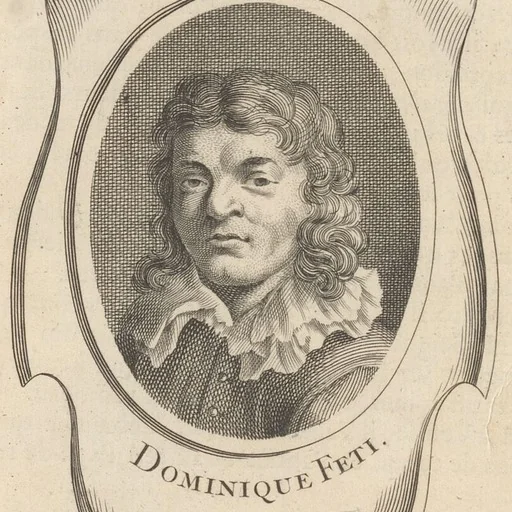
Artist
Domenico Fetti (also spelled Feti) (c. 1589 – 16 April 1623) was an Italian Baroque painter who was active mainly in Rome, Mantua and Venice.