Artwork
Nicholas, St Lawrence, St Peter Martyr, St Antony the Abbot
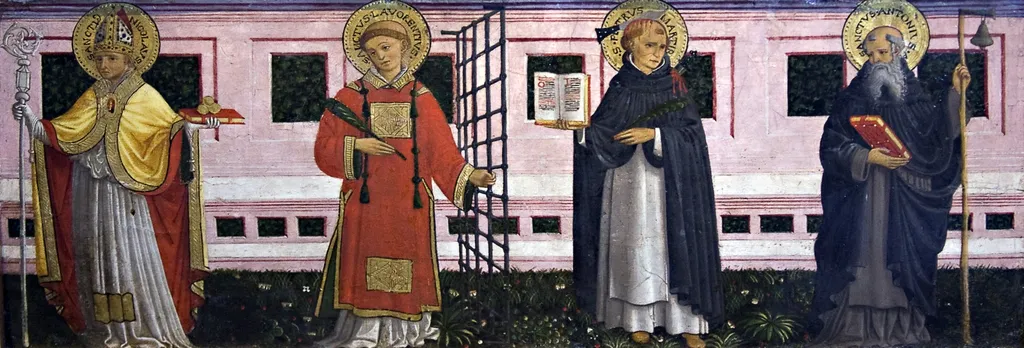
Nicholas, St Lawrence, St Peter Martyr, St Antony the Abbot is a tempera painting by the Early Renaissance artist Bartolomeo Caporali. It dates from 1452 and is held in the collection of the Hermitage Museum.
About this work
Overview
Painted in 1452 by Bartolomeo Caporali, this tempera work presents four Christian saints in a single horizontal arrangement.
Painted in 1452 by Bartolomeo Caporali, this tempera work presents four Christian saints in a single horizontal arrangement. Created in Perugia during the early Renaissance, the painting reflects the region’s tradition of devotional imagery. Caporali, known for both panel painting and manuscript illumination, applied fine brushwork and layered pigments typical of tempera technique, resulting in a quiet, luminous surface.
Subject & Meaning
The four figures represent Saint Nicholas, Saint Lawrence, Saint Peter Martyr, and Saint Antony the Abbot, each identified by traditional iconography. Their attributes—a staff, a grid, a book and palm, and a book with staff—signal their martyrdoms or spiritual roles. The orderly alignment and individualized halos emphasize their sanctity, while the absence of narrative action invites contemplation rather than storytelling.
Technique & Style
Tempera paint, made from pigment mixed with egg yolk, allowed Caporali to achieve fine detail and crisp outlines. The saints’ garments are rendered with subtle gradations of color and metallic accents, suggesting texture without heavy modeling. The background’s pink architecture and sparse greenery provide minimal depth, focusing attention on the figures. This decorative, flattened space aligns with late Gothic conventions still prevalent in Umbrian art of the period.
History & Provenance
The painting has been in the collection of the State Hermitage Museum since at least the 19th century, though its earlier ownership remains undocumented. It likely originated as part of a larger altarpiece or devotional panel in a Perugian church or private chapel. Caporali’s reputation as a local artist and manuscript illuminator supports its creation within a religious context in central Italy during the mid-15th century.
Context
Caporali worked in a cultural milieu where religious imagery served both liturgical and educational purposes. His training under artists like Gozzoli and Boccati connected him to a regional style that blended Gothic elegance with emerging Renaissance naturalism. Though not as experimental as Florentine contemporaries, Umbrian painters like him preserved clarity and symbolic precision, catering to devotional needs in smaller urban centers.
Legacy
This painting exemplifies the continuity of medieval devotional forms in early Renaissance Umbria. While not widely known outside specialist circles, it reflects the quiet craftsmanship of regional workshops that sustained religious art production before full-scale naturalism took hold. Caporali’s role as a bridge between manuscript illumination and panel painting underscores the interconnectedness of artistic media in 15th-century Italy.
Artist & collection
Artist
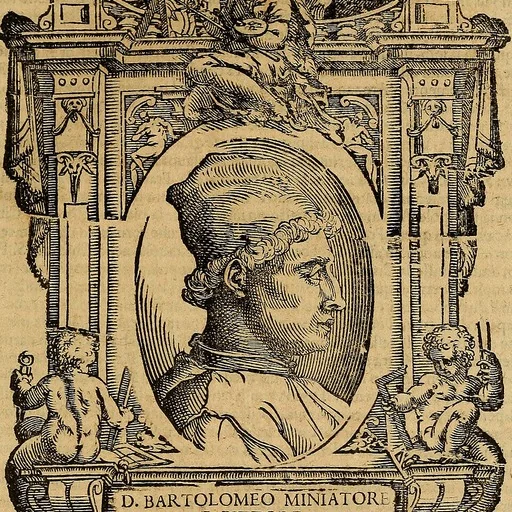
Bartolomeo (di Segnolo) Caporali (Perugia, c. 1420 – Perugia, c. 1503–1505) was an Italian painter and miniaturist in Perugia, Umbria during the early Renaissance period. His style was influenced by Umbrian artists…

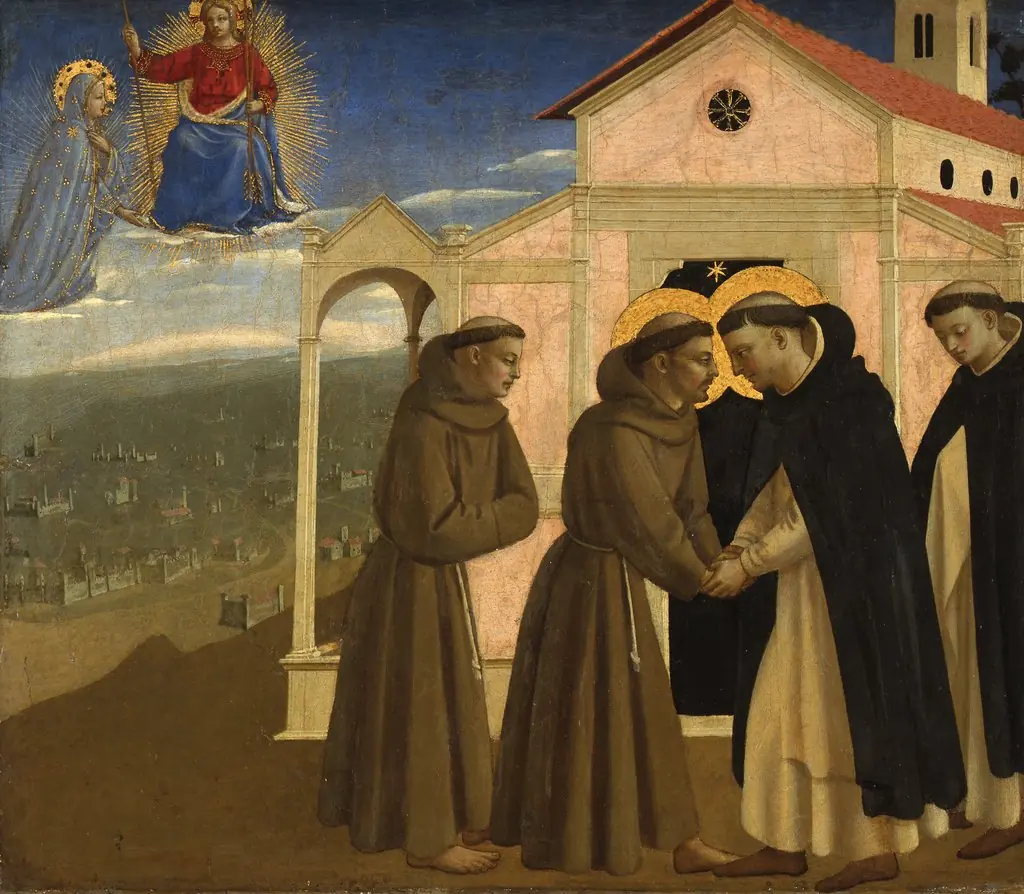 Meeting of St Francis and St Dominic
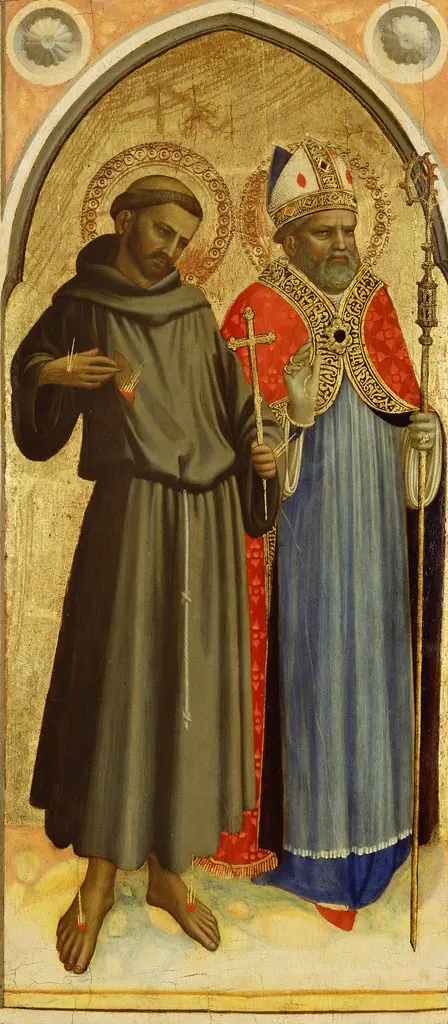 Saint Francis and a Bishop Saint
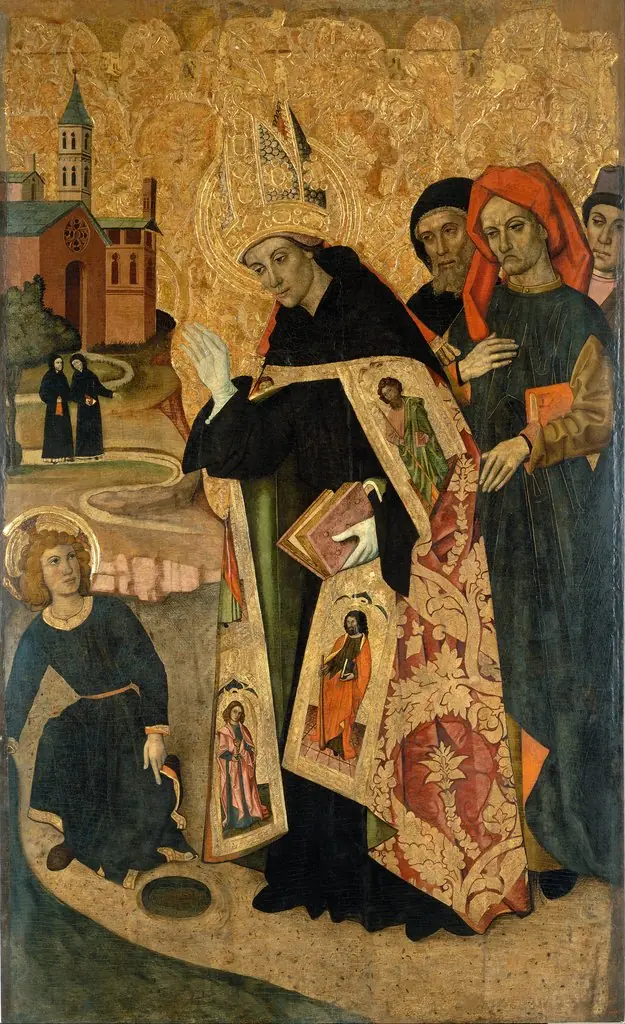 Saint Augustine Meditates on the Trinity when the Child Jesus Appears before him
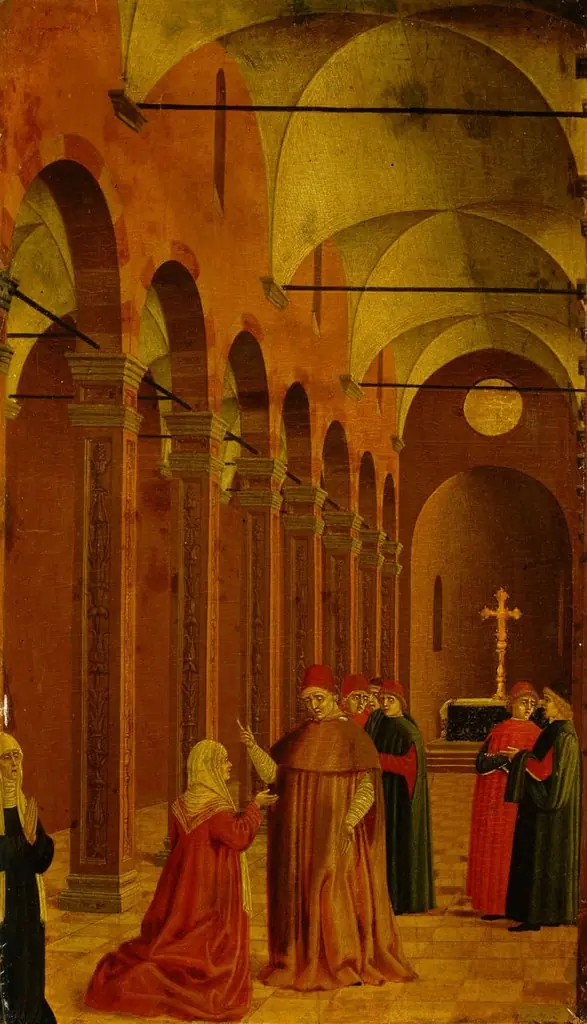 Szene aus dem Leben des Hl. Vinzenz Ferrer: Die Mutter des Heiligen fragt den Bischof von Valencia nach dem Sinn der wunderbaren Zeichen, die die Geburt ihres Kindes ankündigen
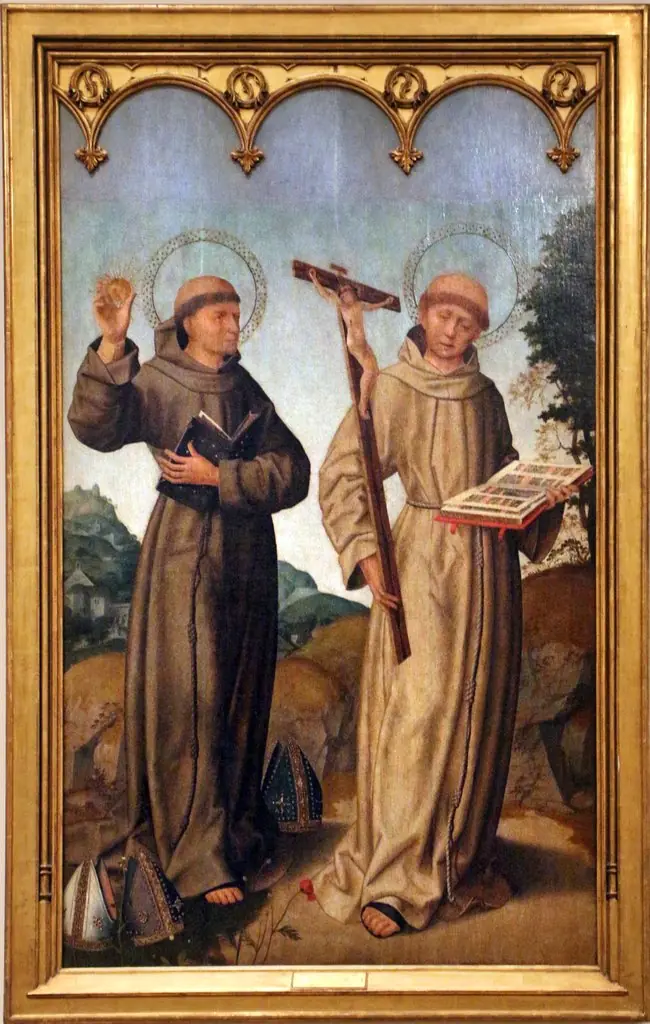 São Bernardino de Siena e Santo António
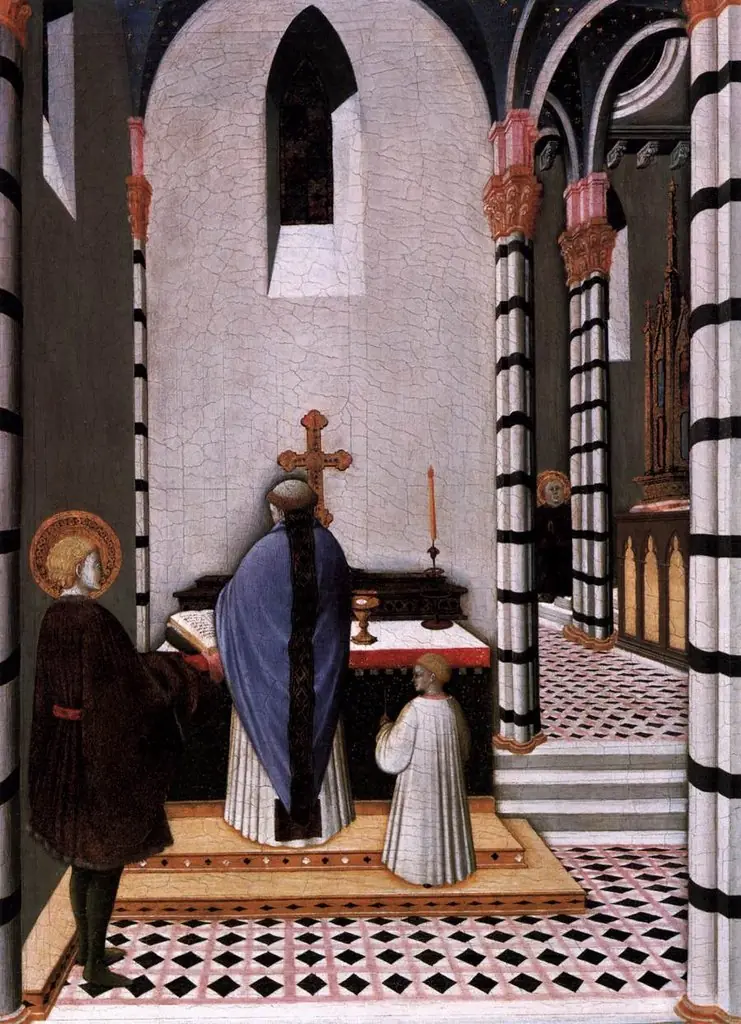 St Anthony at Mass Dedicates His Life to God
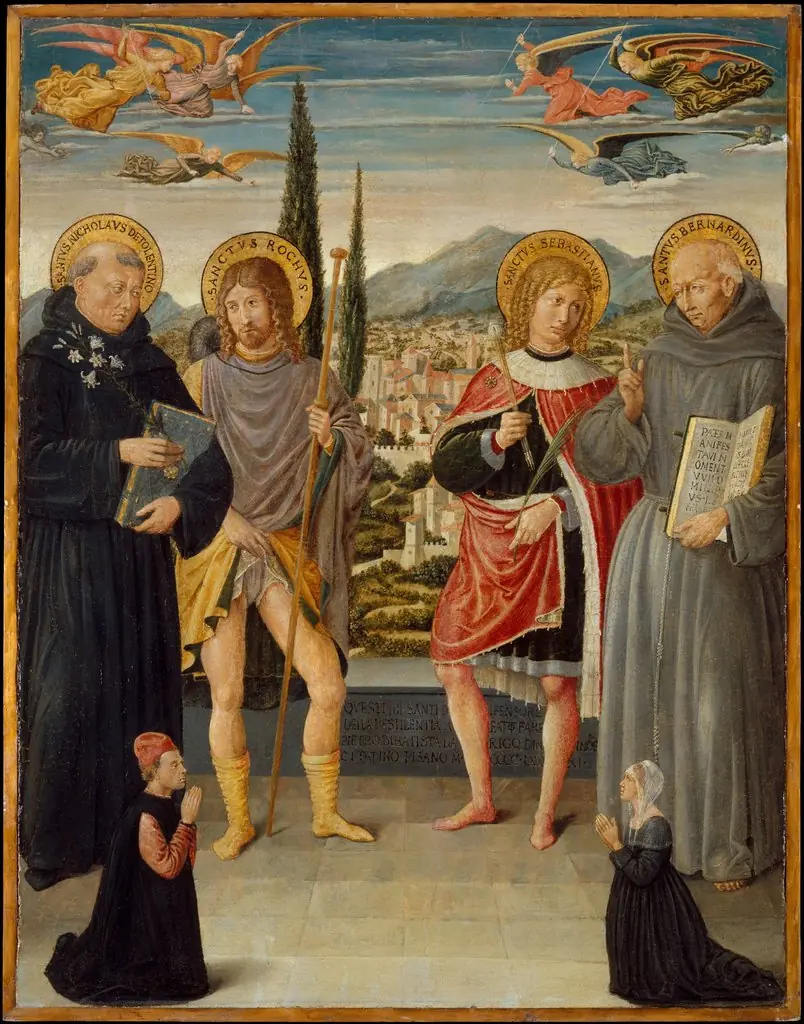 Saints Nicholas of Tolentino, Roch, Sebastian, and Bernardino of Siena, with Kneeling Donors
 Right panel San Cassiano Altarpiece with St Dominic
 Saint Peter Martyr Exorcizing a Woman Possessed by a Devil
 Franciscan Saint
![Saint Bernard and Saint Catherine of Alexandria with the Virgin of the Annunciation [right panel], by Agnolo Gaddi](https://artifactworldgallery.com/img/agnolo-gaddi--saint-bernard-and-saint-catherine-of-alexandria-with-the-vir--710fc1ea417a9916-w320.webp) Saint Bernard and Saint Catherine of Alexandria with the Virgin of the Annunciation [right panel]
Saint Bernard and Saint Catherine of Alexandria with the Virgin of the Annunciation [right panel] Saint Robert of Molesmes