Artwork
The Story of Joseph, I
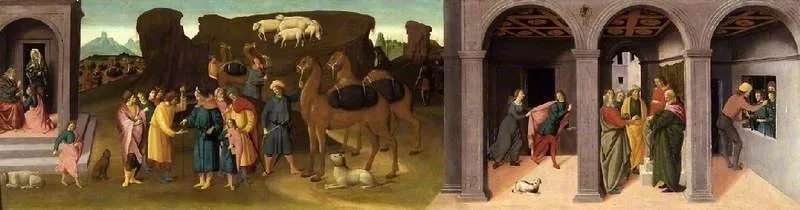
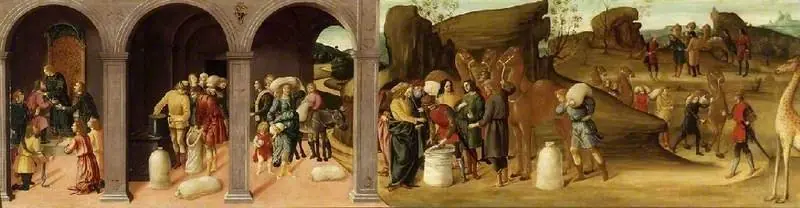
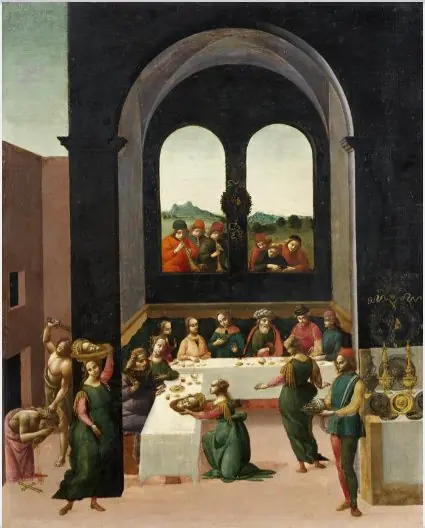
The Story of Joseph, I is a tempera painting by the Early Renaissance artist Bartolomeo di Giovanni. It dates from 1494 and is held in the collection of the Fitzwilliam Museum.
About this work
Overview
Painted in 1494 by Bartolomeo di Giovanni, this tempera panel illustrates a moment from the biblical narrative of Joseph.
Painted in 1494 by Bartolomeo di Giovanni, this tempera panel illustrates a moment from the biblical narrative of Joseph. Created in Florence during the early Renaissance, the work reflects the city’s thriving devotional art market. Bartolomeo, once known only as a follower of Domenico Ghirlandaio, is now identified by his true name after archival research clarified his role in workshop collaborations.
Subject & Meaning
The scene captures Joseph’s return to Canaan with his caravan, likely referencing his reunion with his brothers after years of separation. Figures gather around a laden camel, their gestures and postures suggesting negotiation or recognition. The inclusion of baskets and staffs implies trade and travel, reinforcing themes of providence and reconciliation central to Joseph’s story in Genesis.
Technique & Style
Tempera paint, made with egg yolk as a binder, was favored in Florence for its precision and luminous finish. The figures are rendered with careful linearity and muted color, typical of late 15th-century Florentine practice. Spatial depth is suggested through layered landscapes and diminishing scale, though perspective remains schematic rather than fully naturalistic.
History & Provenance
The painting was long attributed to an anonymous assistant in Ghirlandaio’s workshop, known as the 'Alunno di Domenico.' Modern scholarship, notably by Bernard Berenson and later researchers, reattributed it to Bartolomeo di Giovanni based on stylistic comparisons and documentary evidence linking him to Ghirlandaio’s circle during the 1490s.
Context
Florence in the 1490s was a center for religious narrative painting, often commissioned for private chapels or domestic altarpieces. Artists like Bartolomeo worked within established workshop systems, producing scenes from scripture for devotional use. The emphasis on narrative clarity and symbolic detail reflects the period’s preference for legible biblical storytelling over dramatic emotion.
Legacy
Bartolomeo’s work exemplifies the transition from early to high Renaissance conventions in Florence. Though overshadowed by contemporaries like Ghirlandaio or Botticelli, his panels contribute to understanding the collaborative nature of Renaissance production. His attribution history underscores how archival research continues to reshape the canon of lesser-known artists.
Artist & collection
Artist
Bartolomeo di Giovanni di Domenico (1458? – 1501) was an Italian Renaissance painter active in Florence. His works were first identified by the art historian Bernard Berenson, who did not know the painter's real name so…

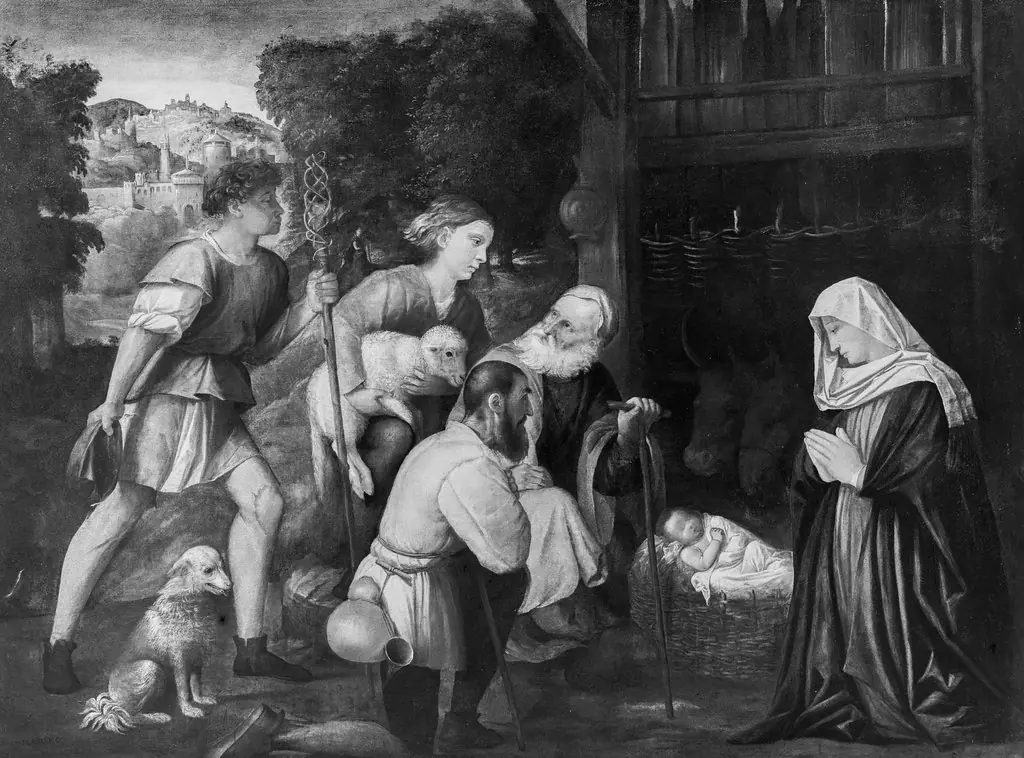 Adoration of the Shepherds
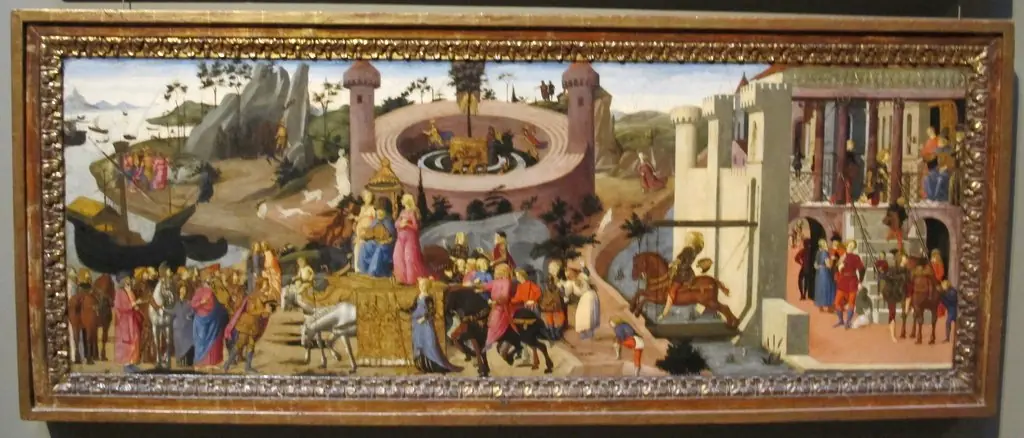 scene con storie degli argonauti
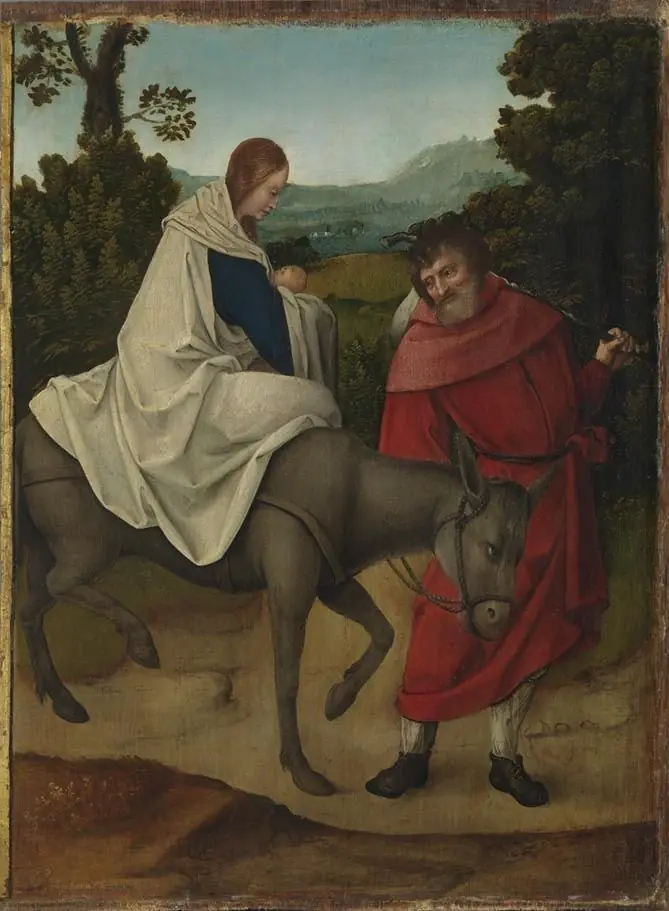 The flight into Egypt
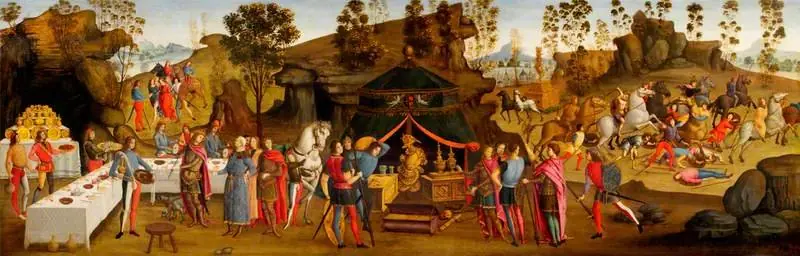 The Magnanimity of Alexander the Great (scene from the story of Alexander the Great)
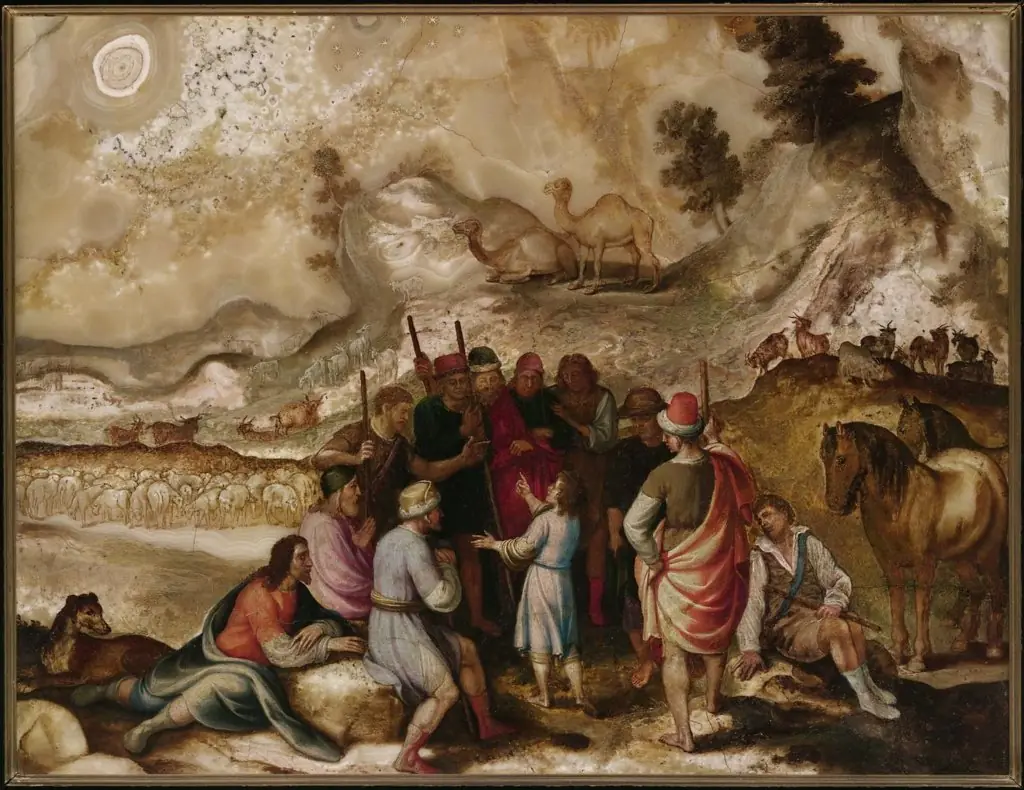 Joseph Explaining His Dream to His Brothers
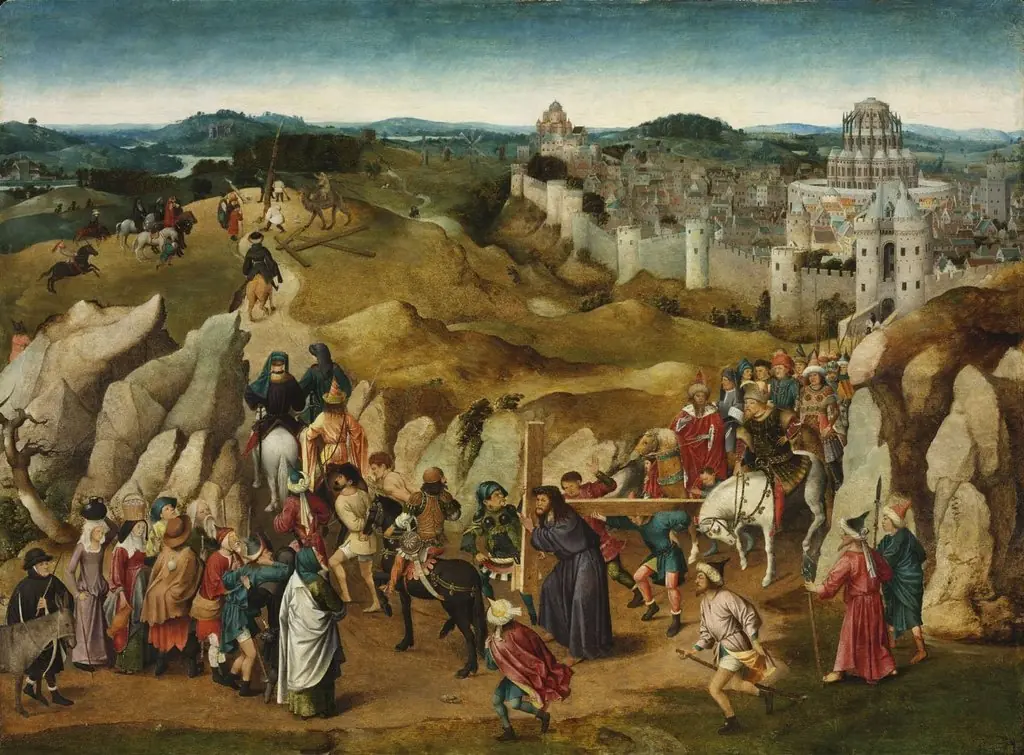 Christ Carrying the Cross
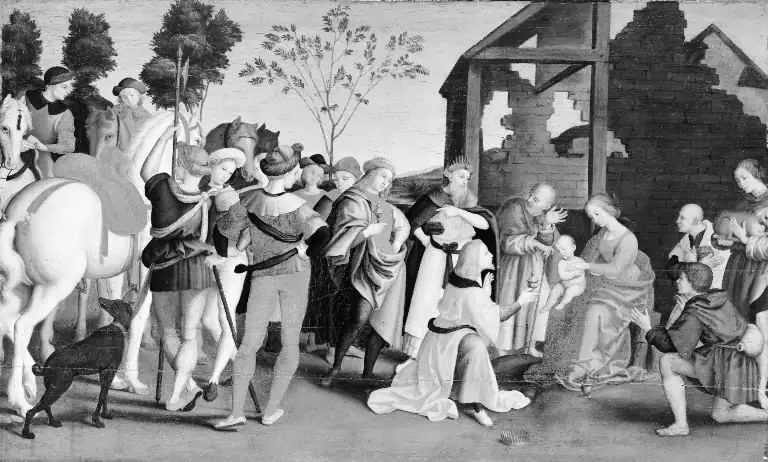 The Adoration of the Kings
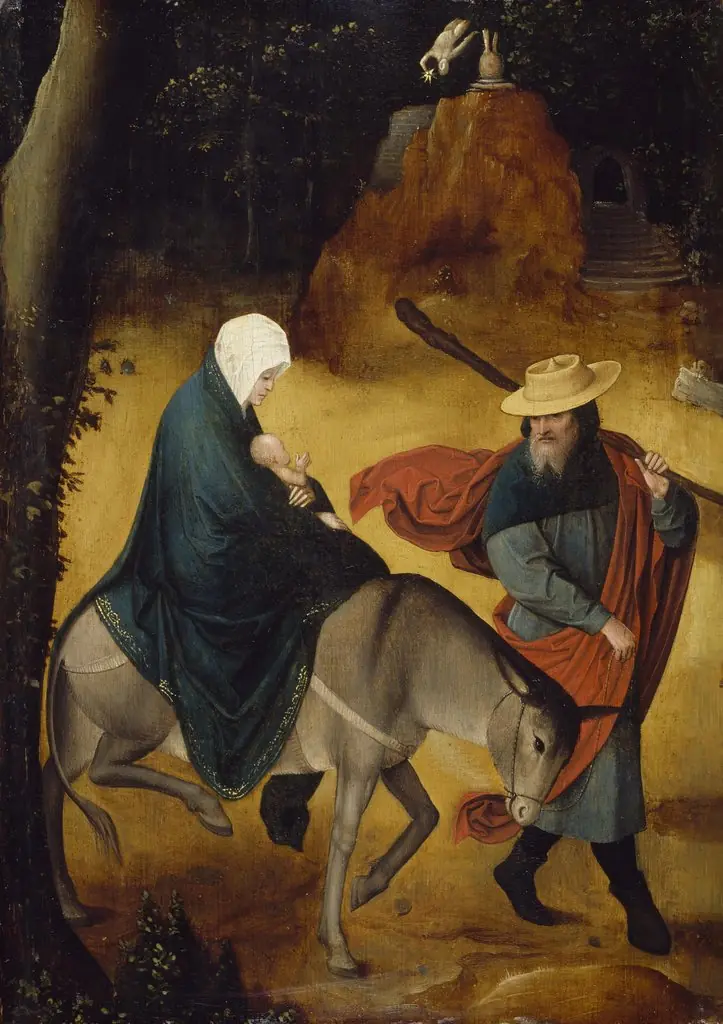 The Flight into Egypt
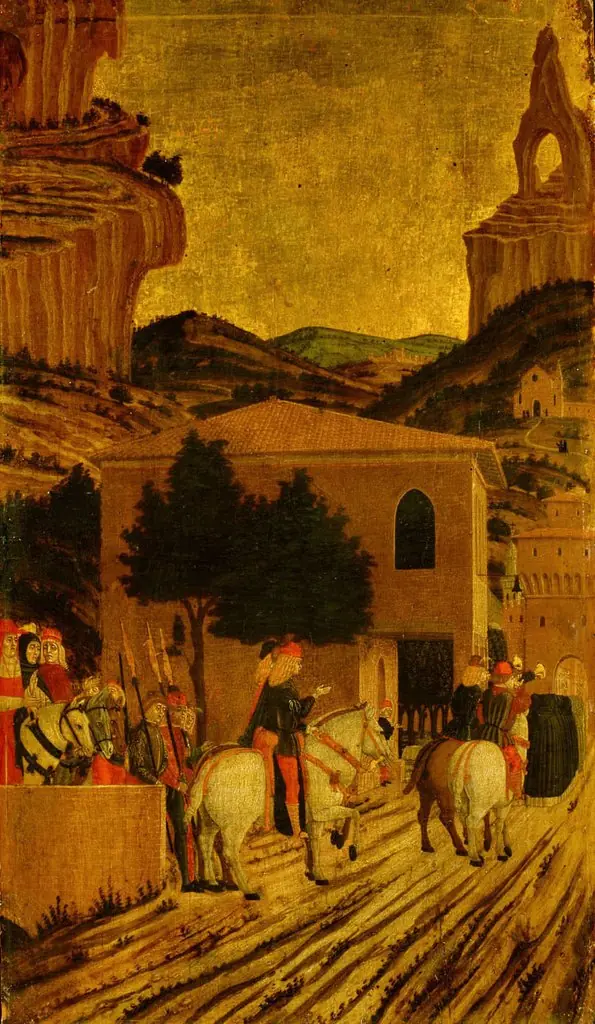 Szene aus dem Leben des Hl. Vinzenz Ferrer: Der Predigerzug des Heiligen, der auf einem Esel reitet