Artwork
The Fortune Teller
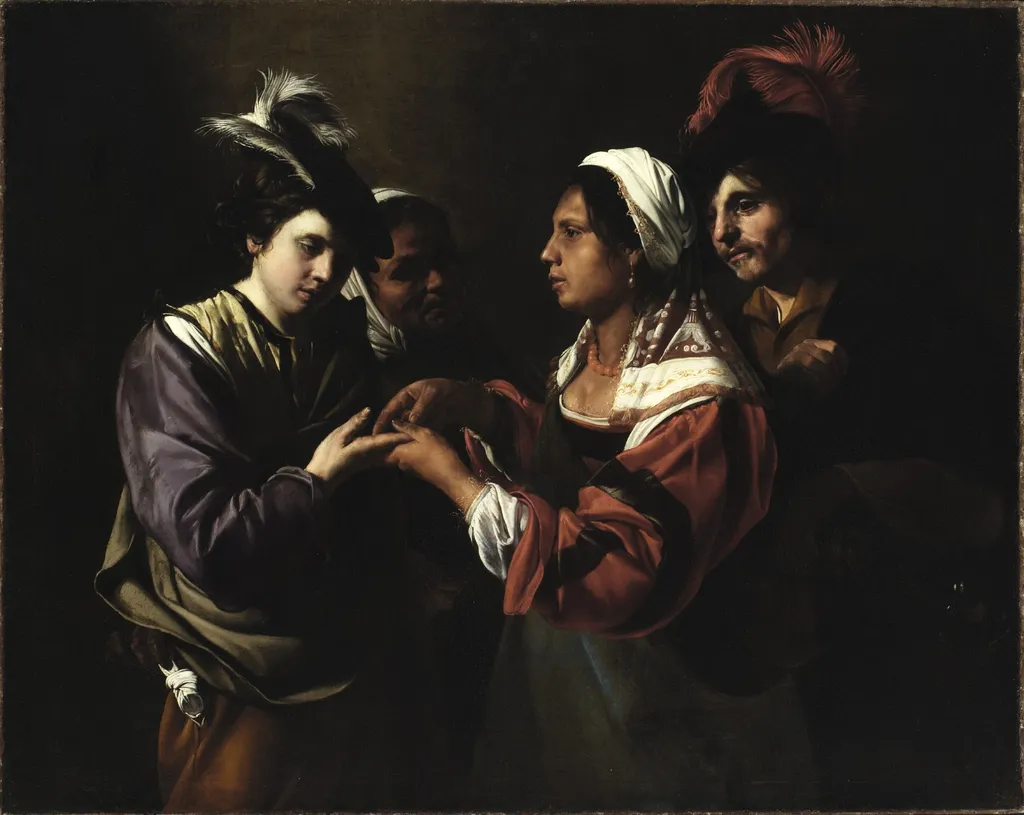
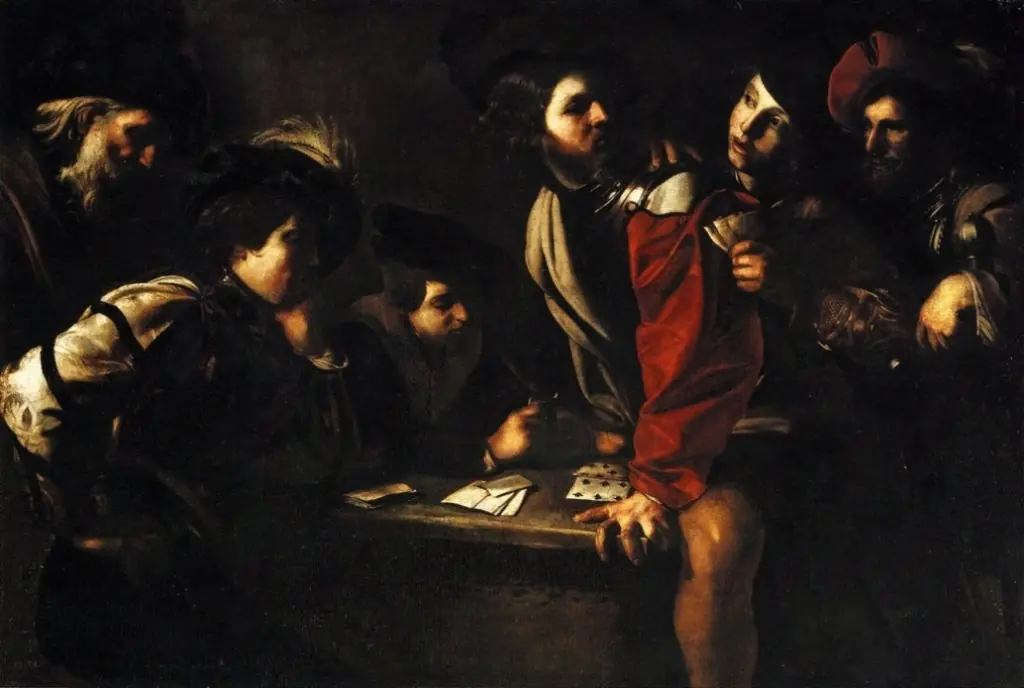
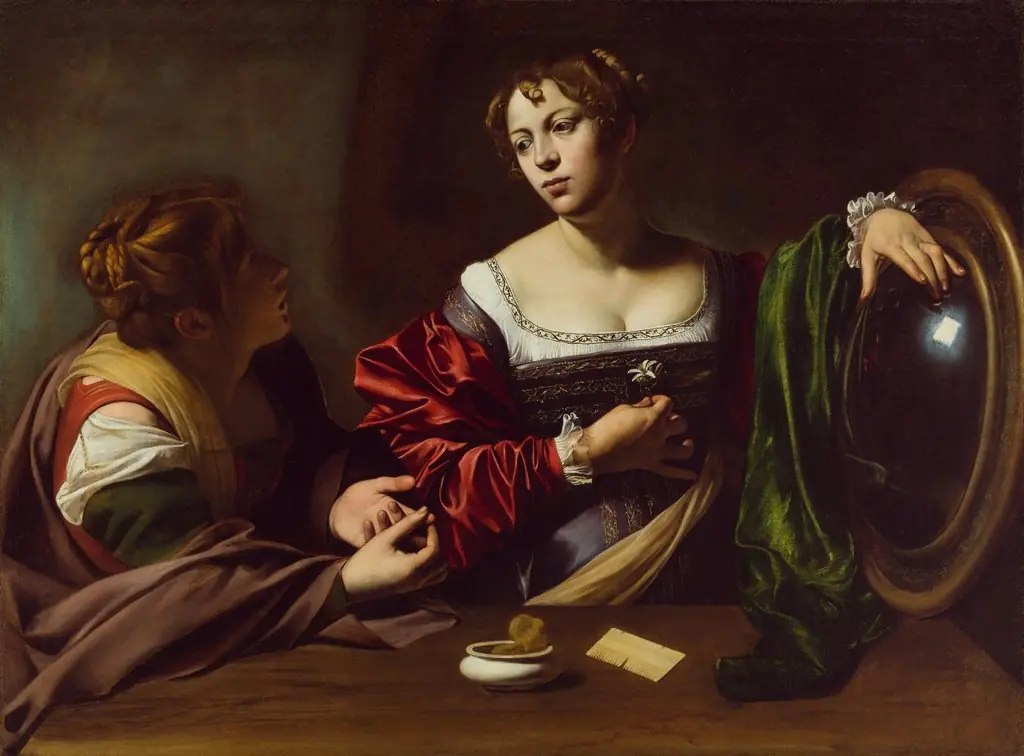
The Fortune Teller is an oil painting by the Early Baroque Italian artist Bartolomeo Manfredi. It dates from 1616 and is held in the collection of the Detroit Institute of Arts.
About this work
Overview
The Fortune Teller is a 1616 oil painting by Barolomeo Manfredi, depicting an intimate genre scene. It is part of the collection at the Detroit Institute of Arts.
Subject & Meaning
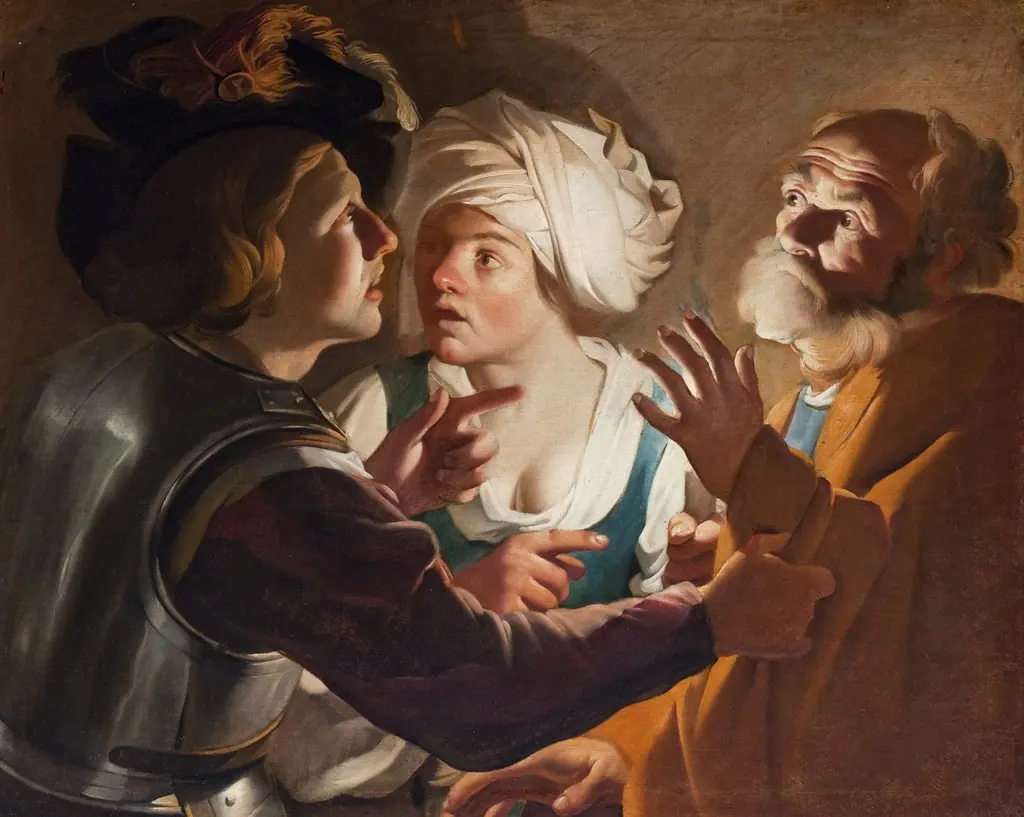
The painting portrays a private moment where a fortune teller, dressed in distinctive red and white attire, examines a person's hand while a small group observes with interest. The scene conveys a sense of quiet intimacy.
Technique & Style
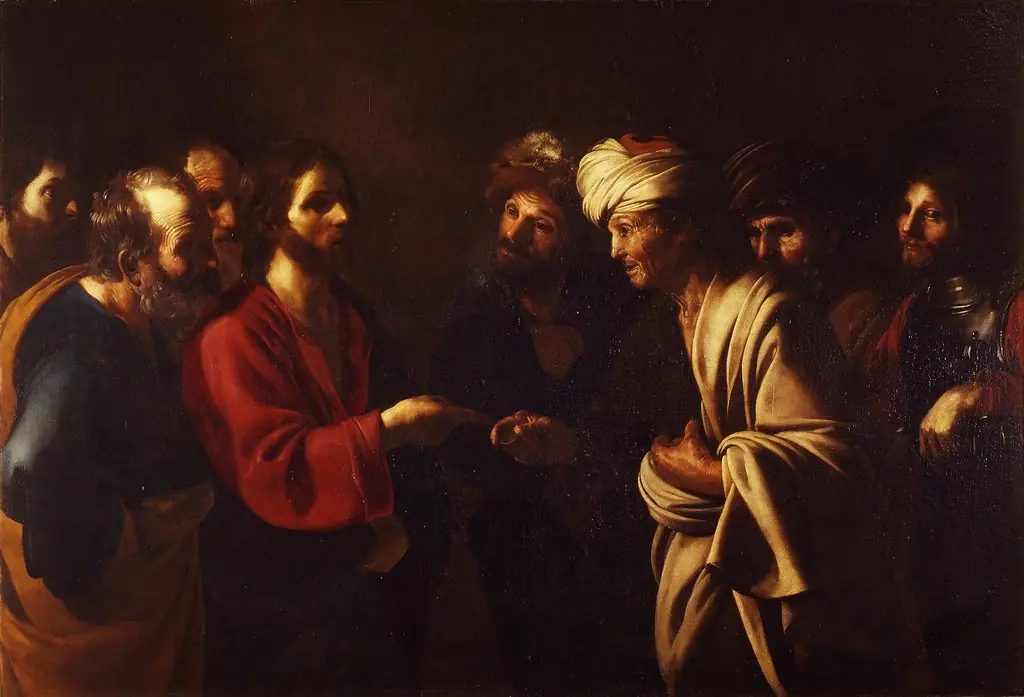
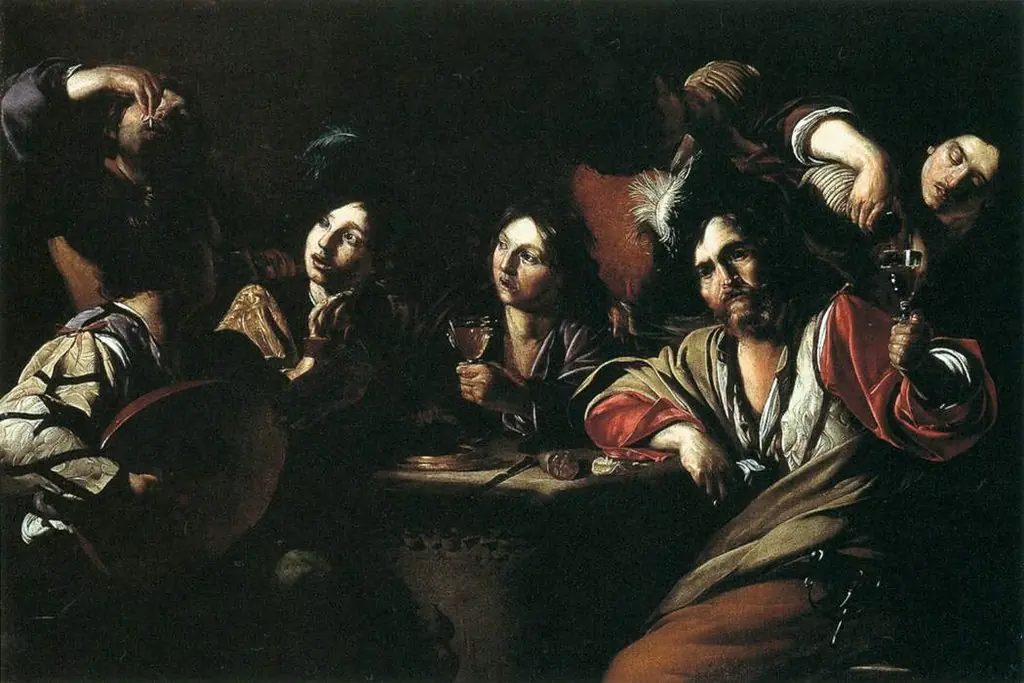
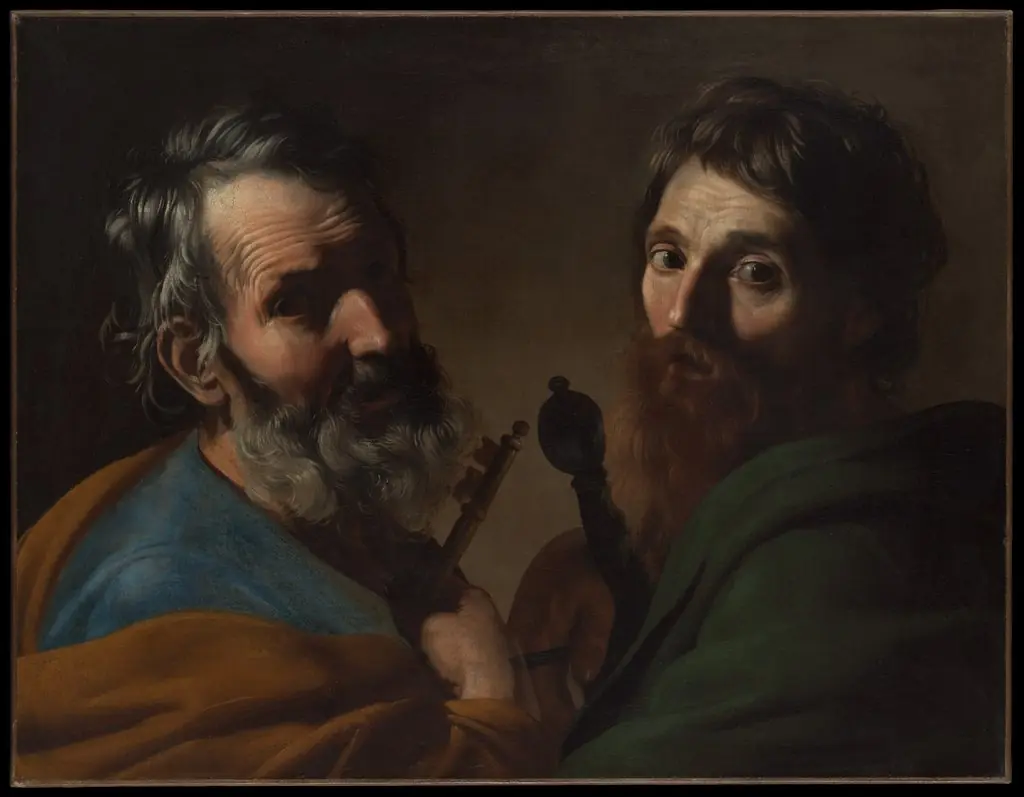
Manfredi employed chiaroscuro to create dramatic contrast, setting the brightly colored figures against a dark background. This technique enhances the emotional focus on the fortune-telling act.
History & Provenance
Created in 1616, the work's provenance prior to its acquisition by the Detroit Institute of Arts is not detailed in available information.
Context
As a genre scene, The Fortune Teller reflects early 17th-century European interest in everyday life and mystical practices, characteristic of the period's artistic explorations.
Legacy
The painting's legacy lies in its representation of Manfredi's style and the broader genre painting tradition of its time, though its specific impact on art history is not widely highlighted in general references.
Own this work as a print
Artist & collection

Artist
Bartolomeo Manfredi was an Italian painter, a leading member of the Caravaggisti of the early 17th century.