Artwork
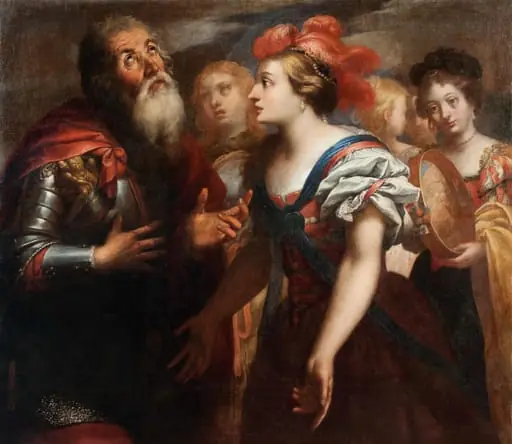
Lot und seine Töchter (Kopie nach)
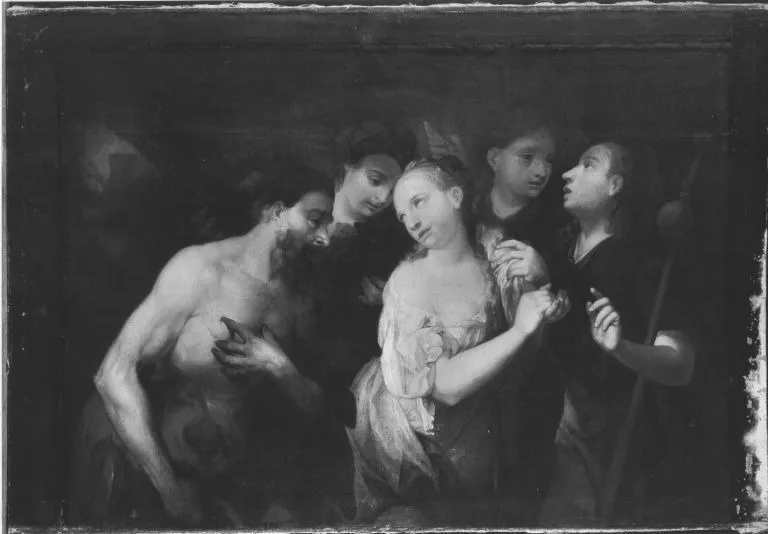
Lot und seine Töchter (Kopie nach) is an unspecified painting by Andrea Celesti. It dates from 1684 and is held in the collection of the Bavarian State Painting Collections.
About this work
Overview
This painting is a 17th-century copy after a work by Andrea Celesti, an Italian Baroque artist active in Venice.
This painting is a 17th-century copy after a work by Andrea Celesti, an Italian Baroque artist active in Venice. Created around 1684, it illustrates a moment from the biblical narrative of Lot and his daughters. Executed in oil on canvas, the piece reflects the transitional style of Venetian painting at the time, moving away from rigid academic conventions toward looser, more emotive handling. It is held in the collection of the Alte Pinakothek in Munich.
Subject & Meaning
The scene captures the aftermath of Sodom’s destruction, as Lot and his two daughters take refuge in a cave. The central woman, Lot’s wife, is shown in quiet tension, her expression neither fully fearful nor resigned. The daughters lean in conspiratorially, while Lot reaches toward her, and a second man stands watch. The moment suggests an unspoken plan, invoking themes of survival, moral ambiguity, and familial duty under extreme duress.
Technique & Style
Celesti’s brushwork exhibits a shift from the formal rigidity of earlier Baroque traditions toward a more atmospheric, fluid approach. Light falls unevenly across the figures, carving forms from shadow and highlighting faces with subtle gradations. The palette is muted, dominated by earth tones and pale fabrics, enhancing the somber mood. The handling of fabric and hair suggests movement, while the faces remain still, intensifying the psychological weight of the scene.
History & Provenance
The painting is a copy made after an original by Andrea Celesti, likely produced in his workshop or by a follower. It entered the Alte Pinakothek’s collection in the 19th century as part of the Bavarian royal holdings. While the original by Celesti is not definitively identified, this version preserves the compositional and emotional core of his interpretation, reflecting the circulation of religious imagery among European collectors.
Context
In late 17th-century Venice, biblical narratives remained popular subjects for religious and private devotion. Celesti’s work aligns with a broader trend among Venetian painters to infuse scriptural scenes with psychological nuance and naturalistic lighting. This painting reflects the influence of Titian and Veronese, whose use of color and atmosphere shaped regional styles, even as artists began to prioritize emotional immediacy over doctrinal clarity.
Legacy
Though not widely known outside institutional circles, this painting exemplifies how Baroque religious imagery evolved toward introspection. Its quiet intensity and restrained drama distinguish it from more theatrical contemporaries. As a copy, it also speaks to the transmission of artistic ideas within workshops and collections, preserving a moment in Venetian painting’s shift toward expressive realism without overt grandeur.
Artist & collection
Artist
Andrea Celesti (1637–1712) was an Italian painter of the Baroque period, working in Venice. His style gravitated over the years from a turgid and academic weightiness to a lighter, looser brushstroke.

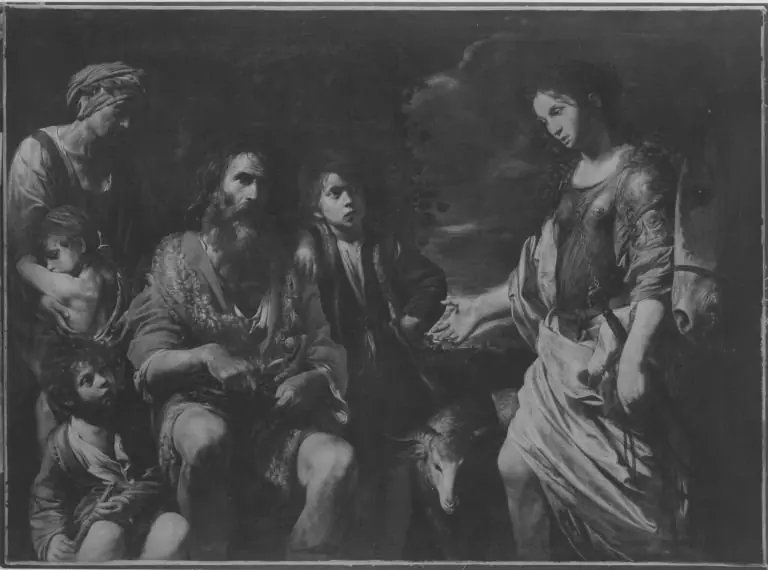 Erminia bei den Hirten
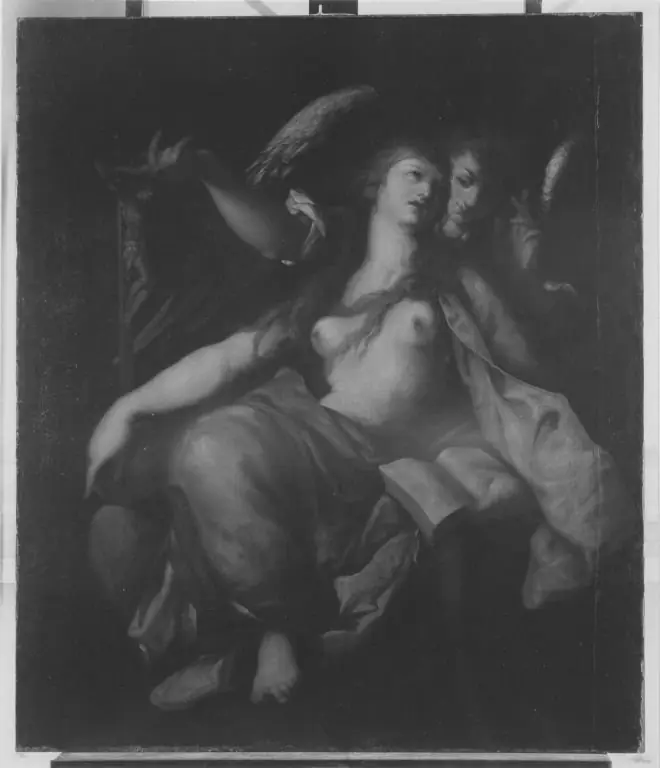 Die hl. Maria Magdalena (?)
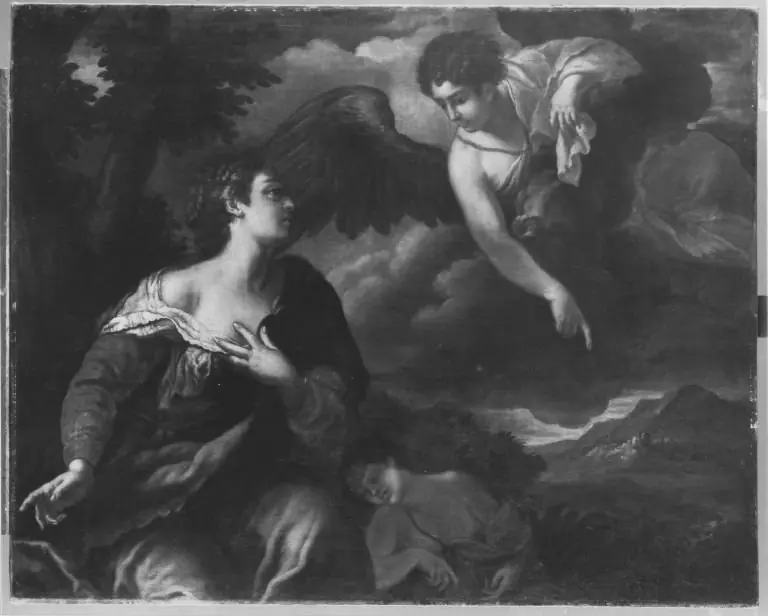 Hagar und Ismael
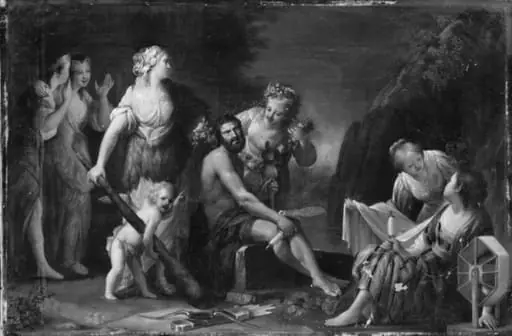 Hercules hos Omphale, omgivet af hendes veninder
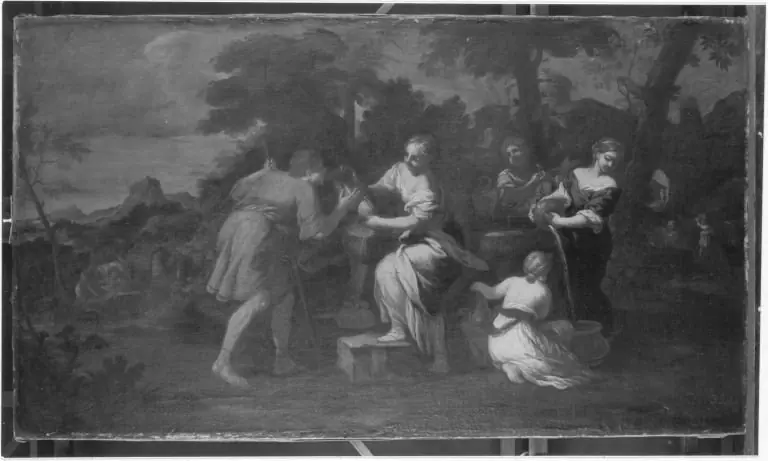 Rebekka und Laban am Brunnen
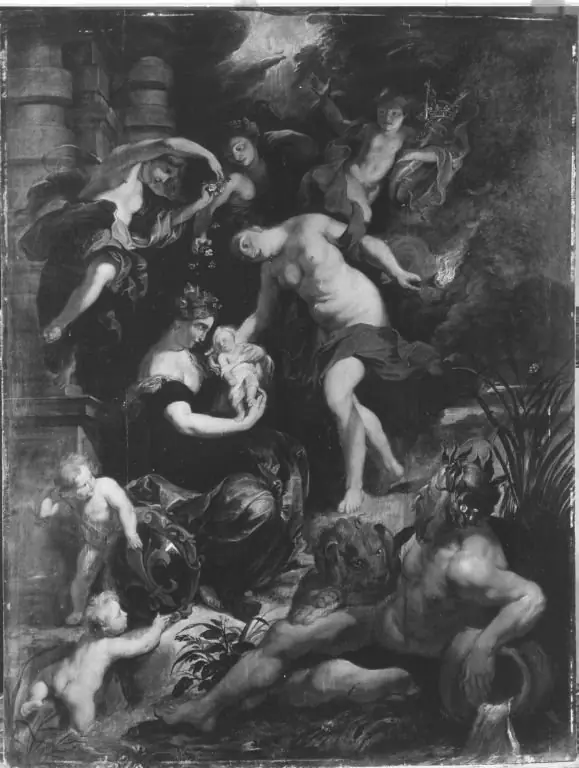 Birth of Maria de Medici (study)
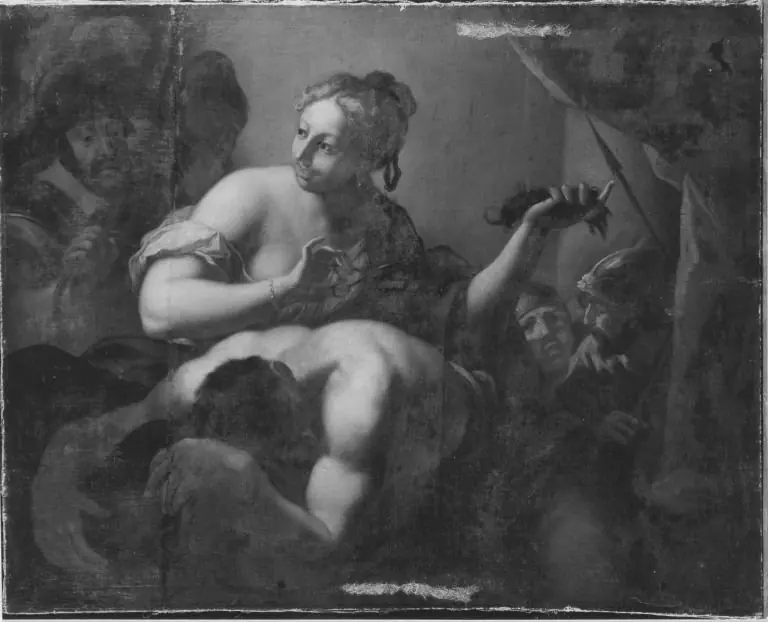 Simson und Delila
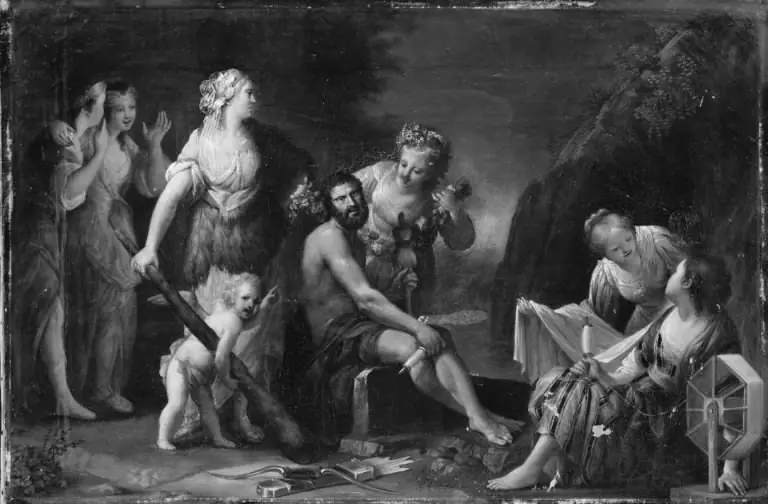 Hercules hos Omphale, omgivet af hendes veninder
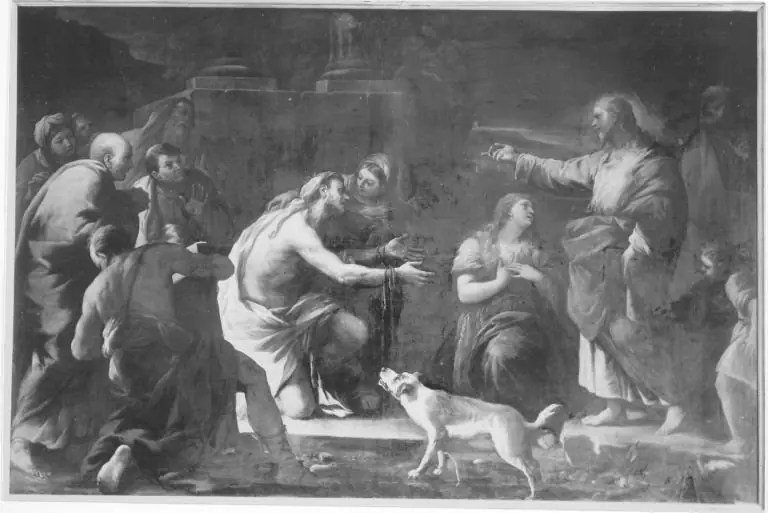 Raising Lazarus from the Dead
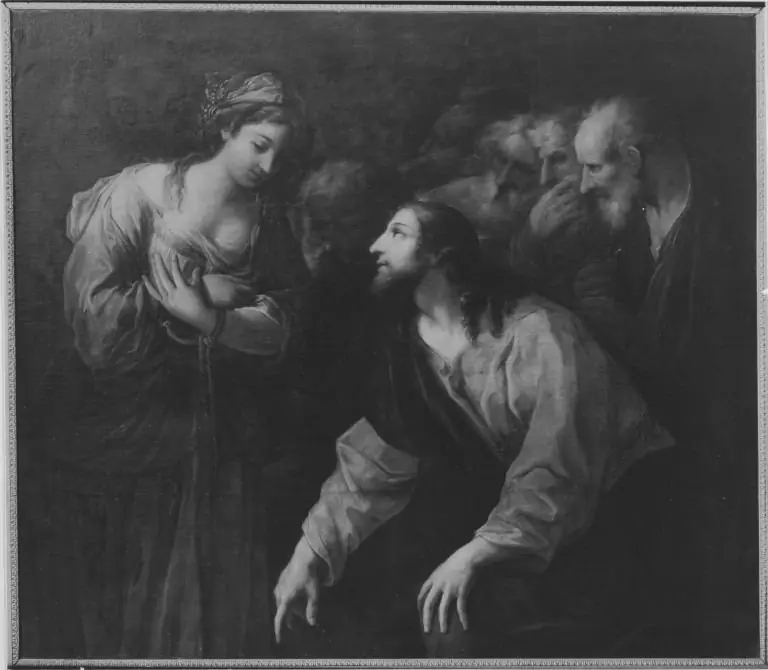 Christus und die Ehebrecherin
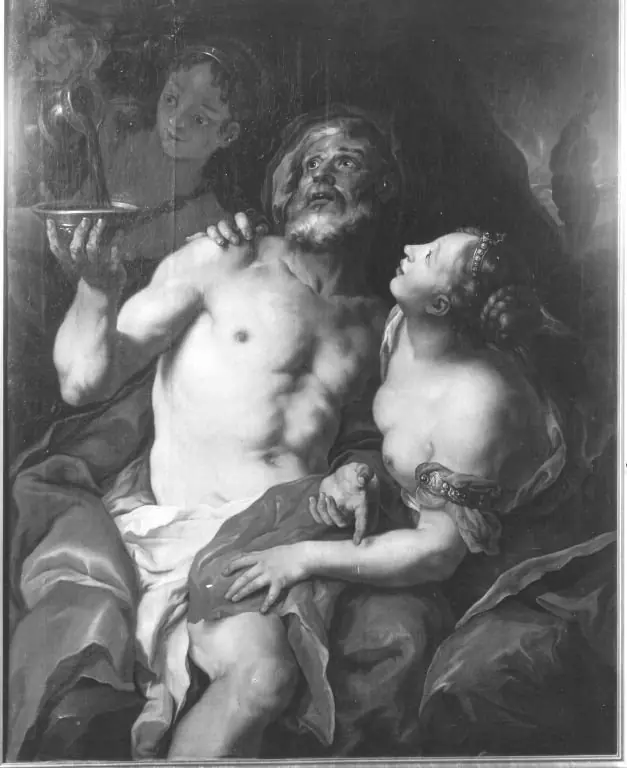 Lot und seine Töchter