Artwork
Young Lady
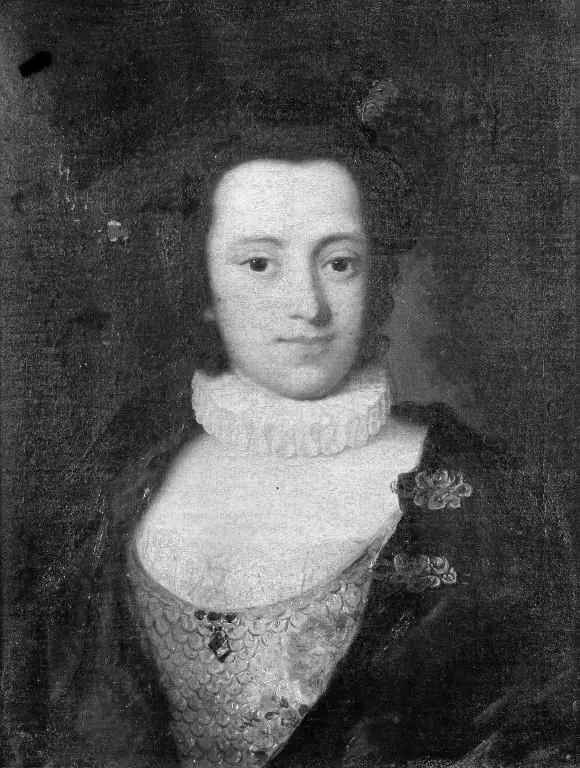
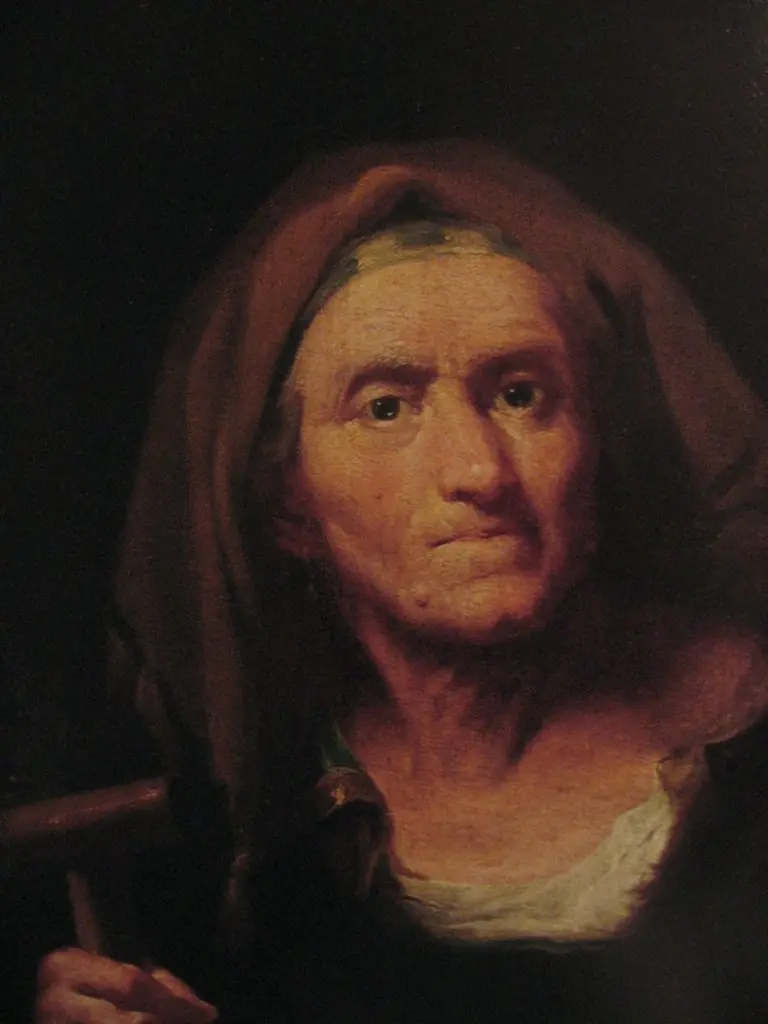
Young Lady is an oil painting by the Rococo painting artist Bartolomeo Nazari. It dates from 1736 and is held in the collection of the Statens Museum for Kunst.
About this work
Overview
Bartolomeo Nazari, a Venetian portraitist of the late Baroque period, painted *Young Lady* in 1736. Executed in oil, the work exemplifies the Rococo aesthetic that was emerging in northern Italy. It is part of the permanent collection of Denmark’s Statens Museum for Kunst, where it is displayed among other 18th‑century European portraits.
Subject & Meaning
The canvas presents a youthful woman dressed in a dark gown trimmed with a white, ruffled collar. Her dark hair frames a direct gaze toward the viewer, suggesting confidence and presence. The modest yet elegant attire, coupled with a simple shawl, conveys a sense of refined domesticity typical of portrait commissions for the emerging bourgeois class.
Technique & Style
Nazari employs a subtle chiaroscuro, using deep shadows behind the figure to accentuate the illuminated face and hands. The oil medium allows for delicate modeling of flesh tones and the intricate patterning on the dress. The overall composition balances the Rococo’s lightness with the lingering Baroque emphasis on volume and depth.
History & Provenance
Created in 1736, the portrait entered the Statens Museum for Kunst’s holdings during the museum’s 20th‑century acquisitions of European art. Documentation traces its provenance to private collections in Venice before its transfer to the Danish national collection, where it has remained a representative example of Nazari’s portraiture.
Artist & collection
Artist
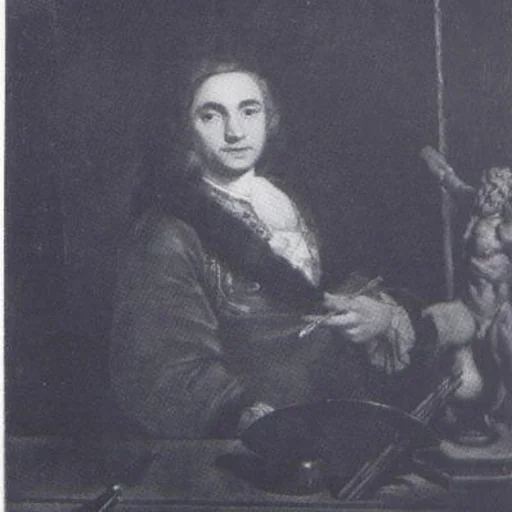
Bartolomeo Nazari (31 May 1693 – 24 August 1758) was an Italian painter of the late-Baroque, mainly active in Venice as a portraitist.

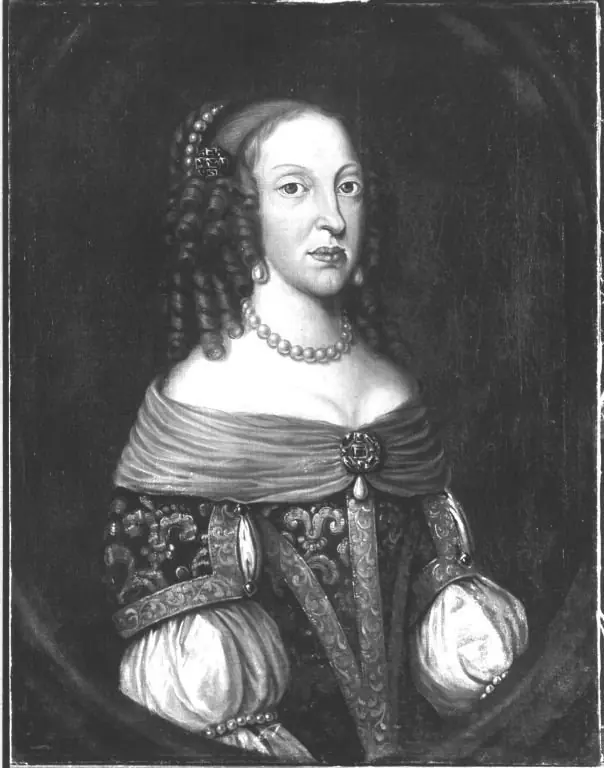 Portrait of Anna Sophie von Hessen-Darmstadt, Abbess of Quedlinburg (?)
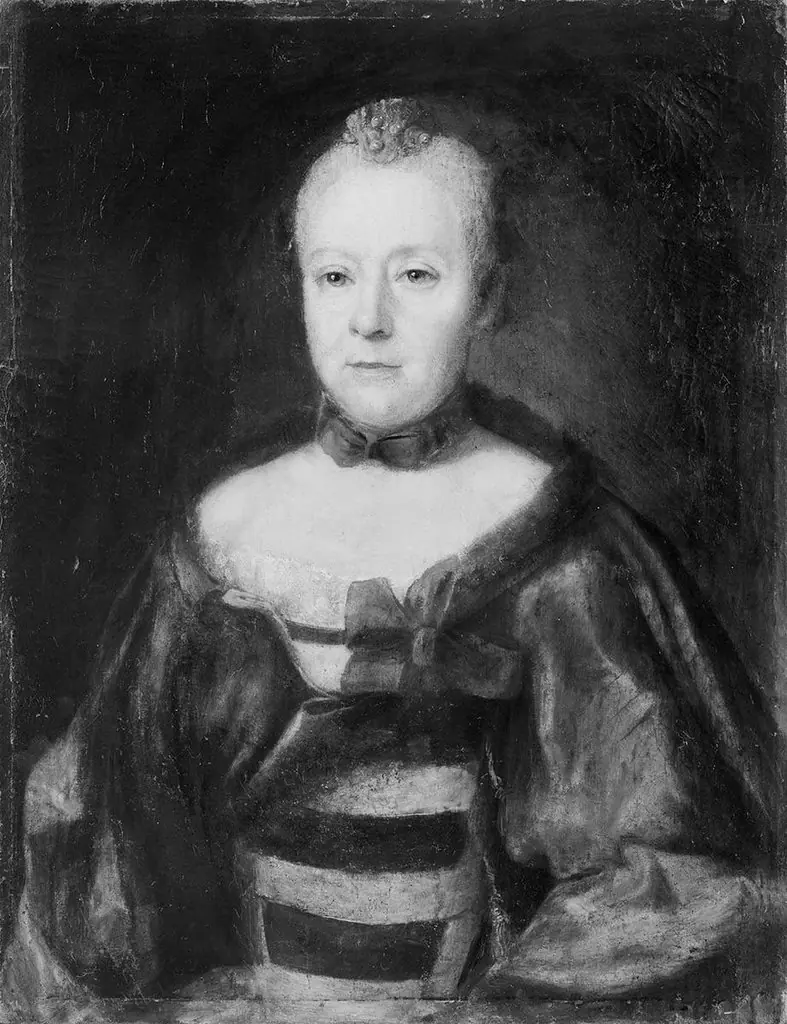 Bildnis einer Dame
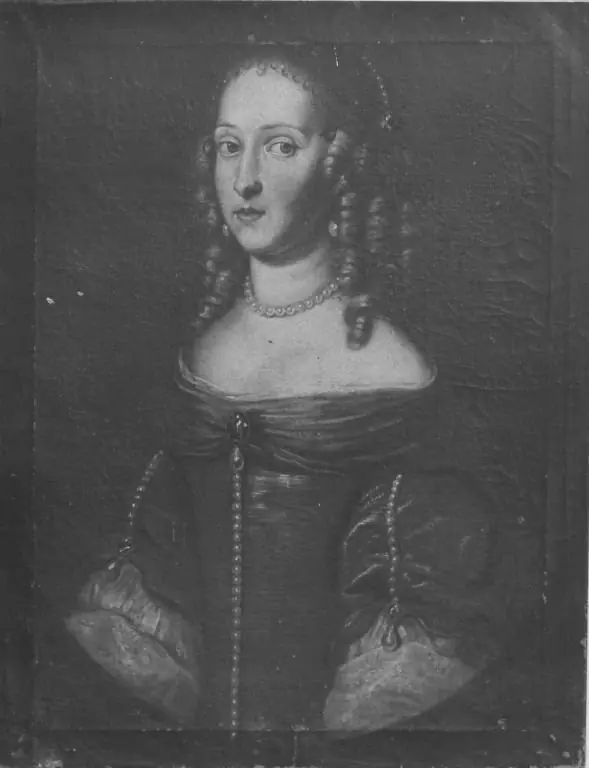 Bildnis der Landgräfin Marie Hedwig von Hessen-Darmstadt, Tochter des Landgrafen Georg II., Herzogin von Sachsen-Meiningen (1647-1680) (?) (?)
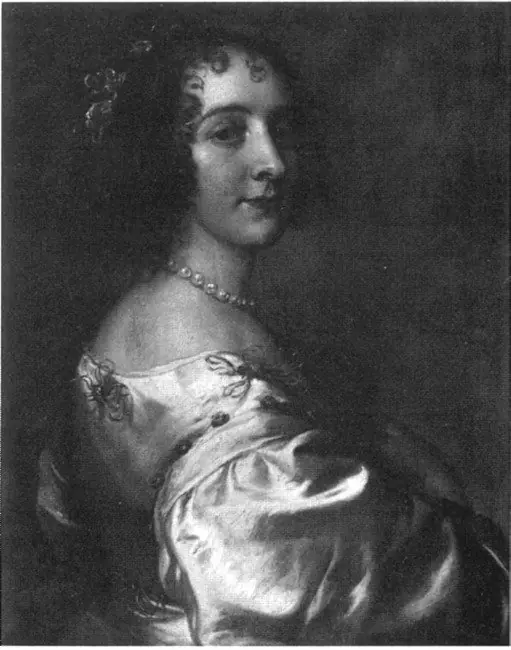 Portrait of a woman, possibly Utricia Ogle (1616-1674)
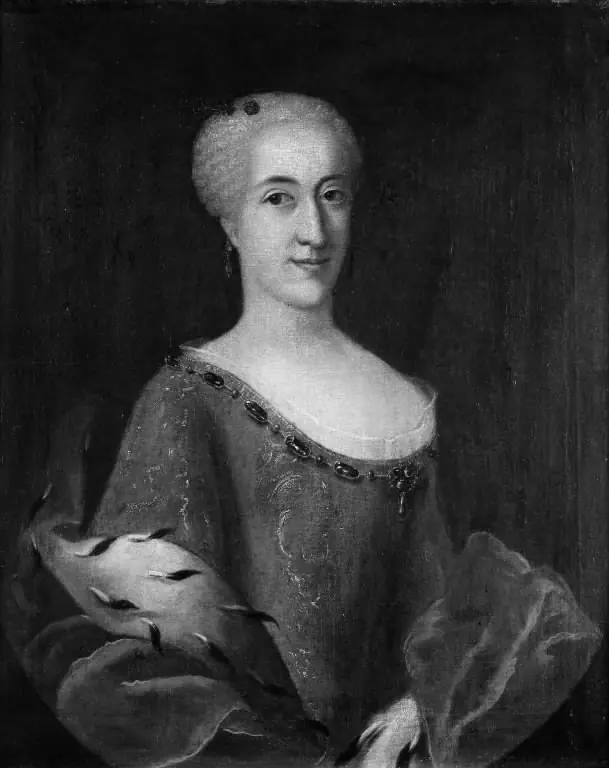 Portrait of a Lady
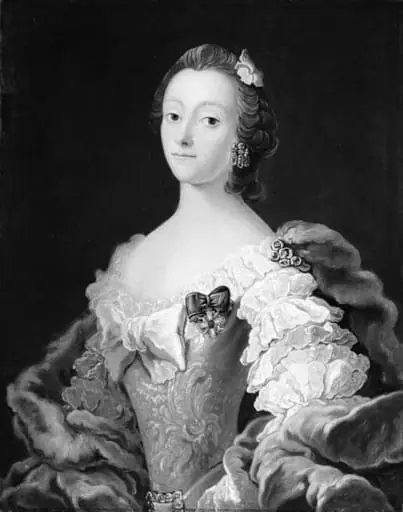 Anna Cathrine Hauch, født von der Maase
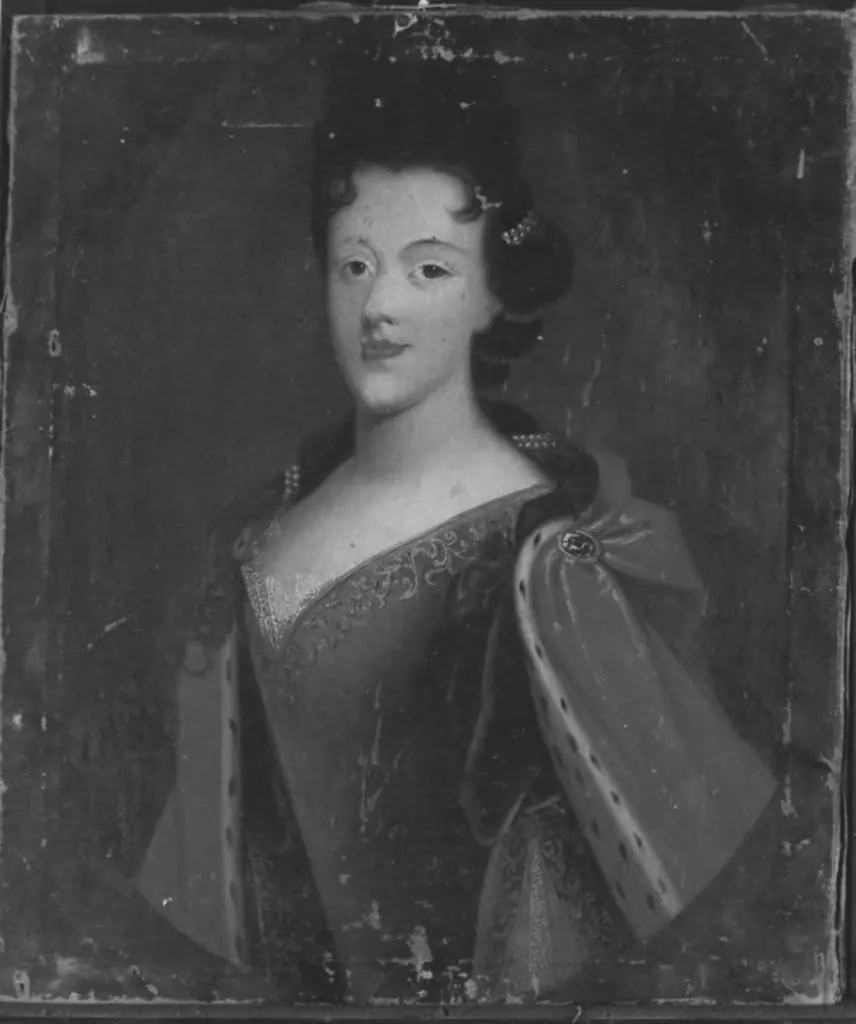 Bildnis einer Fürstin
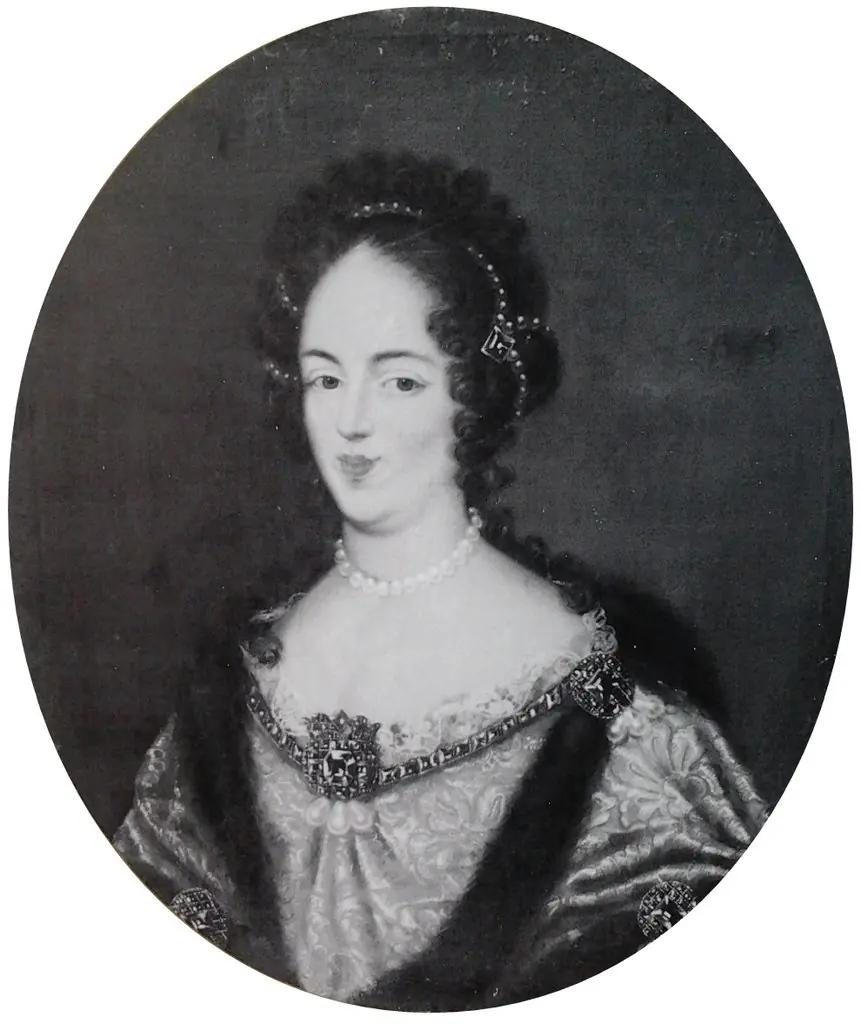 Portrait of Marie Casimire Sobieska.
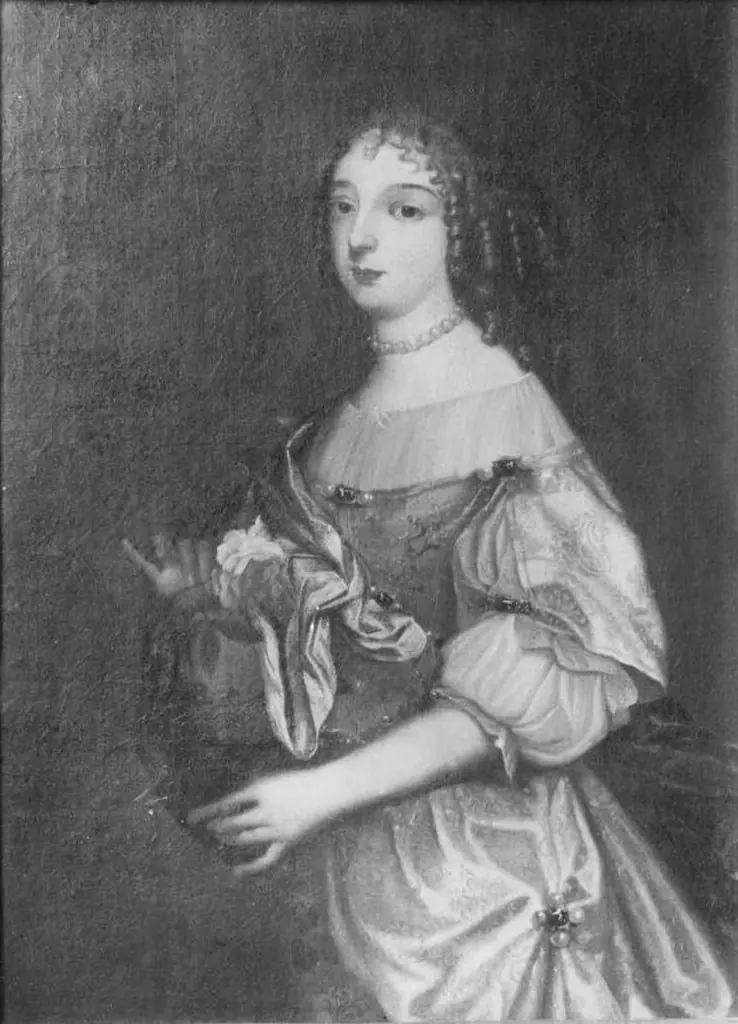 Bildnis der Luise Maria, Tochter des Kurfürsten Friedrich V. von der Pfalz
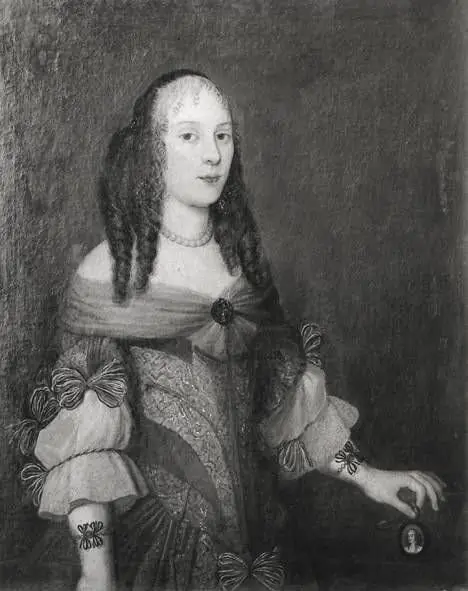 Unbekannte Dame
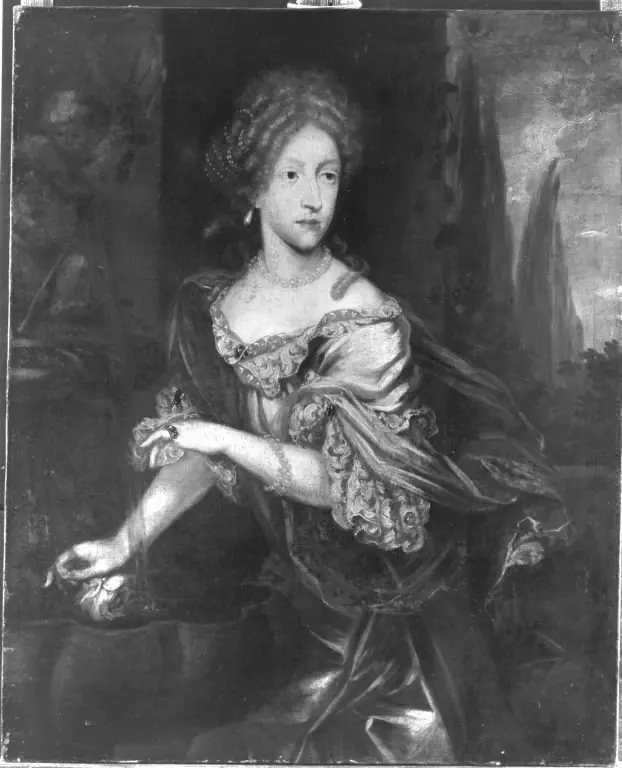 Bildnis Maria Anna
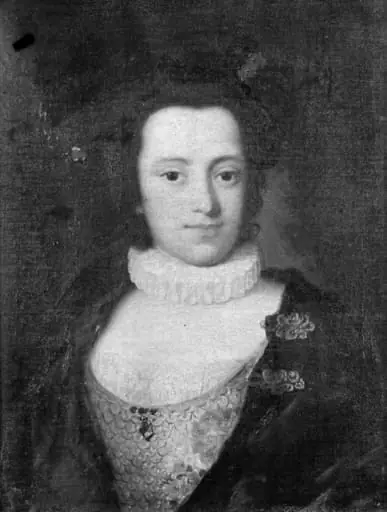 Young Lady