Artwork
Portrait of Luca Carlevarijs
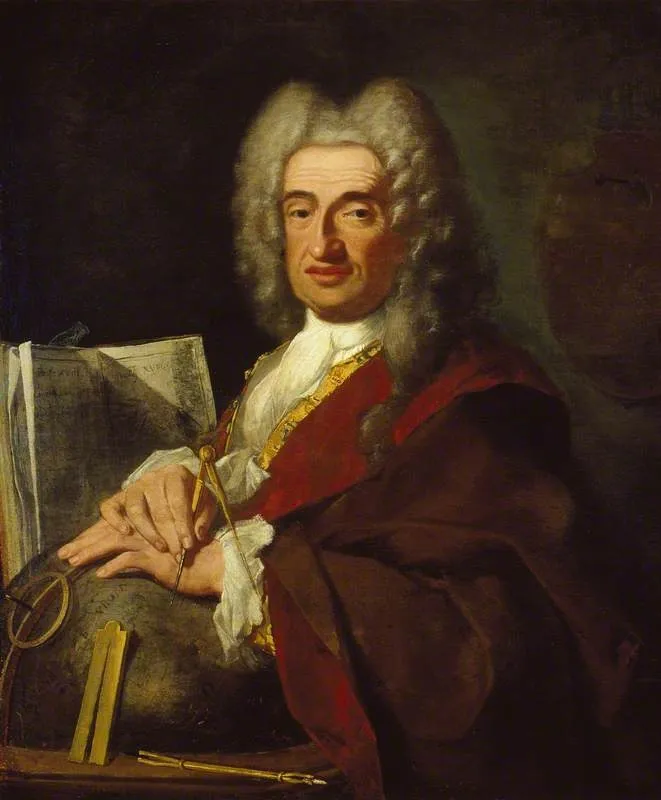
Portrait of Luca Carlevarijs is an oil painting by the Rococo painting artist Bartolomeo Nazari. It dates from 1724 and is held in the collection of the Ashmolean Museum.
About this work
Overview
Bartolomeo Nazari’s oil portrait, executed in 1724, presents Luca Carlevarijs, a noted Venetian artist, in a formal pose. The canvas captures the sitter in mid‑18th‑century dress, emphasizing his status through refined clothing and accessories.
Subject & Meaning
Carlevarijs is shown with a serious expression, holding an open book that supports a pair of drafting compasses, while a pencil rests in his other hand. These objects allude to his professional identity as a draughtsman and cartographer, underscoring his scholarly pursuits.
Technique & Style
Rendered in oil on canvas, the work reflects the Rococo’s lighter palette and delicate brushwork, yet retains the compositional balance characteristic of late‑Baroque portraiture. Nazari’s handling of textures—silk, fur trim, and the sheen of the book—demonstrates his skill in depicting materiality.
History & Provenance
Created in Venice during Nazari’s mature period, the portrait remained within the artist’s circle before entering public collections in the 19th century. Documentation traces its ownership through several European private collections before its acquisition by a museum.
Context
At the time of its execution, Carlevarijs was renowned for his vedute of Venice, influencing later cityscape painters. The portrait situates him among contemporaries whose visual documentation of urban life was gaining cultural importance.
Legacy
The painting serves as a visual record of Carlevarijs’s intellectual stature and contributes to the broader understanding of portraiture as a means of professional self‑presentation in early‑modern Italy.
Artist & collection
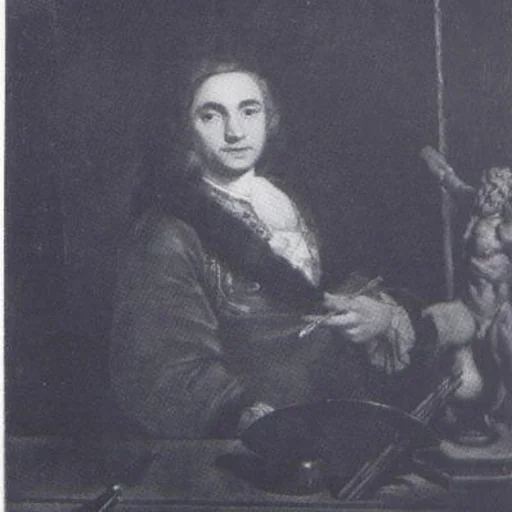
Artist
Bartolomeo Nazari (31 May 1693 – 24 August 1758) was an Italian painter of the late-Baroque, mainly active in Venice as a portraitist.

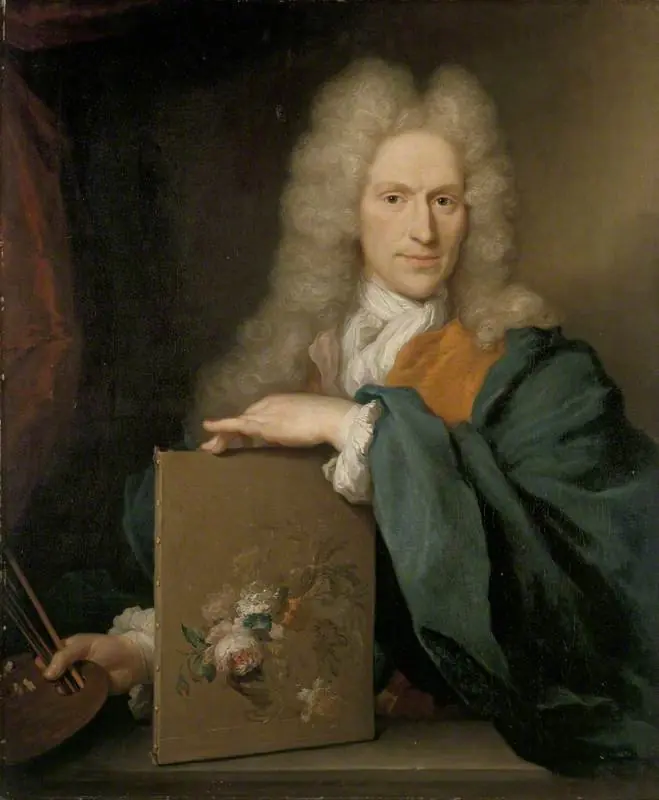 Portrait of Jan van Huysum
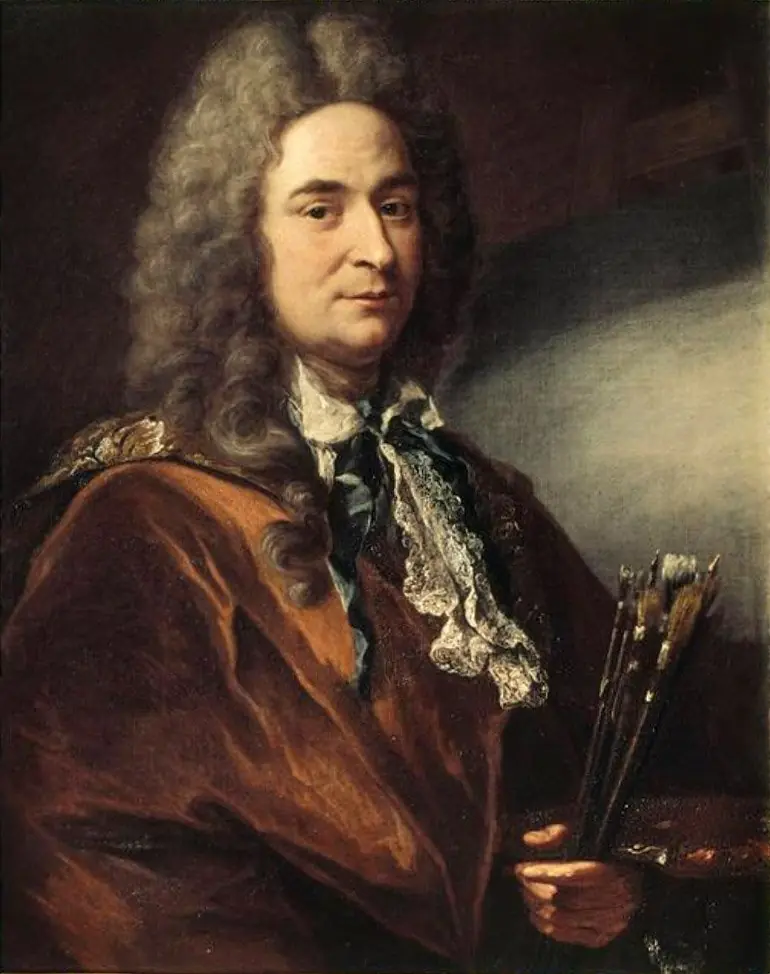 Self-portrait
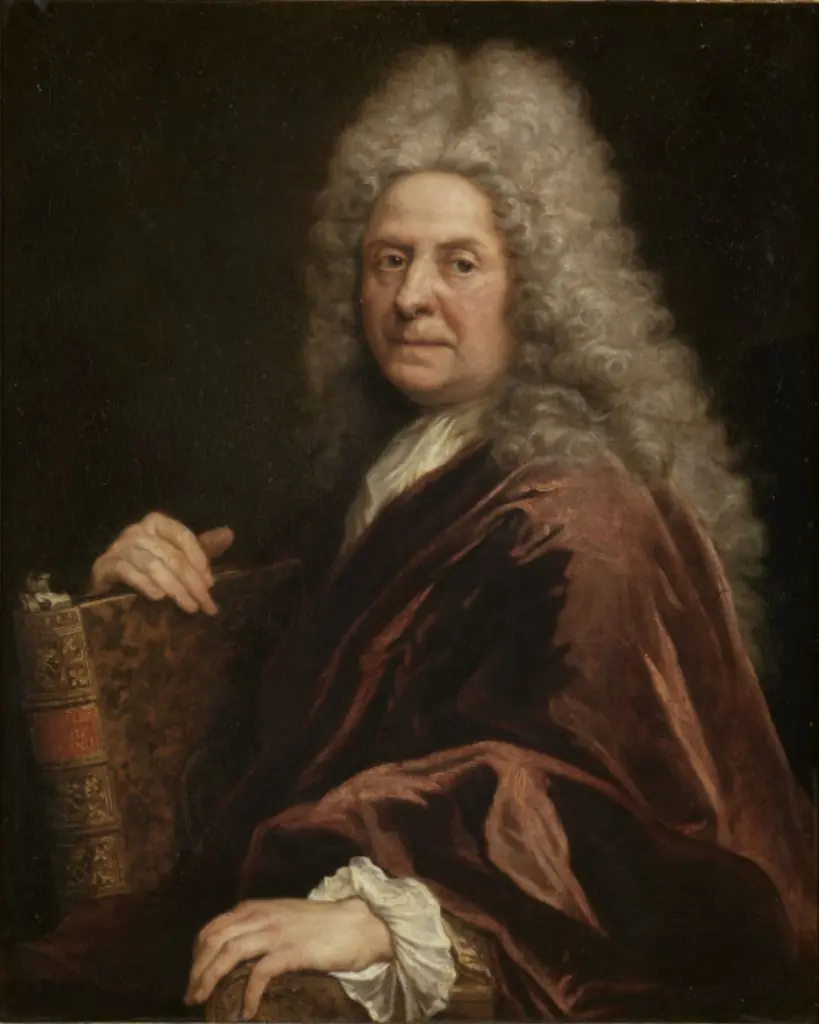 Self portrait of Antoine Coypel, Ecuyer Premier Peintre du Roy (1661-1722)
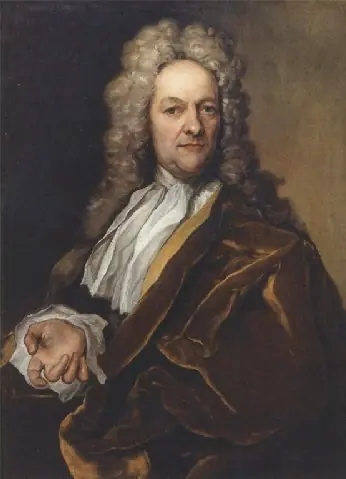 Portrait of a Man
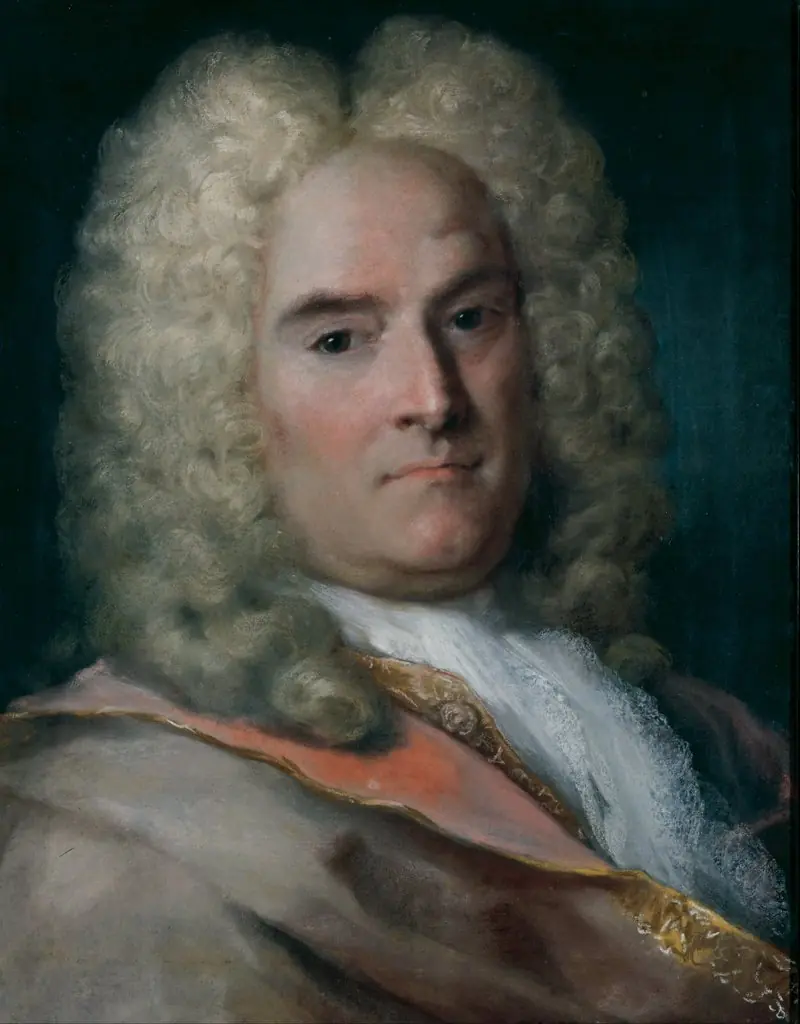 A Gentleman in a Gray Cape over a Gold-Embroidered Coat
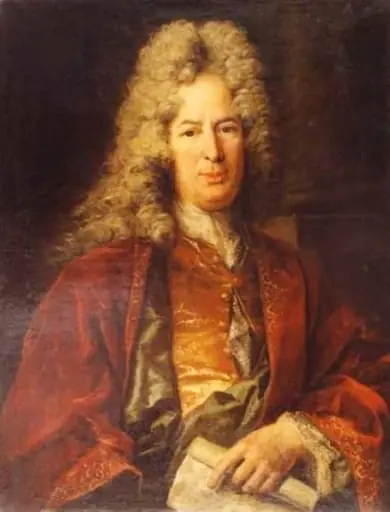 Johann Traugott von Seilen din Brașov
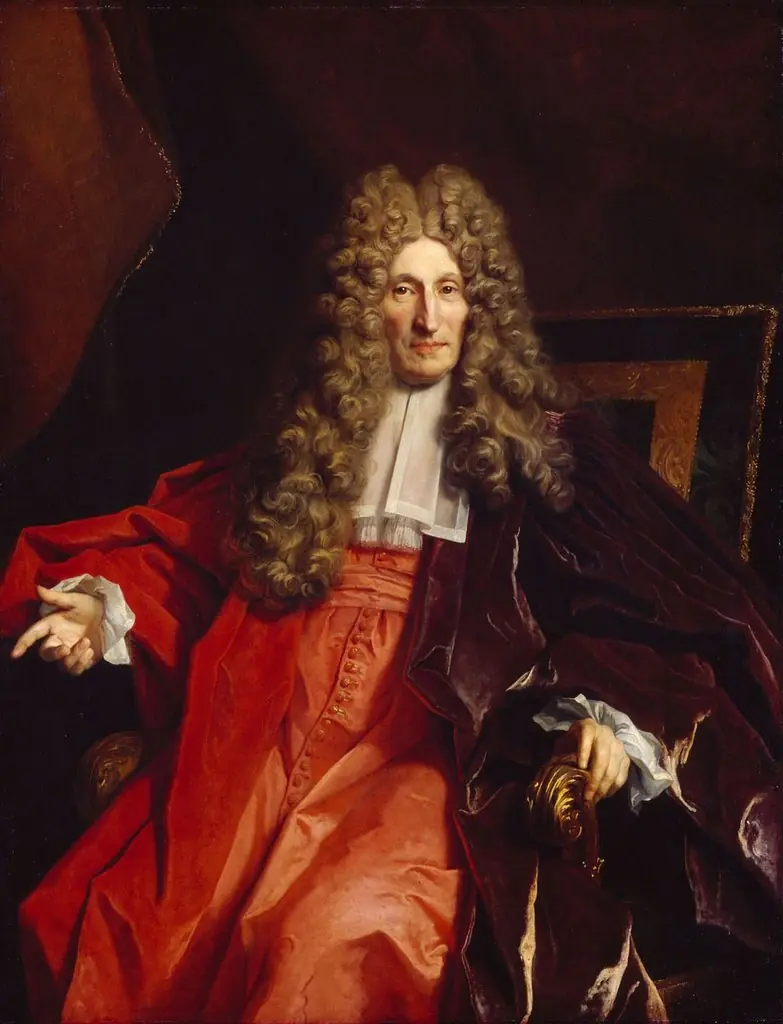 Charles Boucher, Herr von Orsay
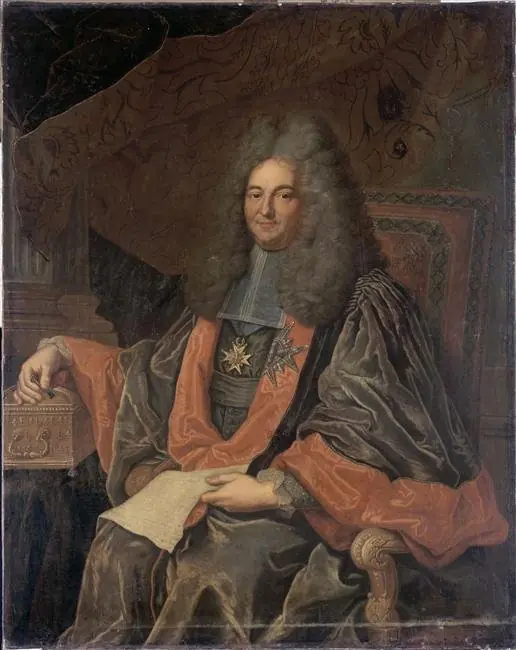 Portrait de Joseph Fleuriau d'Armenonville (1660-1728)
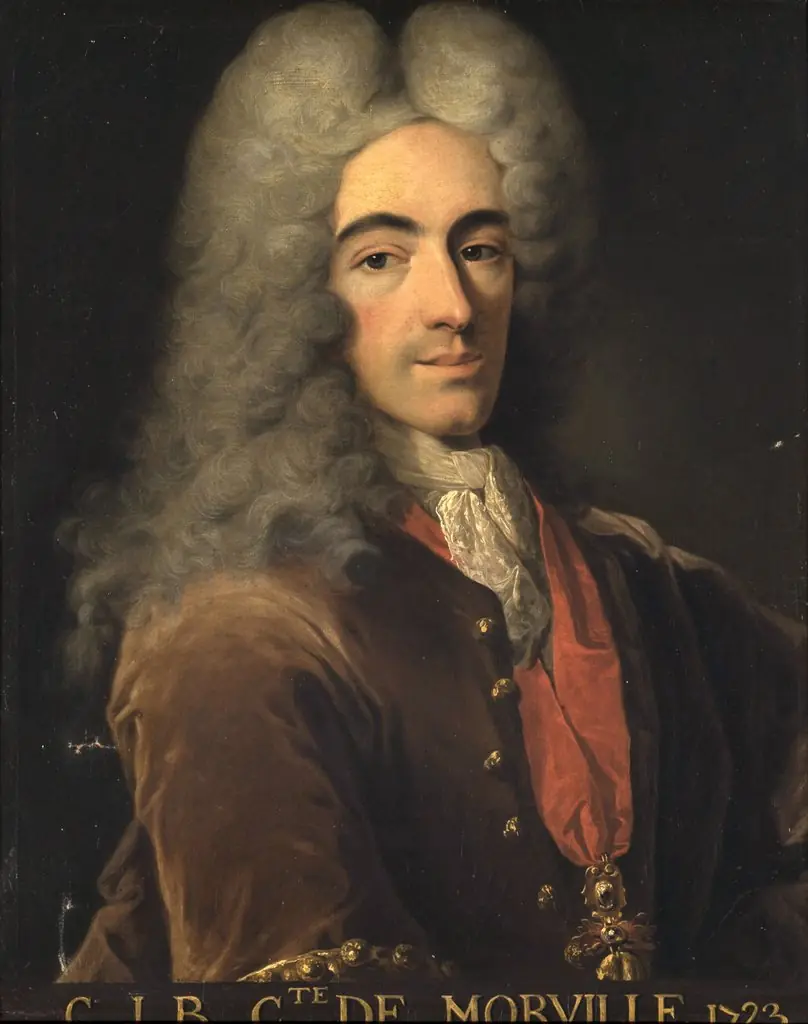 Charles-Jean-Baptiste Fleuriau, Comte de Morville (1686-1732)
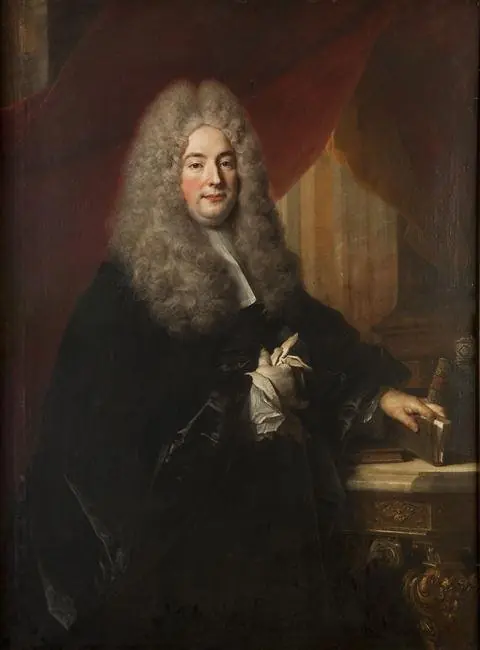 Thomas Morant, conseiller d'Etat
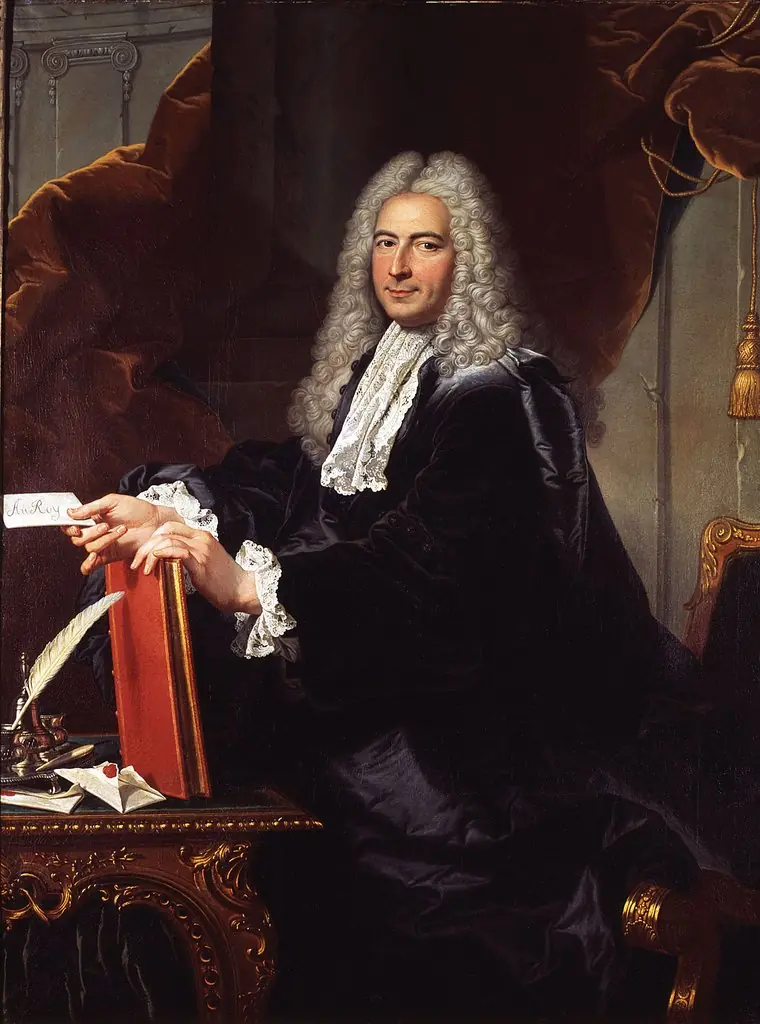 Philibert Orry (1689-1747)
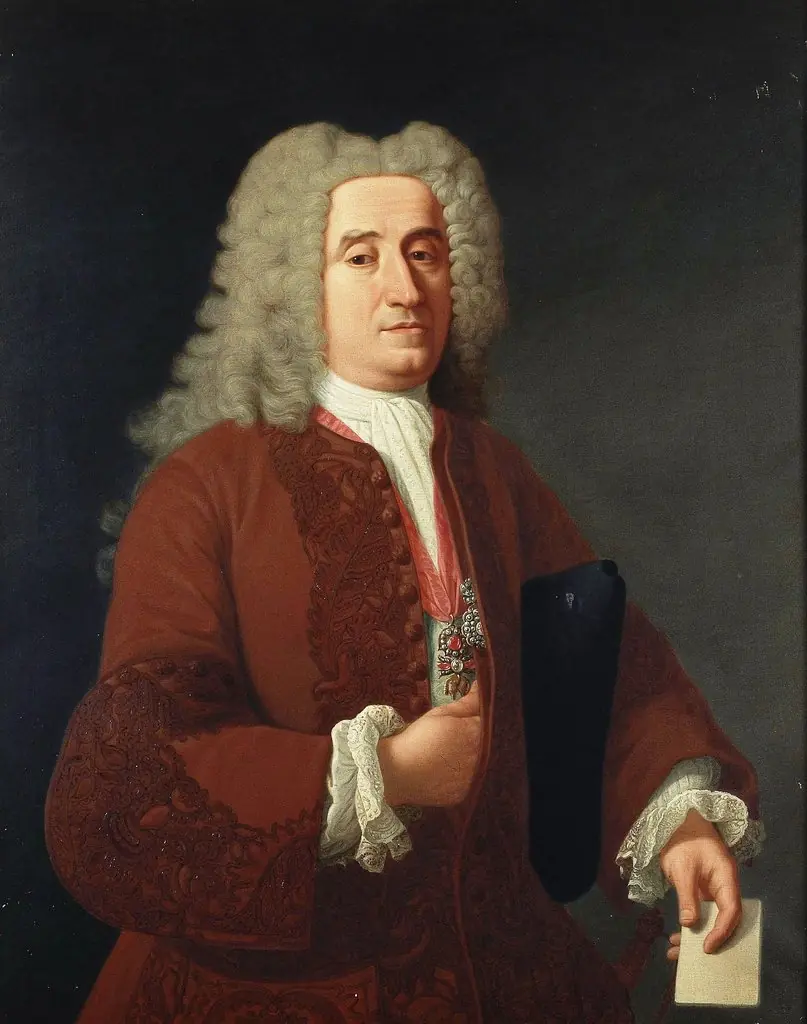 José Patiño Rosales