Artwork
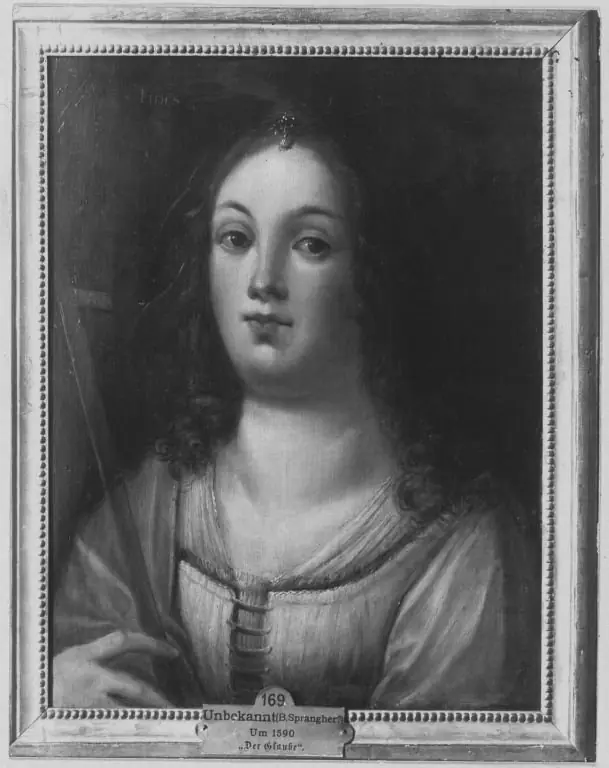
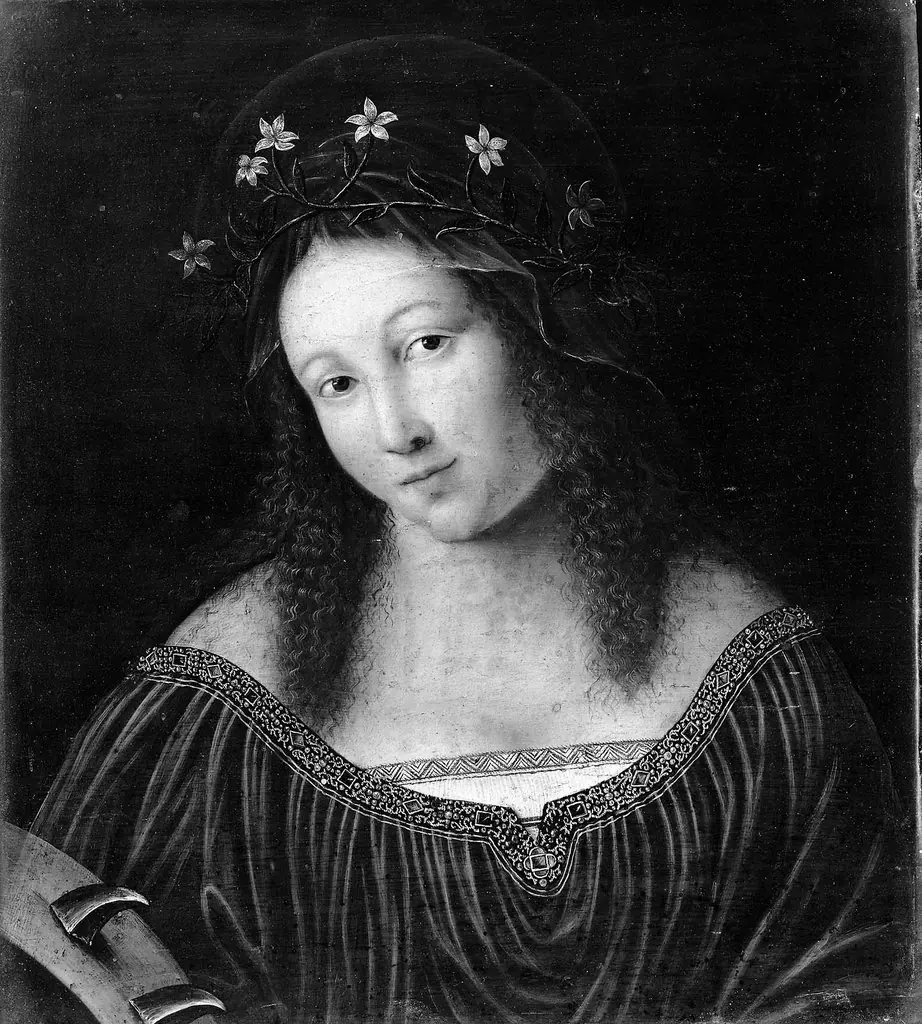
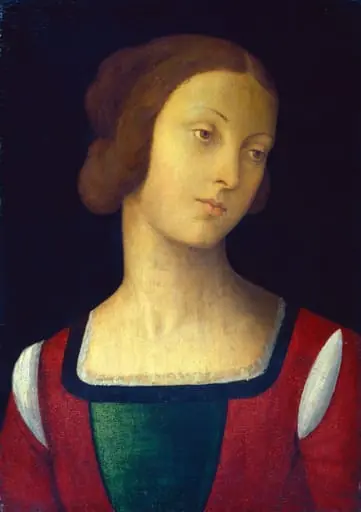
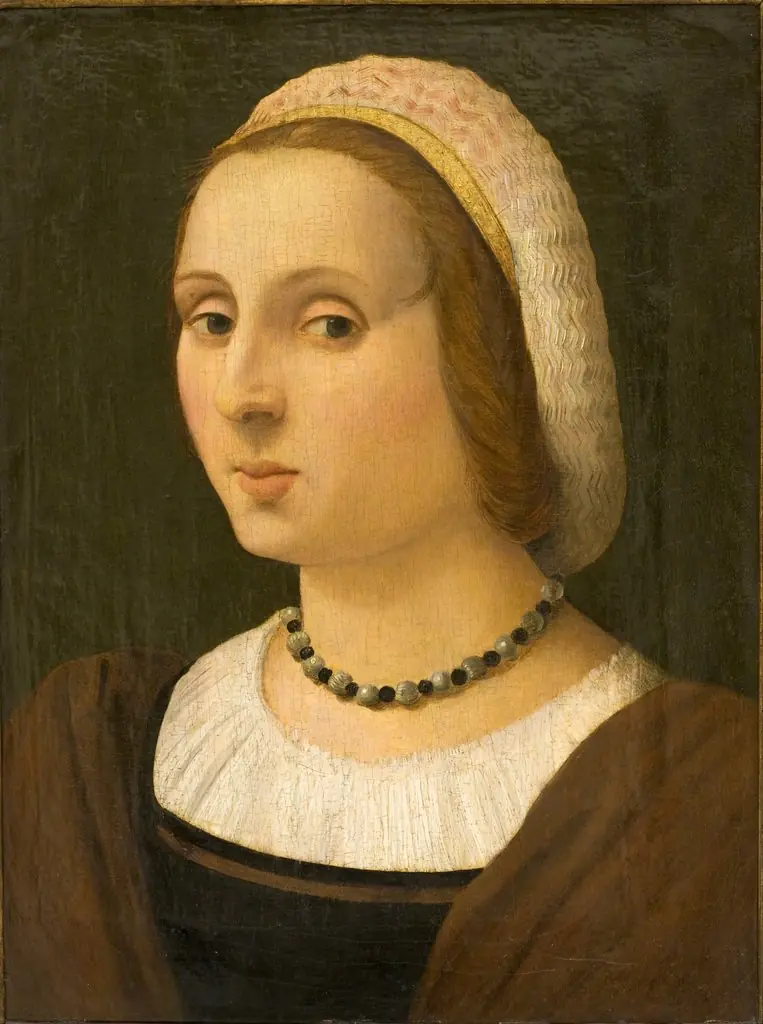
The Head of the Virgin
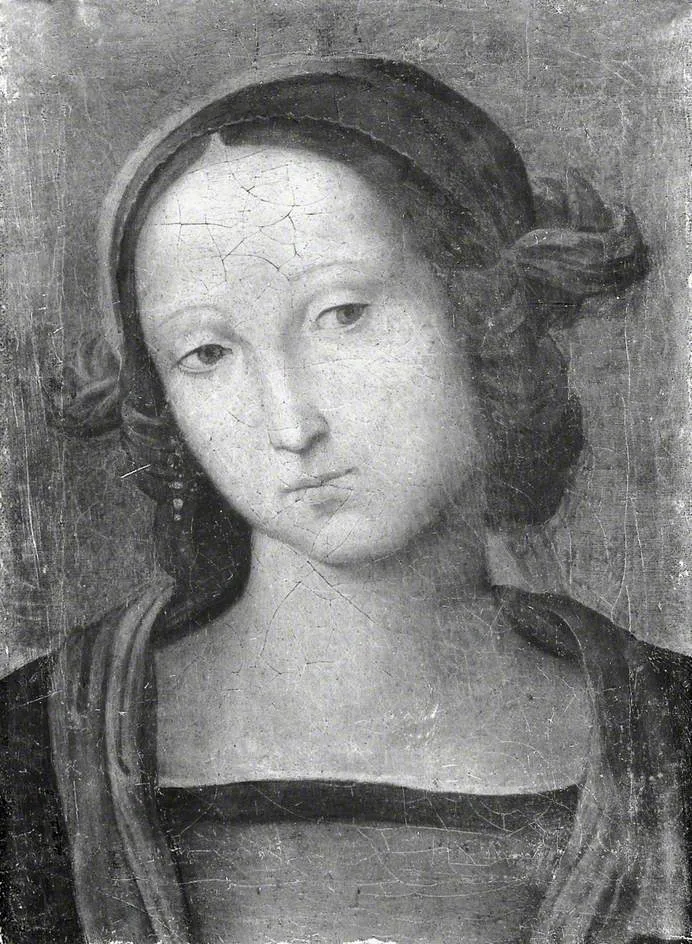
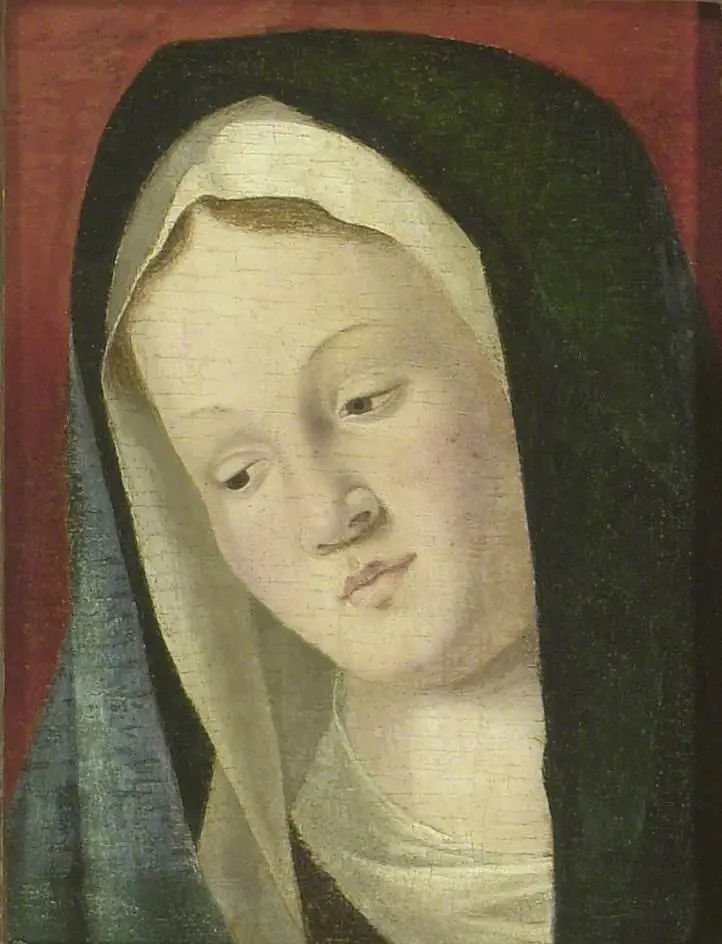
The Head of the Virgin is an oil painting by the Early Renaissance artist Pietro Perugino. It dates from 1495 and is held in the collection of the Ashmolean Museum.
About this work
Overview
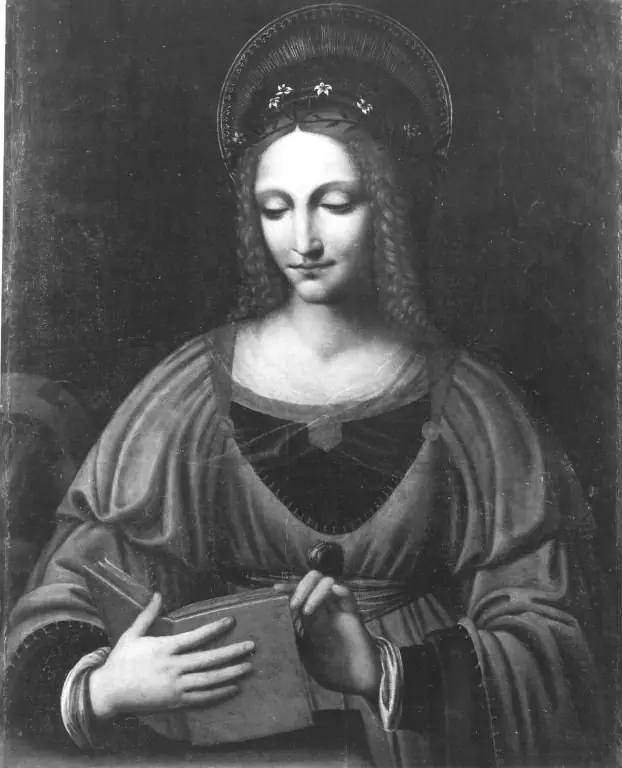
Painted circa 1495, this oil-on-panel portrait presents a close-up of the Virgin Mary’s face, attributed to the Italian Renaissance artist Pietro Perugino.
Painted circa 1495, this oil-on-panel portrait presents a close-up of the Virgin Mary’s face, attributed to the Italian Renaissance artist Pietro Perugino. Executed in the Umbrian tradition, the work exemplifies the period’s growing mastery of oil paint to achieve subtle tonal transitions. It is currently held in the Ashmolean Museum’s collection, where it stands as a quiet example of devotional portraiture from the late 15th century.
Subject & Meaning
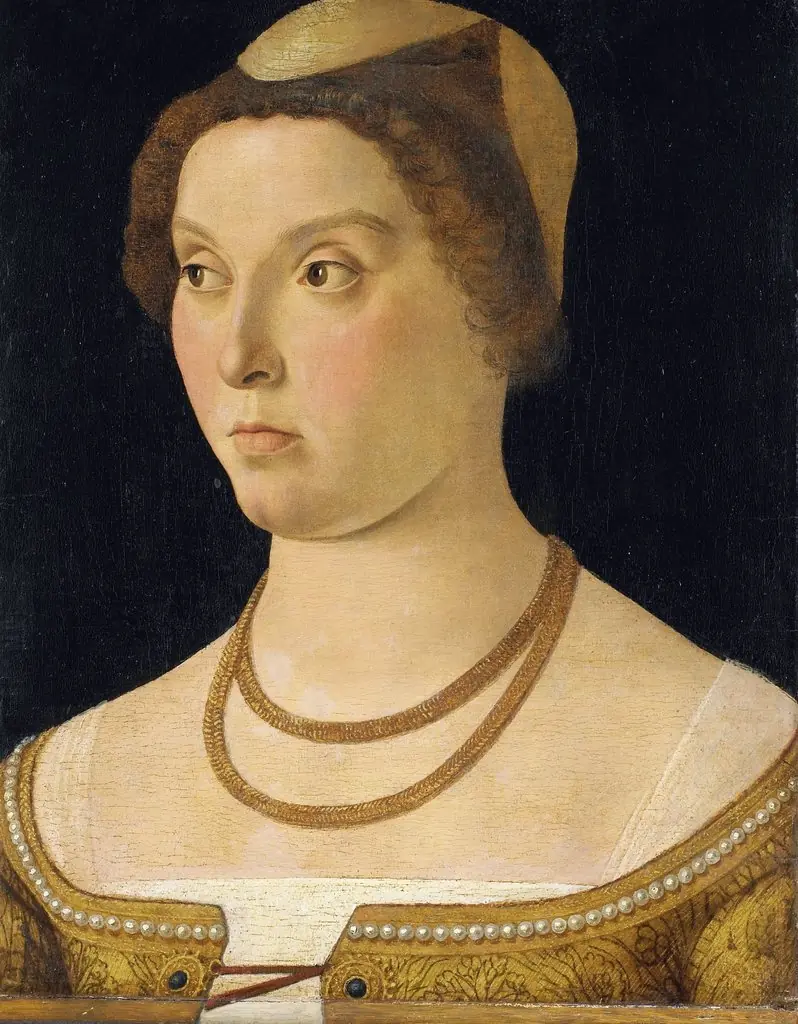
The image captures the Virgin Mary in a moment of introspective stillness, her eyes lowered in quiet devotion. Her modest attire—a dark robe with a pale collar—and veiled hair reflect conventional iconography of humility and purity. The absence of narrative context focuses attention on her inner state, inviting contemplation rather than storytelling, aligning with devotional practices of the time that emphasized personal spiritual connection.
Technique & Style
Perugino employs oil paint to render delicate gradations of light across the Virgin’s face and veil, using soft chiaroscuro to model form without harsh shadows. The muted gray background isolates the figure, enhancing its meditative presence. Brushwork is refined but unobtrusive, favoring smooth transitions over texture, characteristic of Umbrian painting’s emphasis on harmony and serene clarity over dramatic intensity.
History & Provenance
The painting entered the Ashmolean Museum’s collection in the 19th century, though its earlier ownership remains undocumented. It was likely created as a private devotional piece, possibly part of a larger altarpiece or panel series. Its survival in good condition suggests it was carefully preserved, possibly within a religious or aristocratic household before entering institutional care.
Context
In the decades before Raphael’s rise, Perugino was among the most influential painters in central Italy, training many who would define the High Renaissance. His approach to serene composition and idealized features influenced contemporaries and successors. This portrait reflects the shift from Gothic rigidity toward naturalistic expression, grounded in observed humanity rather than symbolic abstraction.
Legacy
Though not among Perugino’s most celebrated works, this portrait exemplifies his contribution to the evolution of Renaissance portraiture. Its restrained emotion and technical poise helped establish a visual language later adopted by Raphael and others. The painting endures as a quiet testament to the period’s pursuit of spiritual grace through understated realism.
Artist & collection
Artist
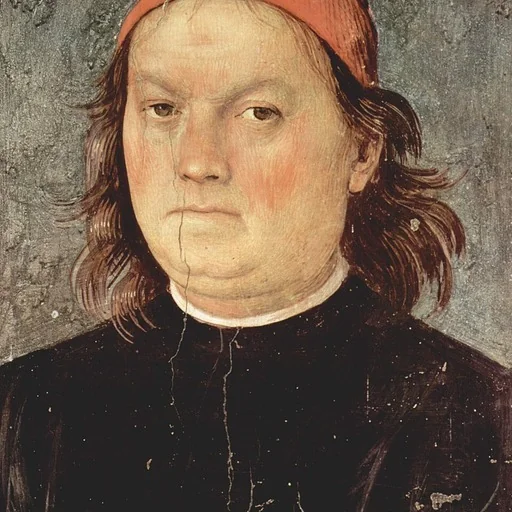
Pietro Perugino (US: PERR-ə-JEE-noh, -oo-; Italian: ; born Pietro Vannucci or Pietro Vanucci; c.