Artwork
Harlequin as Lacemaker
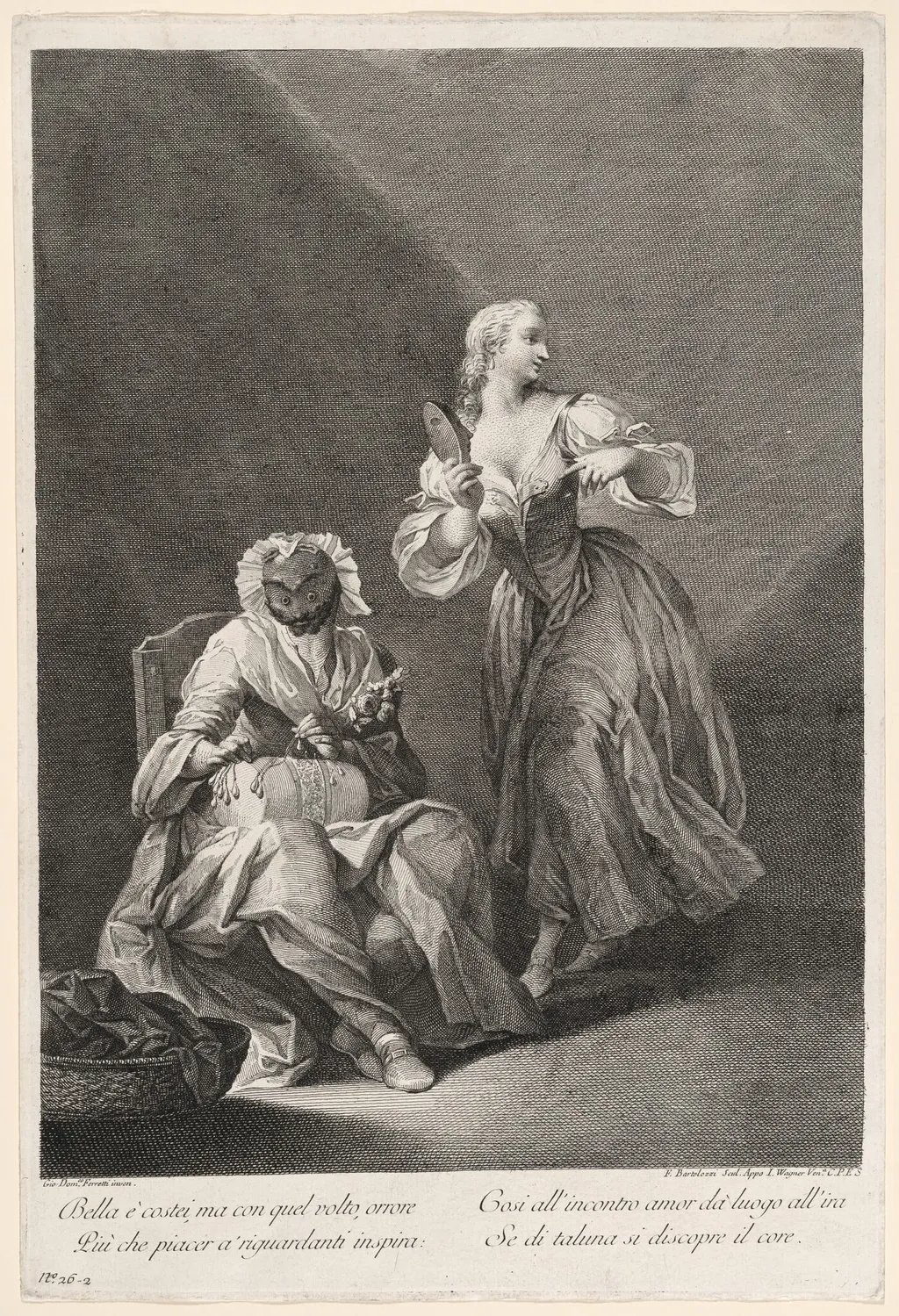
Harlequin as Lacemaker is an ink print by the Romanticist artist Francesco Bartolozzi. It dates from 1760 and is held in the collection of the National Gallery of Art.
About this work
Overview
Harlequin as Lacemaker is a print created by Francesco Bartolozzi in 1760 using etching and engraving on laid paper. The work combines elements of theater and domesticity.
Subject & Meaning
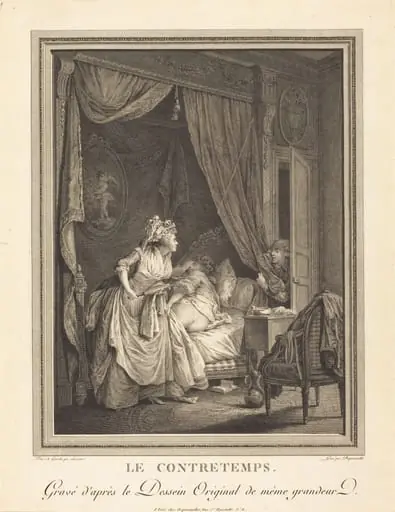
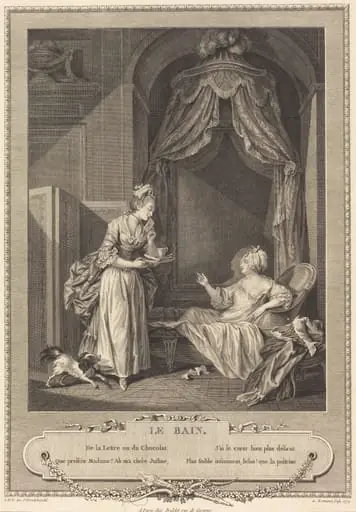
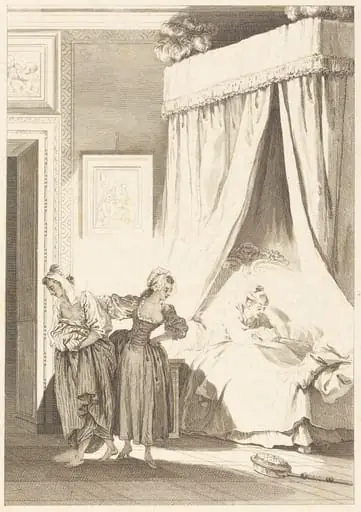
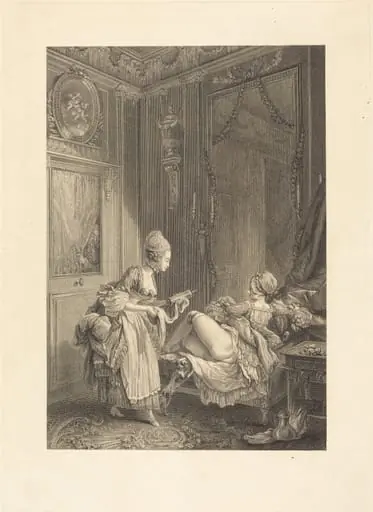
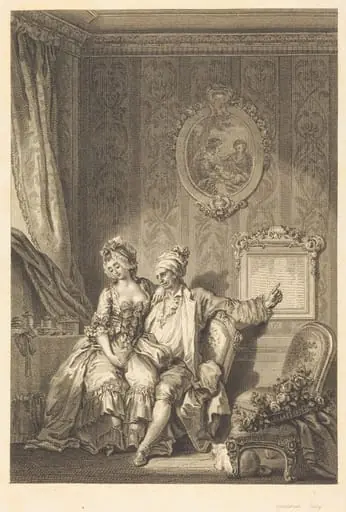
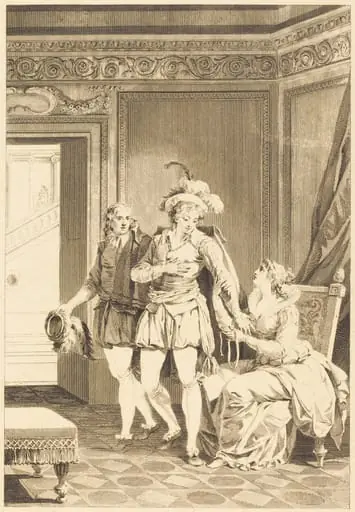
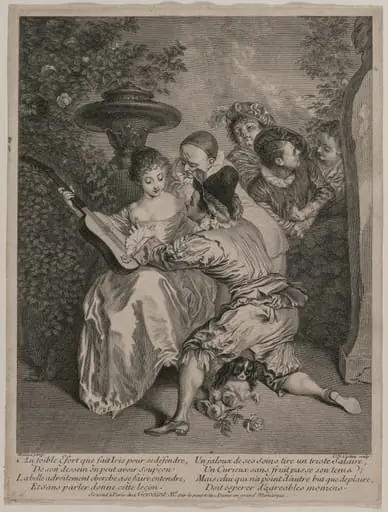
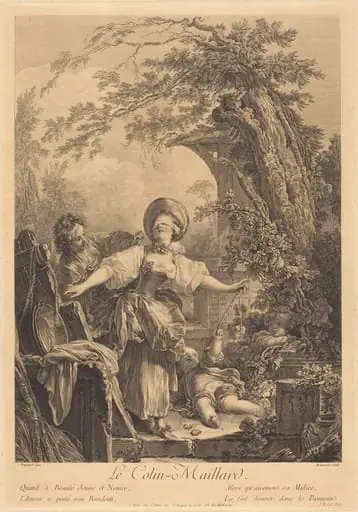
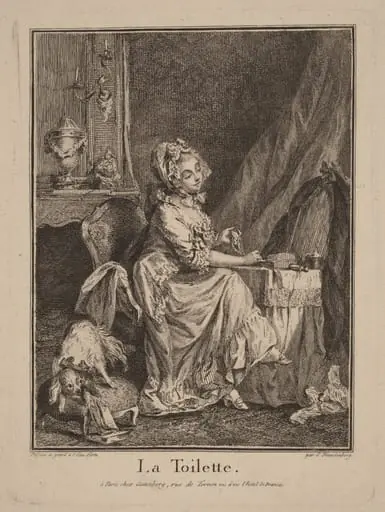
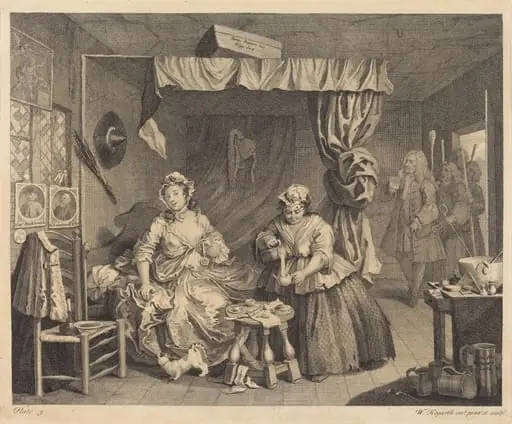
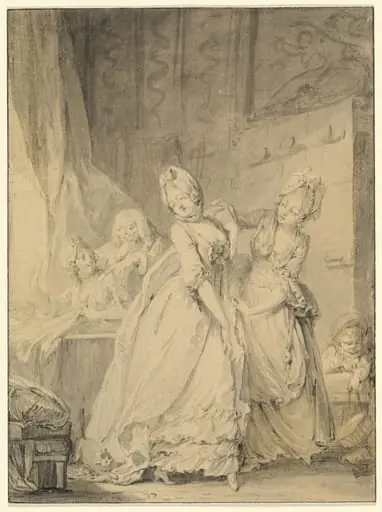
The print depicts a harlequin figure, masked and attired in rustic clothing, engaged in needlework beside a elegantly dressed woman holding a hand mirror. The juxtaposition of the theatrical character with a domestic activity is a notable aspect of the image.
Technique & Style
The image is characterized by the use of etching and engraving, techniques that were prominent in 18th-century printmaking. The dark background and attention to the figures' attire and activities are hallmarks of the work's style, which is associated with the Romanticism movement.
History & Provenance
Bartolozzi, an Italian engraver, was active primarily in London during his most productive years, a period when printmaking was a thriving medium for reproducing and circulating images.
Artist & collection
Artist
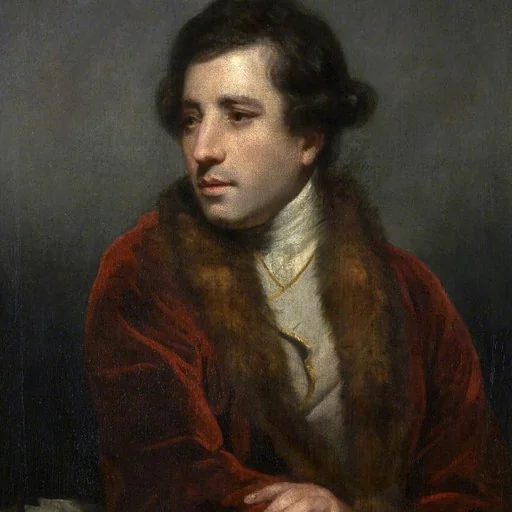
Francesco Bartolozzi (21 September 1727 – 7 March 1815) was an Italian engraver, whose most productive period was spent in London. He is noted for popularizing the "crayon" method of engraving.