Artwork
Mary, Queen of Scots
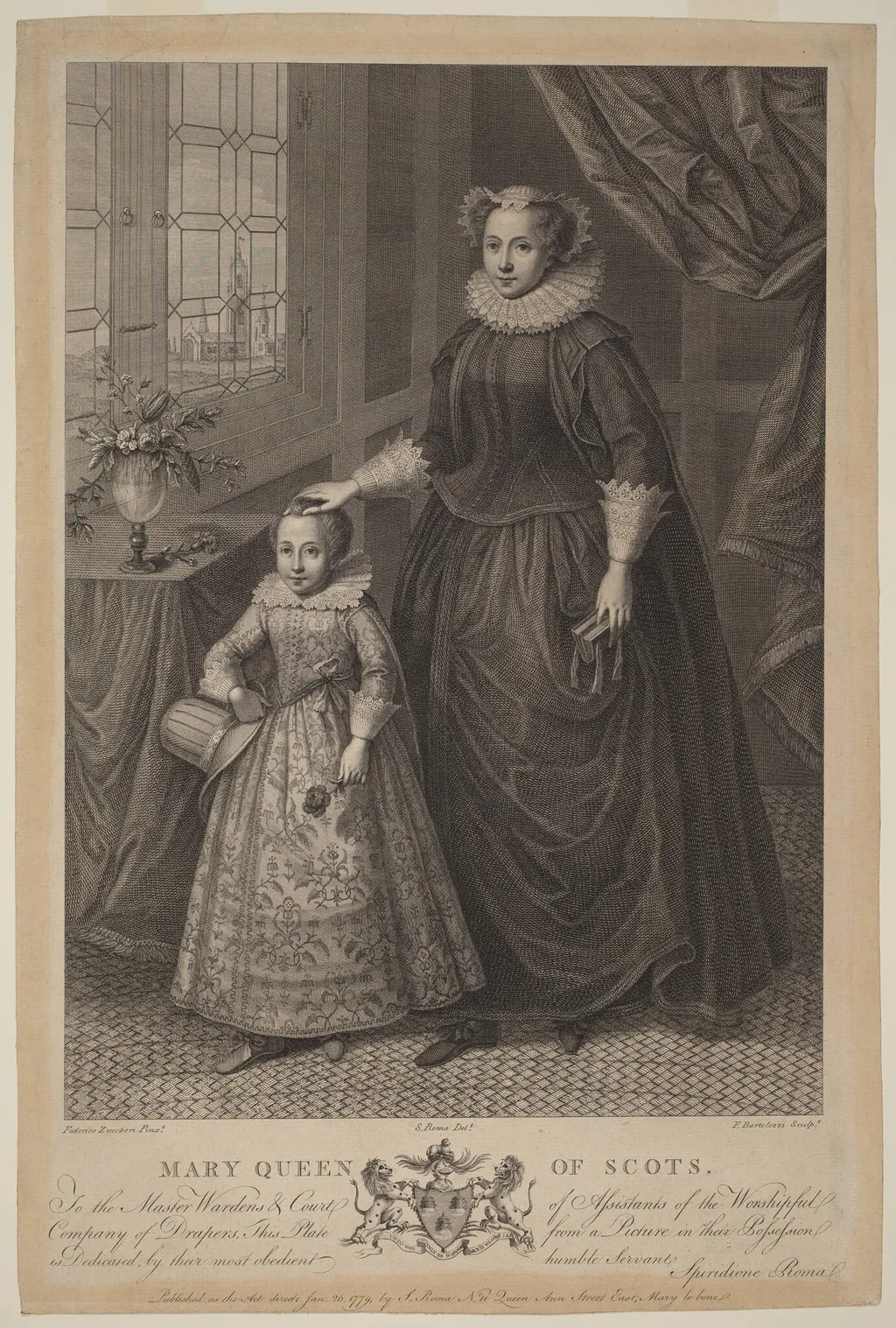
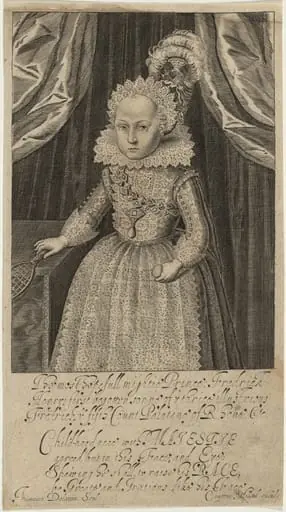
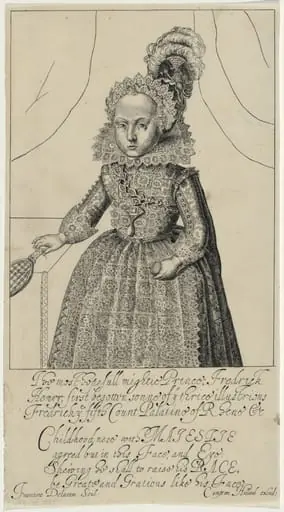
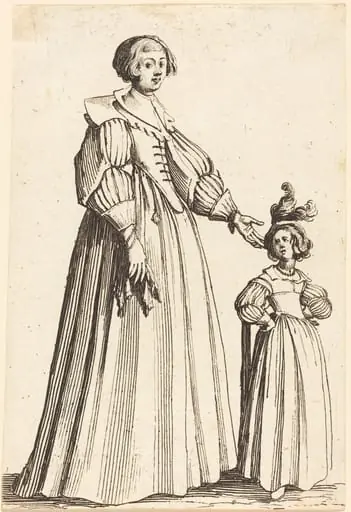
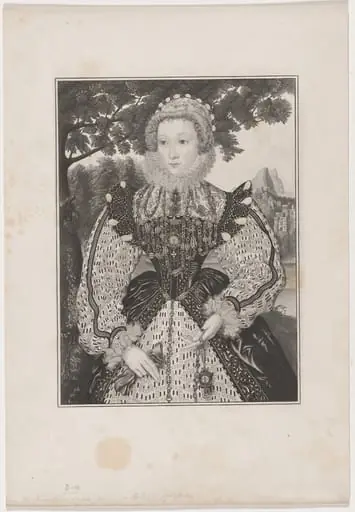
Mary, Queen of Scots is an ink print by the Romanticist artist Francesco Bartolozzi. It dates from 1779 and is held in the collection of the National Gallery of Art. Created in 1779, this print depicts a woman and a young girl within an interior space illuminated by a large window.
About this work
Overview
Created in 1779, this print depicts a woman and a young girl within an interior space illuminated by a large window. The elder figure, clad in a dark, ruffled garment, tenderly rests her hand on the child’s head, while the girl, in a light dress with a floral motif, holds a hat. A patterned rug covers the floor and a table with a vase of flowers occupies the left foreground.
Subject & Meaning
The scene suggests an intimate domestic moment, likely intended to evoke the historical figure of Mary, Queen of Scots, in a maternal role. The gentle gesture and the presence of youthful attire hint at themes of lineage, protection, and the personal side of a monarch traditionally portrayed in political contexts.
Technique & Style
The print showcases Bartolozzi’s mastery of the crayon engraving method, employing dense cross‑hatching to render subtle tonal variations and texture. Fine lines build the fabric’s folds, the patterned rug, and the delicate foliage in the vase, while contrasts of light and shadow create depth and a quiet drama within the confined space.
History & Provenance
Italian engraver Francesco Bartolozzi, active mainly in London, produced this work during a highly productive phase of his career. Known for introducing the crayon technique to British printmaking, Bartolozzi’s 1779 engraving reflects his broader effort to translate the softness of pastel drawing into the permanence of metal engraving.
Artist & collection
Artist
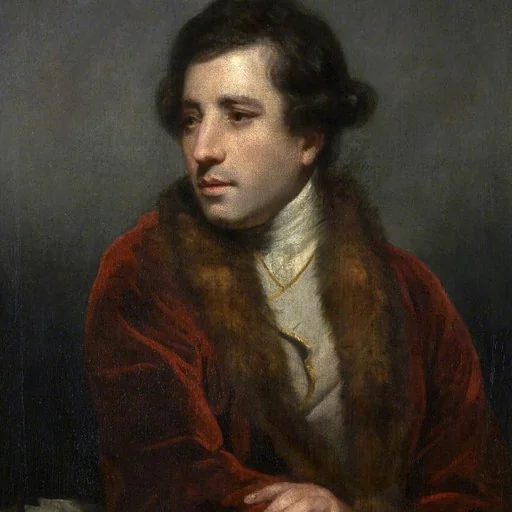
Francesco Bartolozzi (21 September 1727 – 7 March 1815) was an Italian engraver, whose most productive period was spent in London. He is noted for popularizing the "crayon" method of engraving.