Artwork
The Tomb of Death
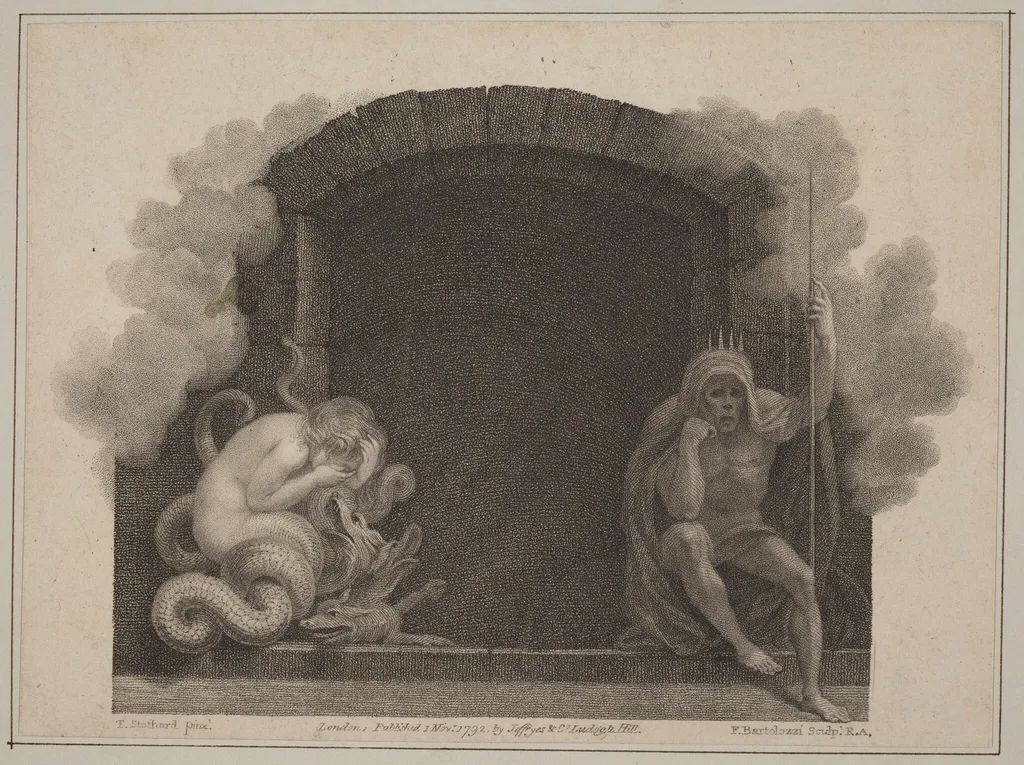
The Tomb of Death is an ink print by the Baroque artist Francesco Bartolozzi. It dates from 1771 and is held in the collection of the National Gallery of Art.
About this work
Overview
Known for refining the crayon style in printmaking, Bartolozzi translated the soft tonal qualities of chalk drawings into precise, finely lined engravings.
Created in 1771, *The Tomb of Death* is an engraving on wove paper by Francesco Bartolozzi, an Italian artist who spent much of his career in London. Known for refining the crayon style in printmaking, Bartolozzi translated the soft tonal qualities of chalk drawings into precise, finely lined engravings. This work exemplifies his technical command and his ability to evoke emotional depth through intricate line work alone.
Subject & Meaning
The scene centers on a dark, arched tomb, flanked by two figures: a hooded figure holding a spear, possibly representing Death, and a sorrowful woman with a serpentine tail, her head bowed in grief. The imagery evokes themes of mortality and lamentation, drawing on allegorical traditions common in 18th-century visual culture. The absence of narrative detail invites contemplation rather than storytelling, emphasizing mood over explicit meaning.
Technique & Style
Bartolozzi employed fine cross-hatching and delicate stippling to simulate the texture and gradation of chalk drawings, a hallmark of his crayon method. The engraving’s dense, layered lines create atmospheric depth, particularly in the smoky background and the textured stone of the tomb. The figures are rendered with expressive contours, their forms emerging from the shadow through subtle shifts in line weight and density.
History & Provenance
Produced during Bartolozzi’s tenure in London, where he became a leading reproductive engraver for British artists and publishers, this print likely circulated as part of a broader interest in moral and allegorical imagery. Though its original commission is undocumented, its technical sophistication suggests it was intended for collectors or as a standalone work of artistic merit rather than commercial illustration.
Context
In late 18th-century Britain, there was a growing appetite for prints that conveyed emotional and philosophical themes, often inspired by literature or classical myth. Bartolozzi’s work aligned with this trend, bridging Italian draftsmanship with British aesthetic tastes. His ability to render melancholy and grandeur in monochrome resonated with audiences seeking art that engaged the imagination beyond mere representation.
Legacy
Bartolozzi’s influence extended through his pupils and the widespread reproduction of his engravings, which helped define the visual language of sentimental art in Europe. *The Tomb of Death* stands as a testament to his skill in elevating printmaking to a medium capable of profound emotional expression, though it remains less widely studied than his more popular reproductive works.
Artist & collection

Artist
Francesco Bartolozzi (21 September 1727 – 7 March 1815) was an Italian engraver, whose most productive period was spent in London. He is noted for popularizing the "crayon" method of engraving.

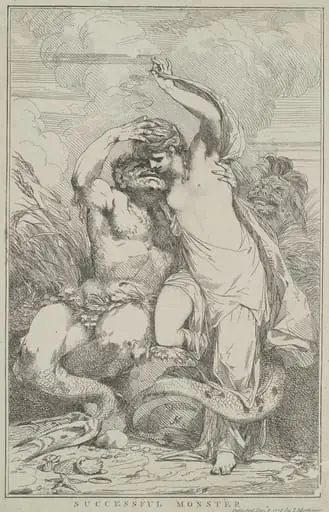 Successful Monster
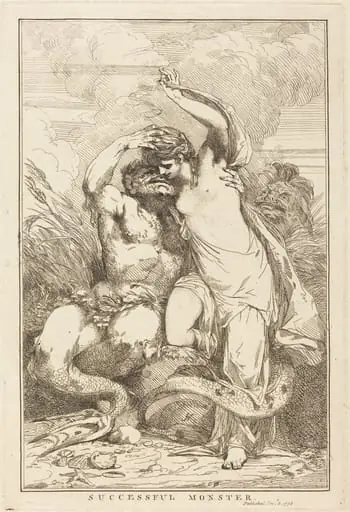 Successful Monster
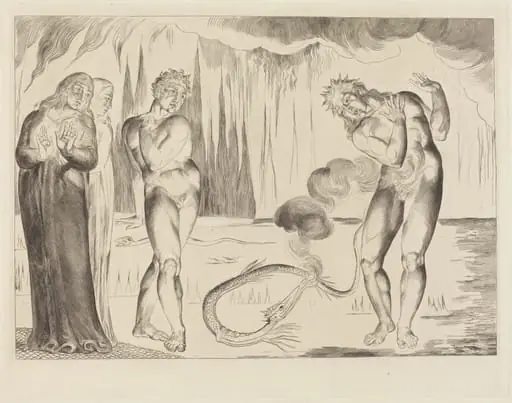 The Circle of the Thieves; Buoso Donati Attacked by the Serpent
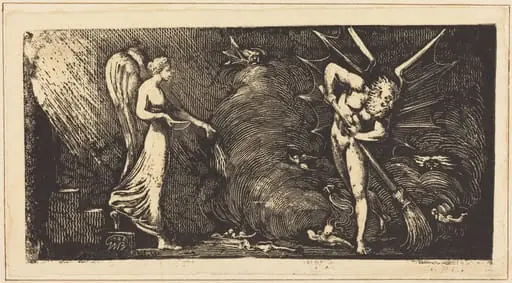 The Man Sweeping the Interpreter's Parlor
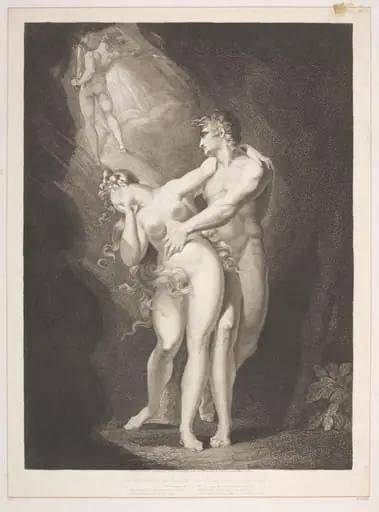 The Dimission of Adan and Eve
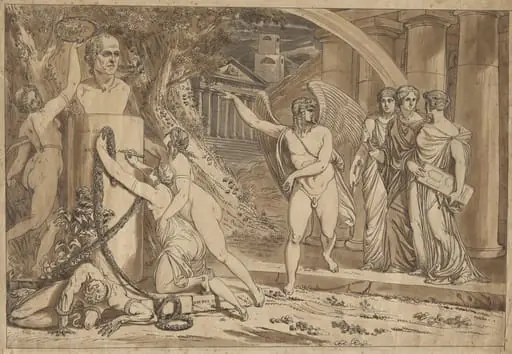 Virtues Crowning the Bust of Canova
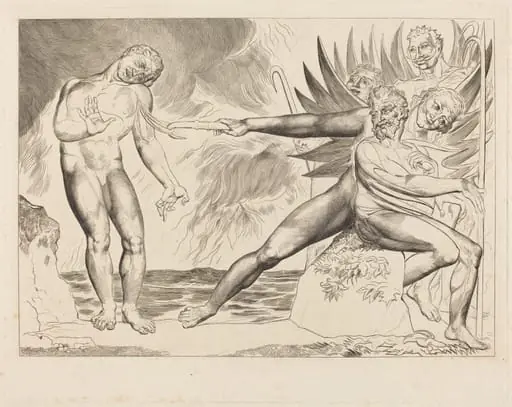 The Circle of the Corrupt Officials; the Devils Tormenting Ciampolo
 Dante Meditating on the "Divine Comedy"
 Jupiter and Io
 The Circle of the Thieves; Buoso Donati Attacked by the Serpent
 The Circle of the Thieves; Buoso Donati Attacked by the Serpent
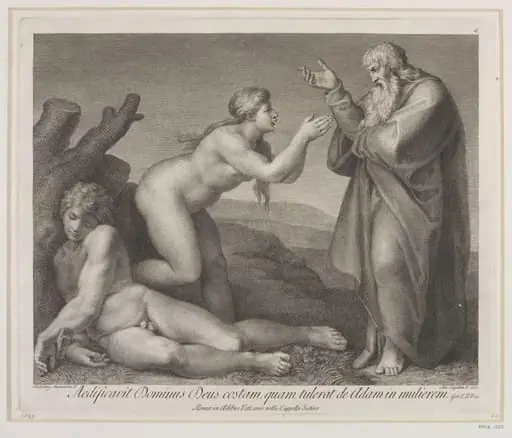 The Creation of Eve