Artwork
Mississippi Bear
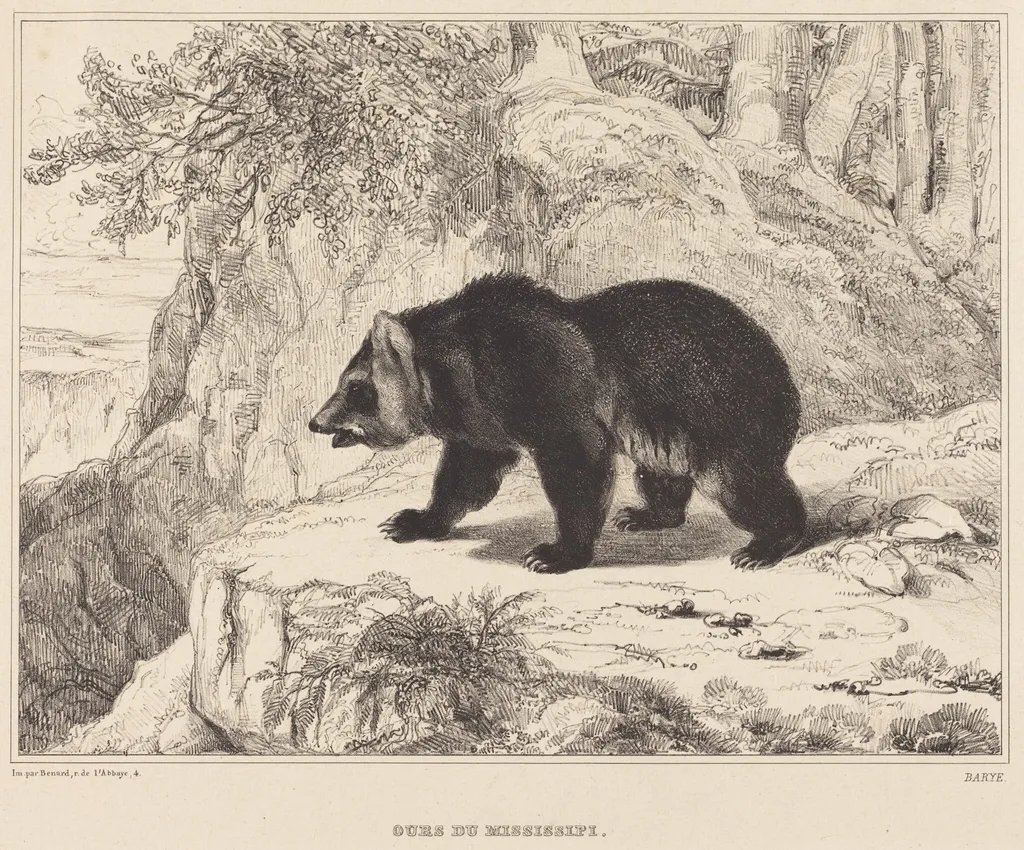
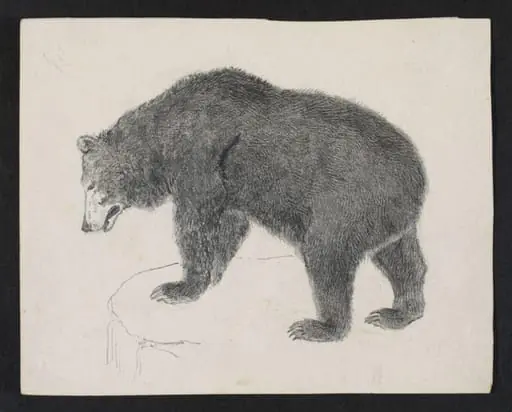
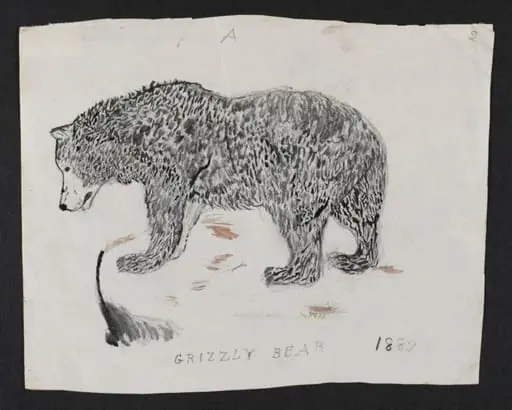
Mississippi Bear is an ink print by the Romanticist artist Antoine-Louis Barye. It dates from 1836 and is held in the collection of the National Gallery of Art.
About this work
Overview
Antoine-Louis Barye produced the lithograph *Mississippi Bear* in 1836, capturing a single bear in a stark, focused composition.
Antoine-Louis Barye produced the lithograph *Mississippi Bear* in 1836, capturing a single bear in a stark, focused composition. Though primarily known as a sculptor, Barye extended his animal studies into printmaking, using lithography to convey the physical presence and raw energy of wildlife. This work exemplifies his dedication to observing and rendering animals with anatomical precision and emotional gravity.
Subject & Meaning
The bear, centrally positioned and rendered without contextual elements, stands as an isolated emblem of wild power. Barye avoids narrative or symbolism, instead emphasizing the animal’s physicality and autonomy. The title references a geographic region, yet the bear is not tied to a specific event or myth—its presence alone evokes the untamed spirit of nature, a recurring theme in Romantic-era naturalism.
Technique & Style
Barye employed bold, incisive lines to define the bear’s form, using the lithographic medium to achieve sharp contrasts between solid masses and empty space. The absence of shading or background isolates the figure, heightening its monumentality. His technique reflects a sculptor’s sensitivity to volume and weight, translating three-dimensional presence into two-dimensional ink.
History & Provenance
Created during Barye’s rise to prominence in Parisian art circles, *Mississippi Bear* emerged from his broader project of documenting animal life, often inspired by specimens at the Jardin des Plantes. Though the print was not widely exhibited at the time, it circulated among collectors of naturalist art and later became part of institutional holdings focused on 19th-century animal imagery.
Context
In the 1830s, European interest in exotic wildlife intensified due to colonial expansion and scientific curiosity. Barye’s work aligned with this trend, yet he distinguished himself by avoiding theatricality. His focus on solitary animals, rendered without human intervention, reflected a growing Romantic reverence for nature’s independence and intrinsic dignity.
Legacy
Barye’s animal lithographs, including *Mississippi Bear*, helped establish the animalier genre as a legitimate artistic pursuit. His precise, unembellished approach influenced later naturalist illustrators and sculptors, shifting focus from allegory to direct observation. The print remains a quiet but enduring example of how art could convey the dignity of wild creatures without sentimentality.
Artist & collection
Artist
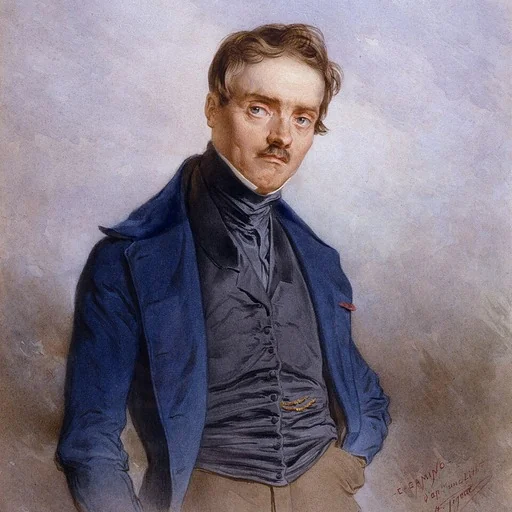
Antoine-Louis Barye was a Romantic French sculptor most famous for his work as an animalier, a sculptor of animals. His son and student was the sculptor Alfred Barye.