Artwork
A fox in a glade with a stork; a fox looking up at two birds
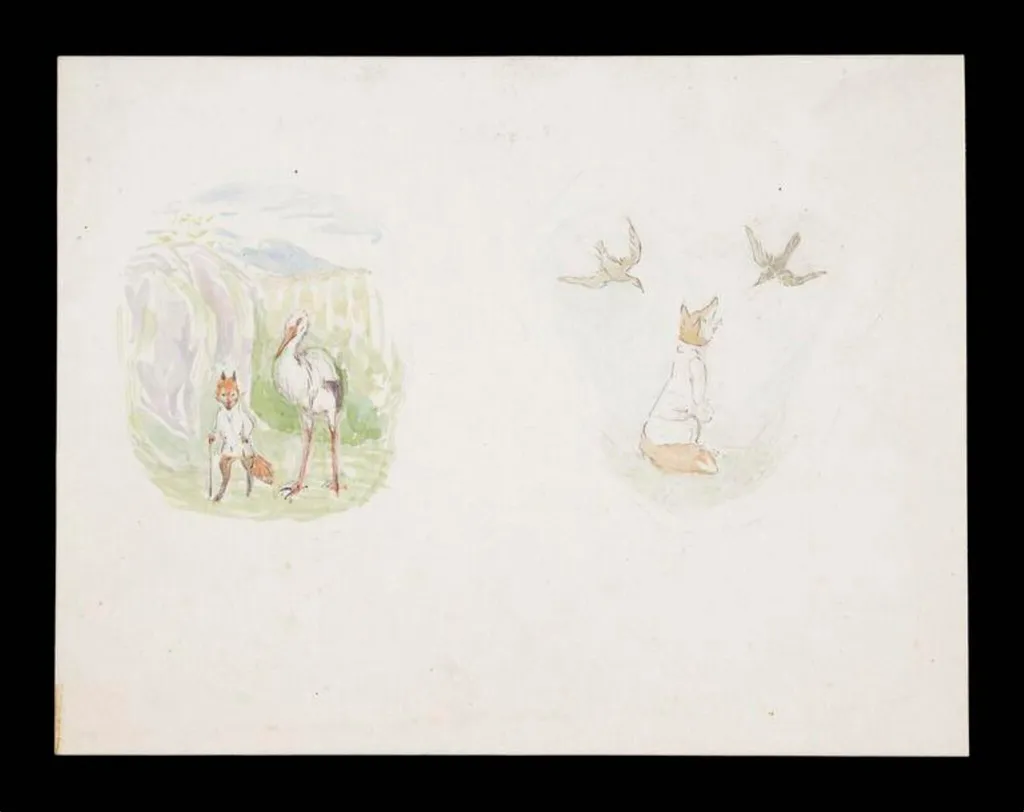
A fox in a glade with a stork; a fox looking up at two birds is a watercolor work on paper by Beatrix Potter. It dates from 1919 and is held in the collection of the Victoria and Albert Museum.
About this work
This painting is called A fox in a glade with a stork.
Beatrix Potter created it in 1919. She was known for her children's books and illustrations of animals.
She made this watercolour at a later point in her career, after writing many famous tales.
You can learn more about her style by looking at the work of Beatrix Potter.
Overview
This watercolour, titled *A Fox in a Glade with a Stork*, was executed by Beatrix Potter in 1919. It presents a quiet woodland scene in which a fox looks upward toward a stork, accompanied by two smaller birds. The work is a preparatory study rather than a finished illustration, reflecting Potter’s ongoing exploration of fable-inspired narratives at the close of her artistic career.
Subject & Meaning
The composition juxtaposes a terrestrial predator with a wading bird, evoking the tension and curiosity typical of Aesop’s fables. The fox’s upward gaze suggests a moment of surprise or contemplation, while the stork and accompanying birds introduce a sense of balance between land and water habitats, hinting at moral themes of coexistence and observation.
Technique & Style
Rendered in transparent watercolour, the study displays Potter’s characteristic attention to animal anatomy and natural posture. Delicate washes define the glade’s foliage, while fine brushwork captures the textures of fur and feather. The palette remains muted, emphasizing the subtle interplay of light and shadow that grounds the scene in a realistic yet gently whimsical world.
History & Provenance
Created as part of a series of sketches for a projected 1919 book that would combine several Aesop fables, the study never reached publication.
Created as part of a series of sketches for a projected 1919 book that would combine several Aesop fables, the study never reached publication. Potter submitted the concept to Frederick Warne & Co., who responded that the material was essentially Aesop rather than original Potter content. The sheet remained in her personal archive until it entered a museum collection in the late twentieth century.
Context
By 1919 Potter had already established a reputation through the *Peter Rabbit* series and earlier Aesop illustrations produced in the 1890s. This later work reflects a return to her early fascination with moral tales, integrating her mature illustration skills with the narrative structures of classical fables.
Artist & collection
Artist
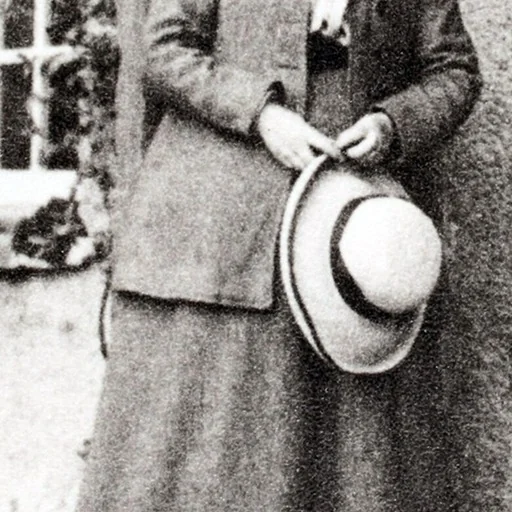
Helen Beatrix Heelis (née Potter; 28 July 1866 – 22 December 1943), usually known as Beatrix Potter ( BEE-ə-triks), was an English writer, illustrator, natural scientist, and conservationist.

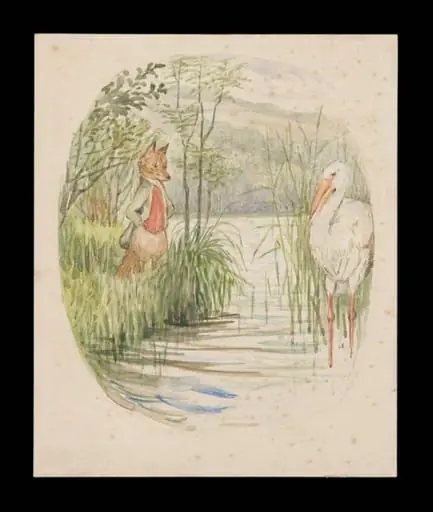 The fox looking over the stream at the stork
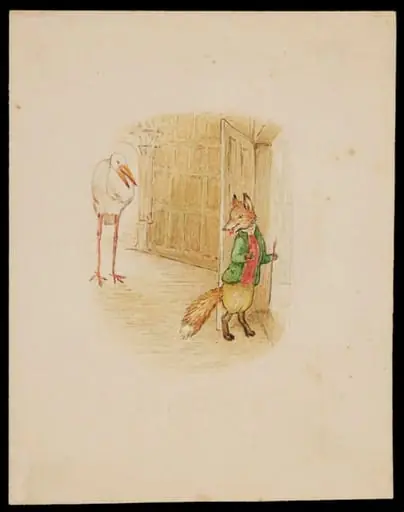 The fox taking leave of the stork
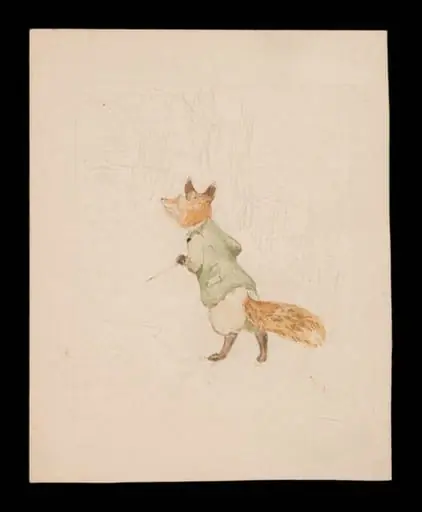 A fox walking through a wood
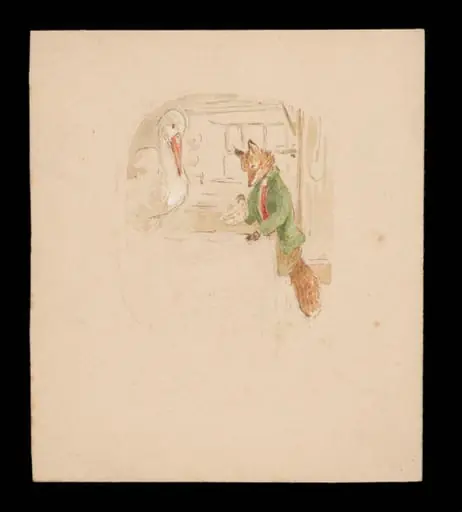 The fox pouring tea
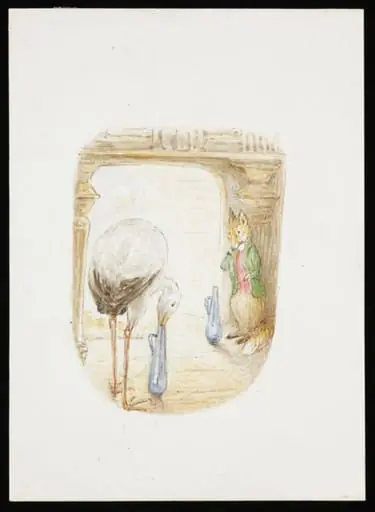 The fox watching the stork feeding from a narrow-necked jar
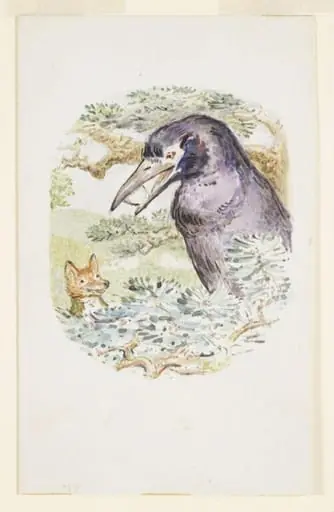 The Fox and the Crow
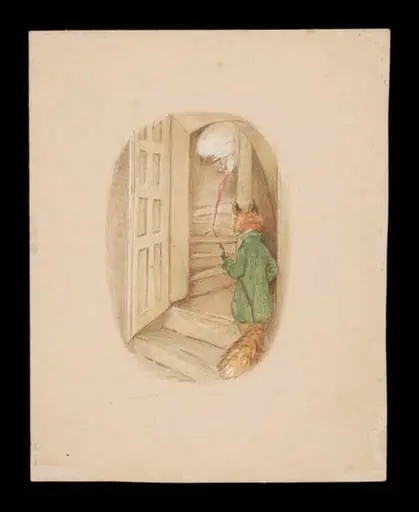 The fox following the stork up a staircase
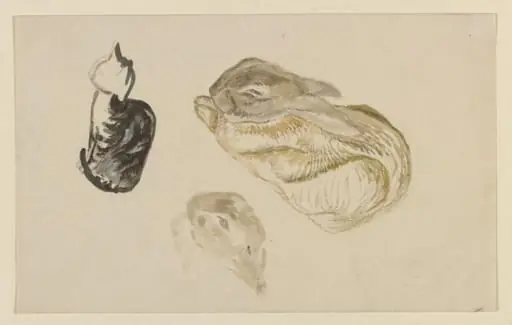 Studies of a rabbit and a cat
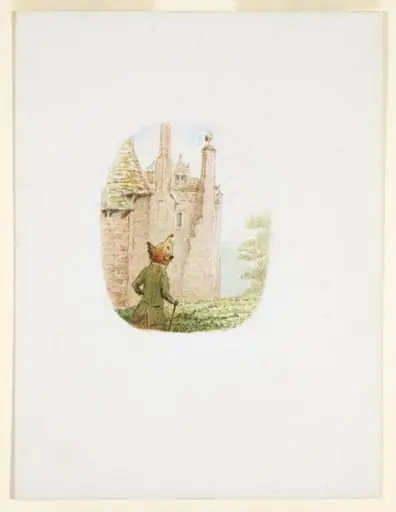 The fox looks up at the stork standing on top of a tower
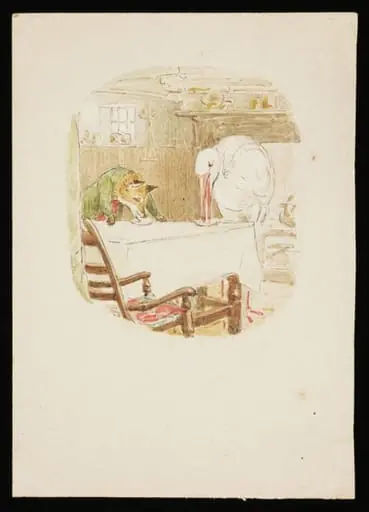 The fox and the stork eating a meal
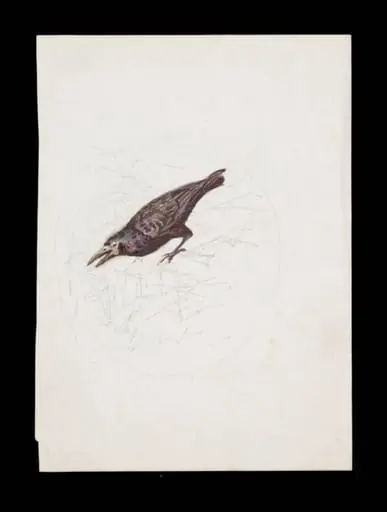 Study of a crow, with a faintly sketched background
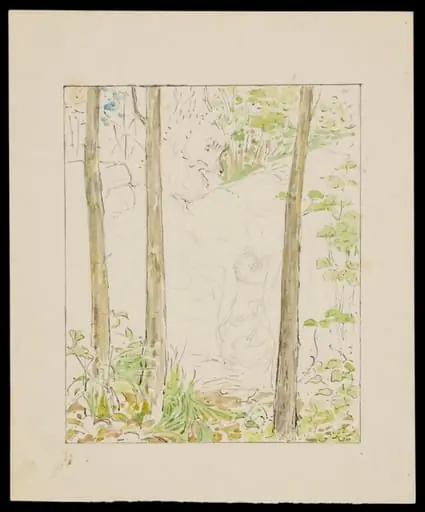 Untitled