Artwork
A path through a woodland in autumn
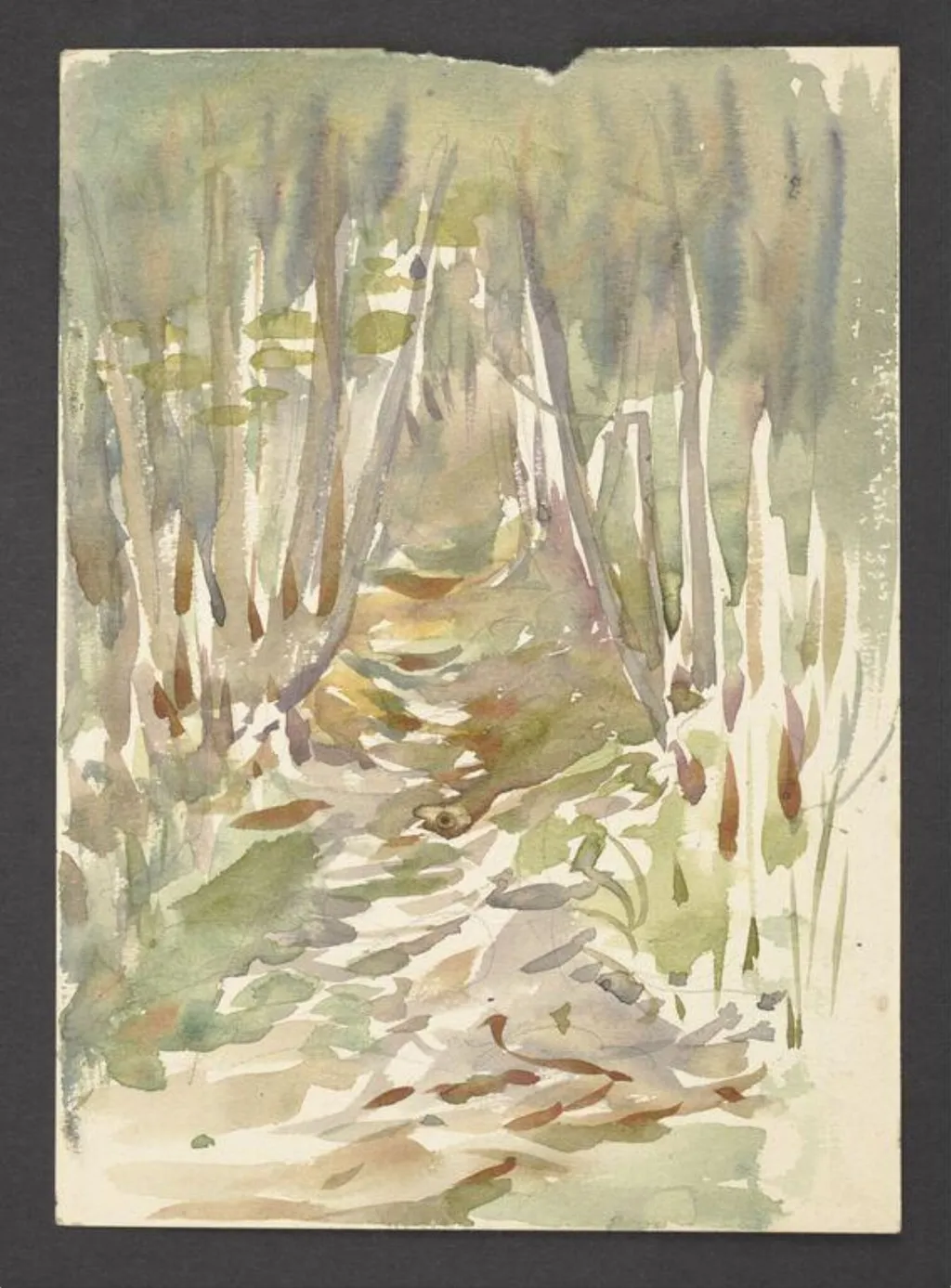
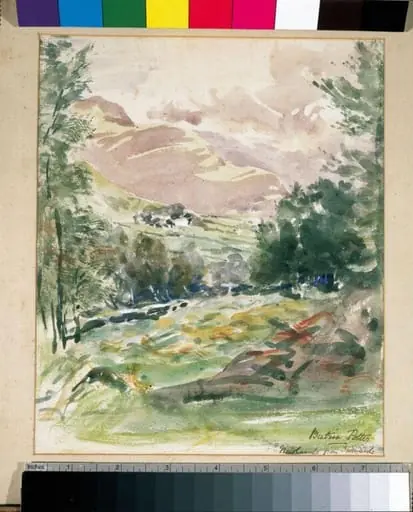
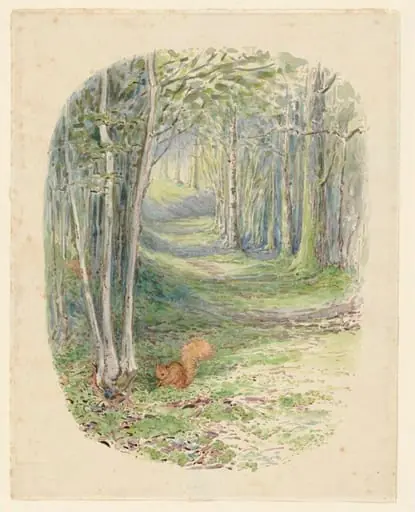
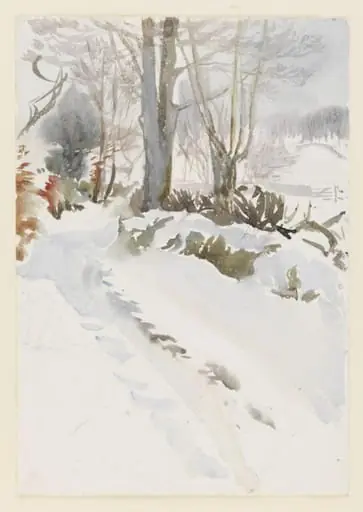
A path through a woodland in autumn is a watercolor work on paper by the Post-Impressionist artist Beatrix Potter. It dates from 1906 and is held in the collection of the Victoria and Albert Museum. Created between 1900 and 1913, this watercolour depicts a quiet woodland path in autumn.
About this work
She sketched landscapes in England, Scotland and Wales while traveling with her parents before marrying in 1913.
Beatrix Potter painted *A Path Through a Woodland in Autumn* around 1900–1913. It’s a loose watercolour sketch of a British woodland scene. The warm autumn colours suggest falling leaves with quick brush strokes.
She sketched landscapes in England, Scotland and Wales while traveling with her parents before marrying in 1913. This work shows her skill at capturing nature’s fleeting moments.
Look up more about Beatrix Potter.
Overview
Created between 1900 and 1913, this watercolour depicts a quiet woodland path in autumn. Executed in loose, rapid brushwork, the piece reflects Beatrix Potter’s habit of sketching natural landscapes during travels with her parents. Unlike her illustrated tales, this work is a private study, unbound by narrative or publication, revealing her direct engagement with the changing seasons.
Subject & Meaning
The scene captures a narrow trail winding through trees whose foliage is turning to gold, russet, and ochre. No figures or animals appear, emphasizing the quiet passage of time and the transient beauty of autumn. The absence of human presence suggests contemplation rather than storytelling, aligning with Potter’s personal interest in the subtle rhythms of the natural world.
Technique & Style
Potter employed a light, fluid watercolour technique, allowing pigments to bleed and blend on the paper to mimic the soft diffusion of autumn light. Quick, deliberate strokes suggest falling leaves without detailed rendering. The palette is restrained yet warm, avoiding saturation to preserve the delicate, ephemeral quality of the season as observed in the moment.
History & Provenance
The work was likely made during family excursions across England, Scotland, and Wales before Potter’s marriage in 1913. It remained in her personal collection, not intended for public display or reproduction. Its survival offers insight into her artistic practice outside of children’s publishing, reflecting years of quiet observation rather than commercial output.
Context
During this period, Potter was developing her skills as a naturalist and illustrator, closely studying flora and fauna. While her published tales drew from these observations, this sketch stands apart as a purely observational work. It aligns with late Victorian and Edwardian traditions of amateur landscape painting, where direct nature study was valued for its sincerity over formal technique.
Legacy
Though not widely exhibited, this watercolour contributes to understanding Potter’s broader artistic identity beyond her literary fame. It reveals a disciplined eye for seasonal change and a sensitivity to light and texture that informed her later illustrations. The piece remains a quiet testament to her lifelong habit of recording the natural world with precision and care.
Artist & collection
Artist
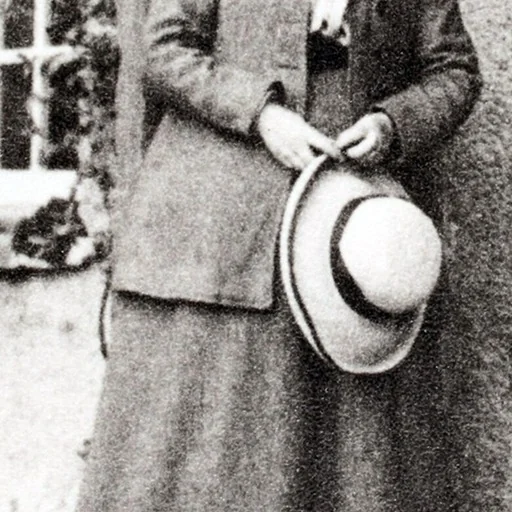
Helen Beatrix Heelis (née Potter; 28 July 1866 – 22 December 1943), usually known as Beatrix Potter ( BEE-ə-triks), was an English writer, illustrator, natural scientist, and conservationist.

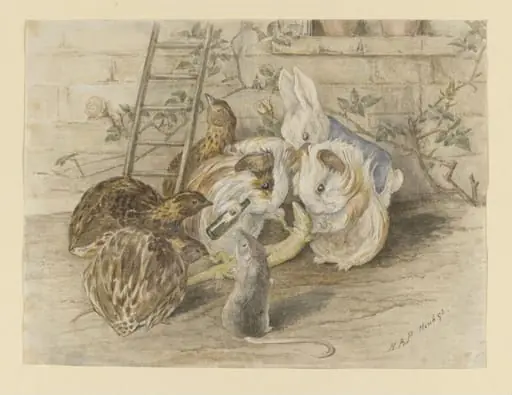
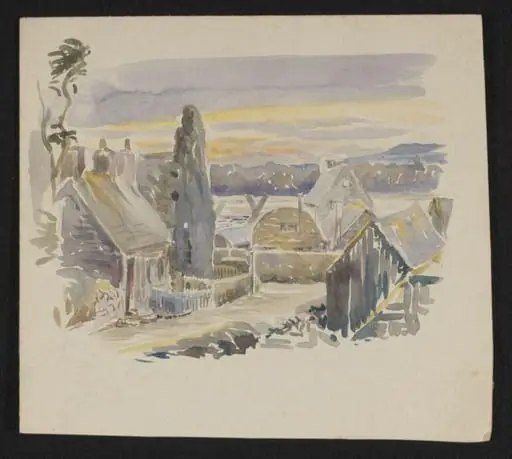
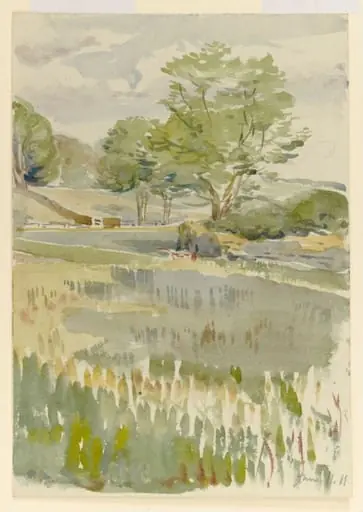 Untitled
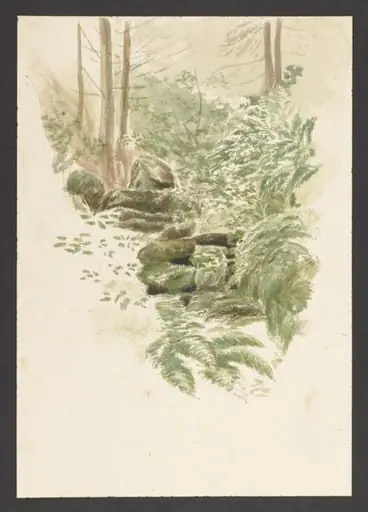 A stream running through a forest
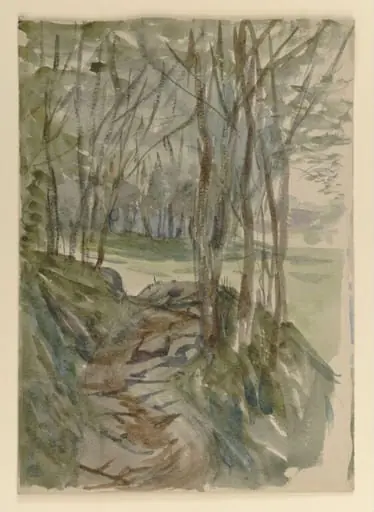 A path through woodland
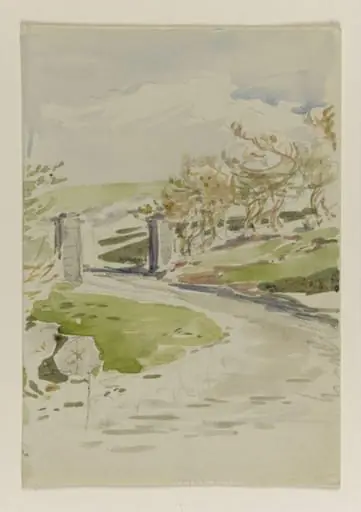 A pathway to moorland, passing through a stone gateway
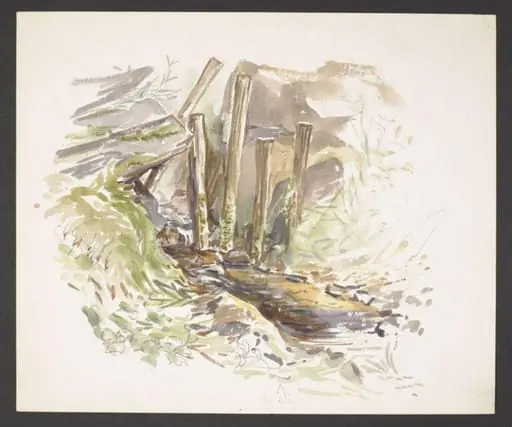 Study of a stream with wooden posts and boulders
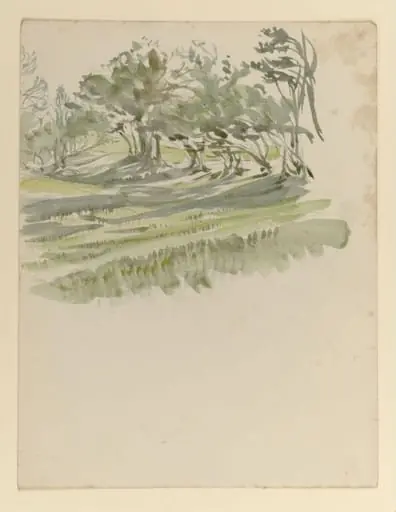 A meadow flanked by a line of trees
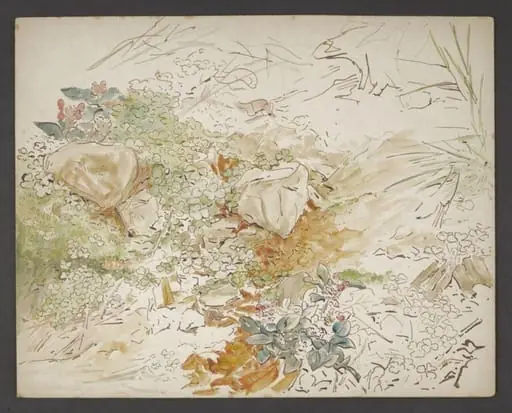 Study of a patch of ground with plants and rocks
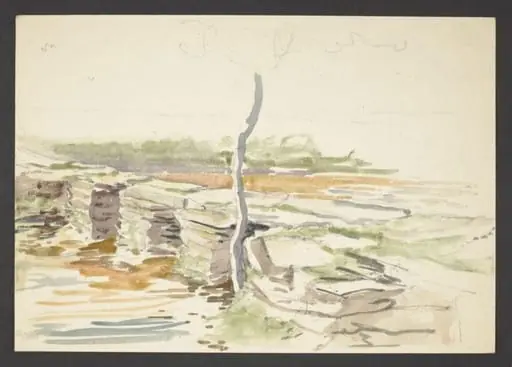 A river traversed by stone piles forming a bridge
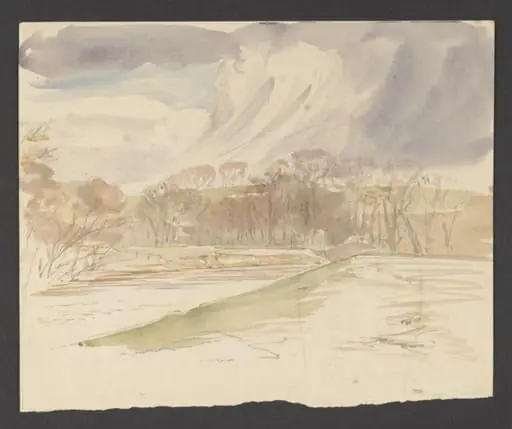 A lake and trees beneath a stormy sky
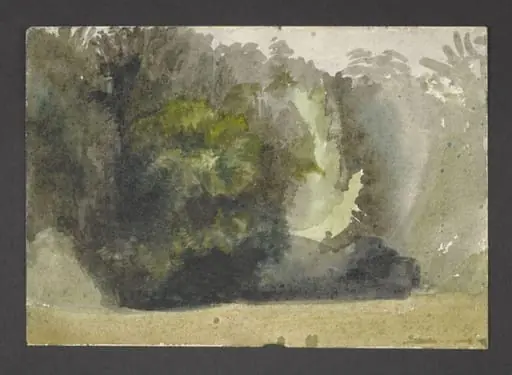 Study of a forest glade
 Cart track covered in snow, with fields beyond