Artwork
Studies for the Mayor's waistcoat
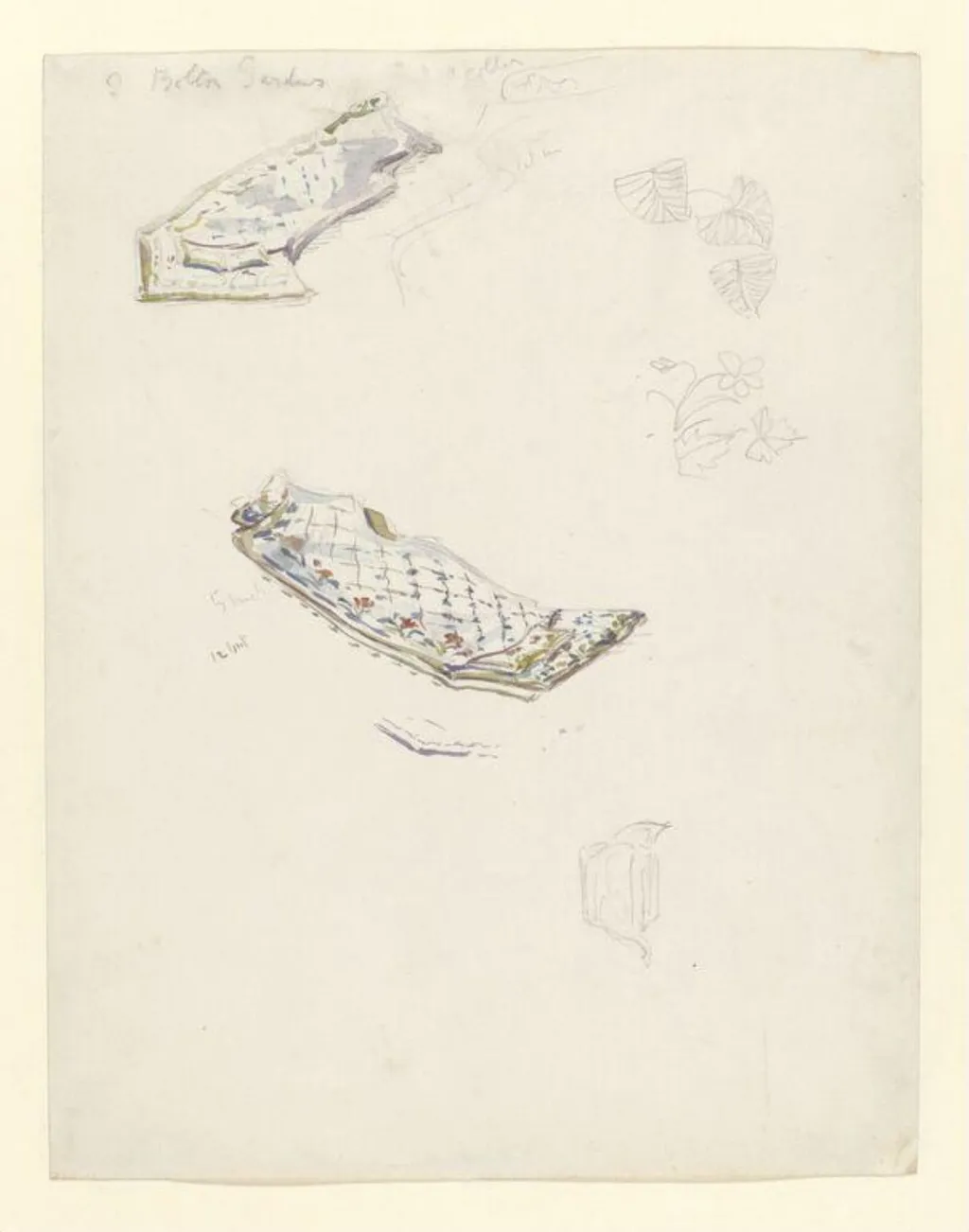
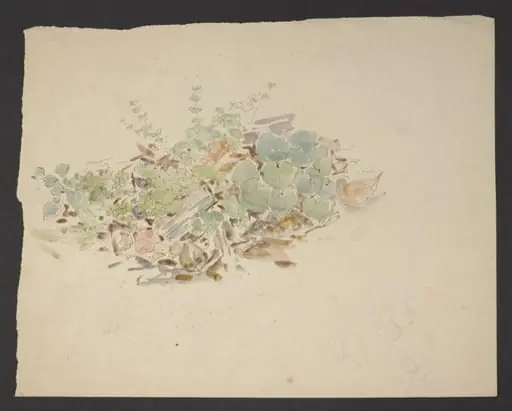
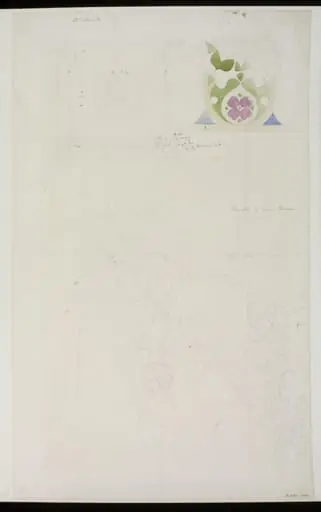
Studies for the Mayor's waistcoat is a watercolor work on paper by the Post-Impressionist artist Beatrix Potter. It dates from 1902 and is held in the collection of the Victoria and Albert Museum.
About this work
Potter visited a tailor’s shop in Chelsea to study period details like stitching and fabric.
Beatrix Potter painted *Studies for the Mayor's waistcoat* in 1902. It’s a delicate watercolour sketch. The piece shows how Potter planned patterns for a character’s clothing in her books.
She worked hard to make her stories feel real. Potter visited a tailor’s shop in Chelsea to study period details like stitching and fabric.
Check out more work by Beatrix Potter at the Victoria and Albert Museum.
Overview
Created in 1902, this watercolour study by Beatrix Potter was made as preparatory work for The Tailor of Gloucester. It captures the intricate embroidery pattern intended for the Mayor’s waistcoat, reflecting her commitment to historical accuracy. Unlike her other tales, this story is grounded in a precise 18th-century setting, prompting detailed visual research. The sketch is one of many such studies Potter produced to ensure authenticity in her illustrations.
Subject & Meaning
The waistcoat depicted is not merely decorative but serves as a narrative anchor, grounding the fairy-tale in a tangible historical world. Potter’s focus on the garment’s embroidery reflects her interest in the material culture of the 1735–1785 period. The pattern, rendered with care, signals the Mayor’s status and the tailor’s skill, reinforcing themes of craftsmanship and quiet perseverance central to the story.
Technique & Style
Executed in delicate watercolour, the study combines precision with softness, allowing subtle gradations of colour to suggest fabric texture and thread detail. Potter’s brushwork is restrained yet deliberate, capturing the complexity of embroidery without overstatement. Her method prioritized observation over imagination, translating real-world references into stylized yet believable forms suitable for book illustration.
History & Provenance
The study was made during Potter’s intensive research for The Tailor of Gloucester, which she began privately printing in 1902. She consulted 18th-century garments at the South Kensington Museum (now the V&A), securing permission to examine them outside their cases. This sketch, along with others, formed part of her working archive, later preserved by her family and eventually donated to the V&A.
Context
In early 20th-century Britain, children’s literature was increasingly expected to reflect historical realism. Potter’s attention to period dress aligned with broader cultural interests in heritage and material history. Her visits to tailors and museums were unusual for illustrators of her time, distinguishing her work through scholarly rigor rather than fantasy alone.
Legacy
These preparatory studies reveal Potter’s method as that of a meticulous documentarian as much as a storyteller. They remain valuable for understanding how she bridged fiction and historical fact. Today, they are held in the V&A’s collection as key artifacts of early 20th-century illustration practice and the evolution of children’s book art.
Artist & collection
Artist
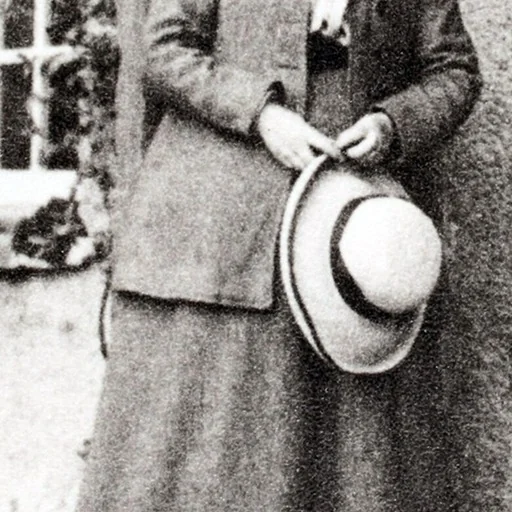
Helen Beatrix Heelis (née Potter; 28 July 1866 – 22 December 1943), usually known as Beatrix Potter ( BEE-ə-triks), was an English writer, illustrator, natural scientist, and conservationist.