Artwork
Studies of hart's-tongue fern
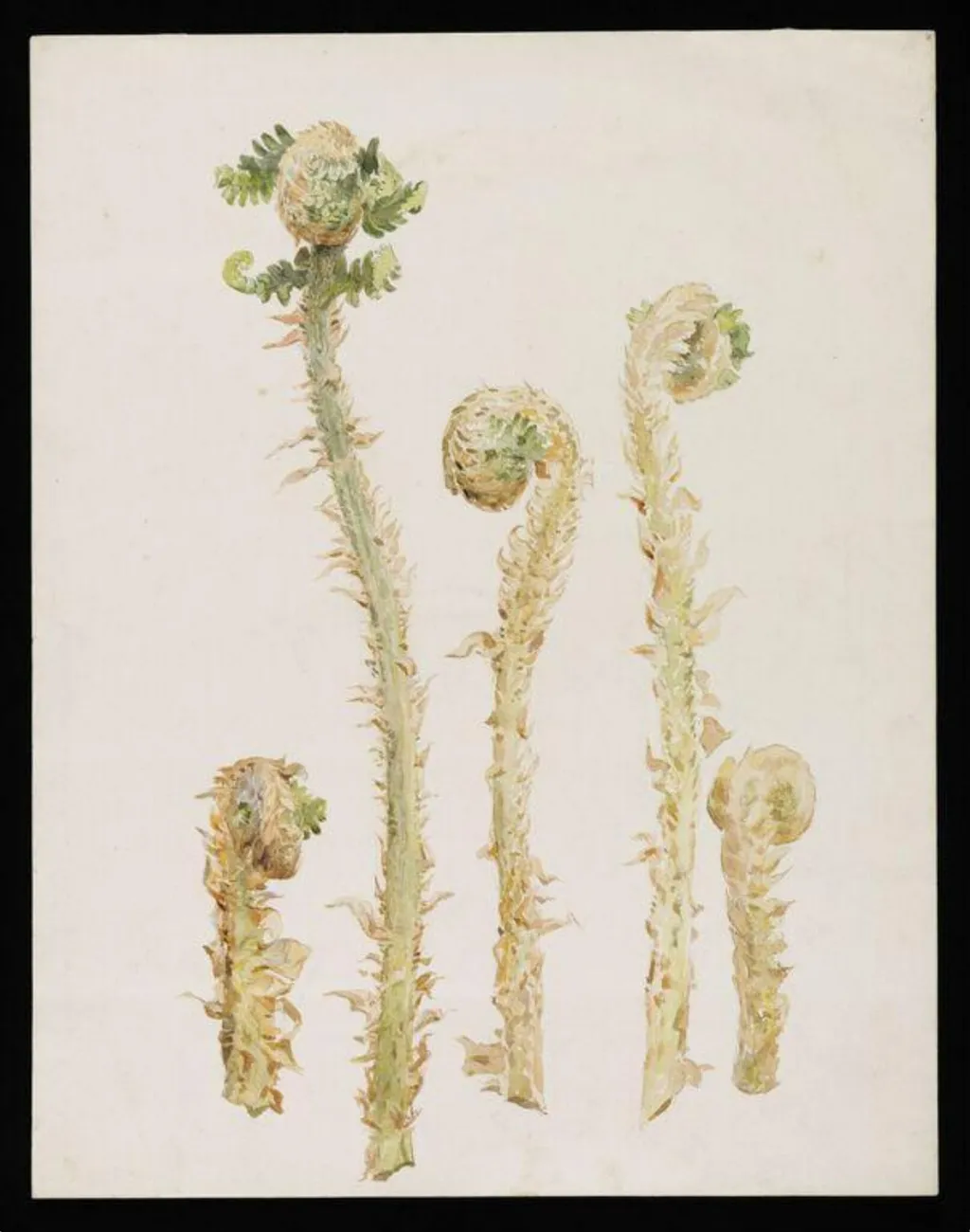
Studies of hart's-tongue fern is a watercolor work on paper by the Post-Impressionist artist Beatrix Potter. It dates from 1901 and is held in the collection of the Victoria and Albert Museum.
About this work
Beatrix Potter painted detailed watercolours of plants and ferns. This sheet shows hart’s-tongue fern studies from May 1901. She kept a sharp eye on nature, even before her famous Peter Rabbit tales.
She liked drawing ferns and other small plants in great detail. This kind of careful study helped her understand how plants grow.
Look up the Victoria and Albert Museum next.
Overview
This watercolour sheet, dated May 1901, contains detailed botanical studies of the hart’s-tongue fern by Beatrix Potter. Created before the publication of her most famous children’s books, the work reflects her deep engagement with natural science. Potter produced numerous such studies as part of a personal commitment to observing and recording plant life with precision.
Subject & Meaning
The hart’s-tongue fern, known for its elongated, undulating fronds, was one of many native plants Potter meticulously documented. Her focus on this species reveals an interest in botanical accuracy rather than decorative representation. These studies were not merely artistic exercises but served as records of form and growth, reflecting her scientific curiosity and attention to detail.
Technique & Style
Potter employed fine brushwork and layered watercolour washes to capture the delicate veins and texture of the fern’s fronds. Her technique emphasizes clarity and observation over expression, with minimal background and no embellishment. The precision of line and tone suggests a methodical approach, aligned with the conventions of 19th-century botanical illustration.
History & Provenance
Created in 1901, this sheet belongs to a larger body of botanical work Potter produced between 1890 and 1905. Many of these studies were later donated to institutions, including the Victoria and Albert Museum, which holds a significant collection of her scientific drawings. The piece remained in her personal archive until its eventual transfer to public collections.
Context
During this period, Potter was actively involved with the mycological community and corresponded with leading botanists. Her fern studies were made at a time when women’s contributions to natural science were often marginalized. Though she would soon gain fame as an author, her botanical work was pursued with scholarly seriousness, independent of her literary career.
Legacy
Potter’s botanical drawings are now recognized as valuable contributions to the history of scientific illustration. They demonstrate her ability to merge artistic skill with empirical observation. While her children’s books brought her lasting fame, her plant studies continue to be studied for their accuracy and quiet dedication to the natural world.
Artist & collection
Artist
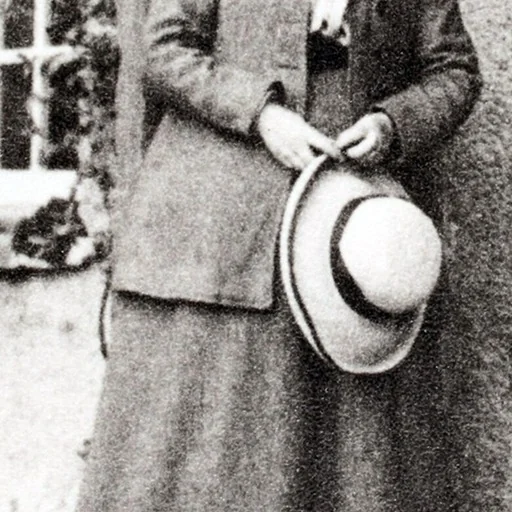
Helen Beatrix Heelis (née Potter; 28 July 1866 – 22 December 1943), usually known as Beatrix Potter ( BEE-ə-triks), was an English writer, illustrator, natural scientist, and conservationist.

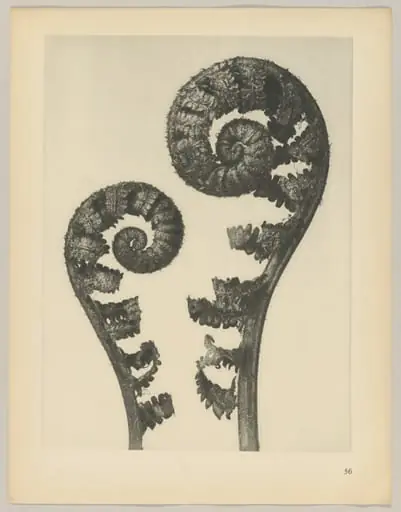 Aspidium filix mas
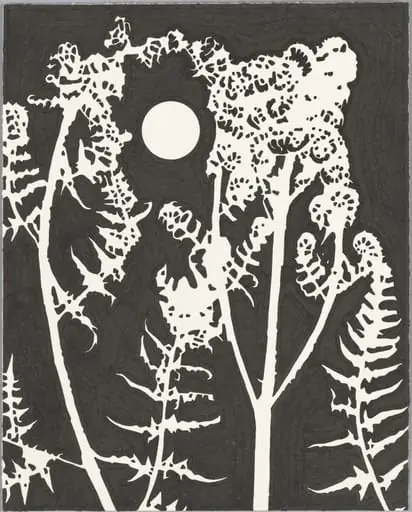 Untitled
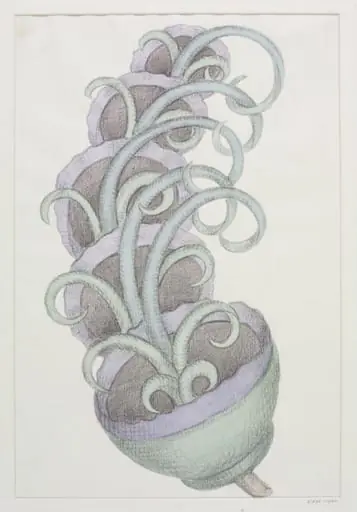 Untitled
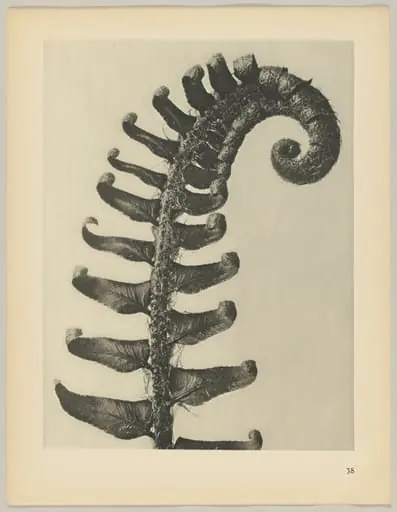 Poltstichum munitum
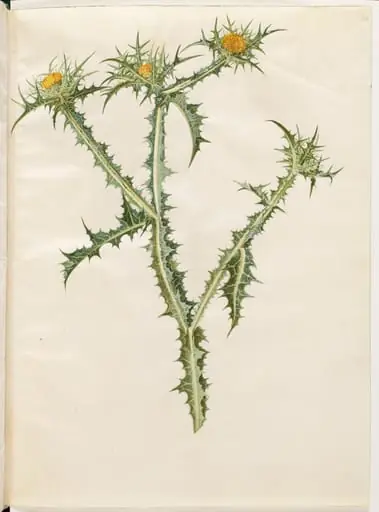 Scolymus hispanicus (spansk guldtidsel)
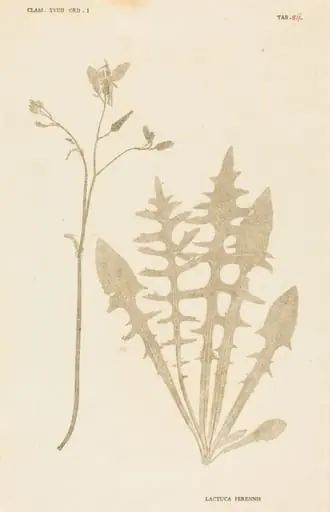 Lactuca Perennis
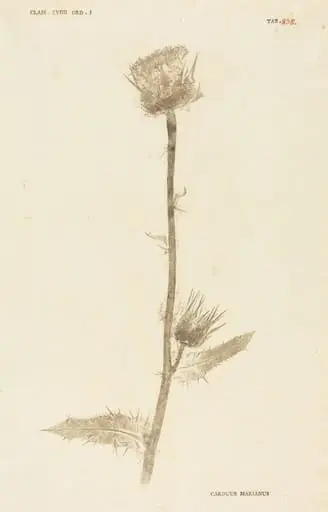 Carduus Maarianus
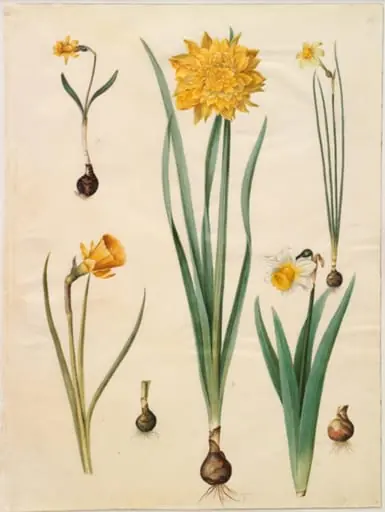 Narcissus pseudonarcissus minor; Narcissus pseudonarcissus (påskelilje); Narcissus ×tenuior; Narcissus bulbocodium (krinoline-narcis); Narcissus pseudonarcissus bicolor (tofarvet påskelilje)
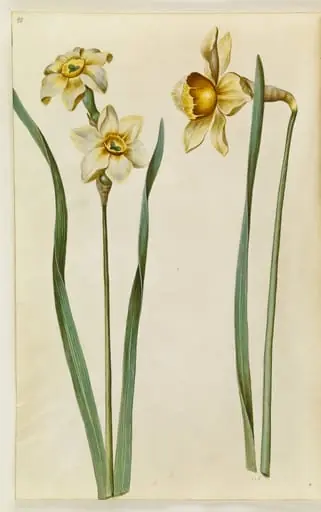 Narcissus ×medioluteus (toblomstret narcis); Narcissus ×incomparabilis (have-narcis)
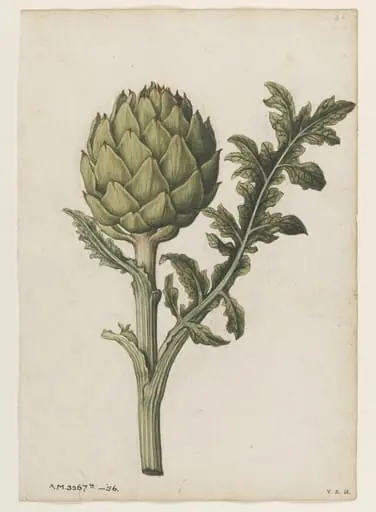 Globe artichoke