Artwork
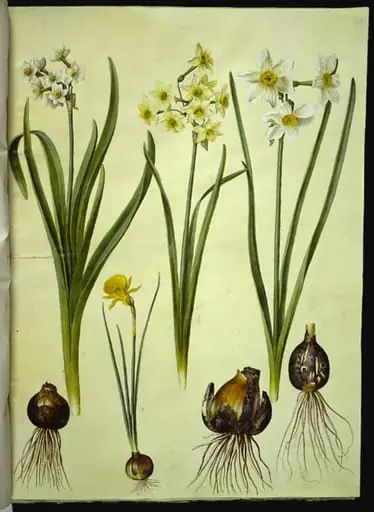
Narcissus ×medioluteus (toblomstret narcis); Narcissus ×incomparabilis (have-narcis)
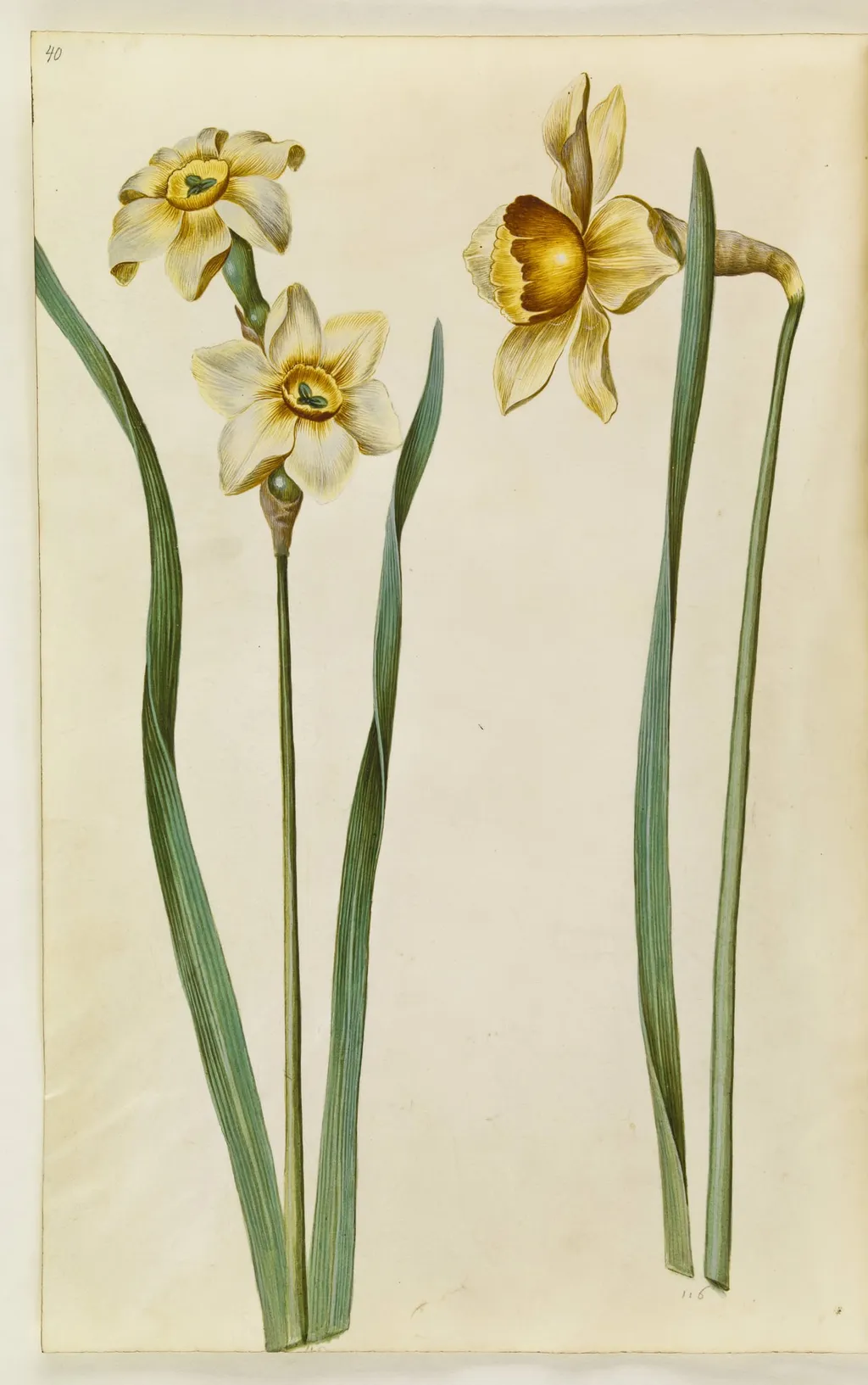
Narcissus ×medioluteus (toblomstret narcis); Narcissus ×incomparabilis (have-narcis) is an unspecified work on paper by Unknown. It dates from 1650 and is held in the collection of the Statens Museum for Kunst. This watercolor depicts two hybrid narcissus varieties, Narcissus ×medioluteus and Narcissus ×incomparabilis, painted around 1650.
About this work
Overview
This watercolor depicts two hybrid narcissus varieties, Narcissus ×medioluteus and Narcissus ×incomparabilis, painted around 1650.
This watercolor depicts two hybrid narcissus varieties, Narcissus ×medioluteus and Narcissus ×incomparabilis, painted around 1650. The work is attributed to an anonymous artist, identified only by a catalog number. It resides in the Museum of Ethnography, where it is preserved as part of a botanical collection rather than a fine art portfolio. The composition emphasizes scientific observation over decorative intent.
Subject & Meaning
The painting presents three flowering stems with pale yellow petals and vivid orange coronas, rendered with botanical precision. These hybrids were cultivated in early modern Europe for their unusual beauty and rarity. The absence of context or symbolism suggests the image served as a record of horticultural novelty, reflecting the period’s growing interest in classifying and documenting plant varieties.
Technique & Style
The artist employed watercolor with glazing techniques, applying thin, translucent layers to achieve subtle gradations of color. Delicate brushwork captures the thinness of petals and the curve of leaves, while the light, unadorned background isolates the plants for clear study. The method prioritizes accuracy and texture over dramatic effect, aligning with the conventions of scientific illustration of the time.
History & Provenance
Created circa 1650, the painting entered the Museum of Ethnography’s collection as part of a broader assemblage of natural history materials. Its origin is undocumented beyond the artist’s catalog number, suggesting it was likely produced for private or academic use rather than public display. The work’s survival reflects its value as a specimen of early botanical documentation.
Context
In mid-17th-century Europe, narcissus hybrids were prized in aristocratic gardens and studied by botanists. This painting emerged during a surge in plant collecting and classification, fueled by global exploration and the rise of scientific societies. Such images functioned as visual archives, aiding in the identification and dissemination of new cultivars before photography existed.
Legacy
Though unsigned and unattributed to a known artist, the work remains a quiet testament to early scientific illustration. It contributes to the historical record of horticultural exchange and the transition from ornamental gardening to systematic botany. Today, it serves as a reference for understanding how plant forms were visually documented before modern imaging techniques.
Artist & collection

 Domestic Scene
 Giacomo and Cardinal Marco, investing Andrea, Abbot of San Zeno, with his Benefice
 The Nymph of Fontainebleau
 Portrait of a Woman
 Madonna and Child with Saints in the Enclosed Garden
 Venus and Minerva
 Family Group of Four on Sofa
 Wall painting from Room H of the Villa of P. Fannius Synistor at Boscoreale
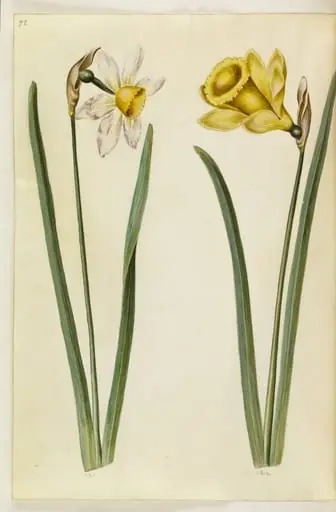 Narcissus ×incomparabilis (have-narcis); Narcissus pseudonarcissus (påskelilje)
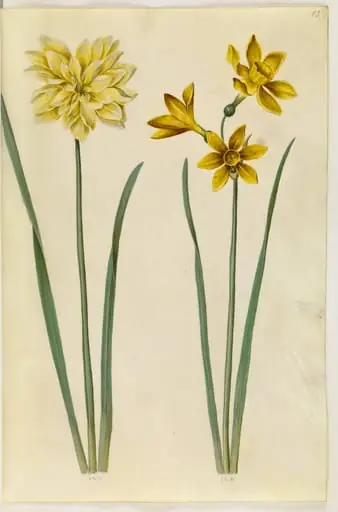 Narcissus pseudonarcissus (påskelilje); Narcissus tazetta aureus (guld-tazet)
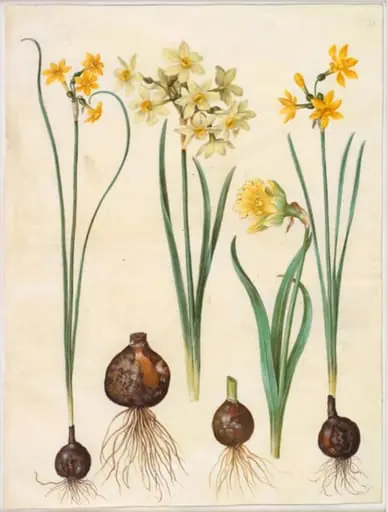 Narcissus jonquilla (siv-narcis); Narcissus tazetta aureus (guld-tazet); Narcissus pseudonarcissus bicolor (tofarvet påskelilje)
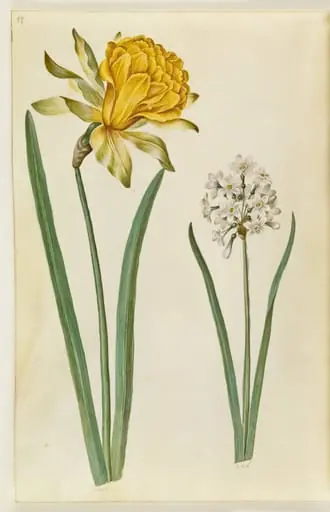 Narcissus pseudonarcissus (påskelilje); Narcissus tazetta (tazet)
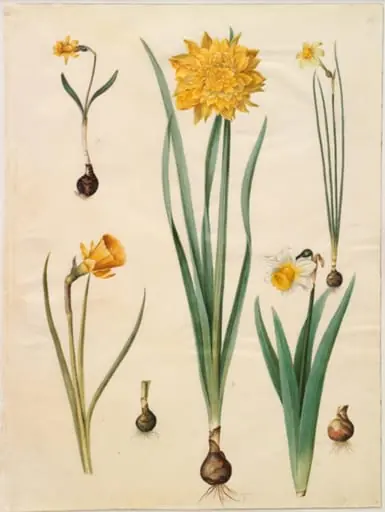 Narcissus pseudonarcissus minor; Narcissus pseudonarcissus (påskelilje); Narcissus ×tenuior; Narcissus bulbocodium (krinoline-narcis); Narcissus pseudonarcissus bicolor (tofarvet påskelilje)
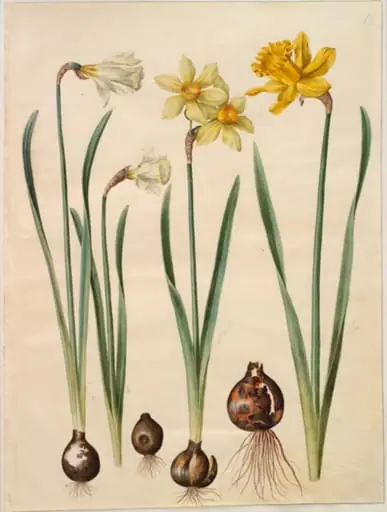 Narcissus pseudonarcissus moschatus (moskus-narcis); Narcissus ×medioluteus (toblomstret narcis); Narcissus pseudonarcissus major (stor påskelilje)
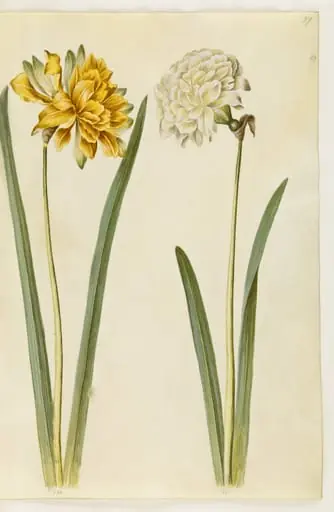 Narcissus pseudonarcissus (påskelilje)
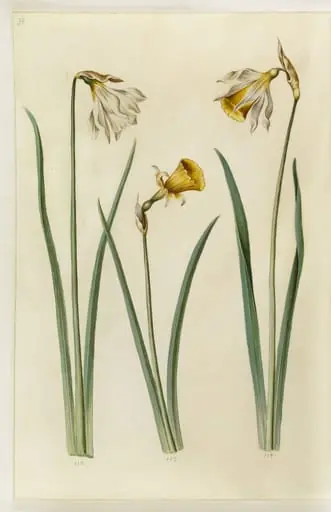 Narcissus pseudonarcissus moschatus (moskus-narcis); Narcissus bulbocodium (krinoline-narcis); Narcissus pseudonarcissus (påskelilje)
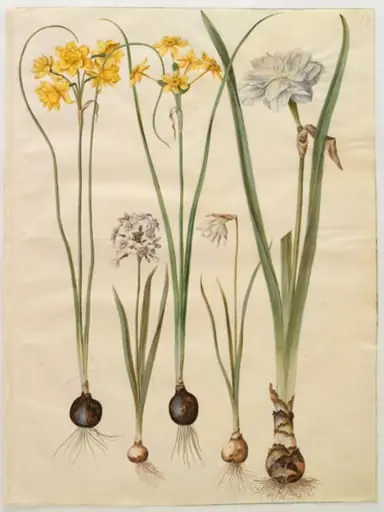 Narcissus jonquilla (siv-narcis); Narcissus tazetta (tazet); Narcissus pseudonarcissus moschatus (moskus-narcis); Narcissus poeticus (pinselilje)
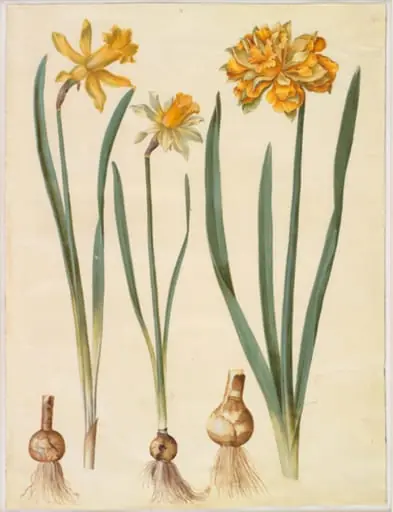 Narcissus pseudonarcissus major (stor påskelilje); Narcissus pseudonarcissus bicolor (tofarvet påskelilje); Narcissus pseudonarcissus
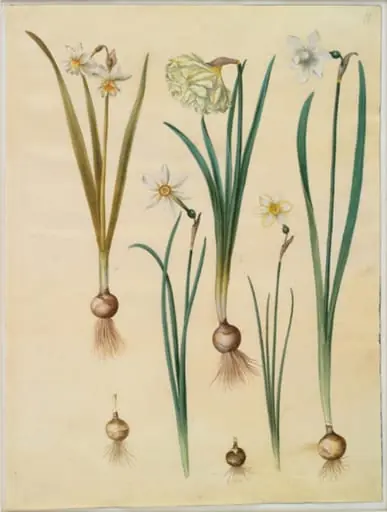 Narcissus ×medioluteus (toblomstret narcis); Narcissus pseudonarcissus; Narcissus (narcis); Narcissus poeticus (pinselilje); Narcissus ×tenuior
 Narcissus tazetta (tazet); Narcissus ×medioluteus (toblomstret narcis); Narcissus bulbocodium (krinoline-narcis)