Artwork
H Beard Print Collection
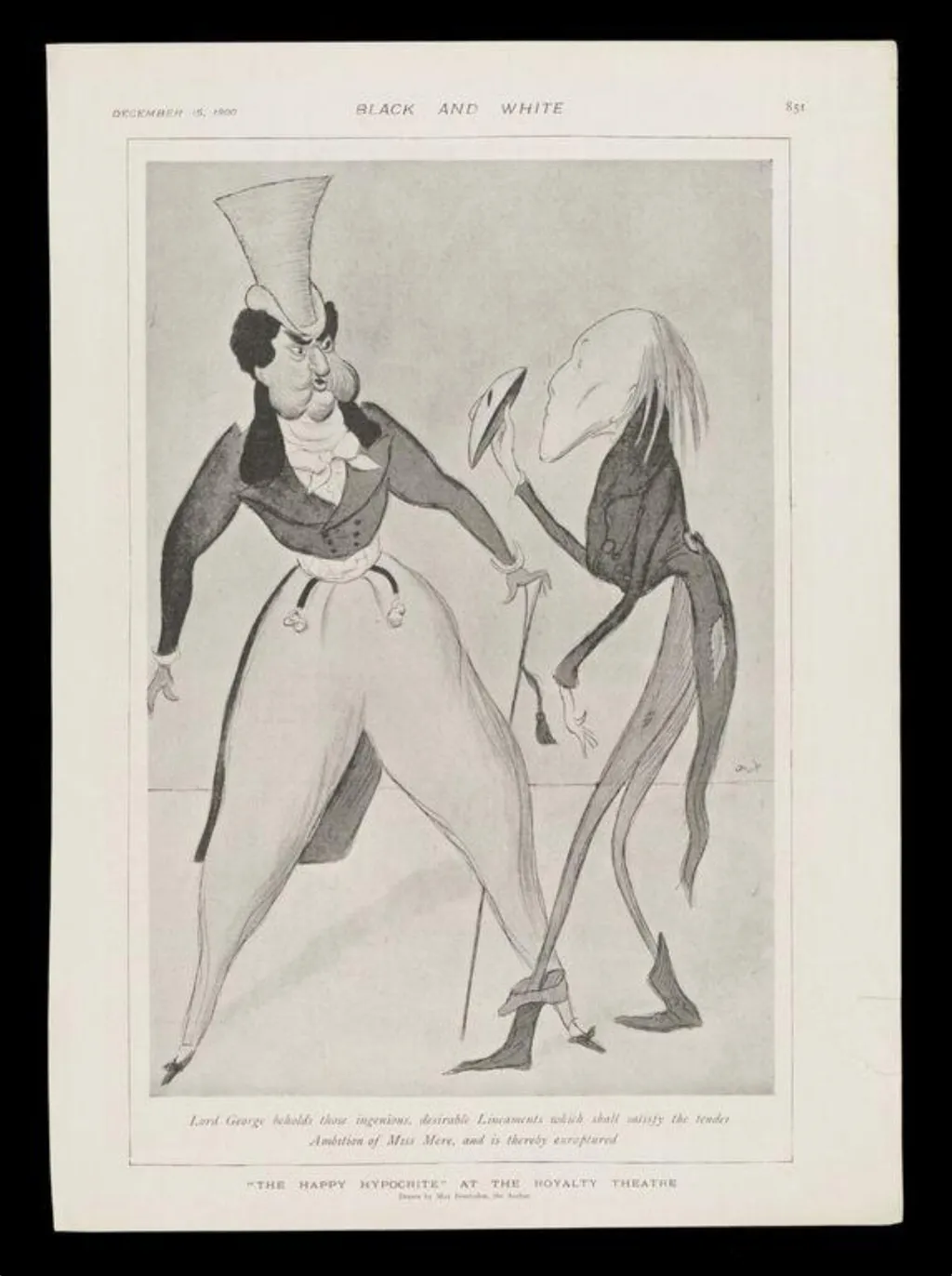
H Beard Print Collection is a print by Max Beerbohm. It dates from 15 and is held in the collection of the Victoria and Albert Museum.
About this work
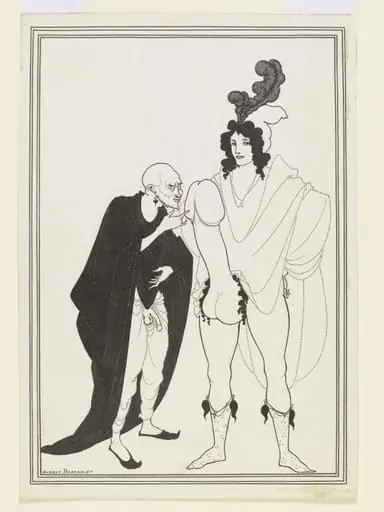
This print shows actors Frank Mills and George Arliss in a play called *The Happy Hypocrite*. It was made by Max Beerbohm to mark a London stage performance in 1900. The piece was published in *Black and White* magazine.
On the back you’ll find an article about the new mosque in Khartoum—two separate images on one sheet.
Look up the Victoria and Albert Museum next.
Overview
The image was published in the illustrated weekly *Black and White*.
This printed sheet features a theatrical portrait of actors Frank Mills and George Arliss in character for the 1900 London production of *The Happy Hypocrite*, adapted from Max Beerbohm’s novella. The image was published in the illustrated weekly *Black and White*. The reverse side carries a separate illustrated article on the opening of the new mosque in Khartoum, making the sheet a dual-purpose artifact combining stage culture and colonial reporting.
Subject & Meaning
The print captures Mills and Arliss in their roles from Beerbohm’s satirical play, which critiques social pretense through a protagonist who feigns piety. The portrayal emphasizes theatricality and irony, aligning with Beerbohm’s wit. The juxtaposition with a report on Khartoum’s mosque introduces a contrast between Western theatrical satire and imperial ceremonialism, reflecting the magazine’s eclectic editorial scope.
Technique & Style
The portrait is rendered in pen-and-ink with subtle tonal shading, characteristic of Beerbohm’s precise, elegant draftsmanship. His line work conveys costume and posture with minimal detail, focusing on expressive gesture and facial nuance. The print’s monochrome palette suits the aesthetic of *Black and White* magazine, where illustration often prioritized clarity and immediacy over color.
History & Provenance
Produced in 1900 for *Black and White*, the print was part of a broader trend of illustrated theatre coverage in periodicals. The dual-sided format suggests cost-efficient use of paper and reflects the magazine’s practice of combining entertainment and current affairs. The sheet likely circulated among middle-class readers interested in both culture and empire. It is now held in the H. Beard Print Collection at the Victoria and Albert Museum.
Context
In 1900, London’s theatre scene thrived amid imperial expansion, and publications like *Black and White* catered to audiences seeking both cultural commentary and global news. Beerbohm’s involvement in theatre illustration linked literary satire with visual art. The inclusion of Khartoum’s mosque—recently completed after British reoccupation—underscores how colonial events were framed as milestones in British media.
Legacy
The print survives as a record of early 20th-century theatrical illustration and the intersection of print media with imperial narratives. Beerbohm’s drawings remain valued for their wit and economy of line. The dual-sided format offers insight into how periodicals curated diverse content for a single readership, preserving a snapshot of Edwardian cultural priorities beyond the stage.
Artist & collection
Artist
Max Beerbohm made dry, witty prints and watercolors that skewered British manners at the turn of the 20th century.

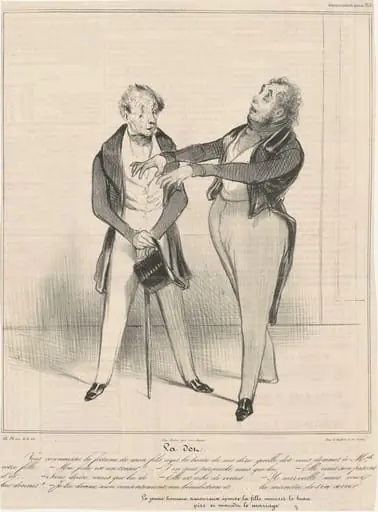 La Dot...vous connaissez la fortune...
 The Examination of the Herald
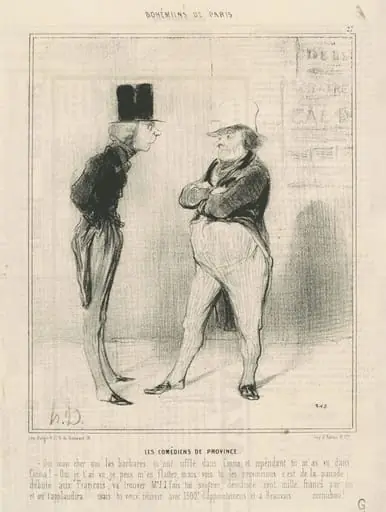 Les comédiens de province
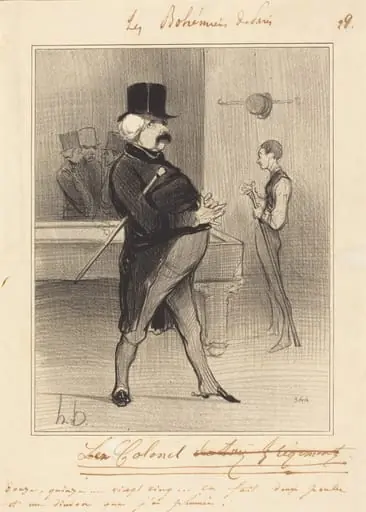 L'Ex-Colonel
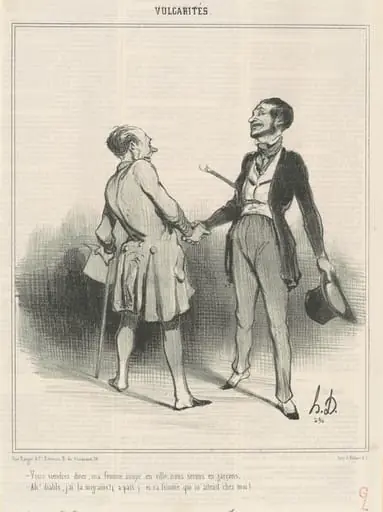 Vous viendrez diner, ma femme soupe en ville ...
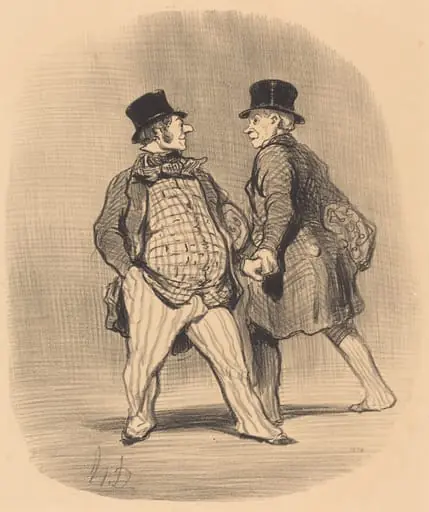 Confrère, méfiez-vous du petit baron...
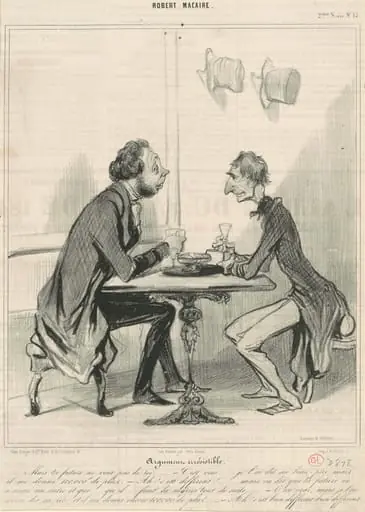 Argument irrésistible
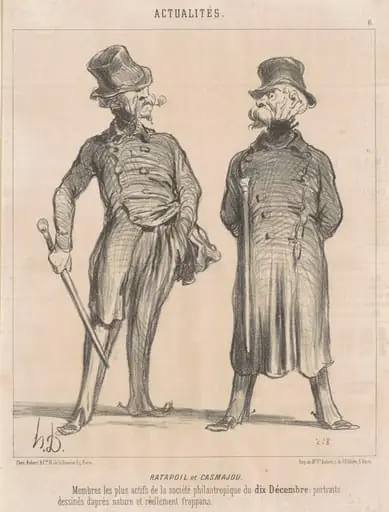 Ratapoil et Casmajou
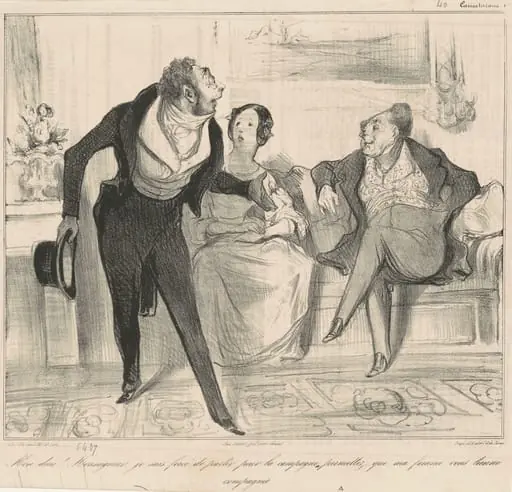 Mon Dieu! Monseigneur, je suis...
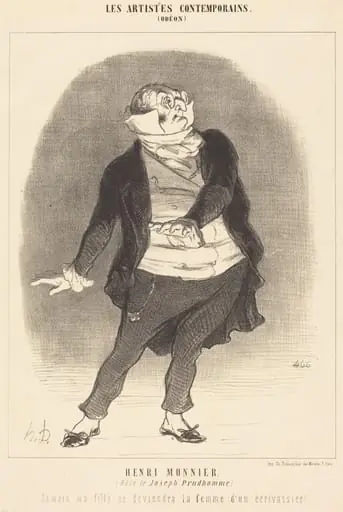 Henri Monnier (Rôle de Joseph Prudhomme)
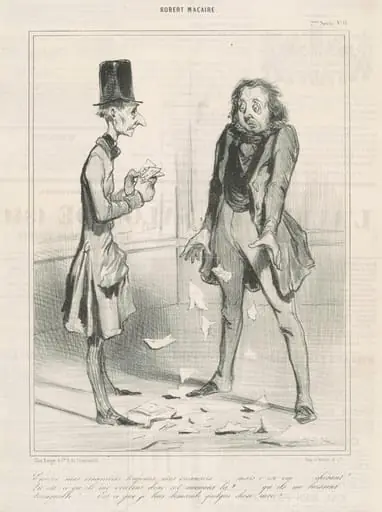 Encore mes créanciers, toujours ...
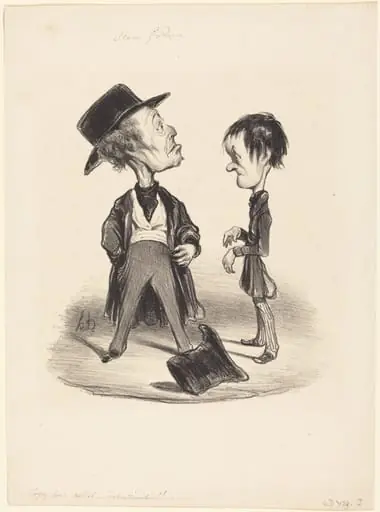 Soyez donc poli... i...