Artwork
The Alchemist
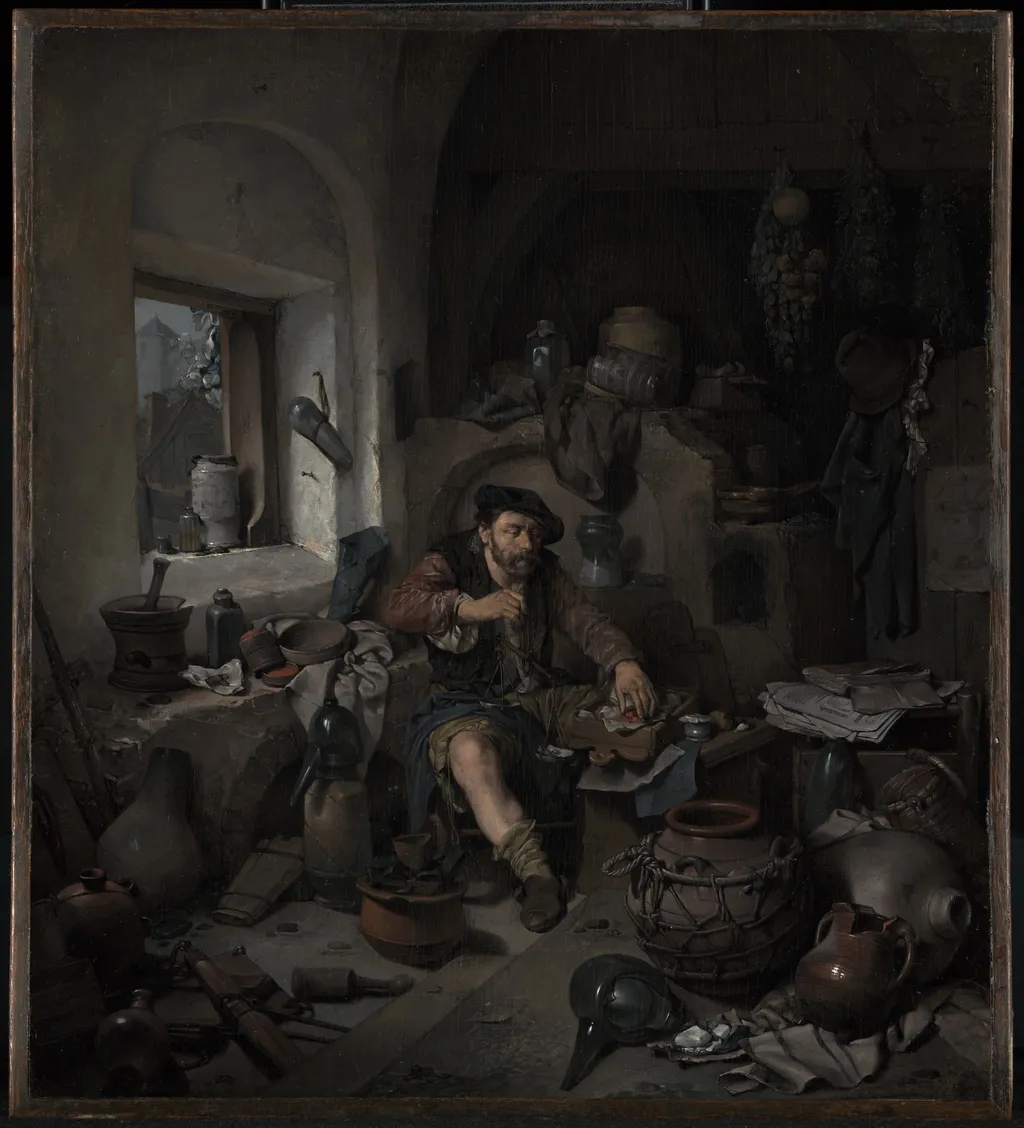
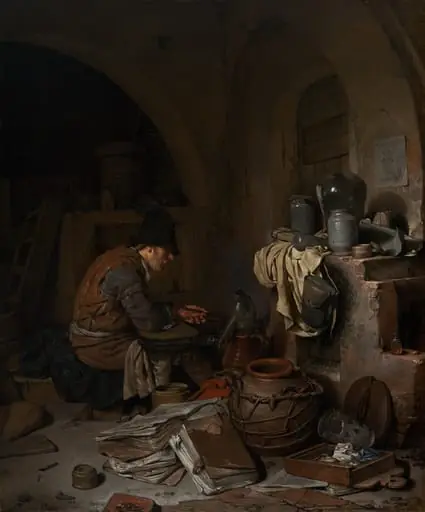
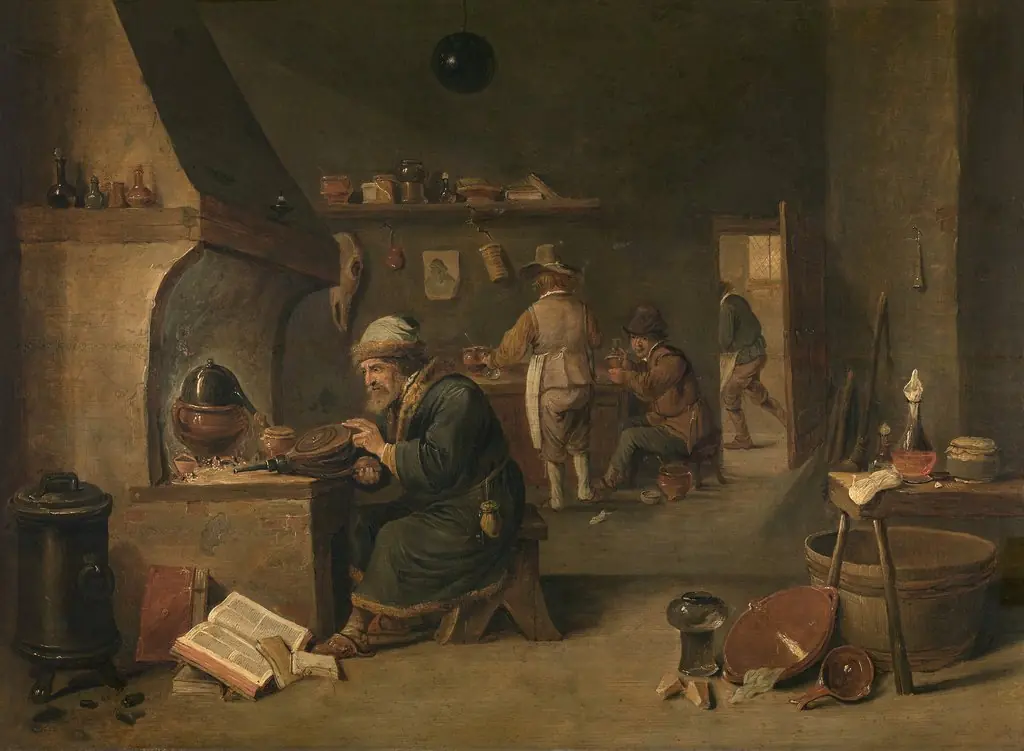
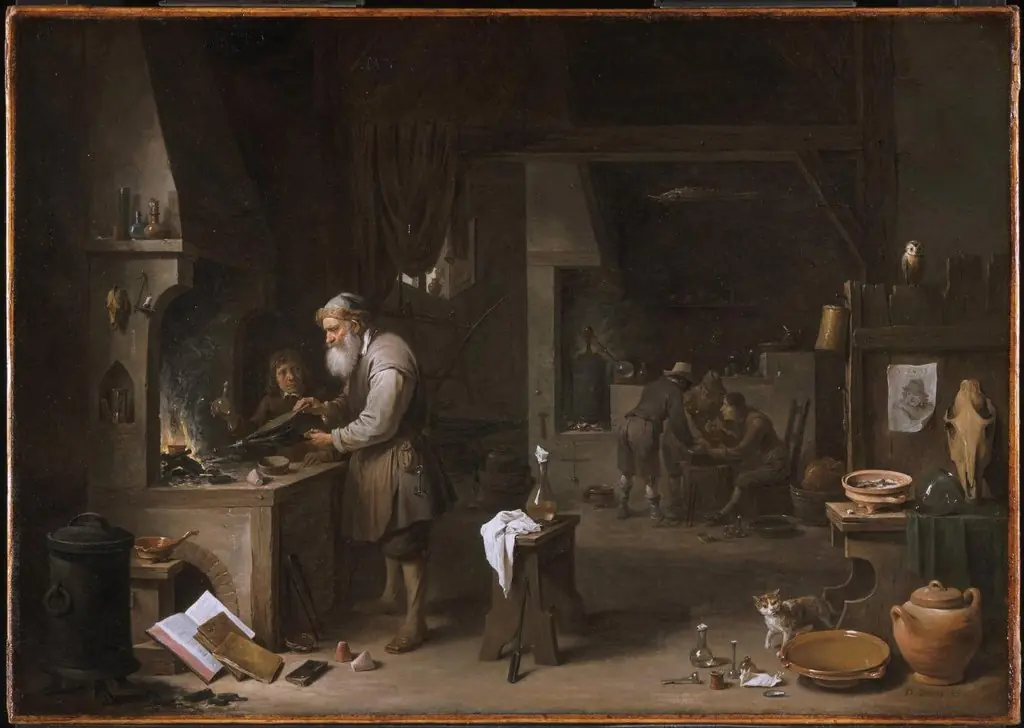
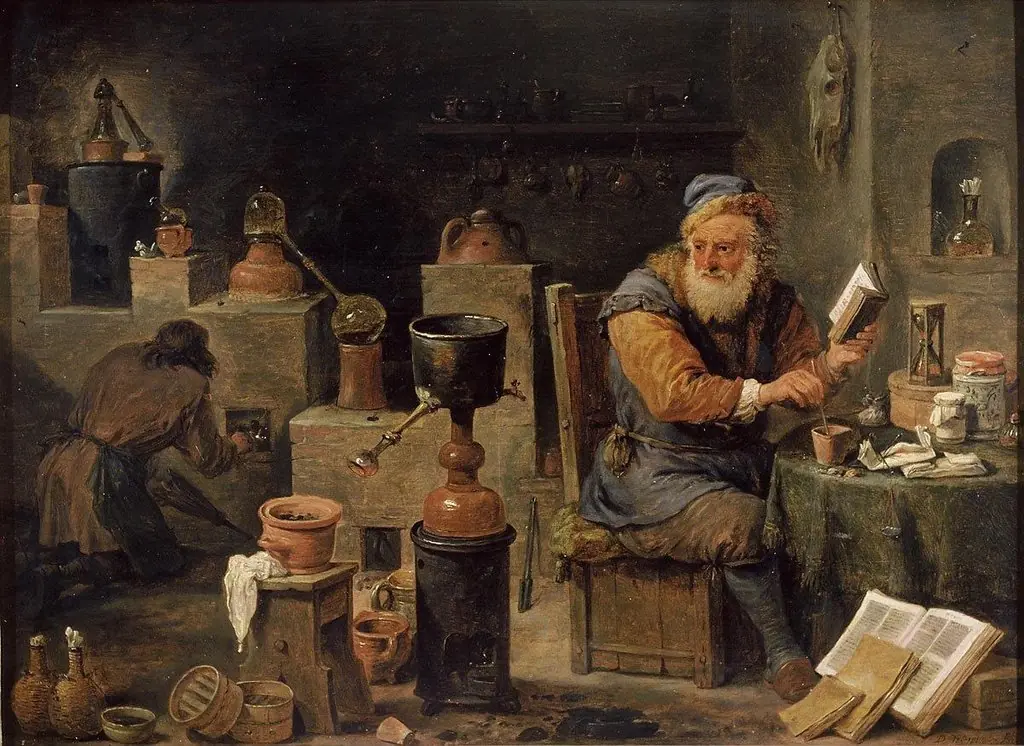
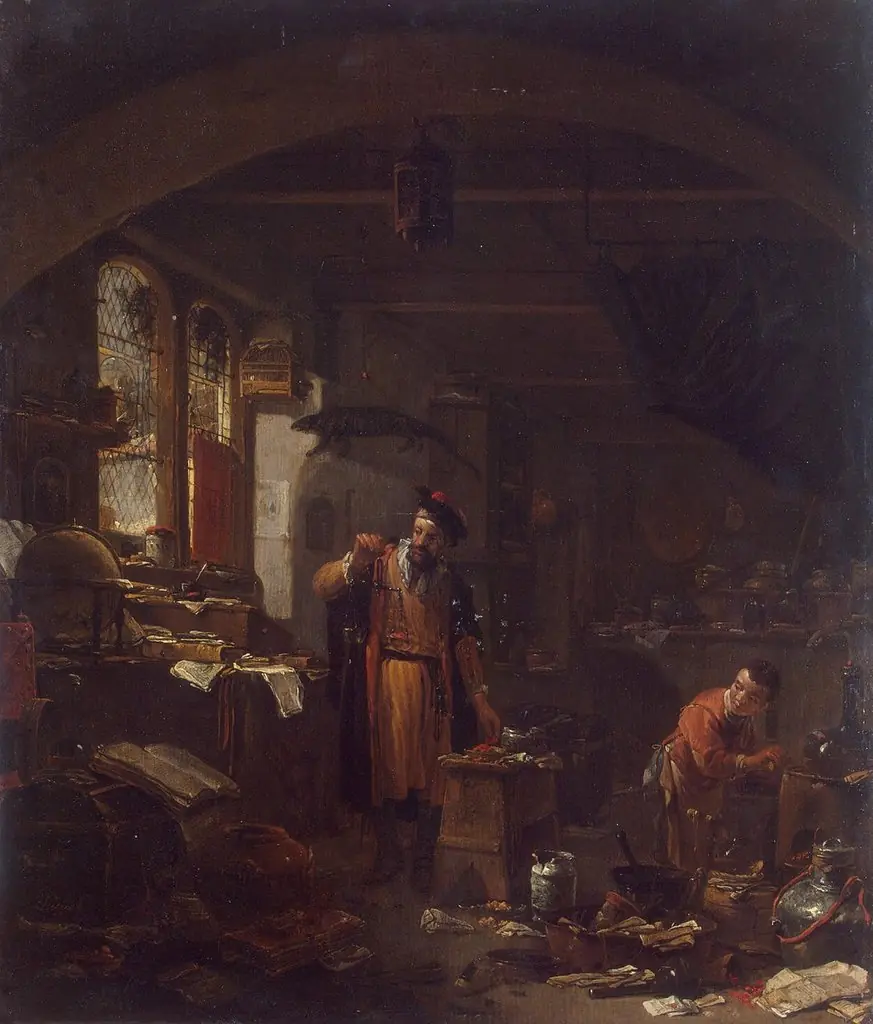
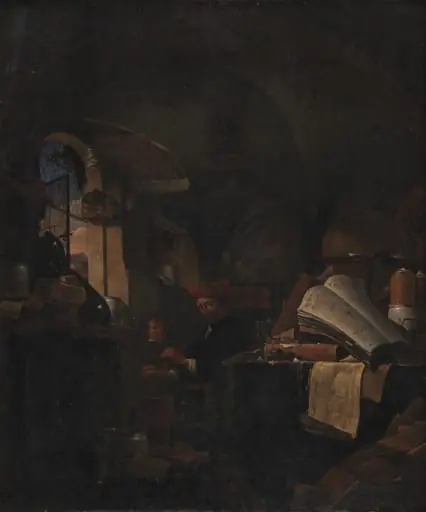
The Alchemist is an oil painting by the Dutch Golden Age artist Cornelis Pietersz Bega. It dates from 1663 and is held in the collection of the J. Paul Getty Museum.
About this work
Overview
Painted in 1663 by Cornelis Pietersz Bega, *The Alchemist* is an oil-on-canvas genre scene from the Dutch Golden Age. Bega, trained in Haarlem under Adriaen van Ostade, focused on intimate portrayals of everyday labor. This work captures a solitary figure engaged in alchemical practice, reflecting the artist’s recurring interest in quiet, introspective moments of craft and study.
Subject & Meaning
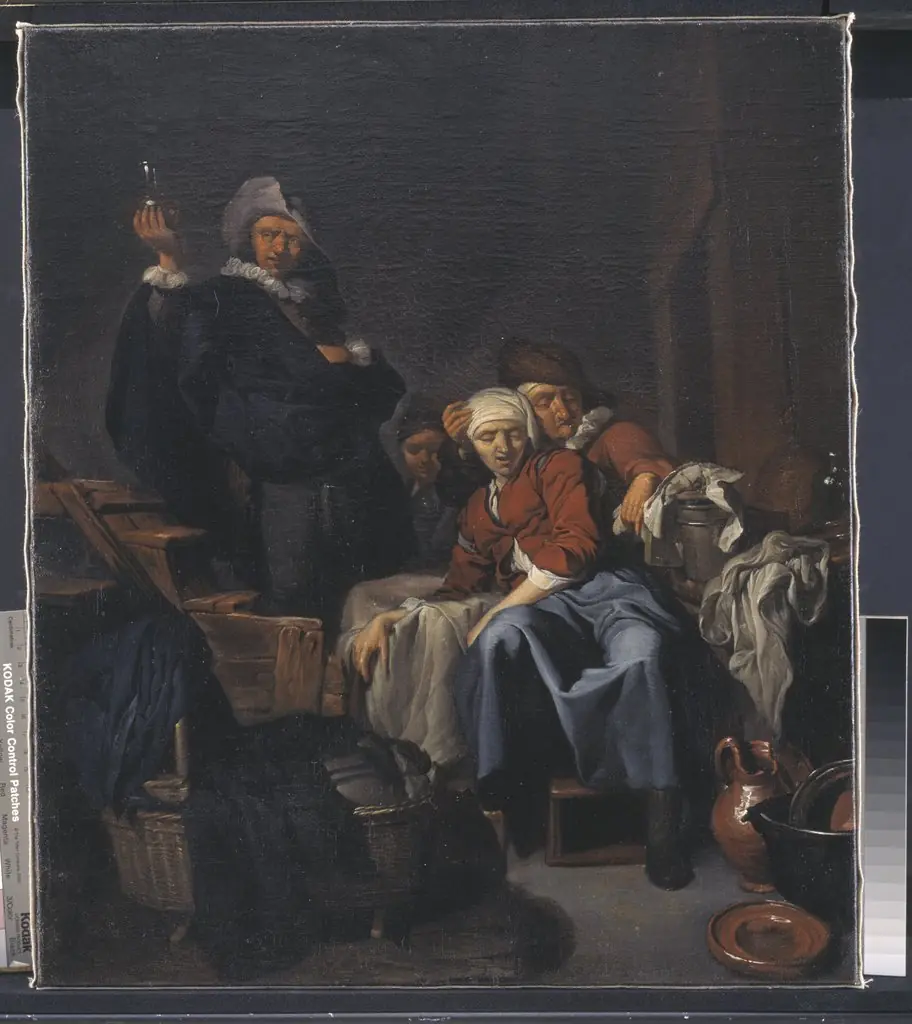
Dressed in a red shirt and blue apron, he holds a small object, likely a vial or crucible, suggesting the pursuit of transmutation or chemical inquiry.
The painting portrays a man in a modest, cluttered workshop, absorbed in his work. Dressed in a red shirt and blue apron, he holds a small object, likely a vial or crucible, suggesting the pursuit of transmutation or chemical inquiry. Though titled as an alchemist, the scene may reflect broader themes of artisanal diligence rather than occult practice, aligning with 17th-century Dutch values of disciplined labor.
Technique & Style
Bega employs subtle chiaroscuro to model the figure and objects, with light filtering weakly through a left-side window, casting soft shadows across the dense interior. Brushwork is precise yet unobtrusive, rendering textures of metal, fabric, and earthenware with quiet realism. The composition avoids dramatic flair, emphasizing stillness and the weight of focused attention over theatricality.
History & Provenance
Created in the final decade of Bega’s life, the painting remained within Dutch collections until entering the J. Paul Getty Museum’s holdings. Its documented history is limited, but its attribution to Bega is consistent with his known oeuvre and stylistic fingerprints. The work’s survival and preservation reflect its quiet significance among genre paintings of the period.
Context
In mid-17th-century Holland, alchemy was both a scientific pursuit and a cultural metaphor for transformation. While public interest in occult practices waned, depictions of laboratory workers persisted as symbols of intellectual curiosity. Bega’s portrayal aligns with a broader trend of elevating humble trades into subjects of moral and aesthetic contemplation.
Legacy
Though not widely exhibited in its time, *The Alchemist* endures as a representative example of Bega’s nuanced genre scenes. It contributes to the understanding of how Dutch artists translated scientific and artisanal labor into visual poetry, influencing later depictions of solitary workers in European painting without overtly romanticizing their pursuits.
Artist & collection
Artist
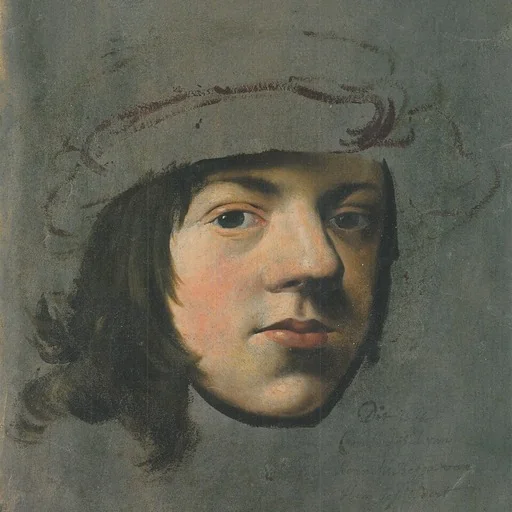
Cornelis Pietersz Bega, or Cornelis Pietersz Begijn (1631/32 – 27 August 1664) was a Dutch Golden Age painter and engraver.