Artwork
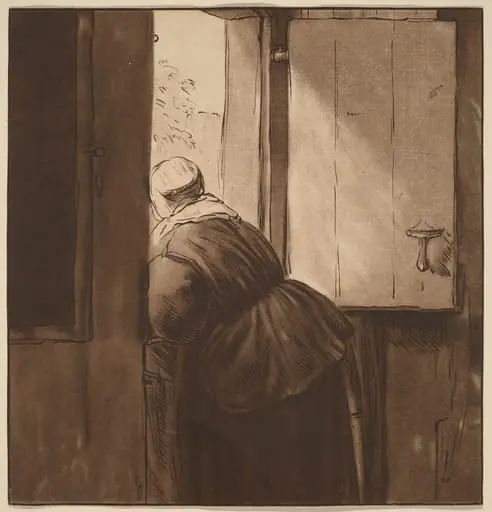
The Peasant in a Window
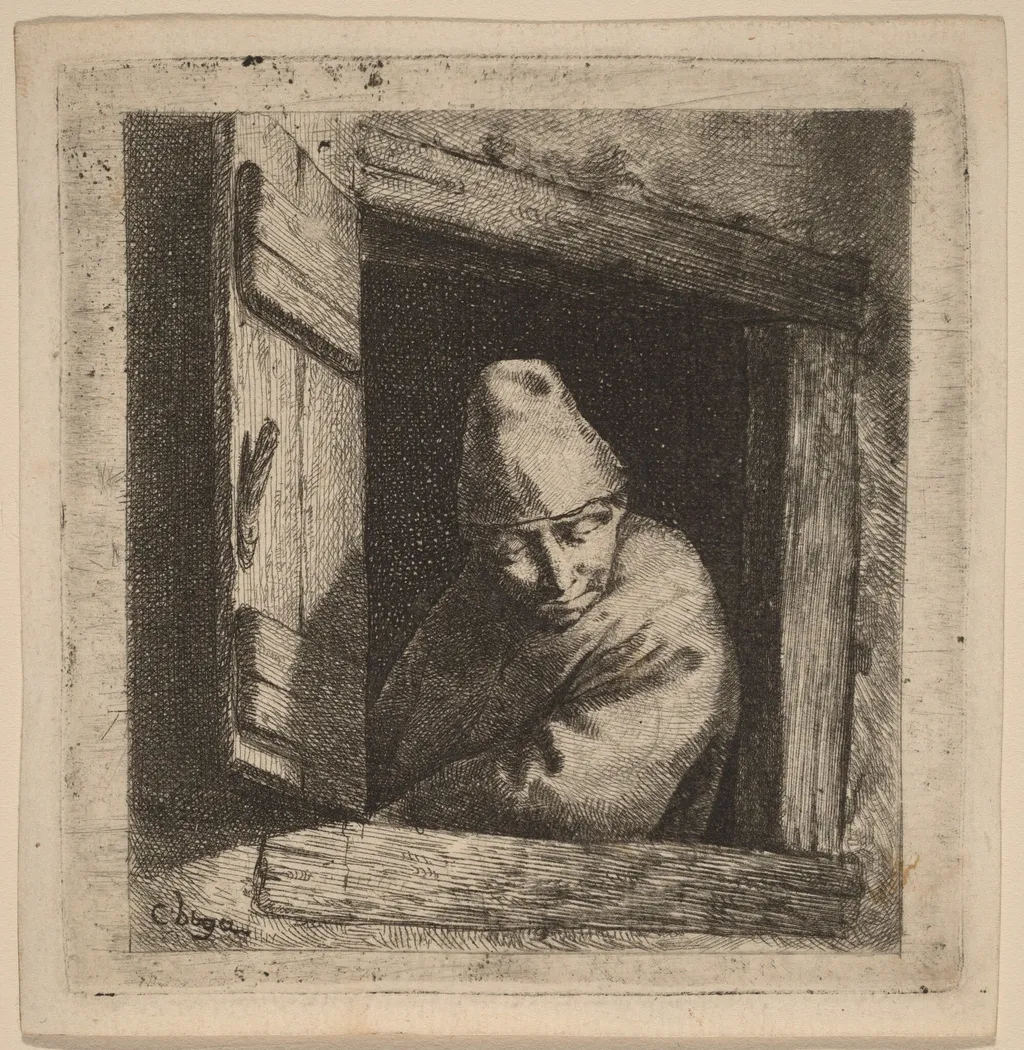
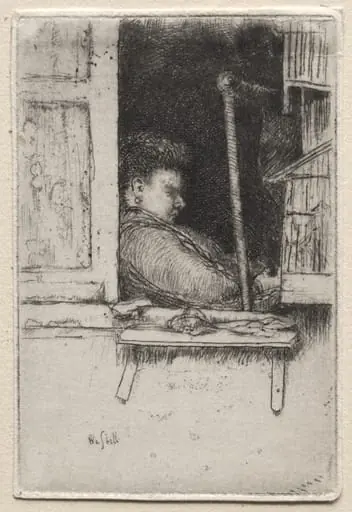
The Peasant in a Window is an ink print by the Baroque artist Cornelis Pietersz Bega. It dates from 1648 and is held in the collection of the National Gallery of Art.
About this work
Overview
Cornelis Pietersz Bega, a Haarlem‑born artist active during the Dutch Golden Age, produced the etching *The Peasant in a Window* in 1648. Known for his genre scenes, Bega worked primarily in printmaking, employing the etching technique to capture everyday moments.
Subject & Meaning
The composition centers on a solitary peasant figure leaning over a sturdy window frame. The figure, dressed in a loose cap and heavy coat, rests a hand on the sill while half of the face is illuminated, suggesting a fleeting glance toward the world beyond the interior.
Technique & Style
Executed in black‑and‑white, the print relies on delicate, fine lines to model light and shadow across the figure, curtains, and surrounding foliage. The etching process—incising the image into a metal plate and applying ink—allows Bega to render texture and depth with subtle tonal variations.
History & Provenance
Bega, a pupil of Adriaen van Ostade and the son of a sculptor‑goldsmith, specialized in domestic genre subjects. *The Peasant in a Window* reflects his training and the market demand for modest, narrative prints in mid‑17th‑century Holland, though specific ownership records for this plate remain limited.
Artist & collection
Artist
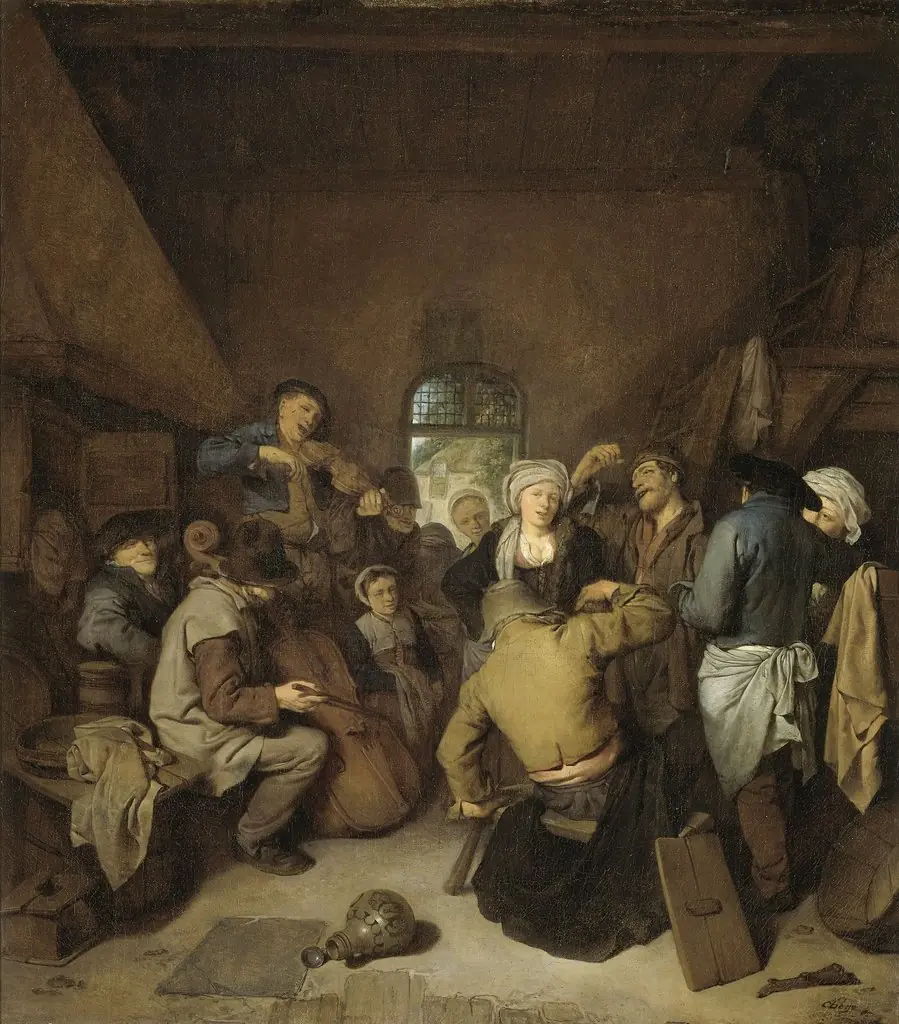
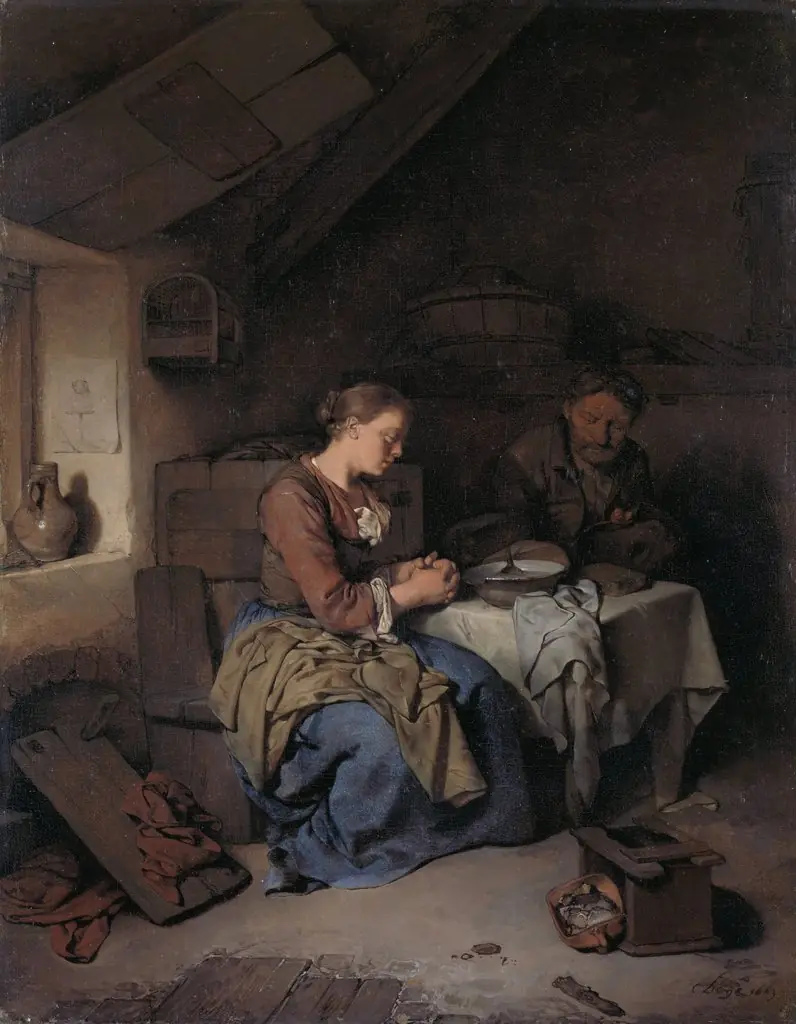
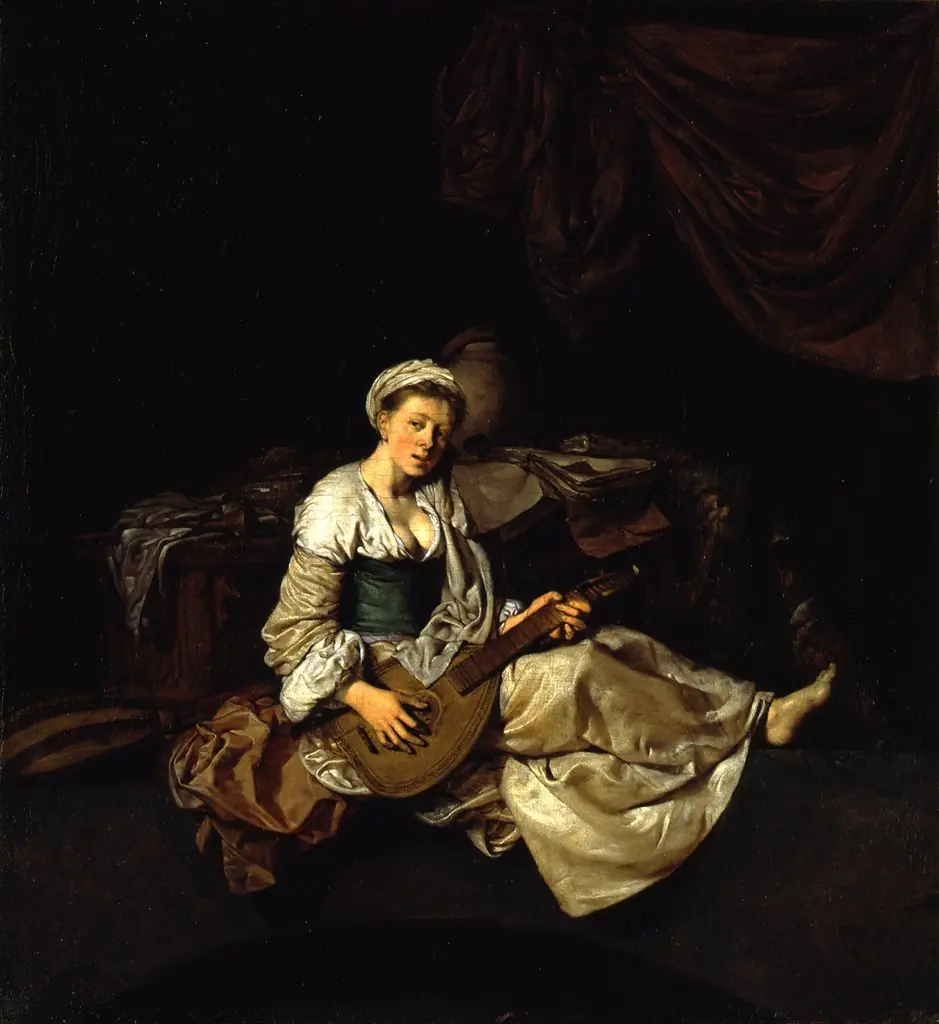
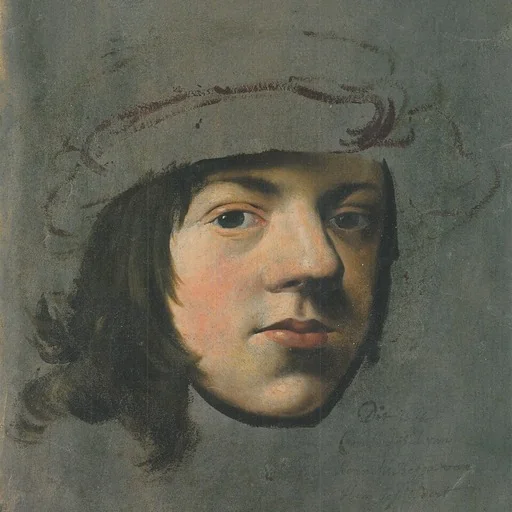
Cornelis Pietersz Bega, or Cornelis Pietersz Begijn (1631/32 – 27 August 1664) was a Dutch Golden Age painter and engraver.