Artwork
Arabe assis (Seated Arab)
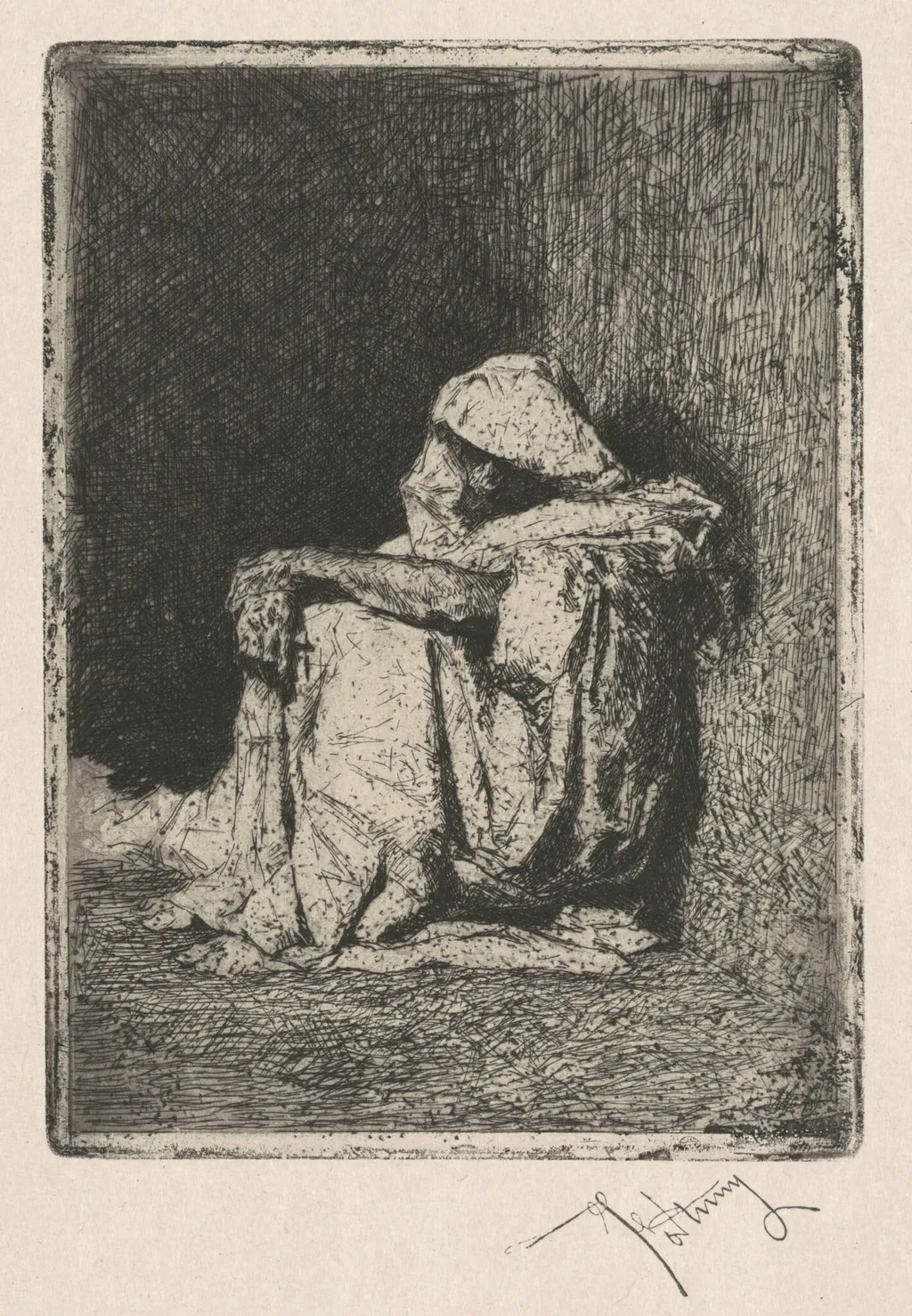
Arabe assis (Seated Arab) is an ink print by the Impressionist artist Mariano Fortuny Marsal. It dates from 1873 and is held in the collection of the National Gallery of Art.
About this work
Overview
Arabe assis (Seated Arab) is a print created by Mariano Fortuny Marsal in 1873, executed in etching and aquatint on japan paper, now laid down. The work depicts a solitary figure in a contemplative pose, set against a dark background that emphasizes the subject's introspective state.
Subject & Meaning
The print shows a man seated on the floor with crossed legs and arms resting on knees, clad in a loose, flowing robe and hood. His downward gaze obscures his face, contributing to an overall atmosphere of quiet reflection and solitude.
Technique & Style
Fortuny employed strong lines and expressive shading to achieve depth and texture. While the piece features expressive brushwork, its emphasis on capturing a everyday moment aligns with Impressionist principles, though its somber tone and composition distinguish it from typical Impressionist works.
History & Provenance
Created in 1873, specific details regarding the print's exhibition history, ownership, or production run are not provided in available information.
Context
Arabe assis reflects Fortuny's interest in capturing scenes of everyday life, possibly influenced by his observations of street life or encounters during his travels. The work's somber, introspective mood sets it apart from more vibrant depictions of street life common in his contemporaries' work.
Legacy
The legacy of Arabe assis is not extensively detailed in provided sources, though it represents a notable example of Fortuny's etching capabilities and his exploration of contemplative themes within the broader context of late 19th-century printmaking.
Artist & collection


![Maréchal ferrant au Maroc [Shoeing a Mule in Morocco], by Mariano Fortuny Marsal](https://artifactworldgallery.com/img/mariano-fortuny-marsal--marechal-ferrant-au-maroc-shoeing-a-mule-in-morocco--600c14ddda78f6f4-w320.webp)
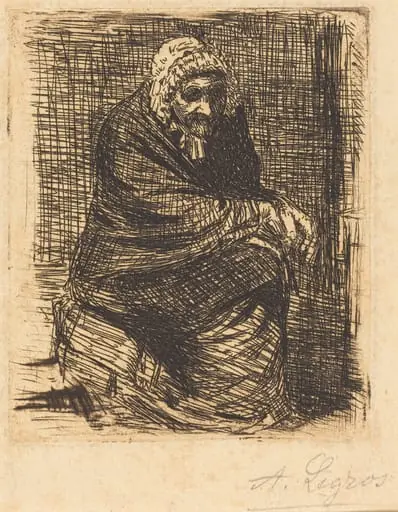 Old Woman Seated (La vieille femme assise)
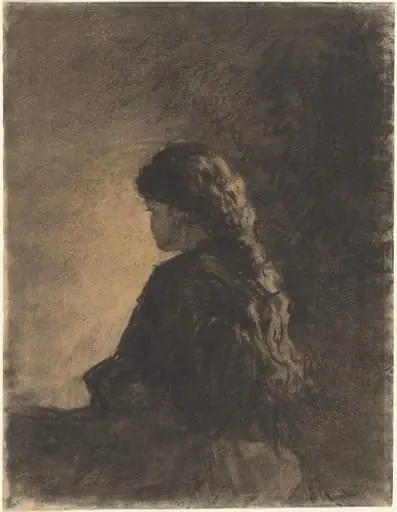 Seated Girl
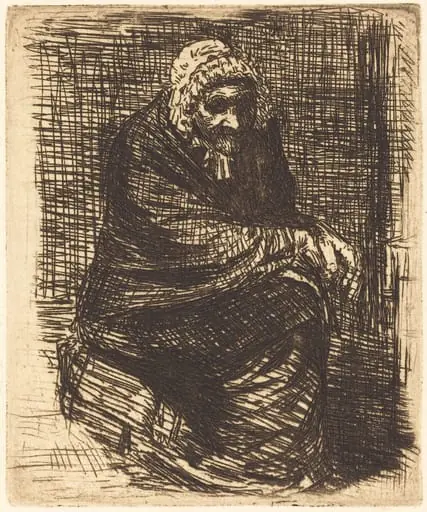 Old Woman Seated (La vieille femme assise)
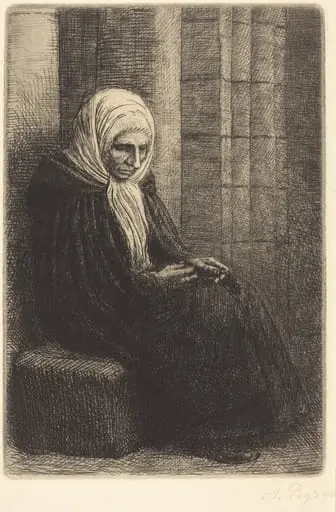 Woman Seated against a Wall, Child with His Head in Her Lap (Femme assis, muraille au fond, enfant la tete dans son giron)
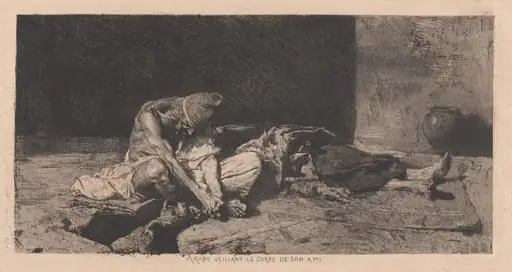 Arabe veillant le corps de son ami (Arab Watching over the Body of His Friend)
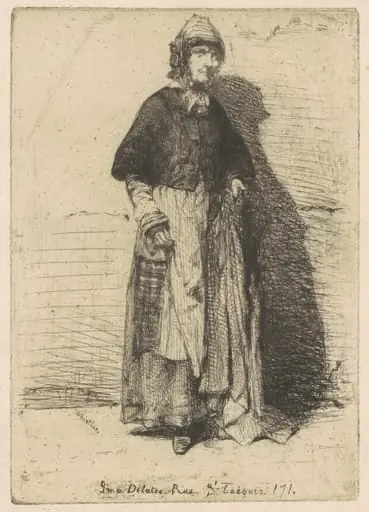 La Mère Gérard
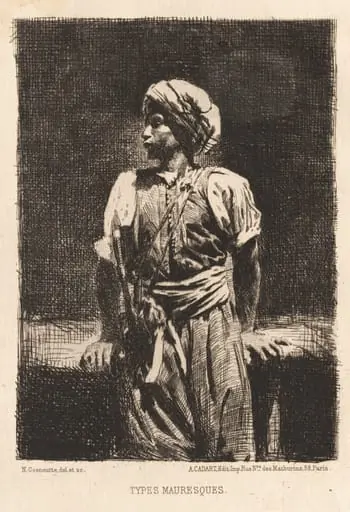 Types Mauresques
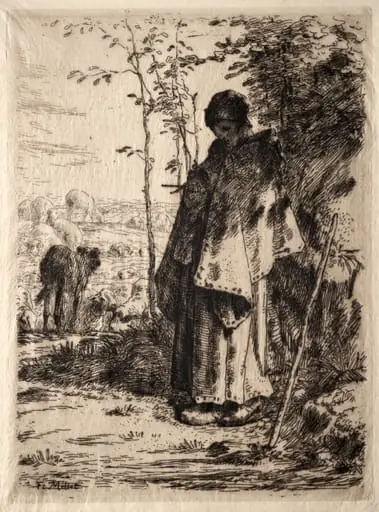 The Large Shepherdess
 Meditation (La meditation)