Artwork
The Refused Caress
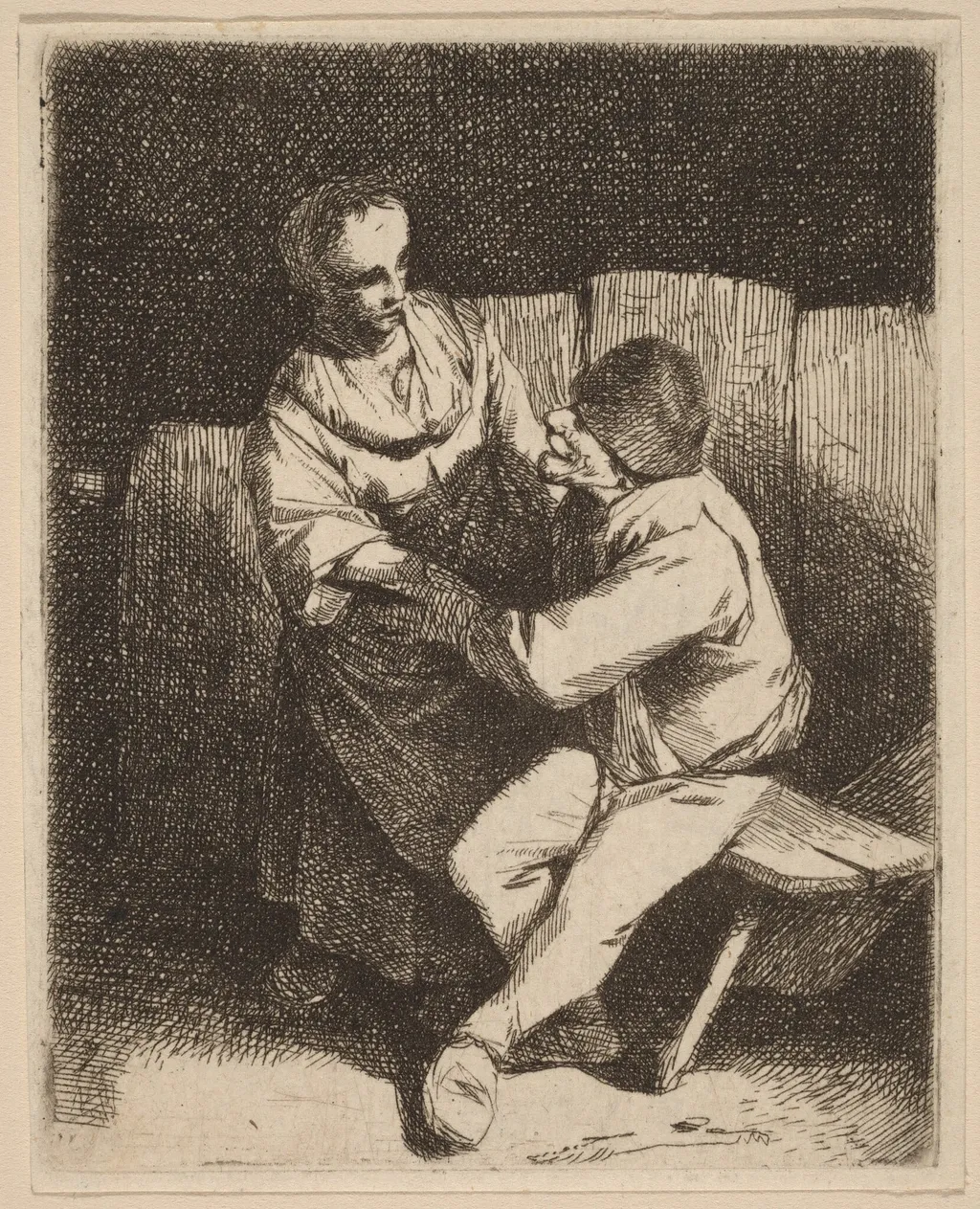
The Refused Caress is an ink print by the Baroque artist Cornelis Pietersz Bega. It dates from 1648 and is held in the collection of the National Gallery of Art.
About this work
Overview
The Refused Caress, an etching by Cornelis Pietersz Bega from 1648, is a characteristic example of the Dutch Golden Age genre scene. It depicts an intimate, emotionally charged moment between two figures in a dimly lit setting.
Subject & Meaning
The etching shows an older adult, clad in a loose robe, holding a tense, resistant child who turns away. The blurred facial features and the child’s posture suggest a complex, possibly strained relationship, inviting interpretation of the scene’s emotional dynamics.
Technique & Style
Bega employed a scratchy, layered etching technique to achieve deep shadows and fine details. This approach imbues the scene with a sense of urgency and intimacy, characteristic of his training under Adriaen van Ostade and his penchant for capturing nuanced human interactions.
History & Provenance
Created in 1648 by Cornelis Pietersz Bega, a Haarlem-born painter and engraver, The Refused Caress reflects his typical subject matter of peasants or imaginative figures in interior settings, common in 17th-century Dutch art.
Artist & collection
Artist
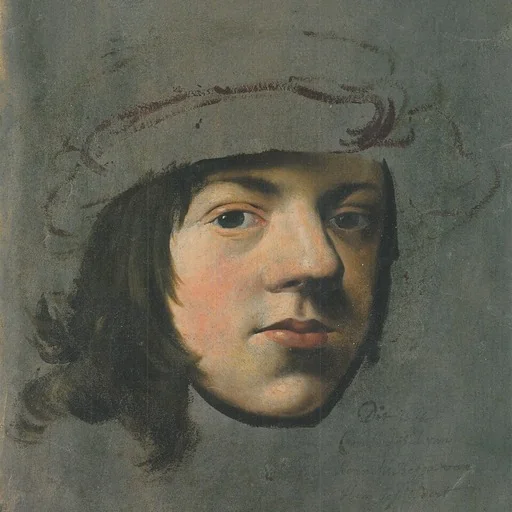
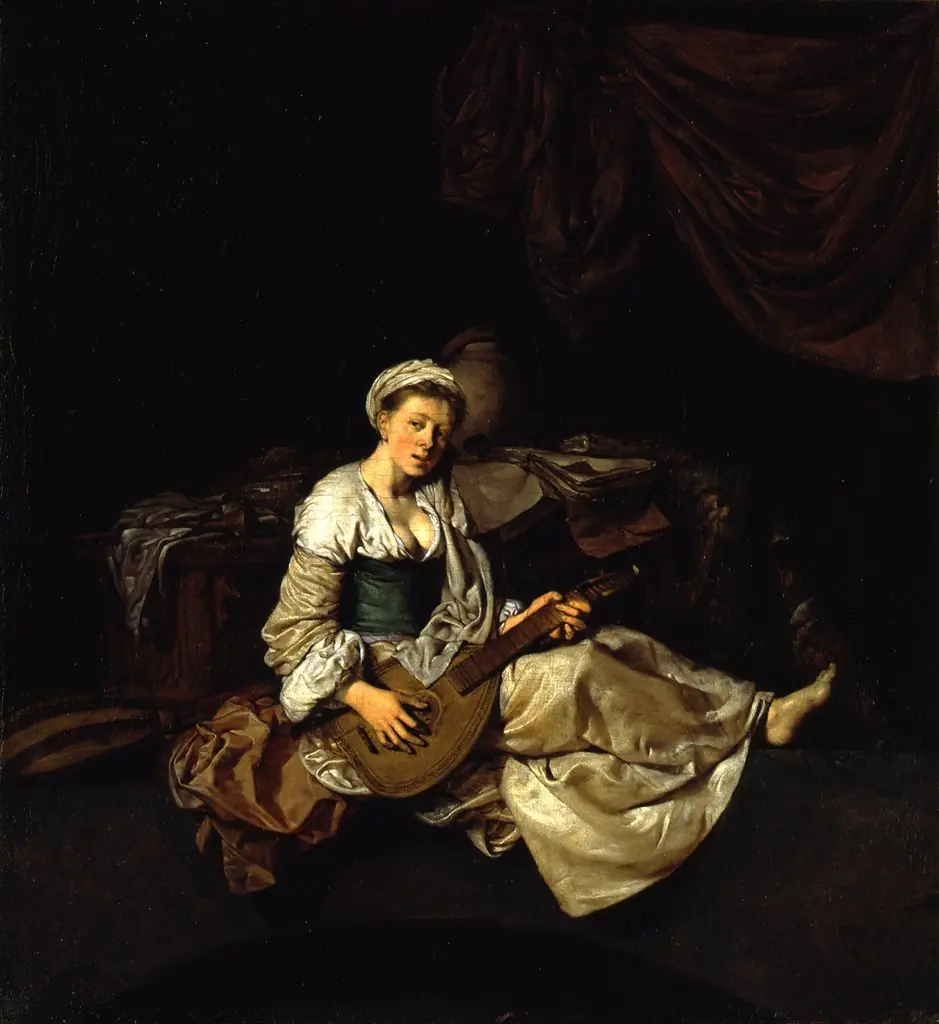
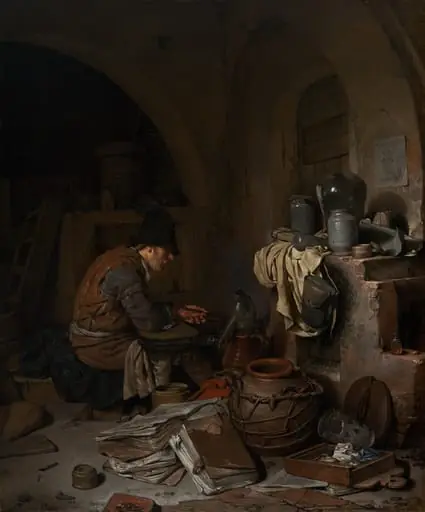
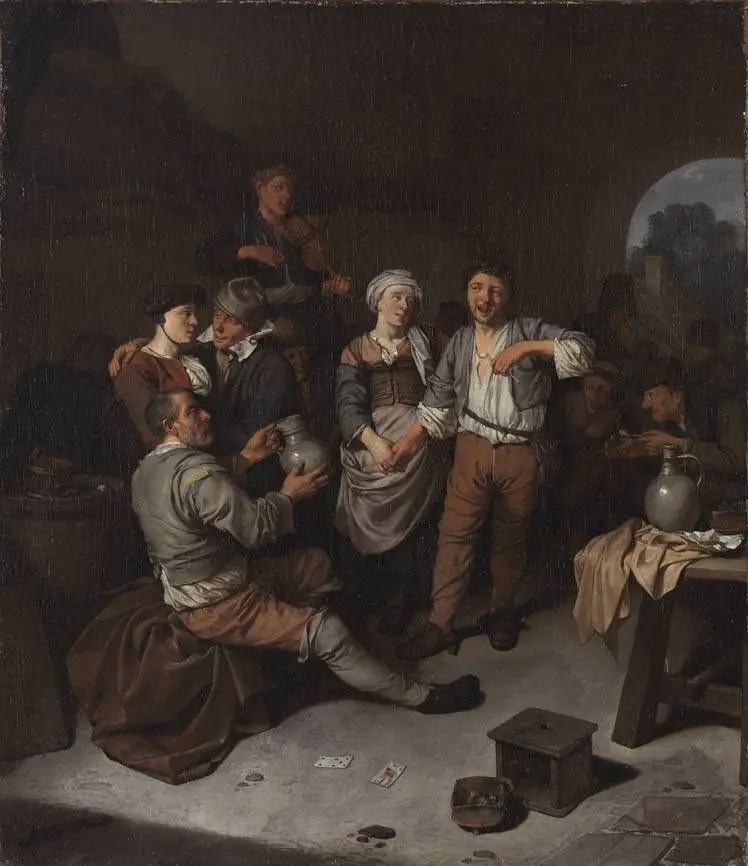
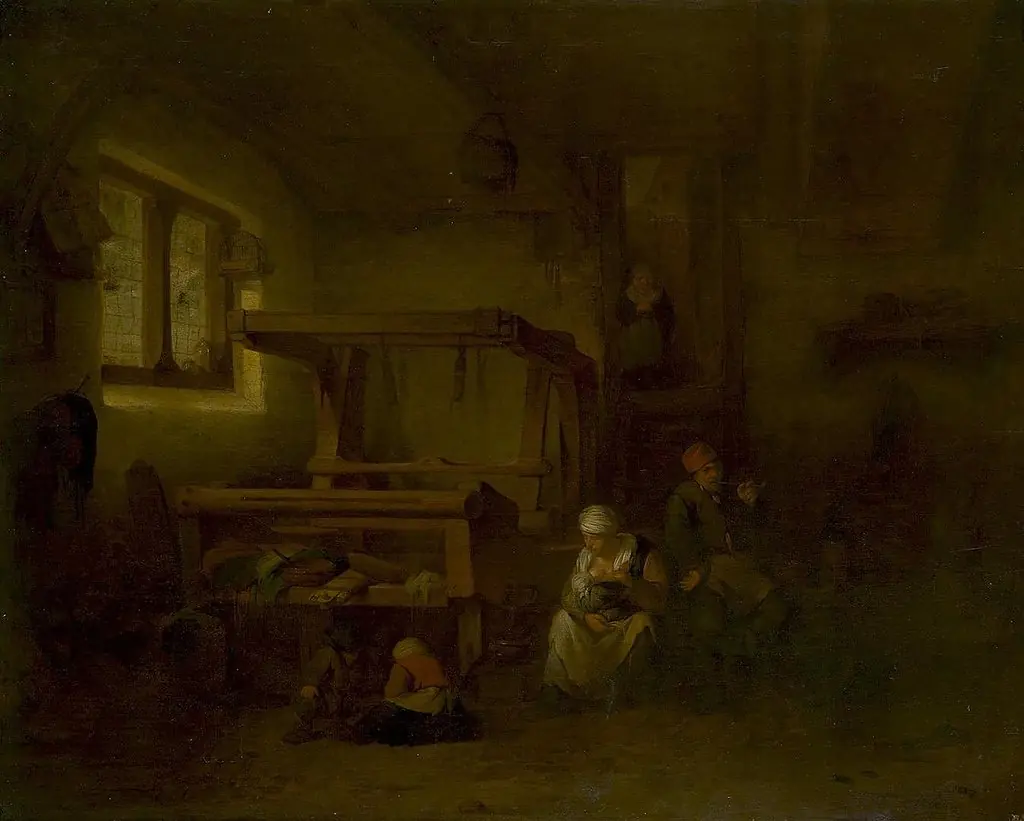
Cornelis Pietersz Bega, or Cornelis Pietersz Begijn (1631/32 – 27 August 1664) was a Dutch Golden Age painter and engraver.

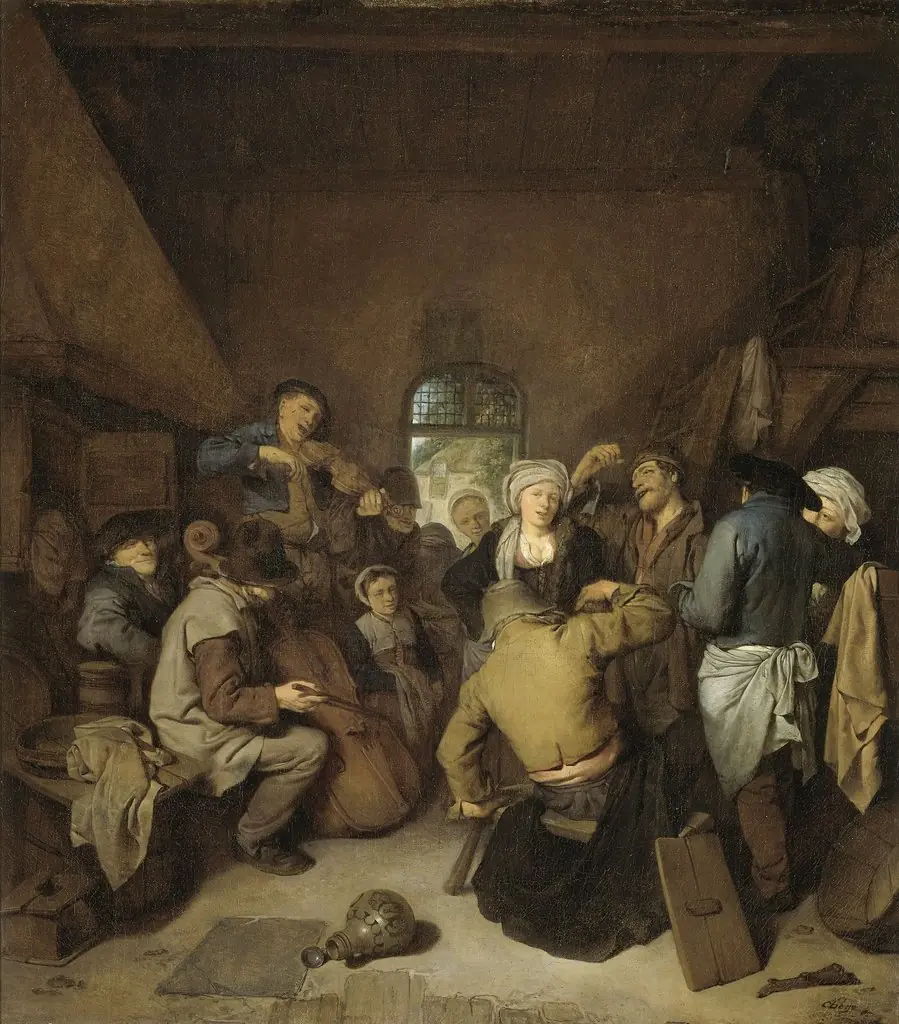
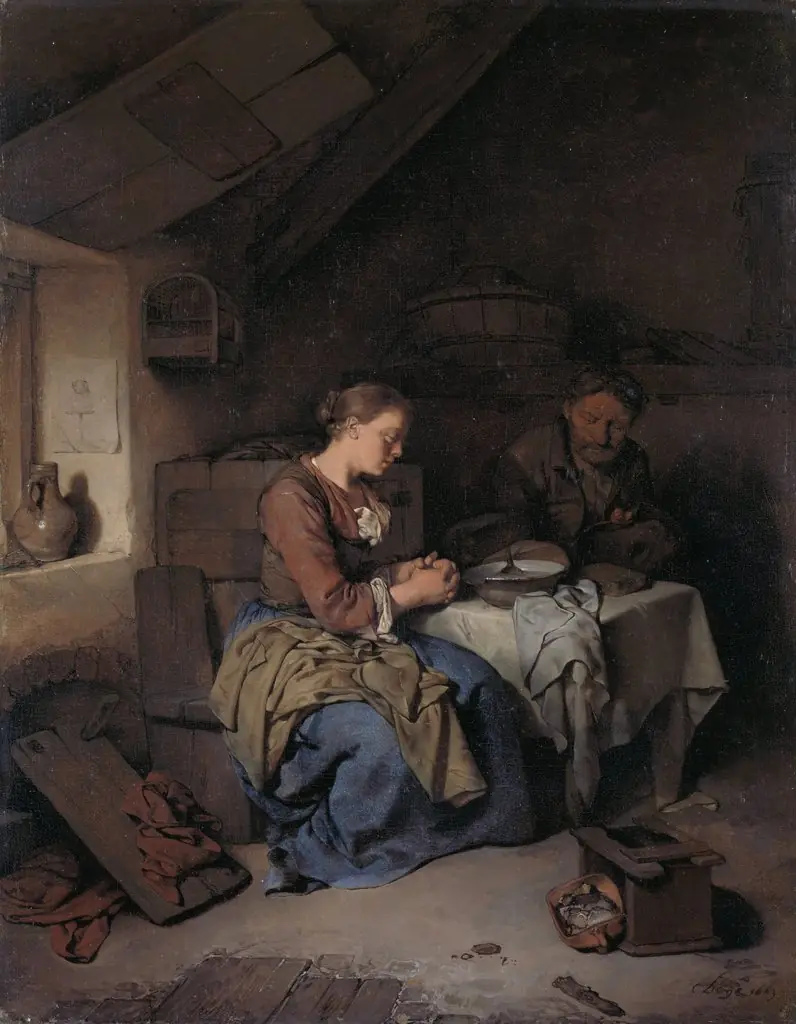
 The Group at the Fireplace
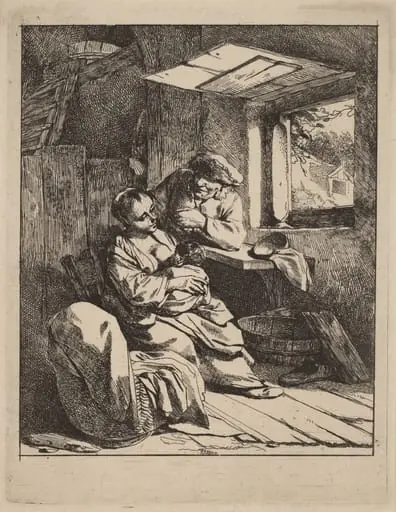 The Young Mother
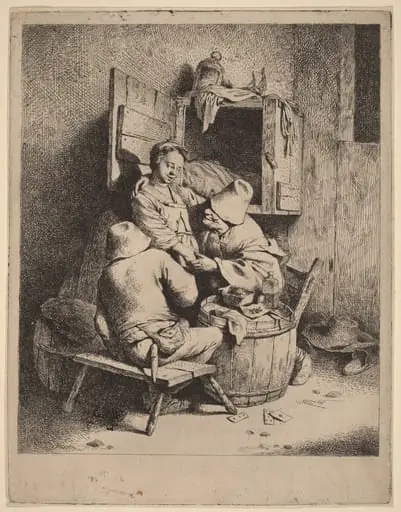 The Flirtation of a Young Innkeeper
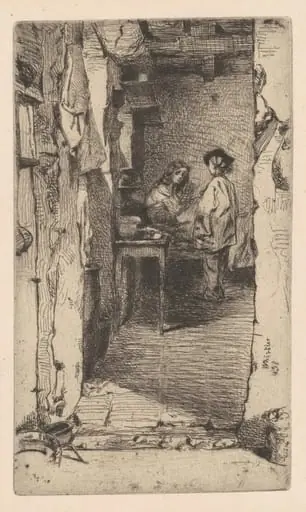 Rag Pickers, Quartier Mouffetard, Paris
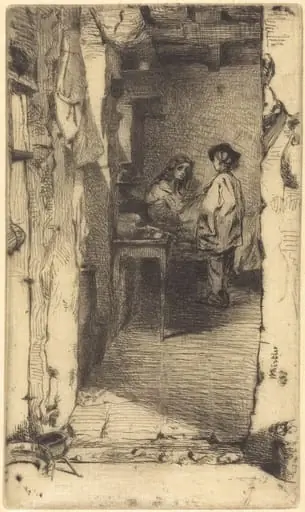 Rag Pickers, Quartier Mouffetard, Paris
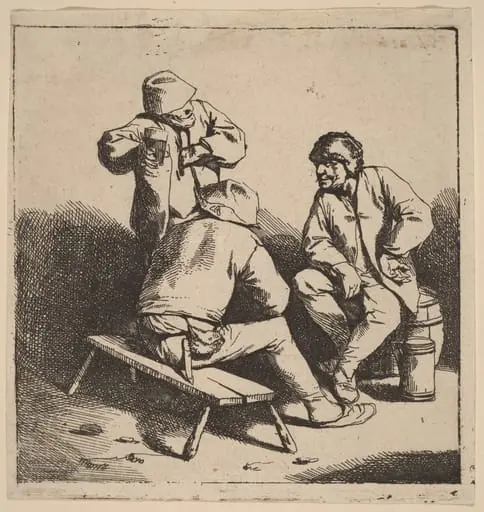 The Three Drinkers
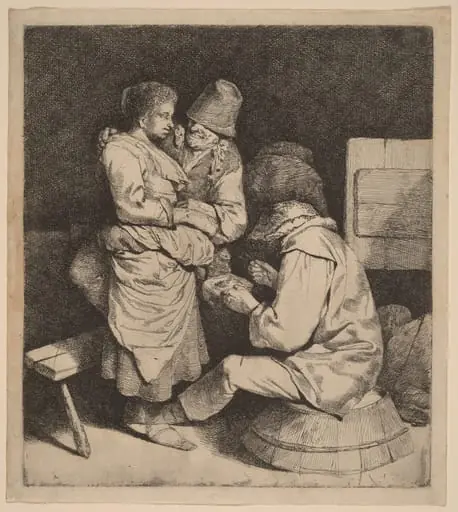 The Young Innkeeper
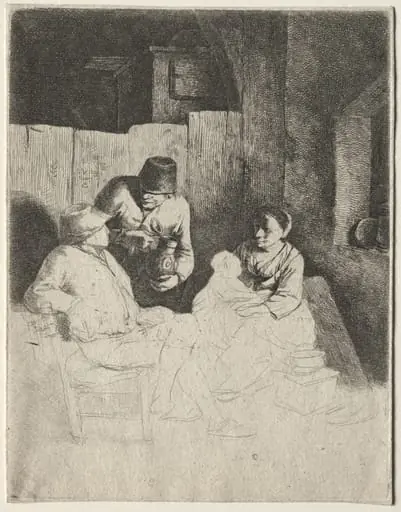 The Mother Seated in an Inn
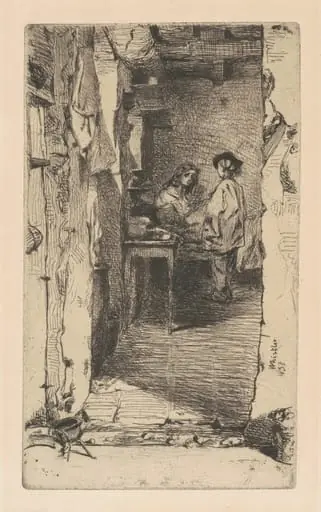 Rag Pickers, Quartier Mouffetard, Paris
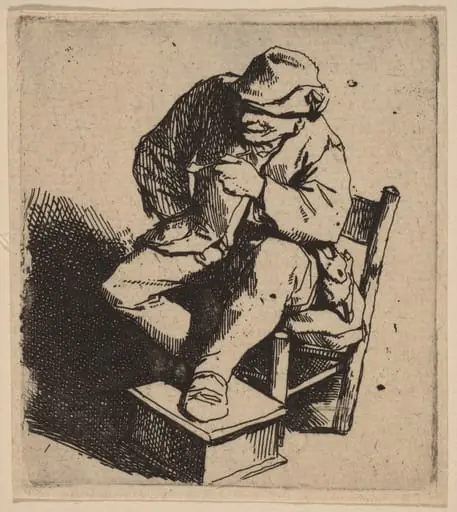 The Smoker
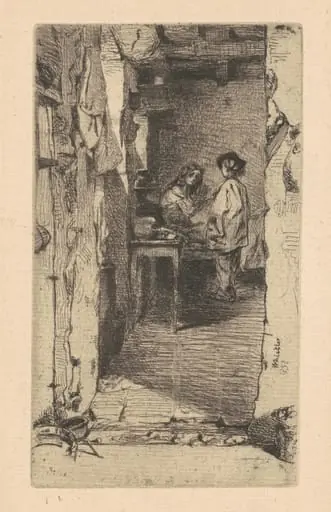 Rag Pickers, Quartier Mouffetard, Paris
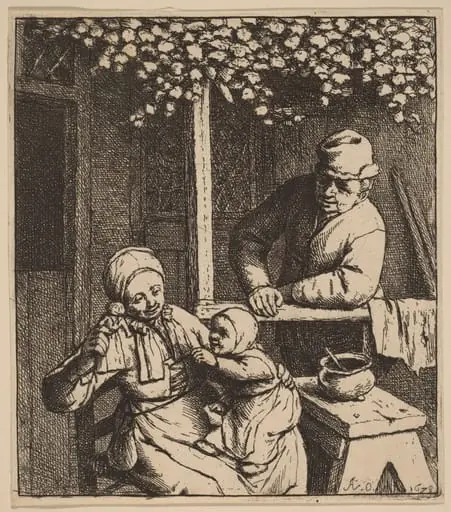 Peasant Family on a Porch with a Girl Reaching for a Doll