Artwork
The Three Drinkers
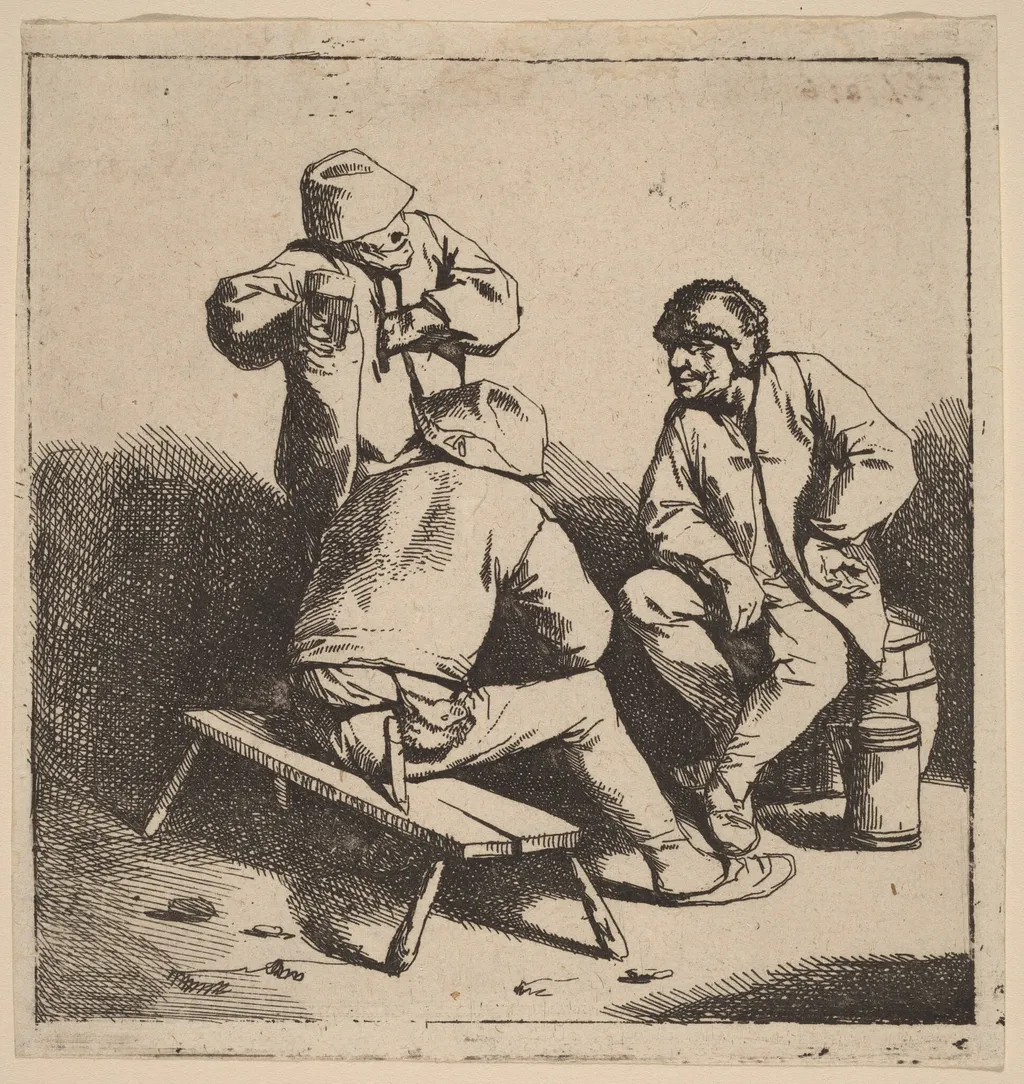
The Three Drinkers is an ink print by the Baroque artist Cornelis Pietersz Bega. It dates from 1648 and is held in the collection of the National Gallery of Art.
About this work
Overview
Created in 1648 by Cornelis Pietersz Bega, *The Three Drinkers* is an etching that captures a quiet, unguarded moment among three men in a dim interior.
Created in 1648 by Cornelis Pietersz Bega, *The Three Drinkers* is an etching that captures a quiet, unguarded moment among three men in a dim interior. Bega, trained in Haarlem under Adriaen van Ostade, used the etching medium to explore everyday life with intimacy and restraint. The work belongs to a body of prints focused on humble social settings, reflecting his interest in the quiet rhythms of common existence rather than grand narratives.
Subject & Meaning
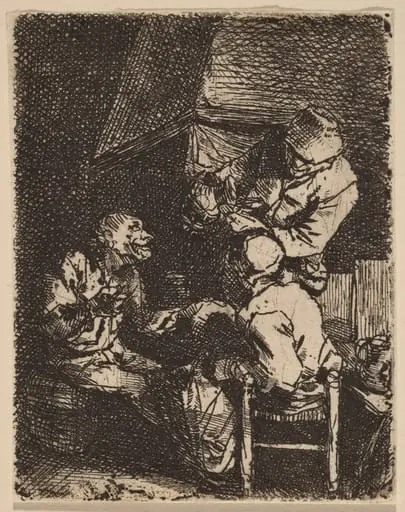
The scene depicts three laborers in a tavern, each absorbed in their own state: one slumped in sleep, another holding a drink with distant gaze, and the third seated with arms crossed, observant yet detached. There is no narrative climax—only the stillness of exhaustion and solitude. The absence of interaction suggests a momentary pause in routine, emphasizing the weight of daily toil and the solitude found even in company.
Technique & Style
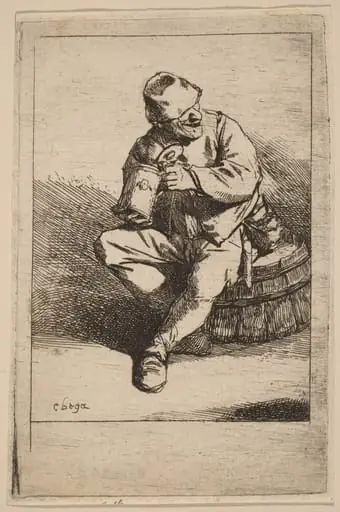
Bega employed a loose, urgent etching technique, using irregular, scratchy lines to suggest texture and shadow. The inked marks appear hastily applied, mimicking the spontaneity of a sketch, yet they carefully model form and atmosphere. The roughness of the lines enhances the sense of immediacy, grounding the scene in physical reality rather than idealized composition. The chiaroscuro is achieved through dense hatching, not smooth gradation.
History & Provenance
Bega, the son of a sculptor and goldsmith, began his career in Haarlem during the height of Dutch genre painting. *The Three Drinkers* was produced in 1648, near the midpoint of his short life, and is among his most recognized prints. While specific early ownership records are sparse, the work entered major collections in the 19th century, where it was valued for its unembellished portrayal of peasant life.
Context
In mid-17th century Holland, genre scenes of taverns and laborers gained popularity among middle-class collectors. Bega’s etchings aligned with this trend but stood apart through their subdued tone and psychological nuance. Unlike the boisterous tavern scenes of some contemporaries, his work avoids caricature, offering instead a quiet, unvarnished view of rural and working-class figures in moments of repose.
Legacy
Bega’s etchings, including *The Three Drinkers*, influenced later artists interested in intimate, unidealized portrayals of ordinary life. His restrained technique and emotional subtlety prefigured the introspective realism of 19th-century printmakers. Though less celebrated than his peers, his work remains a quiet benchmark in Dutch printmaking for its honesty and atmospheric precision.
Artist & collection
Artist
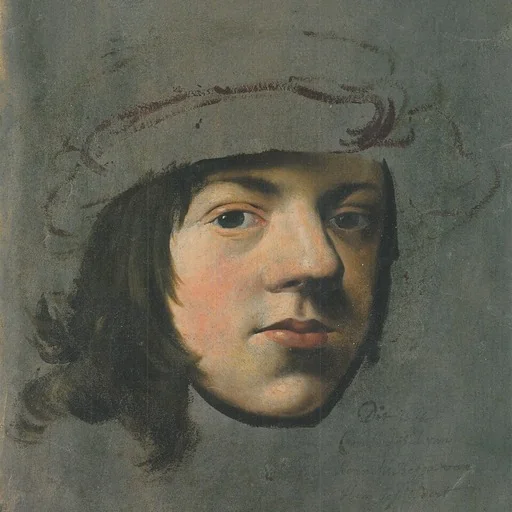
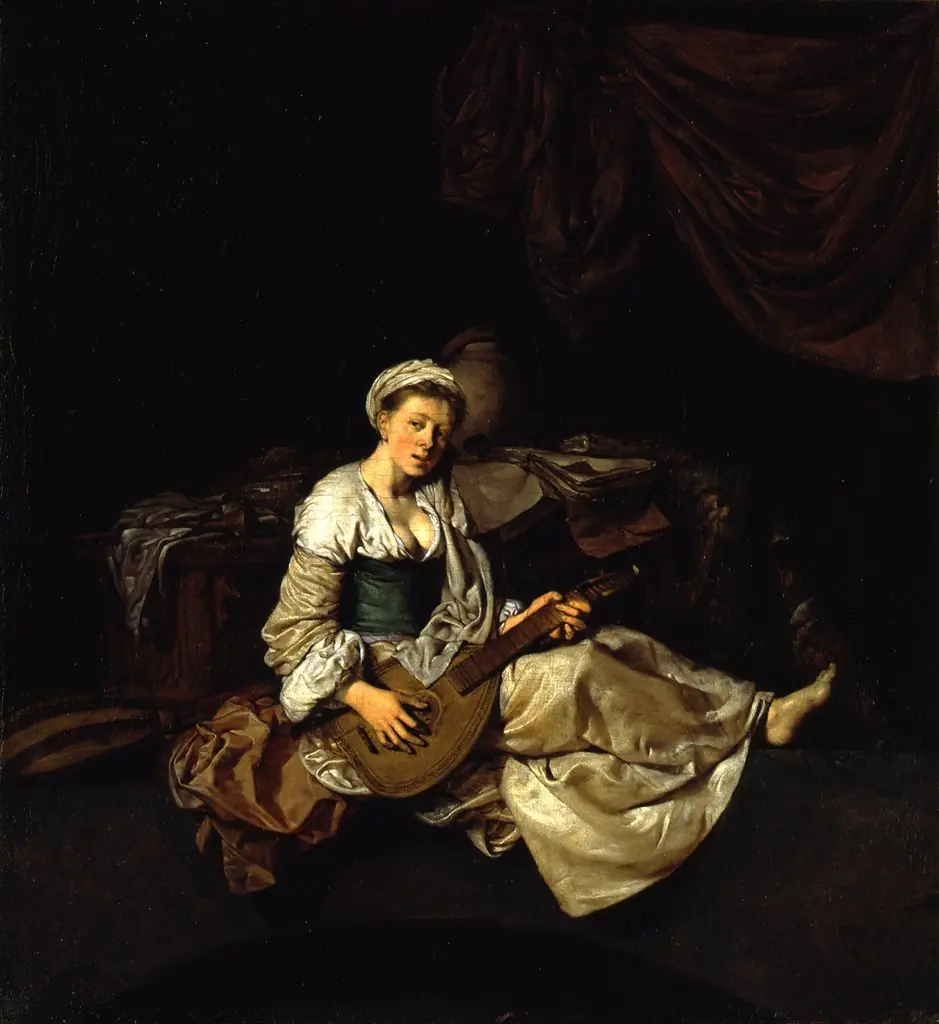
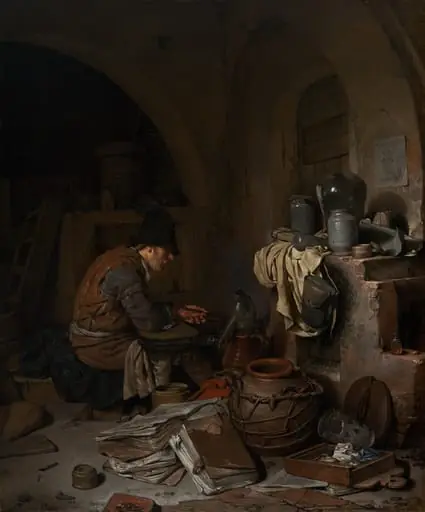
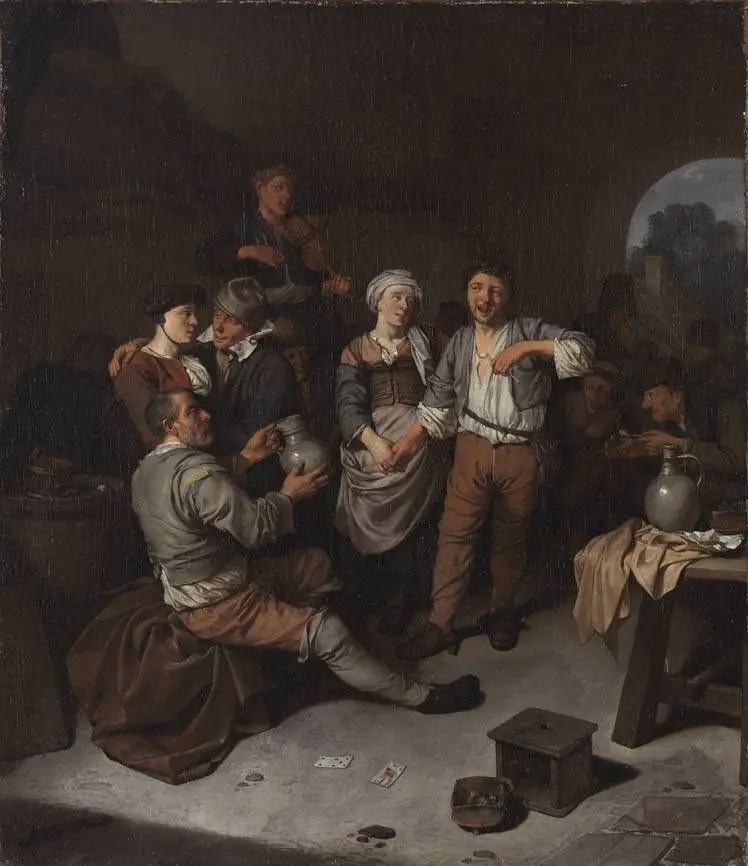
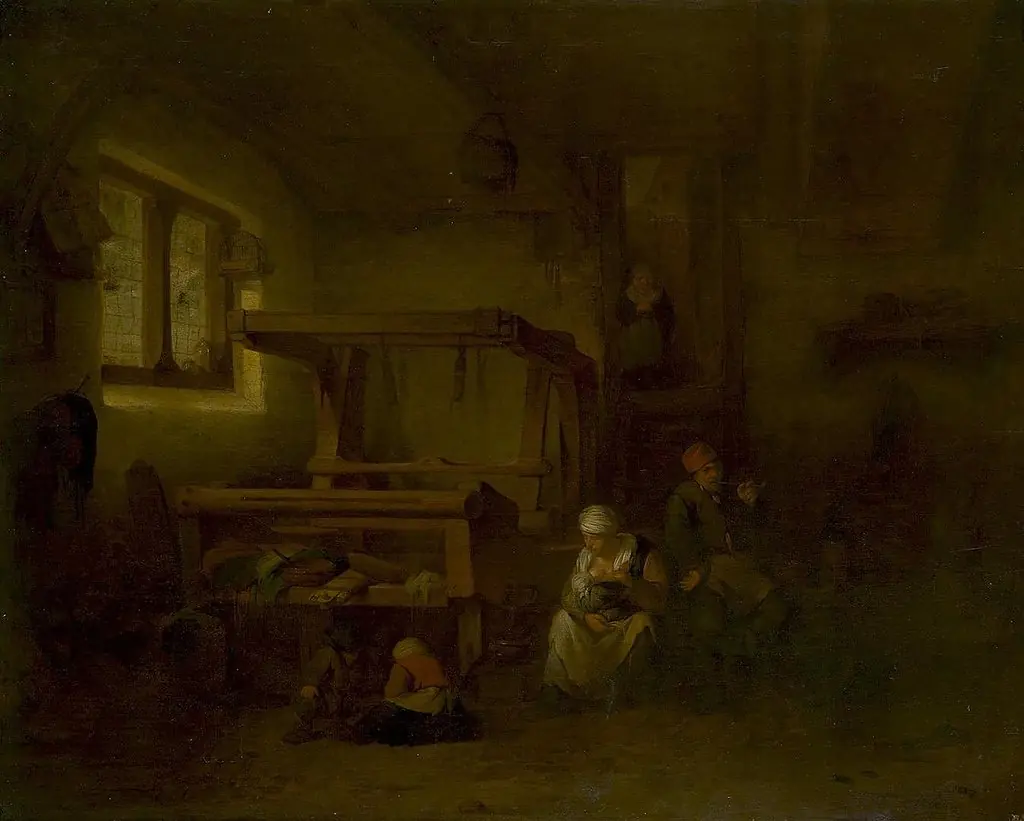
Cornelis Pietersz Bega, or Cornelis Pietersz Begijn (1631/32 – 27 August 1664) was a Dutch Golden Age painter and engraver.

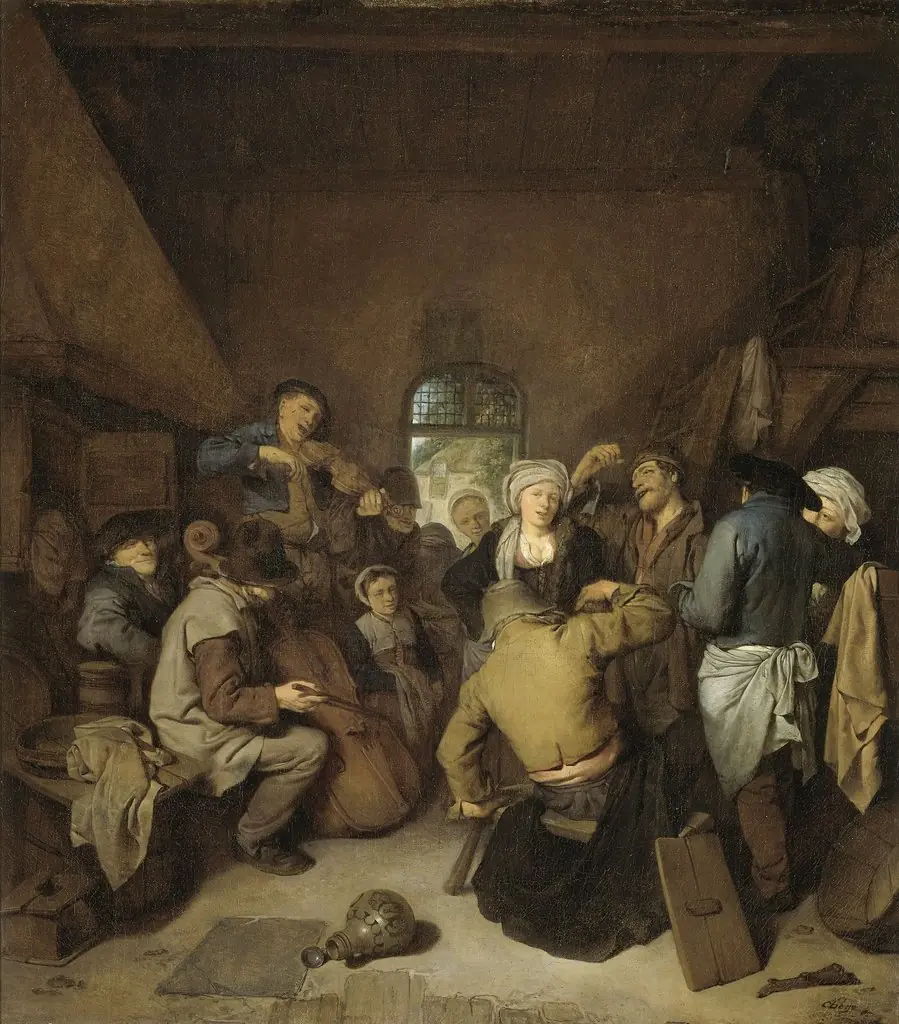
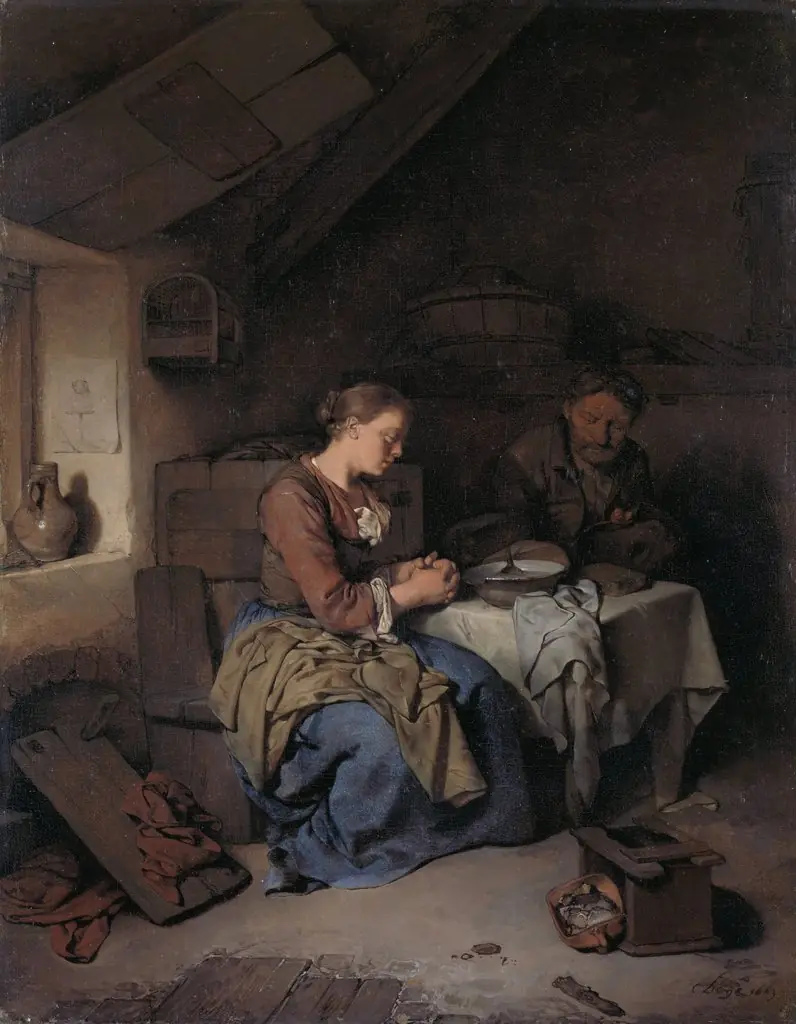
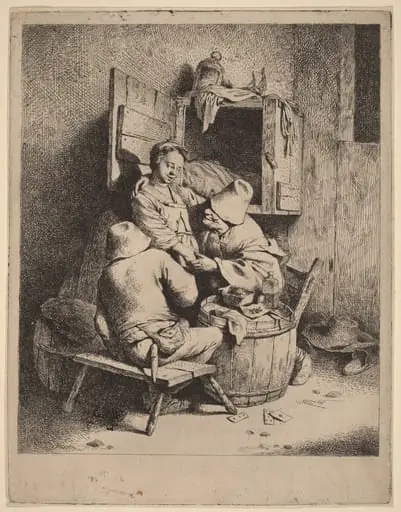 The Flirtation of a Young Innkeeper
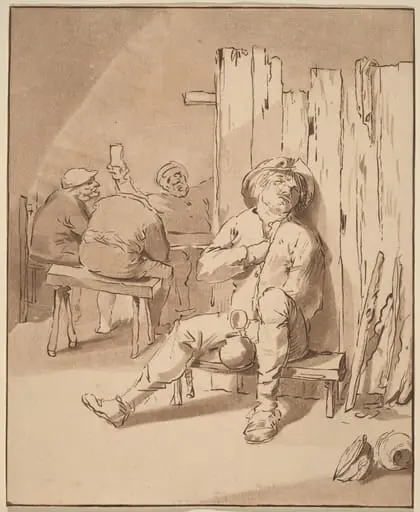 Drunken Peasant at an Inn
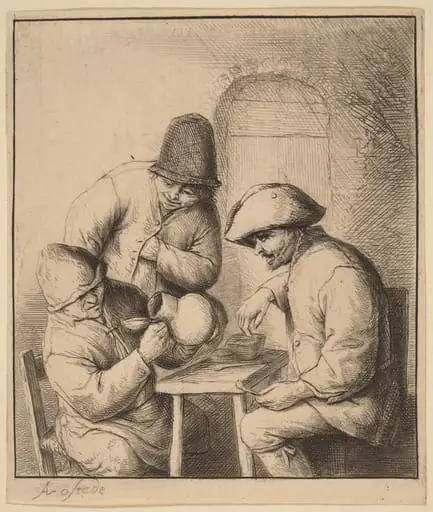 Three Peasants at an Inn, One Looking Down a Jug
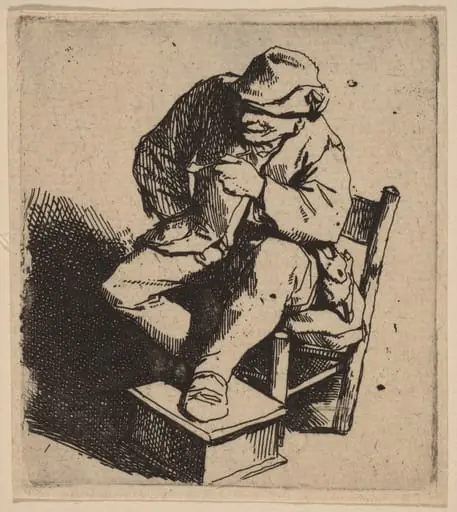 The Smoker
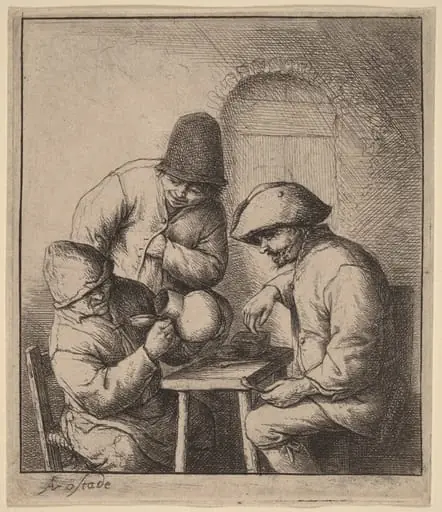 Three Peasants at an Inn, One Looking Down a Jug
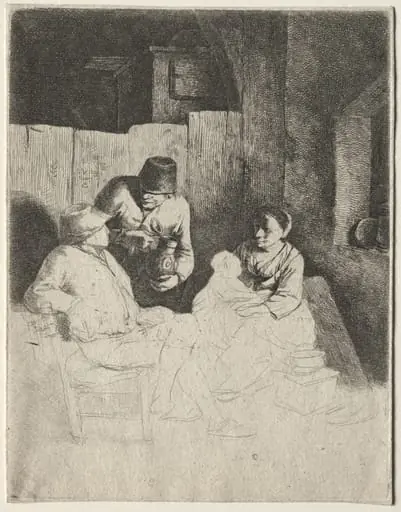 The Mother Seated in an Inn
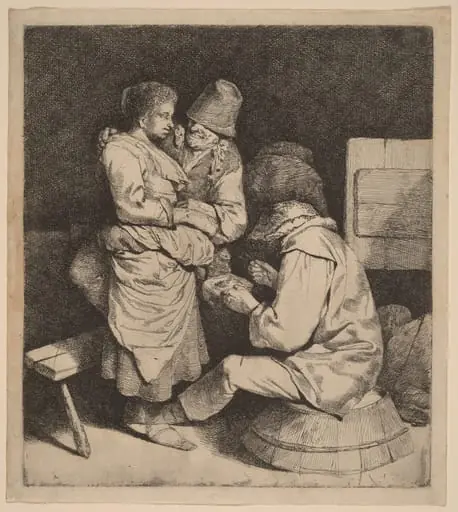 The Young Innkeeper
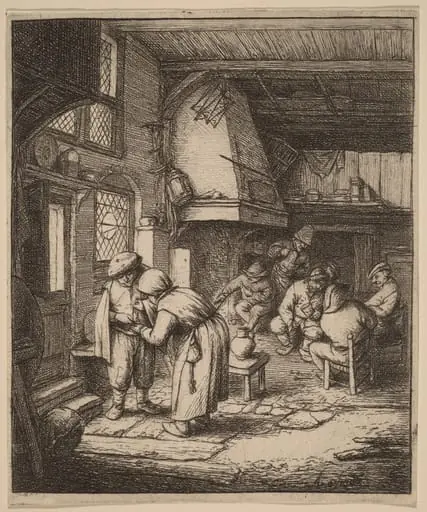 Man Paying the Landlady at an Inn
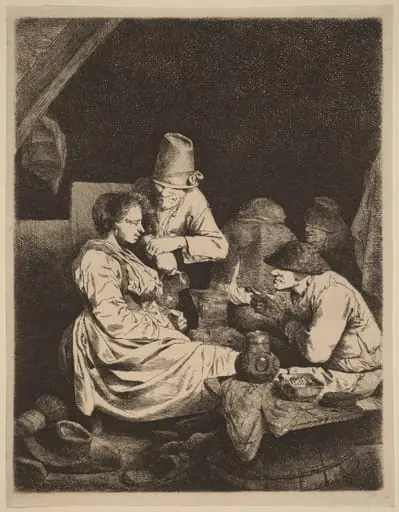 The Inn
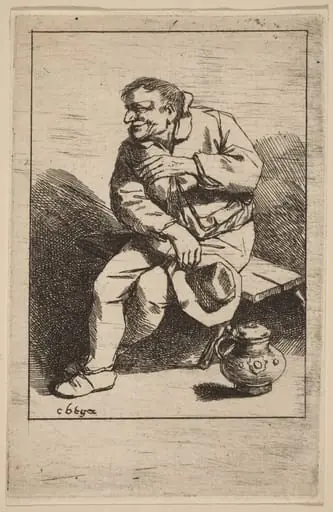 Sitting Man with His Hat in His Right Hand
 The Group at the Fireplace
 The Drinker