Artwork
Judith Seated on the Body of Holofernes
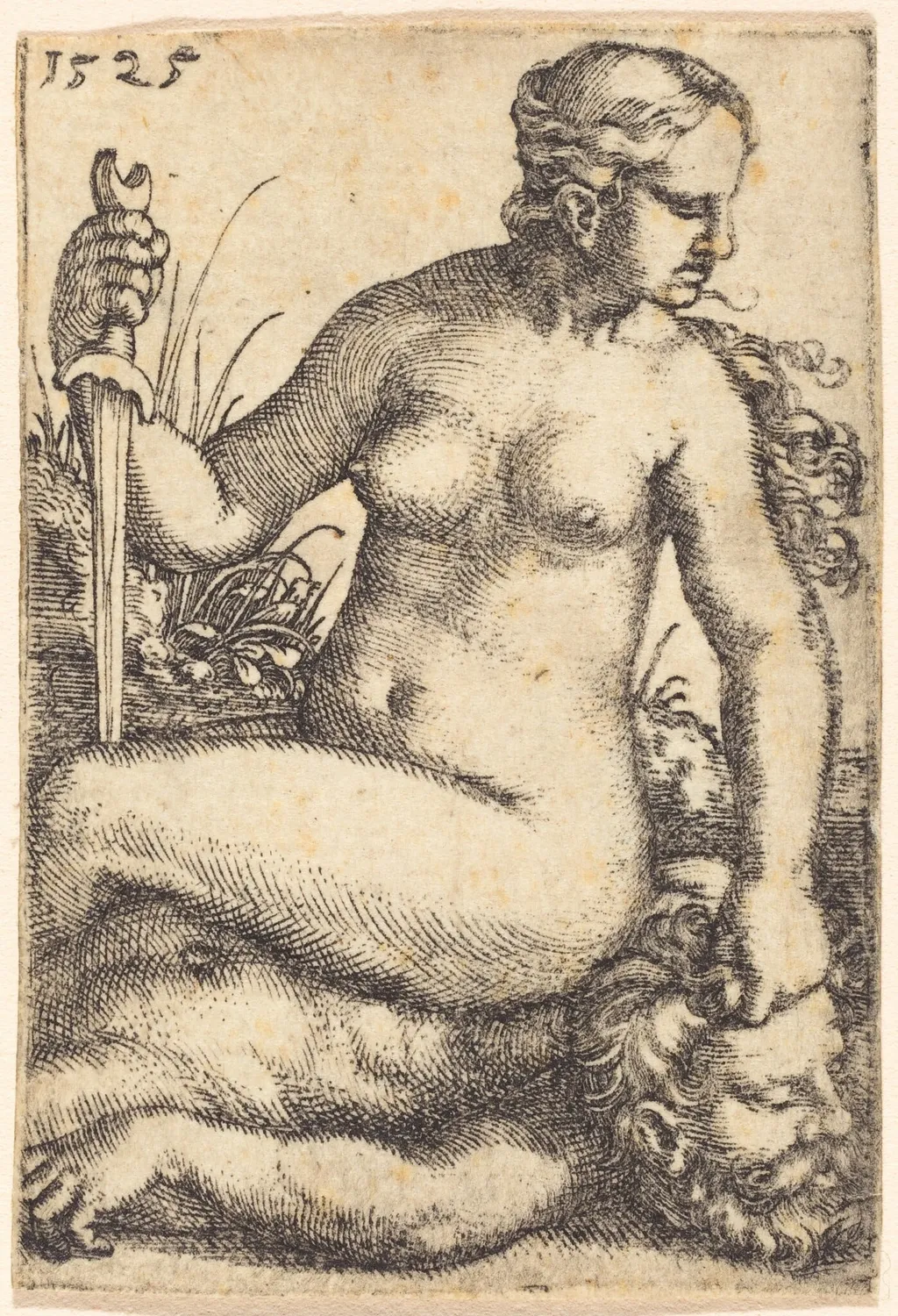
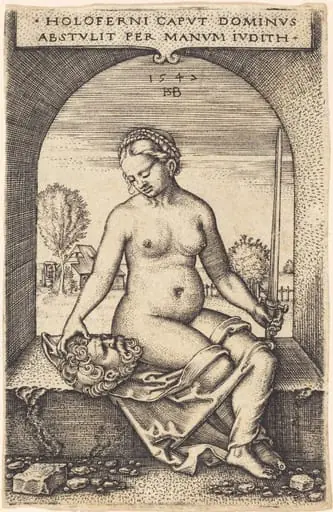
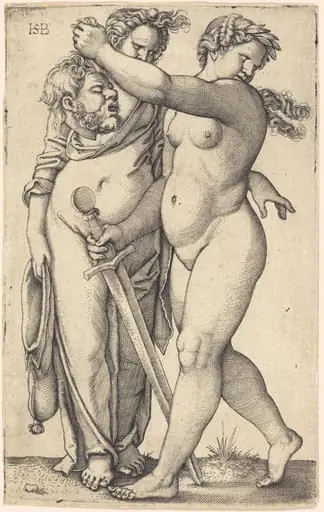
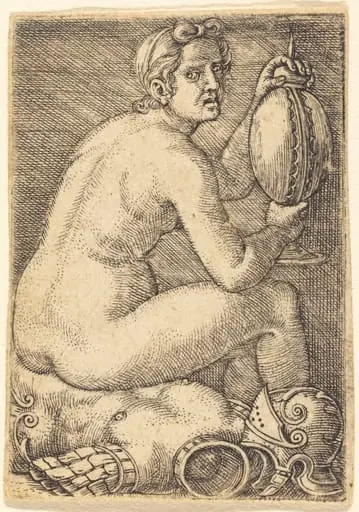
Judith Seated on the Body of Holofernes is an ink print by the Renaissance artist Barthel Beham. It dates from 1525 and is held in the collection of the National Gallery of Art.
About this work
Overview
Barthel Beham’s engraving, dated 1525, depicts the biblical heroine Judith seated beside the slain Holofern. Executed on laid paper, the print presents a stark composition in which Judith rests on the ground, the severed head of Holofern cradled in her lap, while a sword and a scroll occupy her hands.
Subject & Meaning
The scene captures the climactic moment after Judith’s decisive act of beheading the Assyrian general Holofern, a narrative drawn from the deuterocanonical Book of Judith. By positioning the heroine in a calm, seated pose amid the fallen body, the image emphasizes both her triumph and the moral gravity of her deed.
Technique & Style
Beham employed fine, parallel lines in a cross‑hatching technique to achieve deep, velvety shadows and a sense of three‑dimensionality. The sharp, dark incisions contrast with lighter areas, giving the figures a sculptural quality that heightens the drama of the encounter.
History & Provenance
Created in the early sixteenth century, the print belongs to a period when Northern European artists frequently explored biblical themes through intricate engravings. While specific ownership records are scarce, the work has been documented in several major print collections and remains a representative example of Beham’s output.
Context
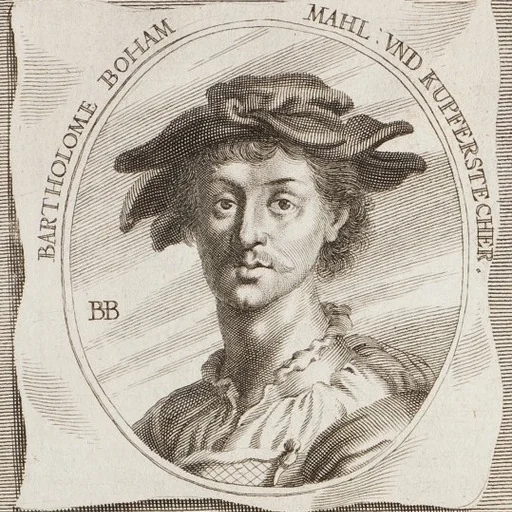
Barthel Beham, a member of the so‑called “Little Masters,” worked within the German Renaissance tradition that valued meticulous detail and expressive line work. His treatment of Judith reflects contemporary interest in heroic female figures and the moral lessons they embodied.
Legacy
The engraving has been cited in scholarly discussions of Renaissance printmaking for its precise line work and its contribution to the visual canon of Judith and Holofern. It continues to serve as a reference point for studies of narrative composition and the technical possibilities of early engraving.
Own this work as a print
Artist & collection

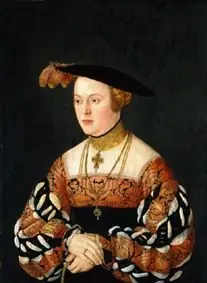 Portrait of Marie of Baden
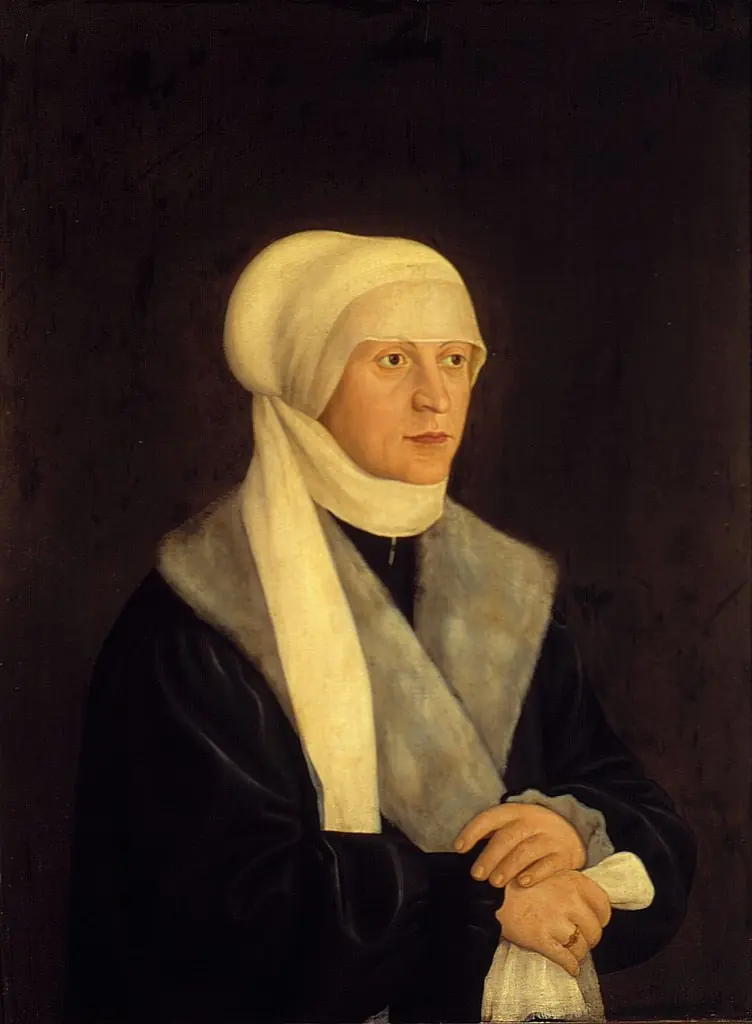 Portrait of Sabina of Bavaria
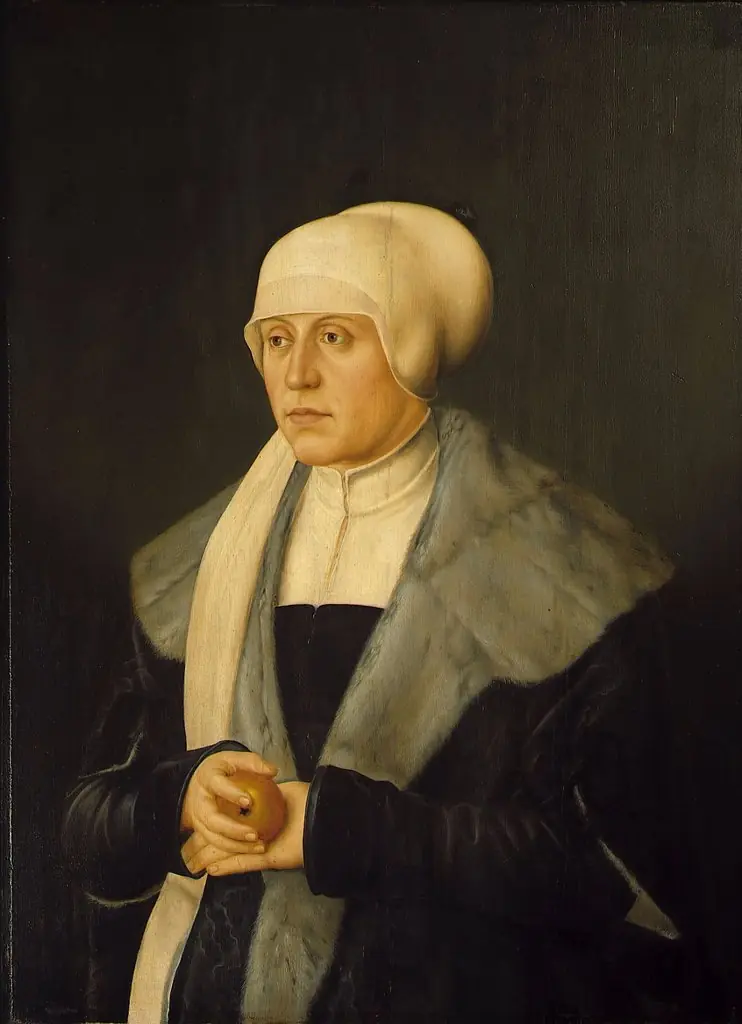 Kunigunde of Austria, wife of Duke Albrecht IV of Bavaria
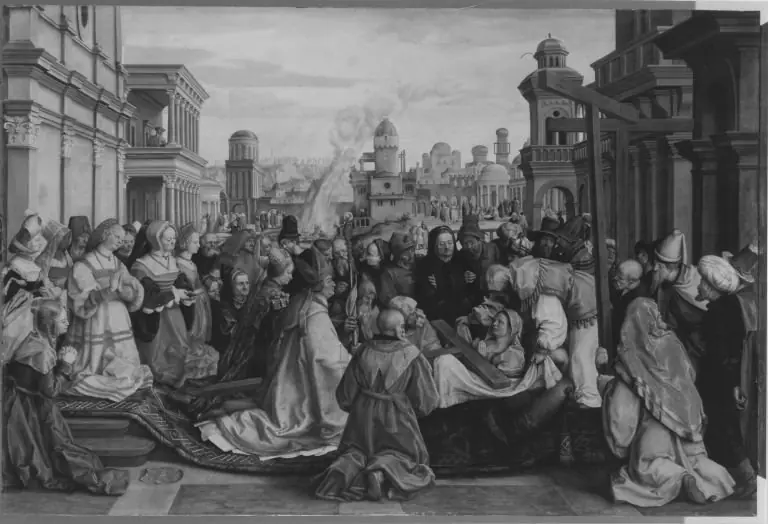 Historienzyklus: Kreuzauffindung der hl. Helena
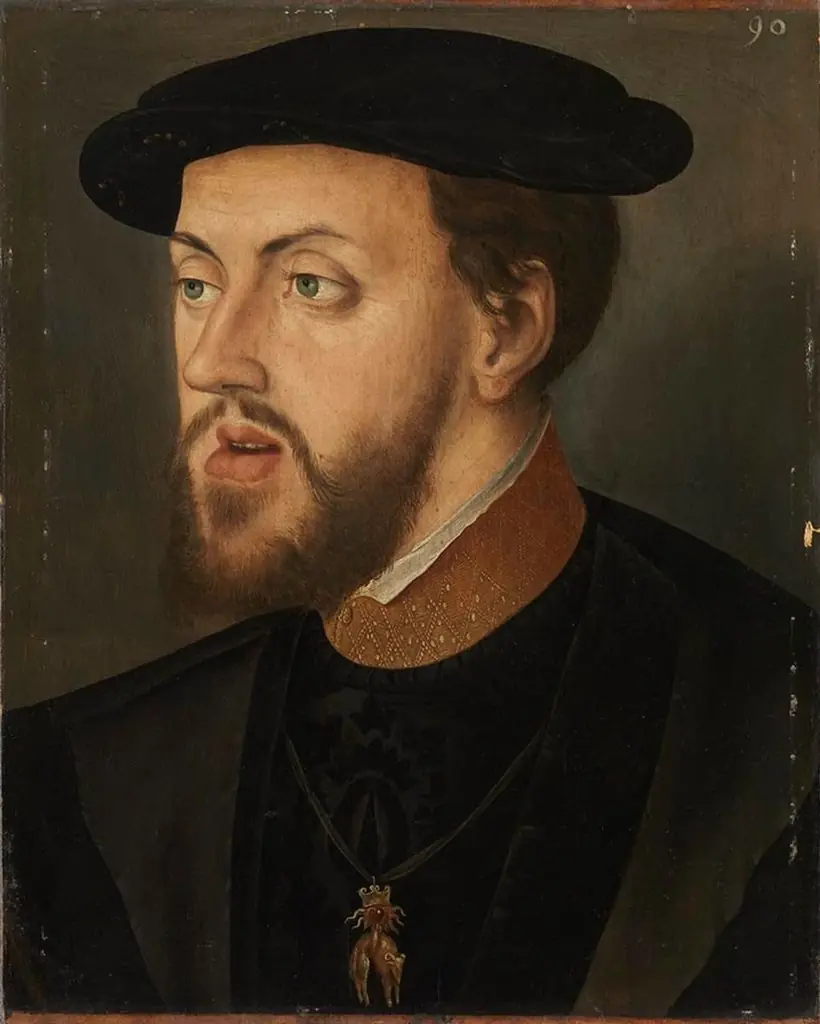 Emperor Charles V
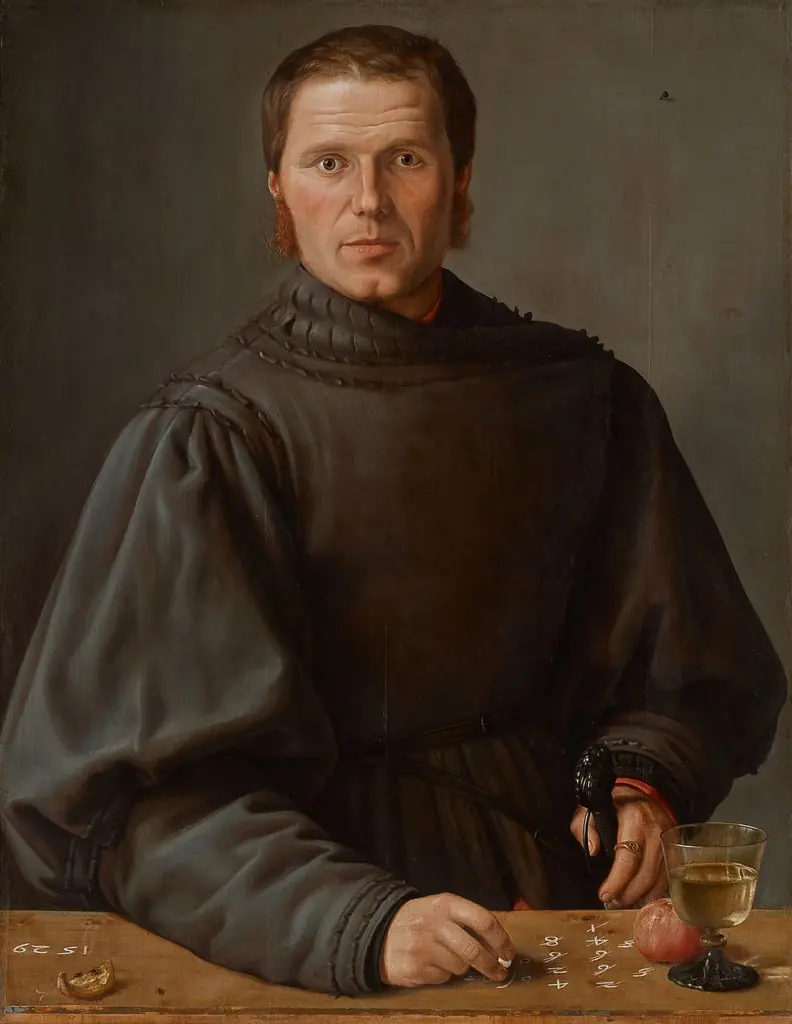 Portrait of a Man
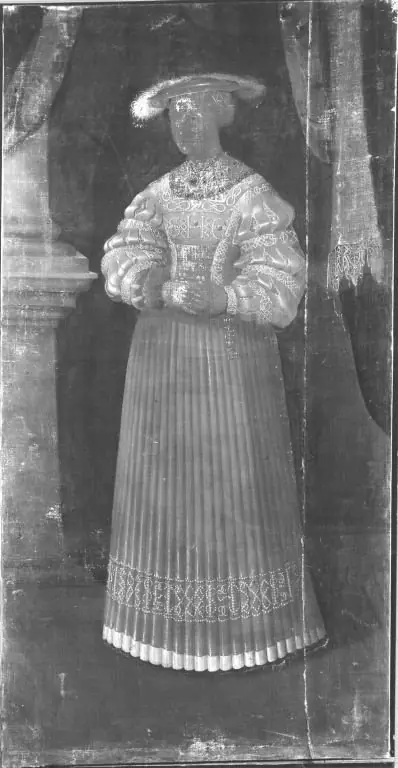 Susanna von Brandenburg, Gemahlin Ottheinrichs (Seitenverkehrte Kopie nach Inv.-Nr. 2450) (Kopie nach)
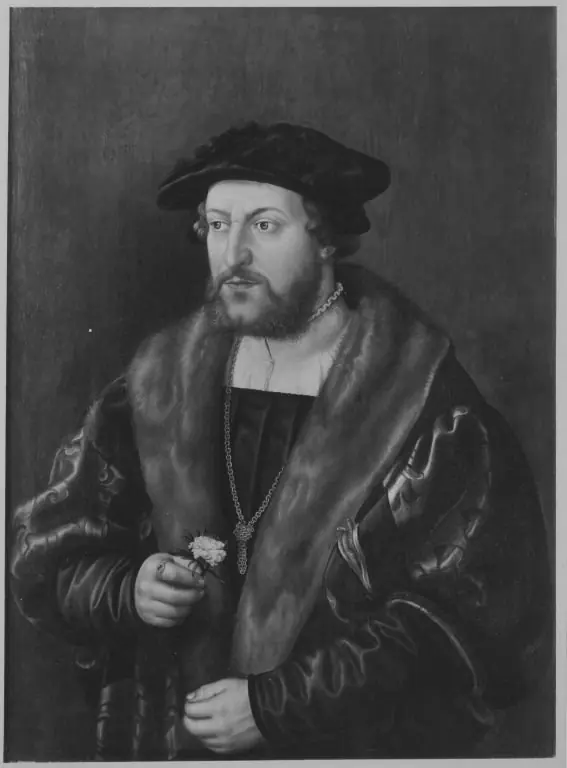 Portrait of Herzog Johann III, Paltzgraf bei Rhein (1488-1538)