Artwork
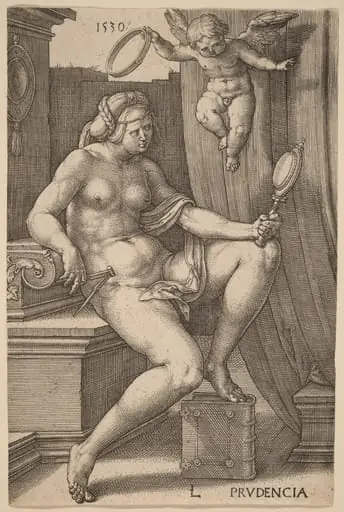
Naked Woman on an Armor (Prudentia?)
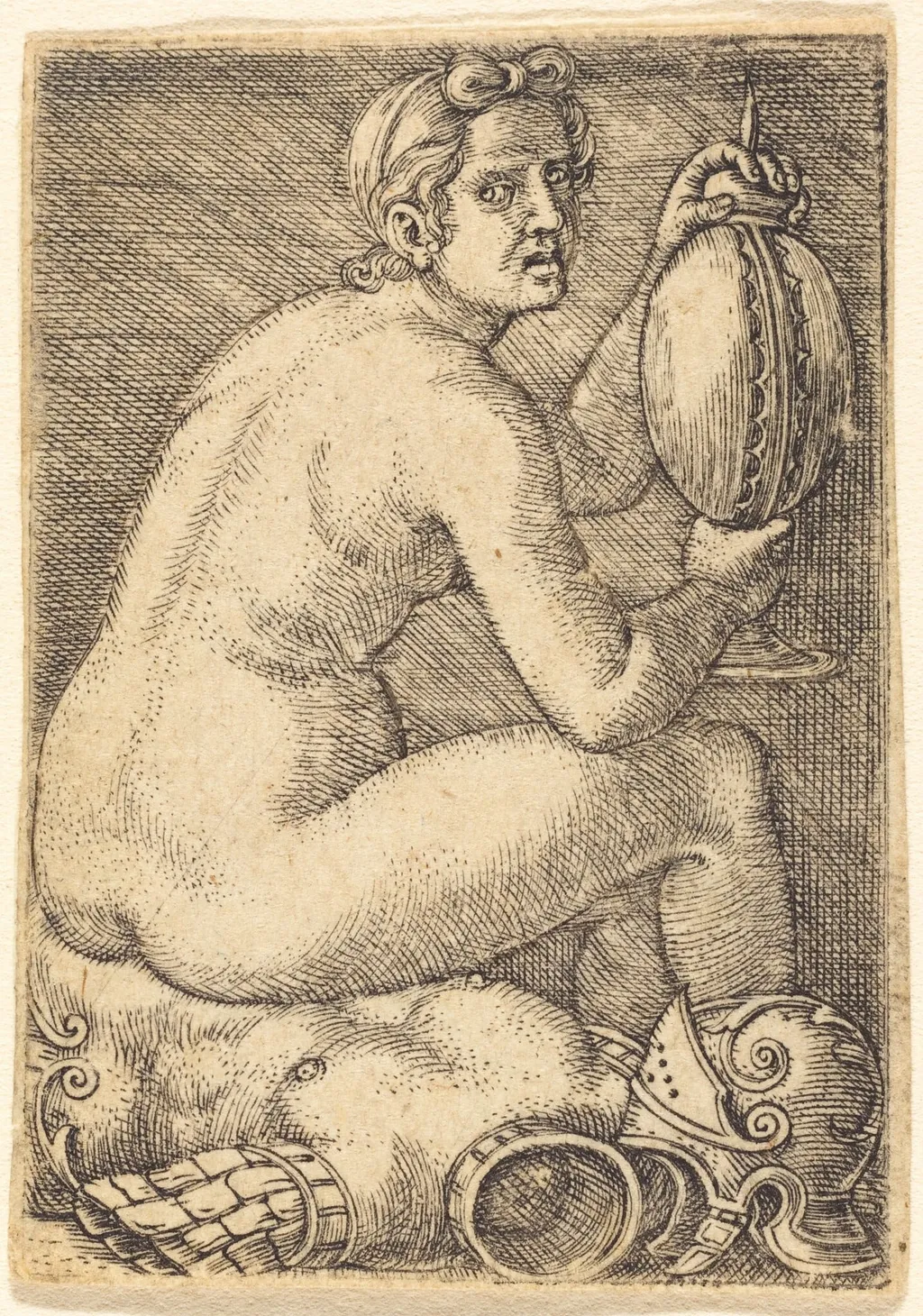
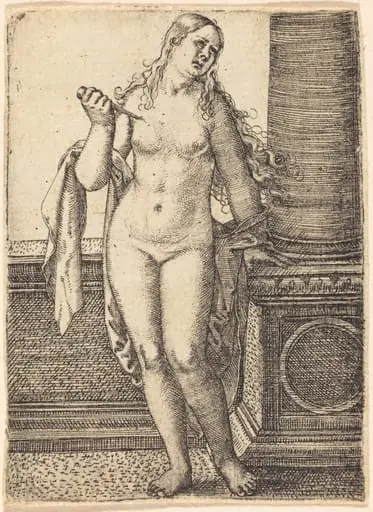
Naked Woman on an Armor (Prudentia?) is an ink print by the Renaissance artist Barthel Beham. It dates from 1526 and is held in the collection of the National Gallery of Art.
About this work
Overview
Barthel Beham’s engraving, dated around 1526, presents a nude female figure reclined on a slab of armor. The composition places the woman’s torso draped in a loosely folded cloth, her head supported by one arm, while the other arm grasps a shield bearing an enigmatic emblem. Nearby lie a helmet and a gauntlet, completing the martial setting.
Subject & Meaning
The work juxtaposes vulnerability and martial power, contrasting the softness of the partially covered body with the hard, abandoned armor.
The work juxtaposes vulnerability and martial power, contrasting the softness of the partially covered body with the hard, abandoned armor. The shield’s obscure symbol invites speculation about allegorical or moral connotations, perhaps alluding to virtues such as prudence, though the precise intent remains uncertain. The figure’s relaxed pose suggests a moment of repose amid the remnants of battle.
Technique & Style
Beham employs the fine, cross‑hatching characteristic of early 16th‑century engraving to render texture and volume. Delicate lines build the sheen of metal on the helmet and gauntlet, while broader, softer strokes suggest the drapery’s folds. This meticulous line work creates a nuanced play of light and shadow, giving the composition a tactile depth without the use of tone washes.
History & Provenance
Created in the German Renaissance, the print reflects Beham’s engagement with both classical nude studies and contemporary armor motifs. Though specific ownership records are sparse, the engraving survives in several museum collections, indicating it was reproduced and circulated among collectors of the period, contributing to Beham’s reputation as a skilled printmaker.
Artist & collection

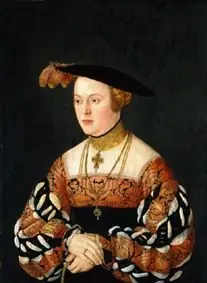 Portrait of Marie of Baden
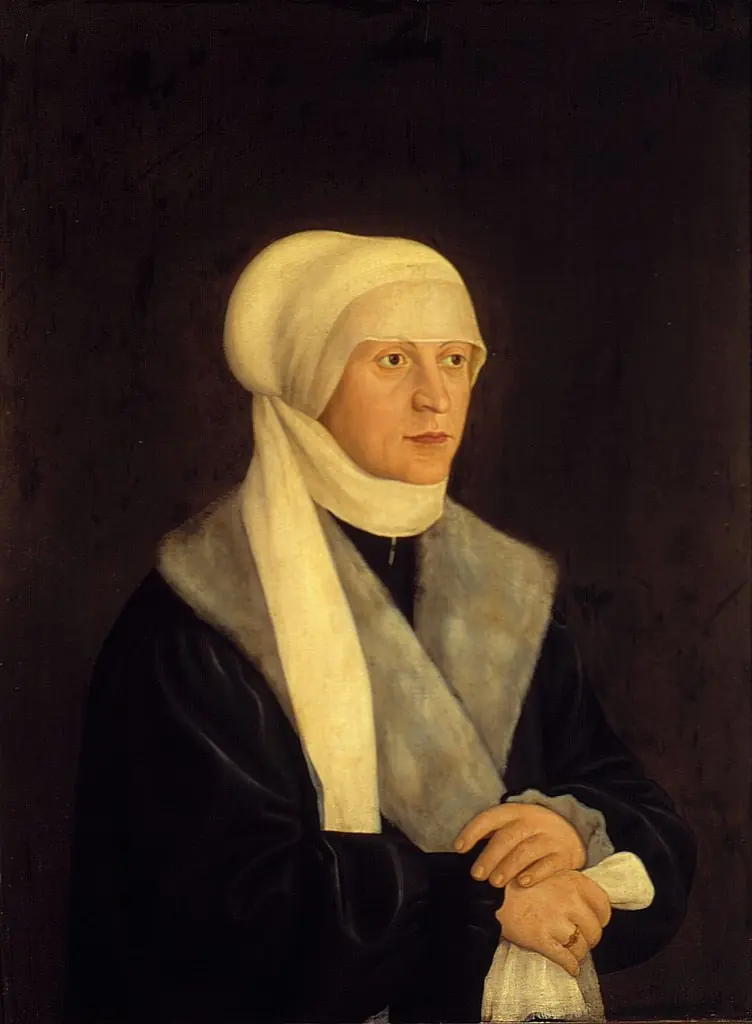 Portrait of Sabina of Bavaria
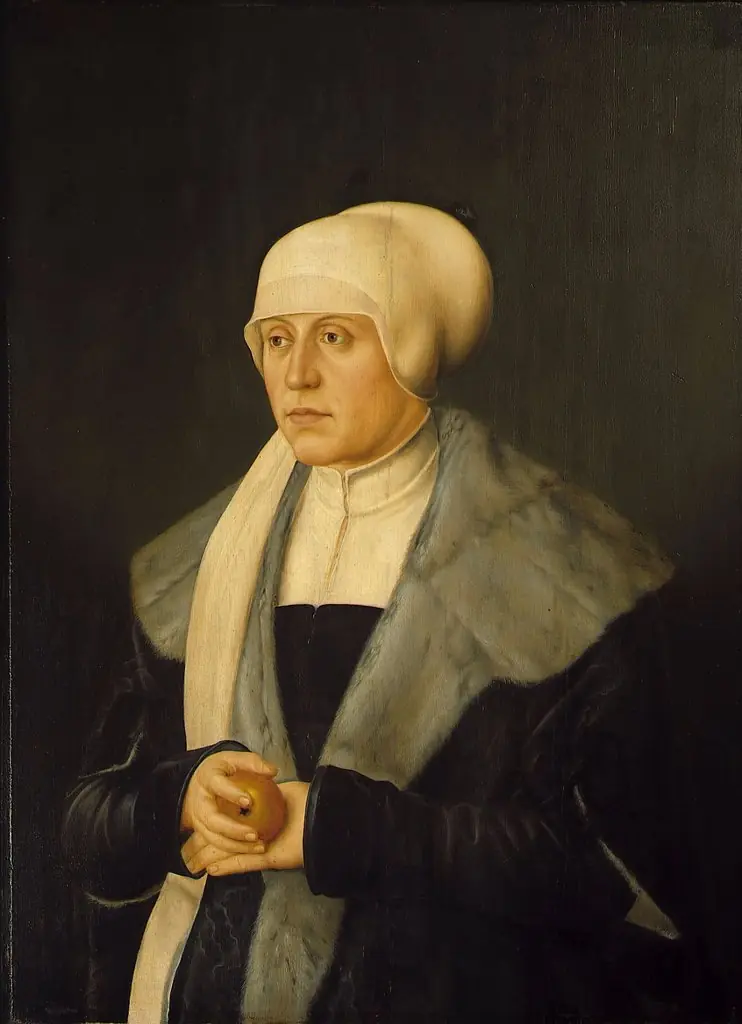 Kunigunde of Austria, wife of Duke Albrecht IV of Bavaria
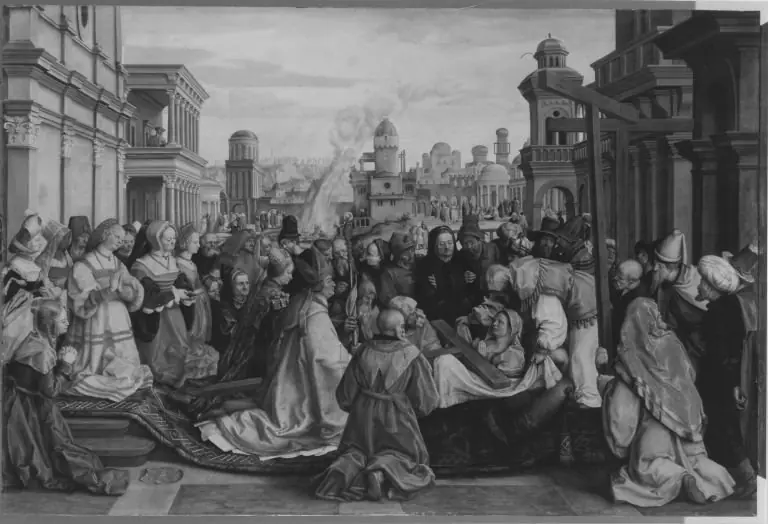 Historienzyklus: Kreuzauffindung der hl. Helena
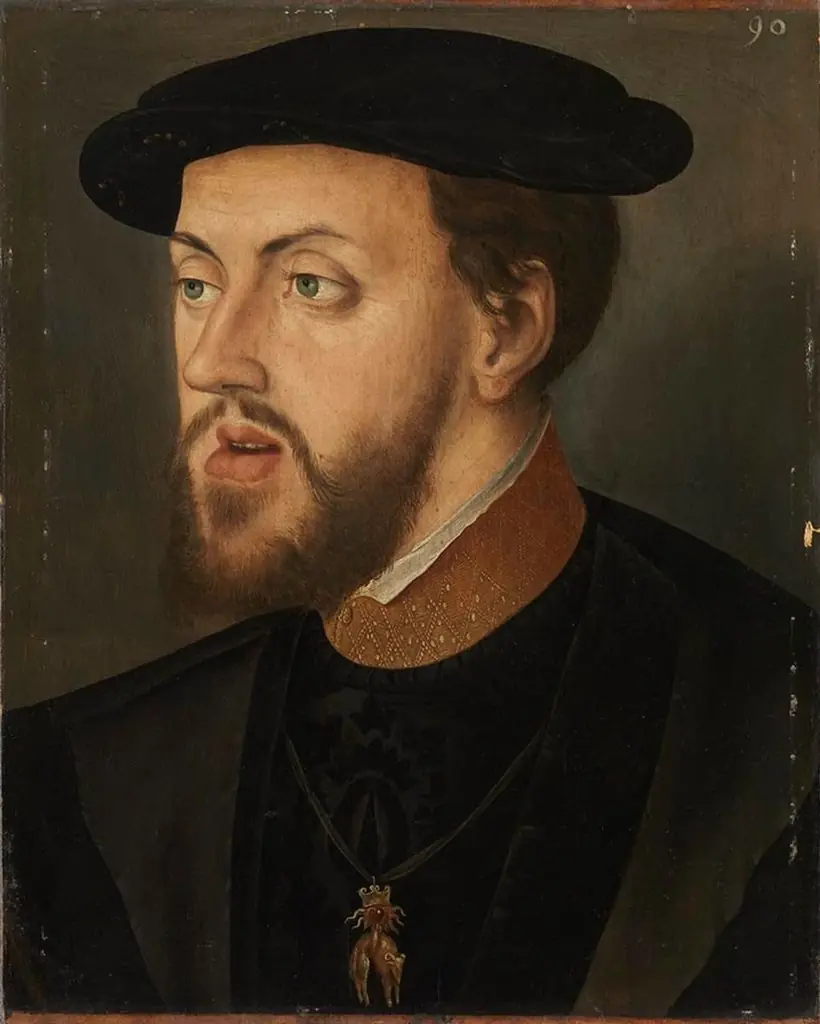 Emperor Charles V
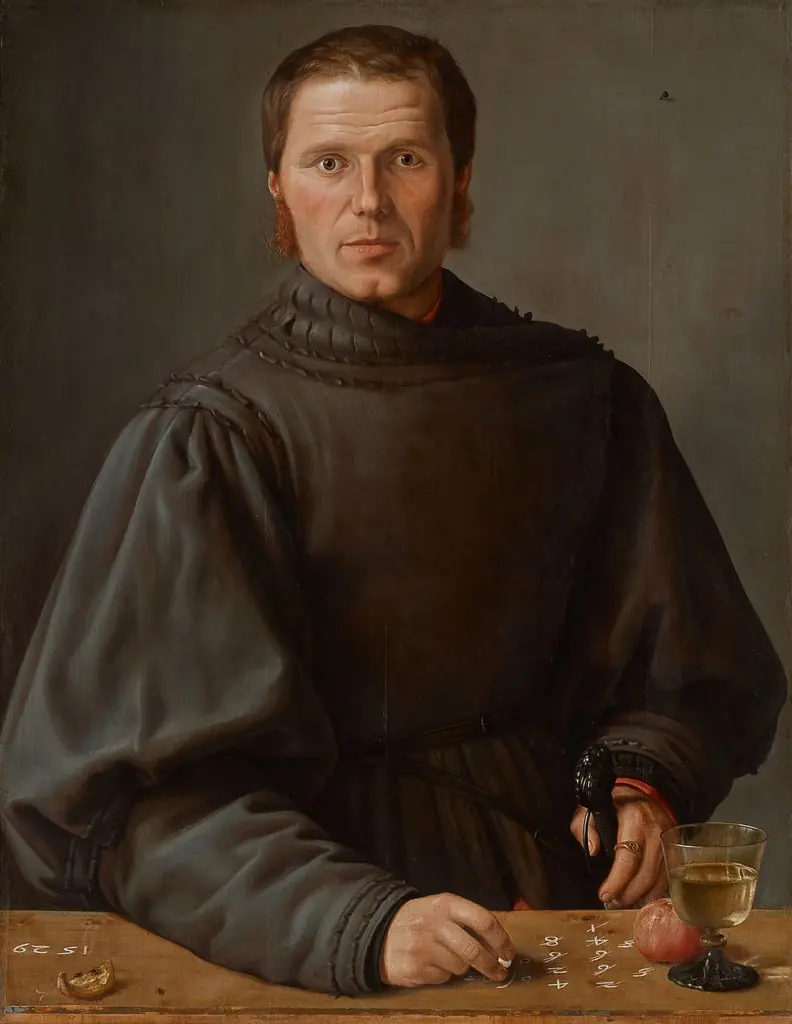 Portrait of a Man
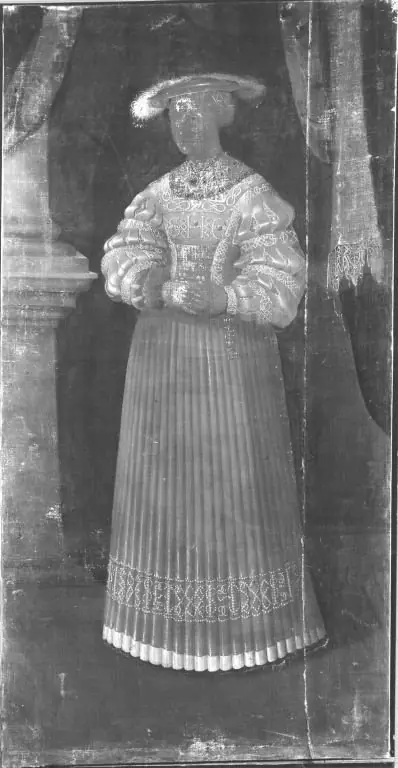 Susanna von Brandenburg, Gemahlin Ottheinrichs (Seitenverkehrte Kopie nach Inv.-Nr. 2450) (Kopie nach)
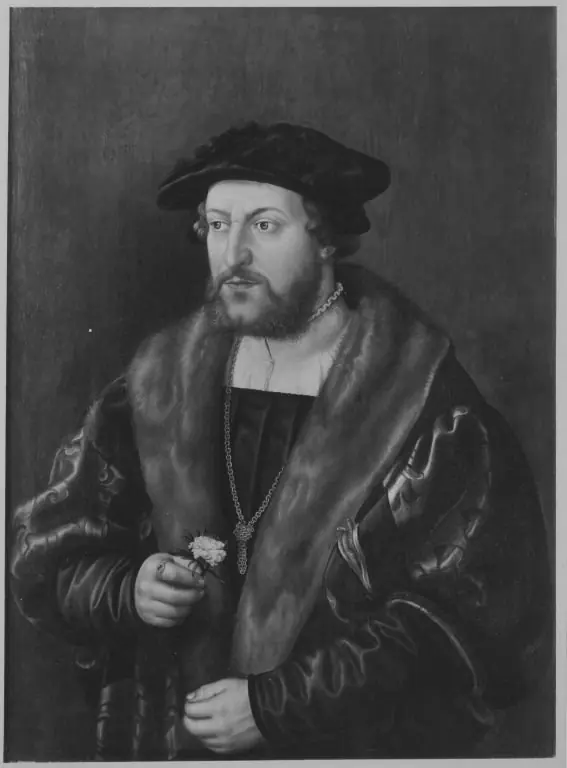 Portrait of Herzog Johann III, Paltzgraf bei Rhein (1488-1538)