Artwork
Capital and Base of a Column
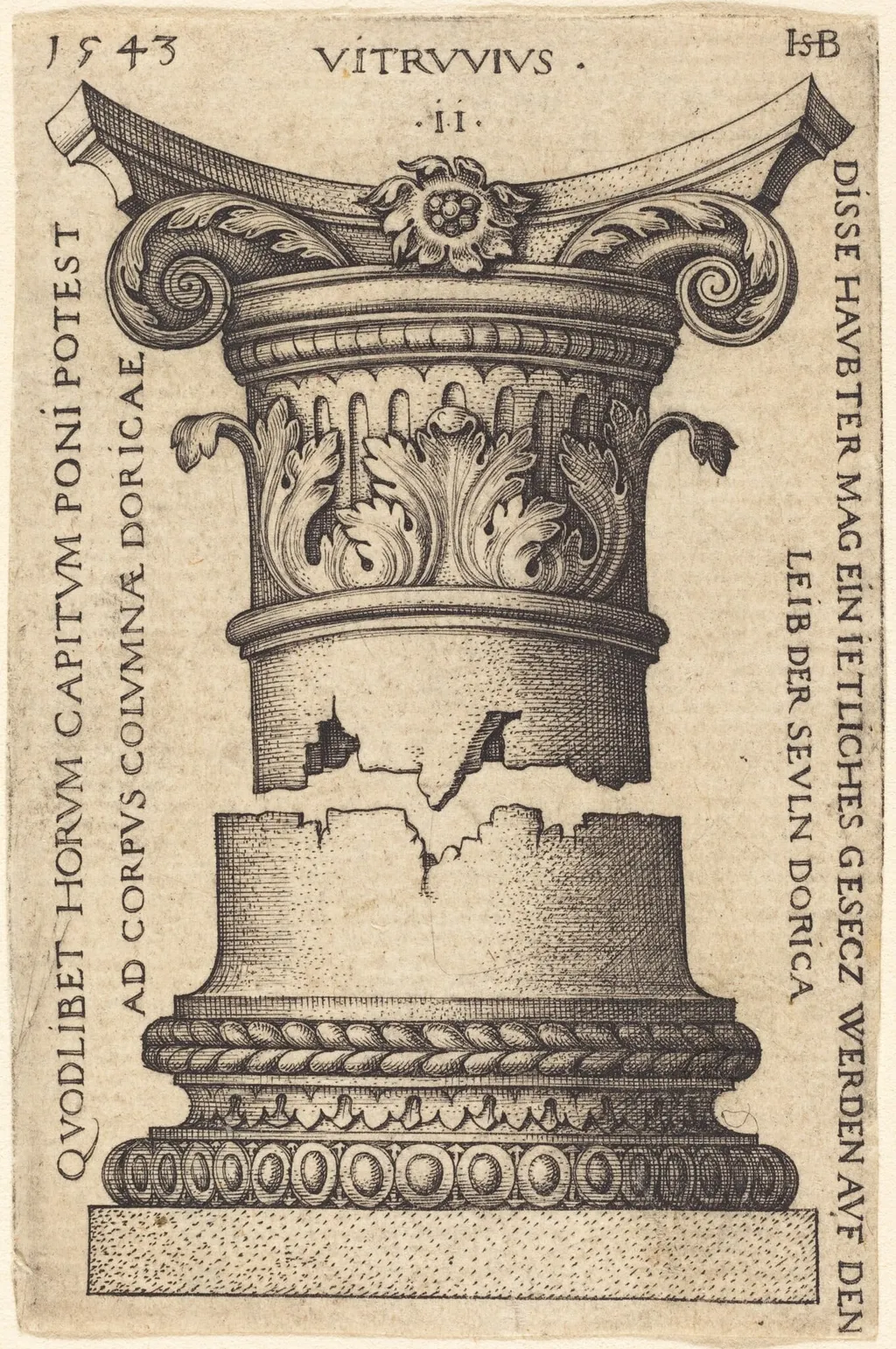
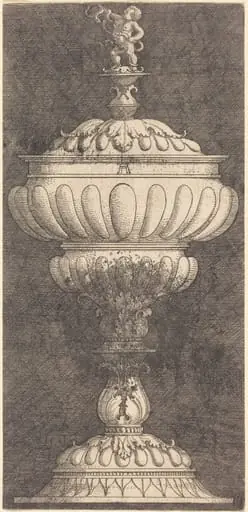
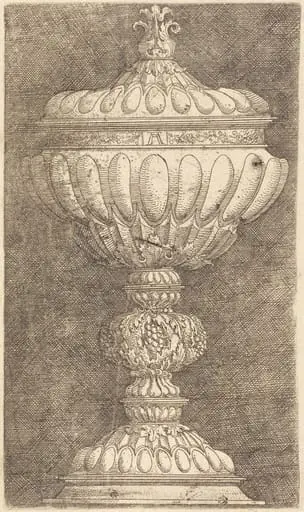
Capital and Base of a Column is an ink print by the Renaissance artist Sebald Beham. It dates from 1543 and is held in the collection of the National Gallery of Art.
About this work
This engraving shows two perfect columns—one tall and slim, one short and wide.
This engraving shows two perfect columns—one tall and slim, one short and wide. The lines are sharp and clean, like a ruler drew them. You can almost feel the weight of stone in the curves.
Sebald Beham made this in 1543 to show how columns hold up buildings. He didn’t paint color—just black lines on white paper. That’s called engraving. The tiny lines next to each other are called cross-hatching. It makes shadows look real.
Look up Beham, Sebald next.
Overview
Capital and Base of a Column is an engraving created by Sebald Beham in 1543. It showcases the artist's expertise in precise and detailed printmaking.
Subject & Meaning
The engraving depicts two column components, illustrating the structural elements that support buildings. Beham's work highlights the importance of these architectural features.
Technique & Style
Beham employed engraving techniques, using sharp lines and cross-hatching to create a sense of depth and texture. The print's precision reflects his skill as a printmaker and his contribution to the German Renaissance tradition.
History & Provenance
Sebald Beham was a German printmaker active in the 16th century, associated with the 'Little Masters' group. He worked in Nuremberg and Frankfurt, producing numerous engravings that demonstrated his technical proficiency.
Artist & collection
Artist
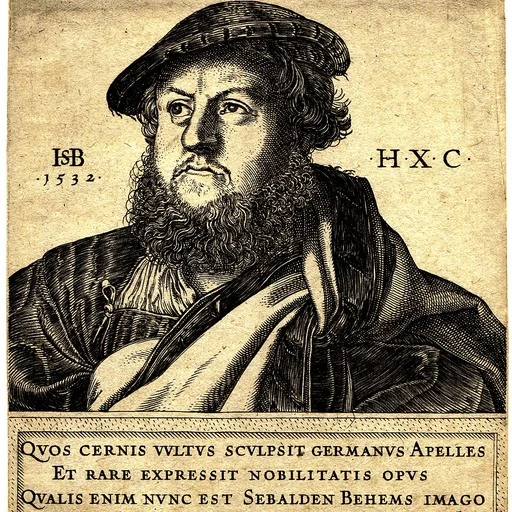
Sebald Beham (1500–1550) was a German painter and printmaker, mainly known for his very small engravings.