Artwork
Capital and Base of a Column
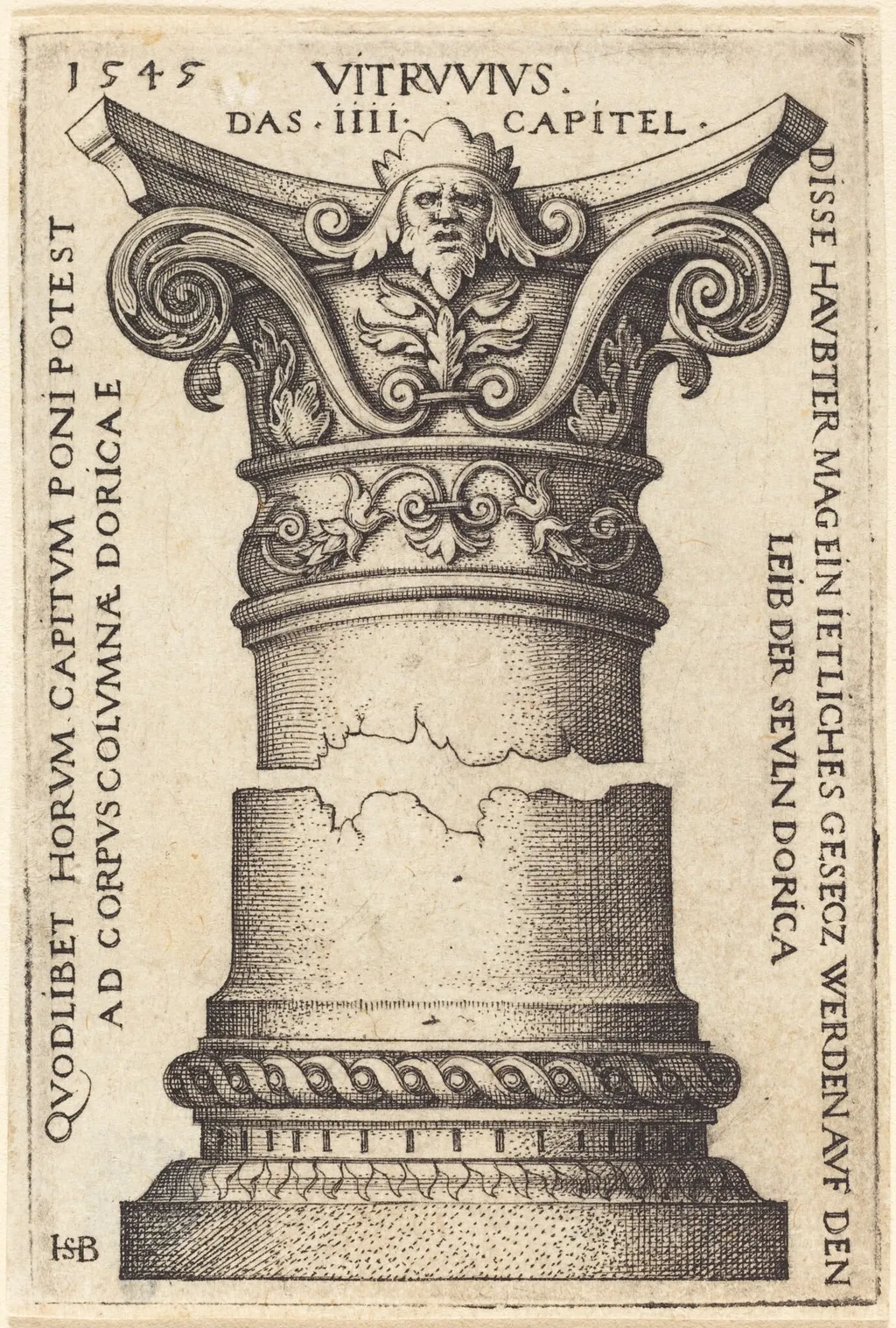
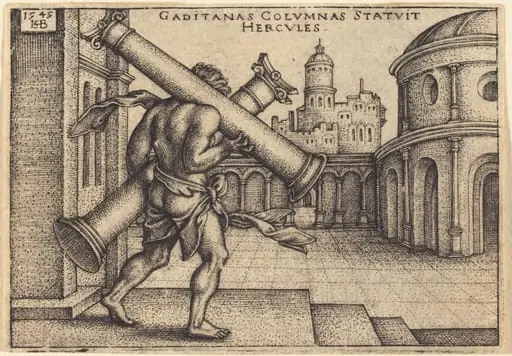
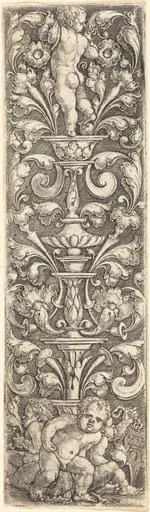
Capital and Base of a Column is an ink print by the Renaissance artist Sebald Beham. It dates from 1545 and is held in the collection of the National Gallery of Art.
About this work
Overview
Sebald Beham, a 16th‑century German engraver from Nuremberg, produced the print *Capital and Base of a Column* in 1545. Executed as a small‑scale engraving, the work records the lower and upper parts of a classical column with meticulous attention to detail, reflecting the artist’s reputation for compact, highly finished images.
Subject & Meaning
The image functions as a technical illustration rather than a narrative scene, presenting the column’s base and capital side by side. By isolating these architectural elements, the print serves as a visual guide to the proportions and decorative motifs of classical orders, useful for craftsmen and designers seeking accurate references.
Technique & Style
Beham employed fine, incised lines to render each groove, fluting, and molding with clarity. The engraving’s restrained composition and crisp hatching emphasize the structural geometry of the column, while the modest size underscores the artist’s focus on precision over ornamental excess, a hallmark of the “Little Masters” circle.
History & Provenance
Created during Beham’s productive period in Frankfurt, the print was likely intended for distribution among architects, sculptors, and other artisans. It later entered the collection of the National Gallery of Art in Washington, where it is catalogued among other period prints that document the diffusion of classical architectural knowledge in Northern Europe.
Artist & collection
Artist
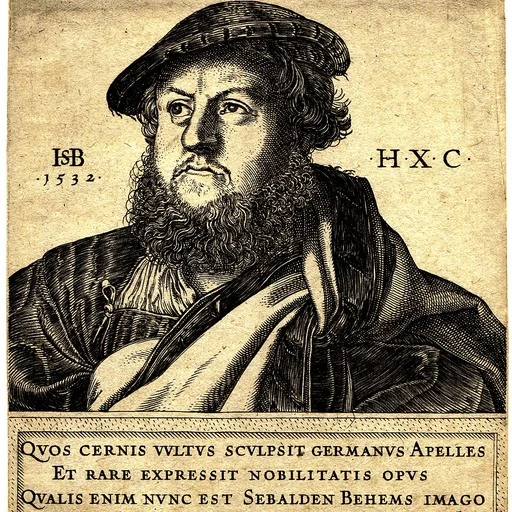
Sebald Beham (1500–1550) was a German painter and printmaker, mainly known for his very small engravings.