Artwork
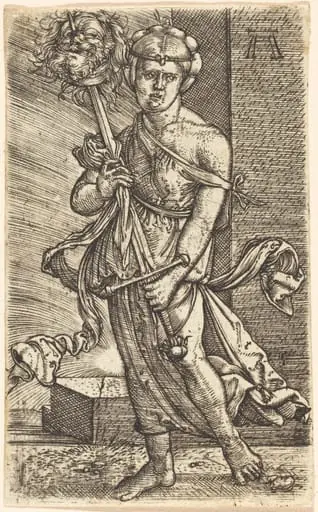
Lucretia Standing
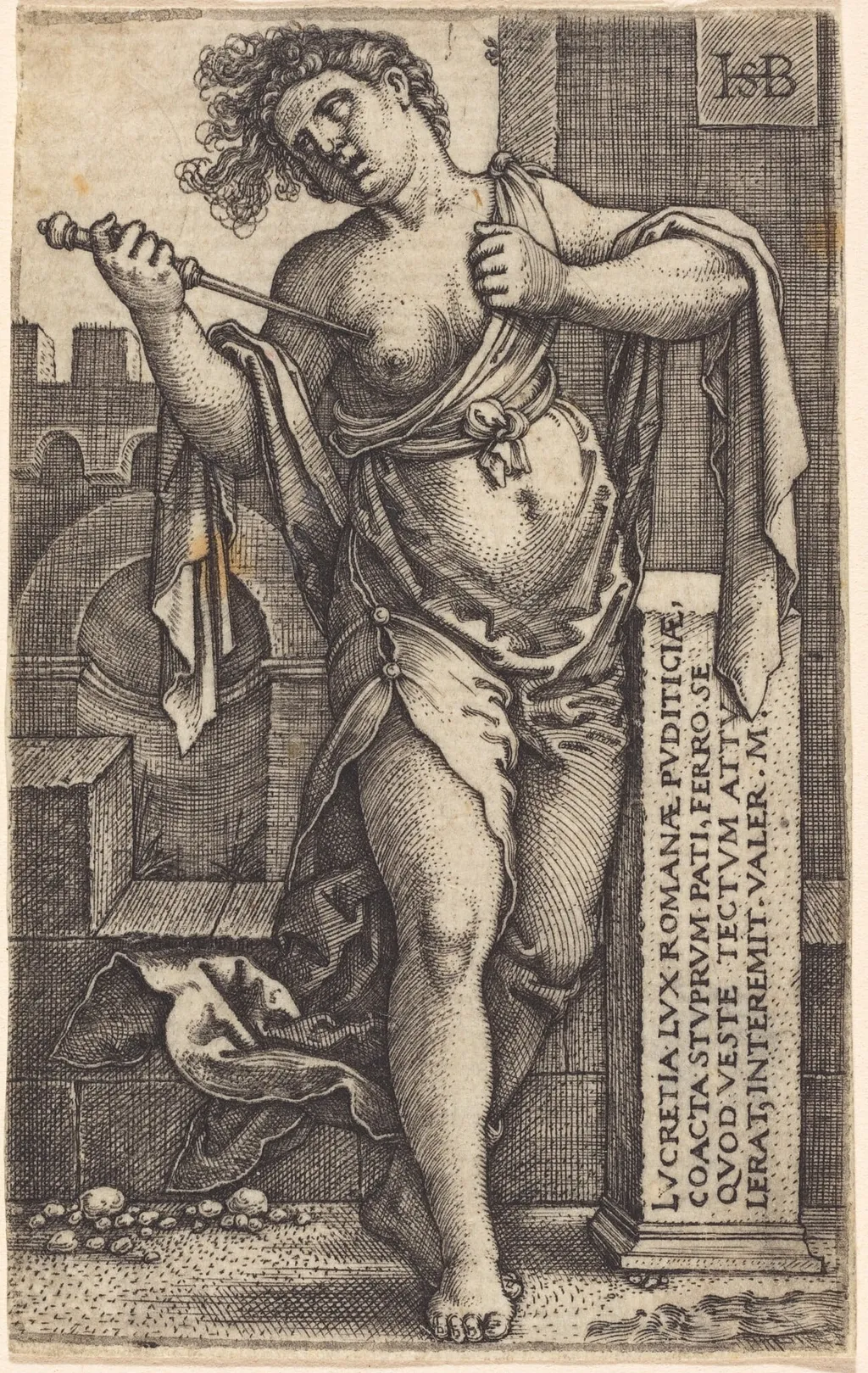
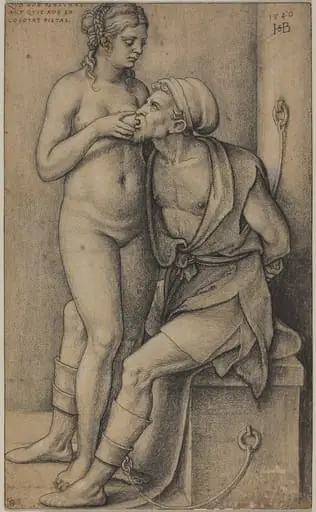
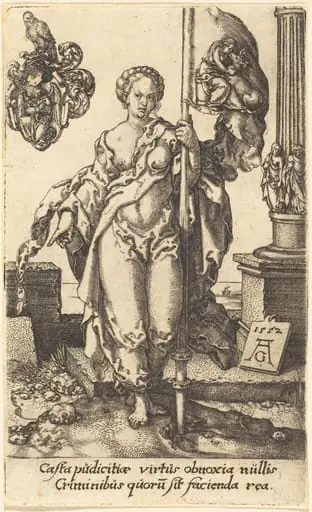
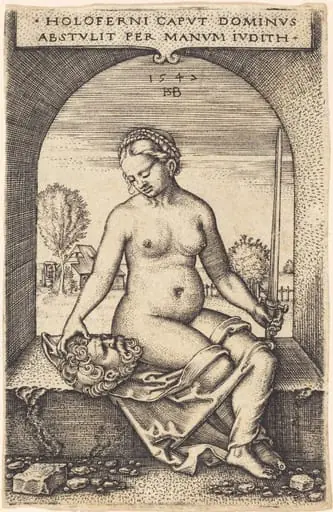
Lucretia Standing is an ink print by the Renaissance artist Sebald Beham. It dates from 1540 and is held in the collection of the National Gallery of Art.
About this work
Overview
Sebald Beham, a Nuremberg‑born painter and printmaker active in the early sixteenth century, produced the engraving *Lucretia Standing* circa 1540. The work belongs to the small‑format tradition of the so‑called Little Masters, a circle of German artists who followed Albrecht Dürer’s innovations in printmaking.
Subject & Meaning
The image presents a muscular female figure identified as Lucretia, the Roman heroine whose suicide after a sexual assault became a symbol of virtue and civic liberty. She is shown poised with a knife in her right hand and a cloth in her left, her stance suggesting an imminent act of self‑sacrifice.
Technique & Style
Beham employs fine, incisive lines and cross‑hatching to render the anatomy of the figure, the drapery, and the surrounding elements with a convincing sense of volume. The contrast of sharp outlines against delicate shading emphasizes both the flesh of the body and the texture of the cloth.
Context
Created during the Reformation era, the engraving reflects the period’s interest in classical exempla and moral exemplarity. As a member of the Little Masters, Beham’s work circulated widely among collectors who prized intricate, portable prints that combined technical skill with learned subjects.
Artist & collection
Artist
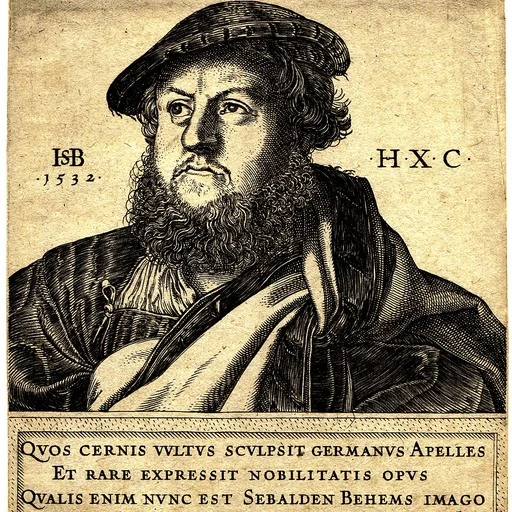
Sebald Beham (1500–1550) was a German painter and printmaker, mainly known for his very small engravings.