Artwork
Melencolia (Melancholy)
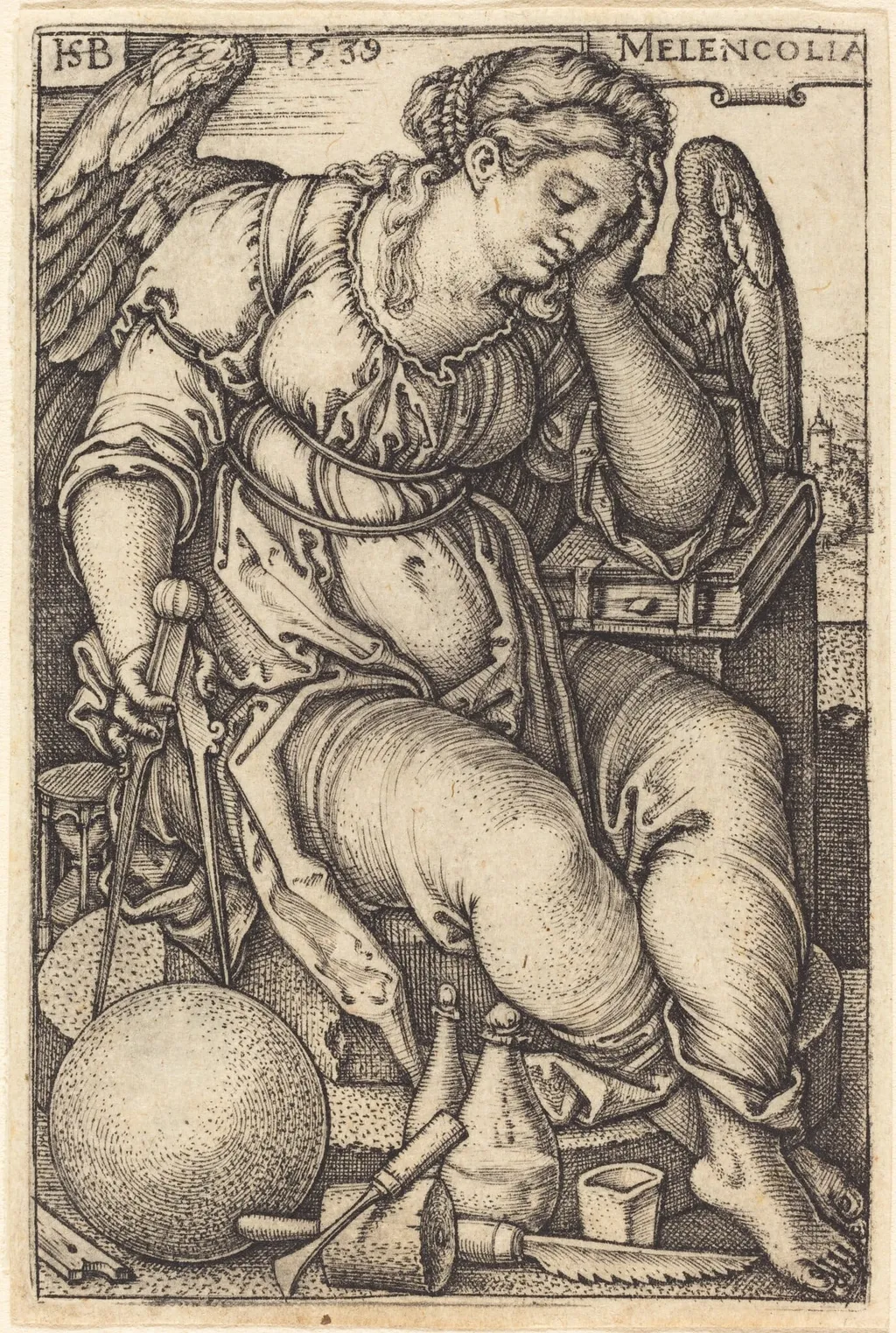
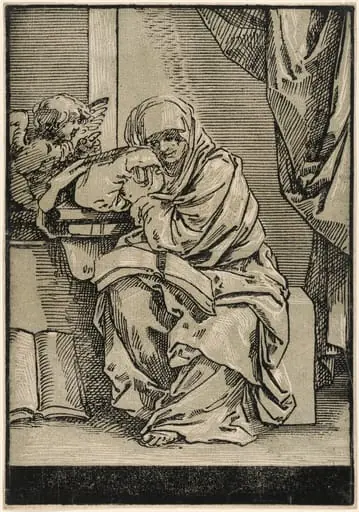
Melencolia (Melancholy) is an ink print by the Renaissance artist Sebald Beham. It dates from 1539 and is held in the collection of the National Gallery of Art.
About this work
Overview
Sebald Beham's 1539 engraving, Melencolia, is a characteristic example of his intricate printmaking style. As a member of the 'Little Masters,' Beham was known for his technically precise and detailed works.
Subject & Meaning
The engraving depicts a symbolic representation of melancholy, a state associated with creativity and introspection. The figure's troubled expression and idle tools suggest a state of frustration or deep contemplation.
Technique & Style
Melencolia showcases Beham's mastery of engraving, a technique that requires great precision and craftsmanship. The work's intricate details and textures reflect the artist's skill and the Northern Renaissance printmaking tradition.
Context
Beham's work was influenced by the Northern Renaissance, particularly the generation of Albrecht Dürer. His engraving is part of a broader tradition of detailed and intricate printmaking.
Artist & collection
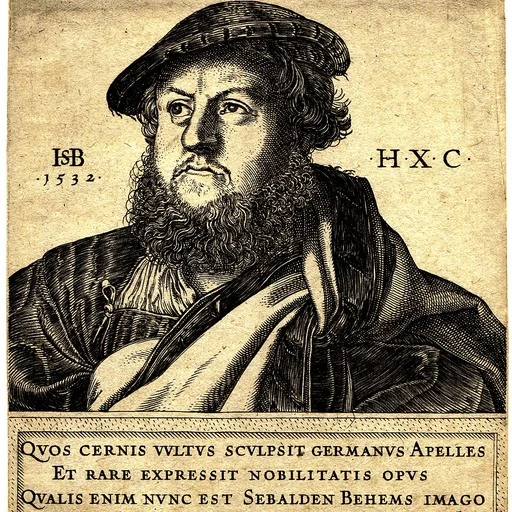
Artist
Sebald Beham (1500–1550) was a German painter and printmaker, mainly known for his very small engravings.