Artwork
Old Bridge, Bridgend, Glamorganshire
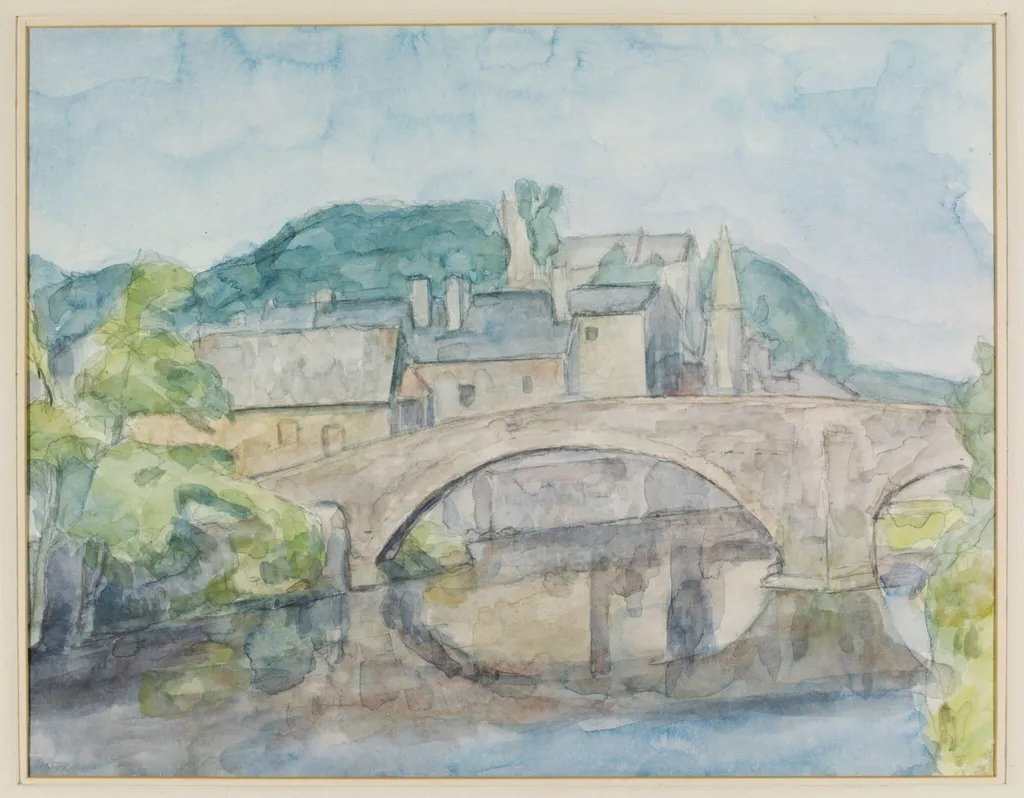
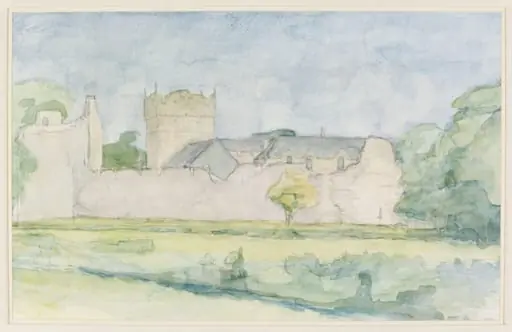
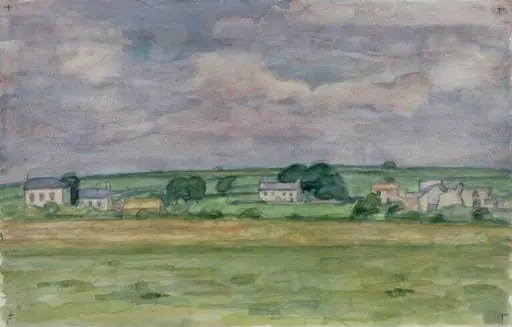
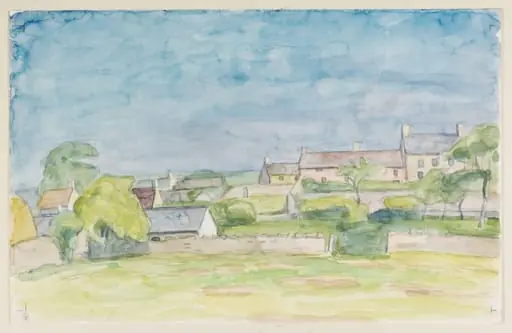
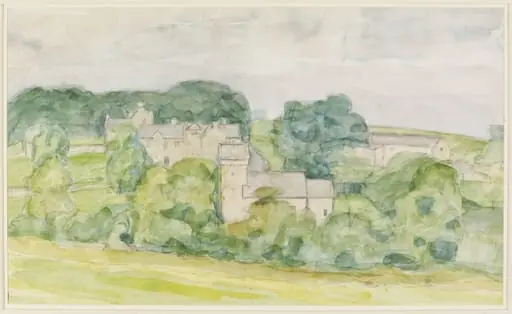
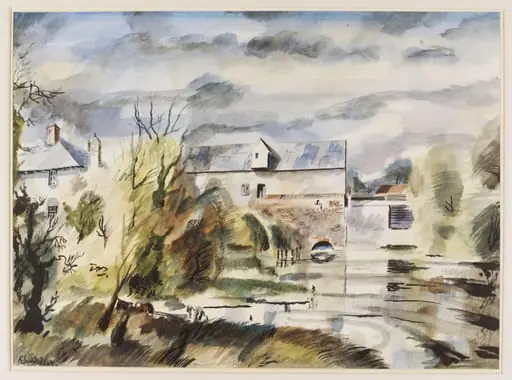
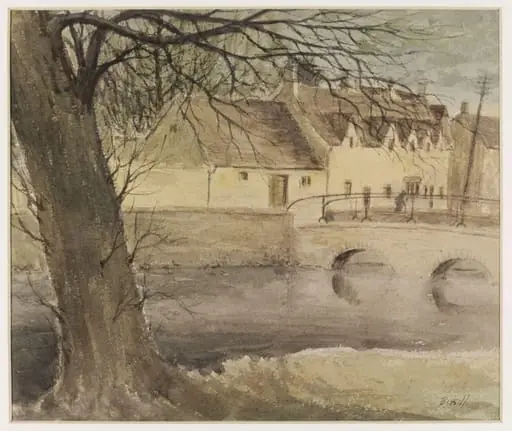
Old Bridge, Bridgend, Glamorganshire is a watercolor work on paper by the Social Realist artist Graham Bell. It dates from 1940 and is held in the collection of the Victoria and Albert Museum.
About this work
Overview
Executed in muted tones, the painting reflects the project’s aim to preserve visual records of places deemed culturally valuable amid the uncertainties of war.
Painted in 1940 by Graham Bell, this watercolour captures the Old Bridge in Bridgend, Glamorganshire, as part of the Recording Britain initiative. The work records a modest but historically significant structure during wartime, emphasizing quiet rural character over dramatic detail. Executed in muted tones, the painting reflects the project’s aim to preserve visual records of places deemed culturally valuable amid the uncertainties of war.
Subject & Meaning
The subject is an eighteenth-century stone bridge crossing the River Ogmore, with two of its arches visible and the village of Bridgend rising gently behind. The composition avoids human activity, focusing instead on the bridge’s enduring presence amid natural and built surroundings. This stillness suggests a meditation on continuity—structures outlasting the turmoil of their time, quietly anchoring the landscape.
Technique & Style
Bell employs broad, flat washes of watercolour to define forms, avoiding fine detail in favor of tonal harmony. Shades of grey, brown, and muted green construct the bridge, trees, and hills with a restrained palette. The sky, lightly rendered in pale blue with faint cloud streaks, adds atmospheric depth without distraction. The technique prioritizes mood over precision, aligning with the Recording Britain ethos of evocative documentation.
History & Provenance
Created during World War II, the painting was commissioned by the Committee for the Employment of Artists in Wartime as part of the Recording Britain project. This initiative sought to document vernacular architecture and landscapes at risk from conflict or neglect. The work entered the Victoria and Albert Museum’s collection as part of this national archive, preserving regional identity through art.
Context
The Recording Britain project emerged as a cultural response to wartime anxiety, aiming to safeguard visual records of England, Wales, and Scotland’s rural and historic scenes. Bell’s depiction of Bridgend’s bridge reflects a broader effort to celebrate unassuming, everyday places—structures that embodied local continuity rather than grandeur. The project’s output now serves as a historical archive of pre-industrial and wartime Britain.
Legacy
The painting endures as a quiet testament to the Recording Britain initiative’s mission. It contributes to a collective visual record of Britain’s lesser-known landscapes during a time of national upheaval. Today, it offers insight into how artists responded to crisis not through spectacle, but through attentive observation of ordinary, enduring places.
Own this work as a print
Artist & collection
Artist
Frank Graham Bell (21 November 1910 – 9 August 1943) was a painter of portraits, landscapes and still-life, and a founder member of the realist Euston Road School.