Artwork
The Reward of Cruelty
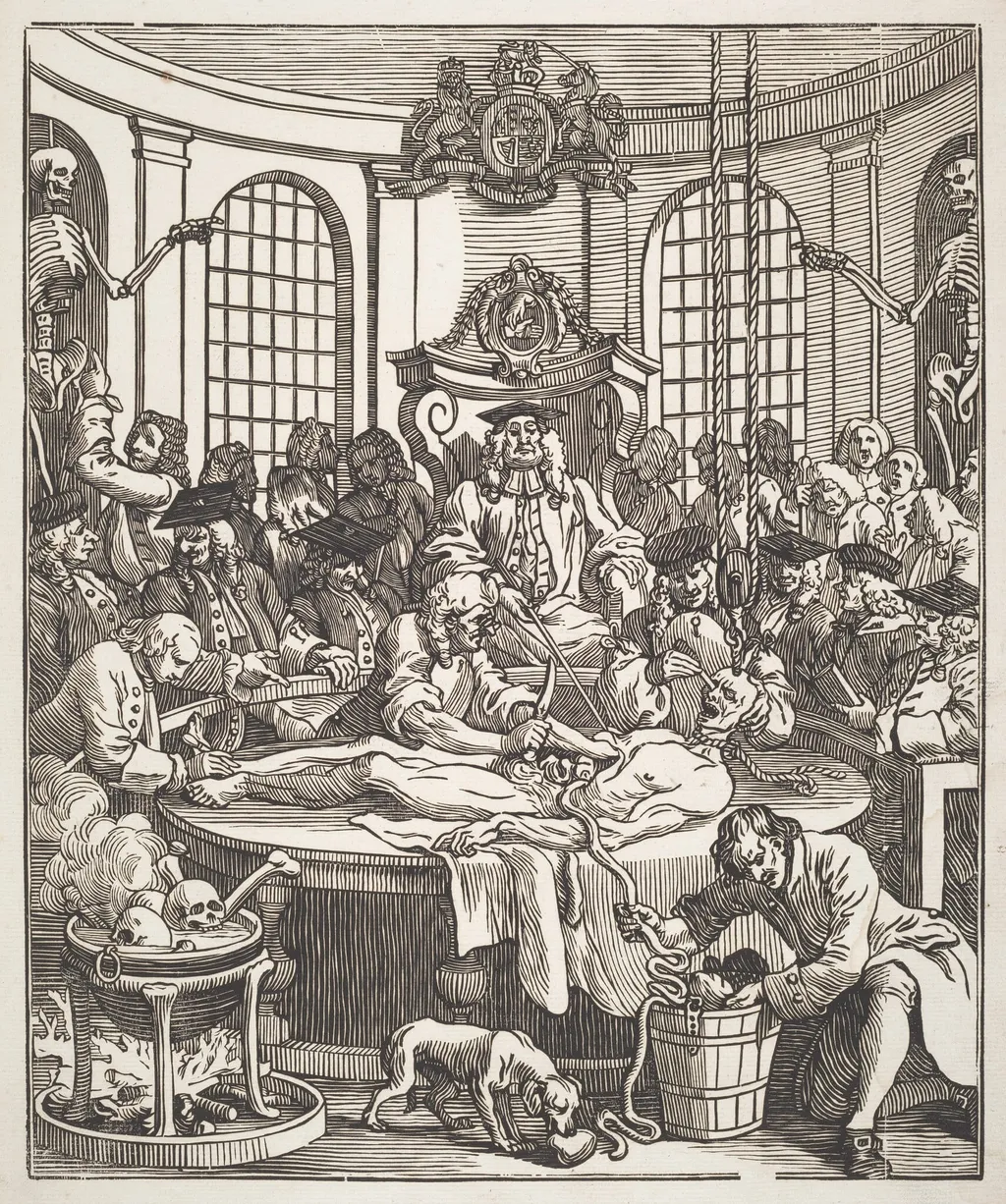
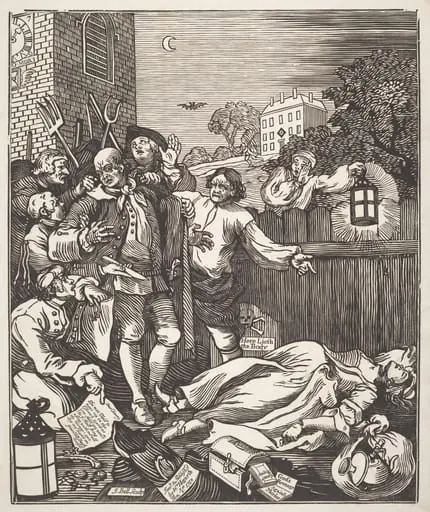
The Reward of Cruelty is an ink print by the Romanticist artist John Bell. It dates from 1750 and is held in the collection of the National Gallery of Art.
About this work
Overview
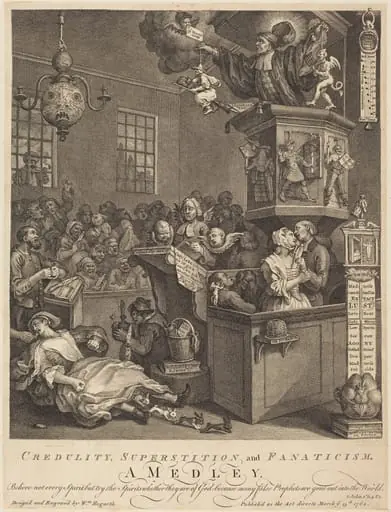
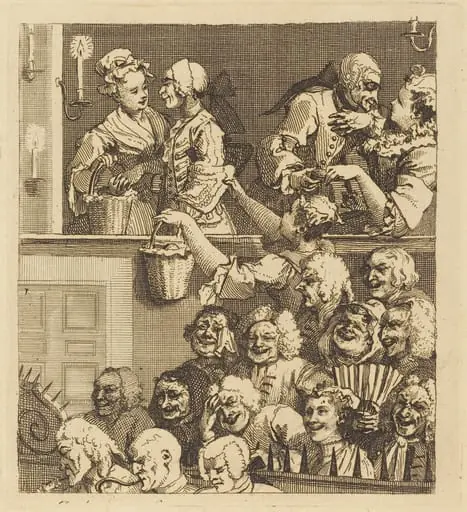
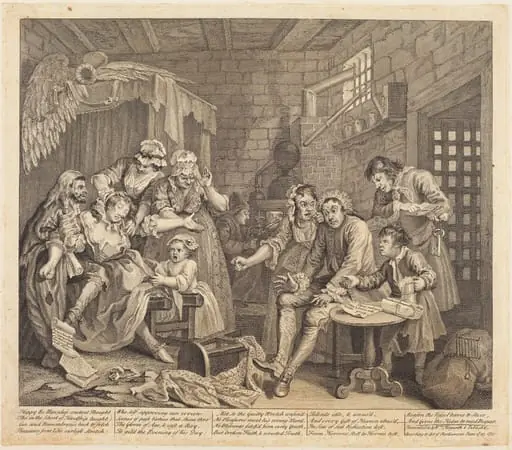
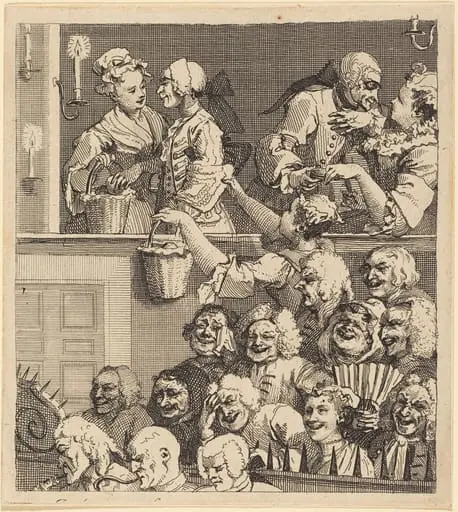
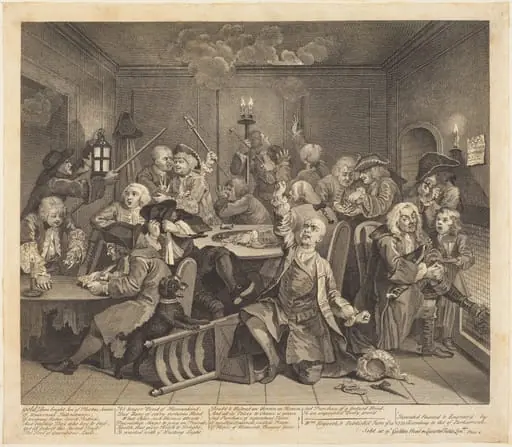
John Bell’s woodcut, titled *The Reward of Cruelty*, dates to 1750 and is executed on thick laid paper. The print depicts a cramped interior where a multitude of figures jostle beneath arched windows, some perched on furniture, others seemingly suspended from a balcony. A dog lies in the foreground, adding a domestic element to the otherwise tense atmosphere.
Subject & Meaning
The crowded scene conveys a sense of disorder and moral warning. The indistinct faces and tangled bodies suggest anonymity within collective wrongdoing, while the precarious positioning of some figures hints at punishment or retribution. The composition invites viewers to contemplate the consequences of cruelty and greed, presenting a visual allegory rather than a specific narrative episode.
Technique & Style
Bell employed the traditional woodcut method, carving the image in relief on a block of wood before printing it onto laid paper.
Bell employed the traditional woodcut method, carving the image in relief on a block of wood before printing it onto laid paper. The dense arrangement of lines and cross‑hatching creates a textured, shadowy interior, while the thick paper absorbs ink unevenly, enhancing the atmospheric depth. The style reflects mid‑eighteenth‑century printmaking conventions, emphasizing dramatic contrast over fine detail.
History & Provenance
Created in 1750, the print is known from a limited number of surviving impressions, most of which entered European collections in the late eighteenth century. Documentation traces its ownership through several private collectors before it entered a museum holding specializing in British print media, where it remains catalogued as an example of Bell’s moralistic imagery.
Context
Bell’s work belongs to a period when moralizing prints were popular in Britain, serving both as decorative objects and didactic tools. The crowded interior echoes contemporary concerns about social disorder and the punitive notion that cruelty inevitably leads to downfall, themes common in Enlightenment‑era visual culture.
Artist & collection