Artwork
Credulity, Superstition, and Fanaticism
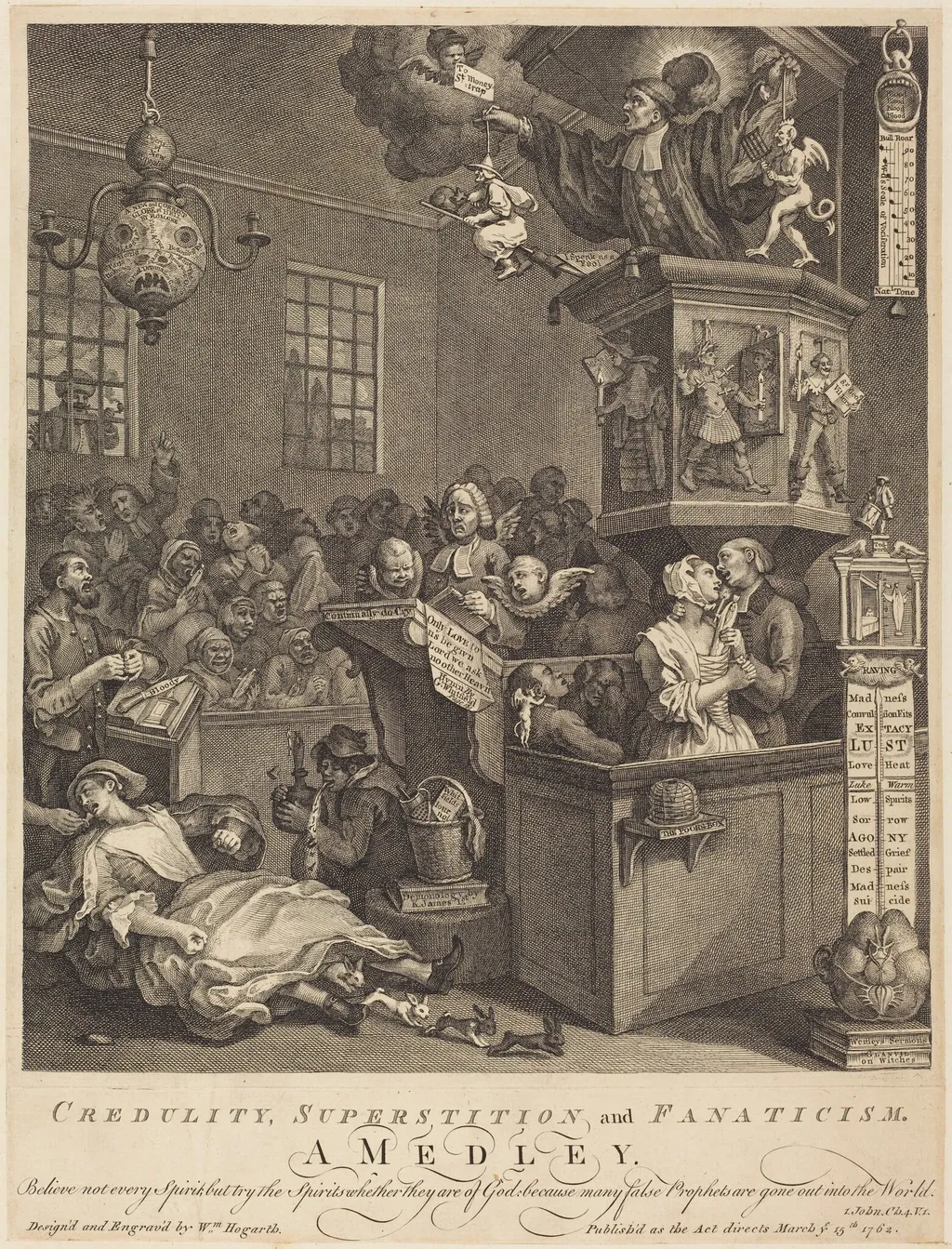
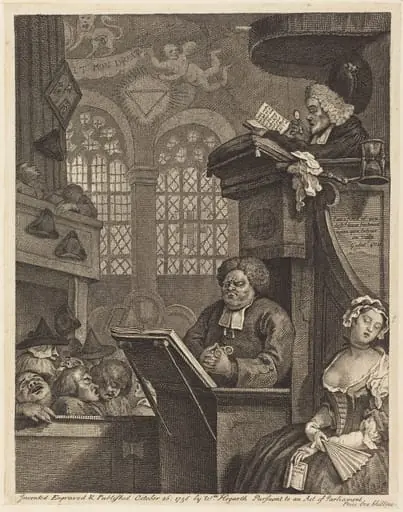
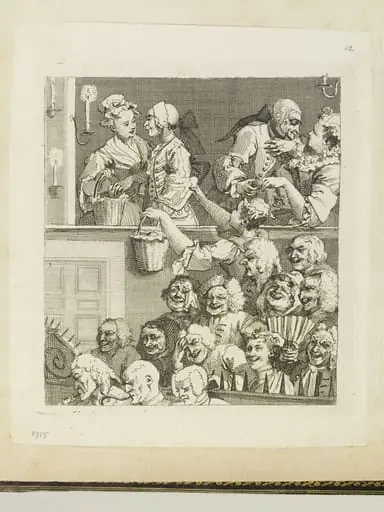
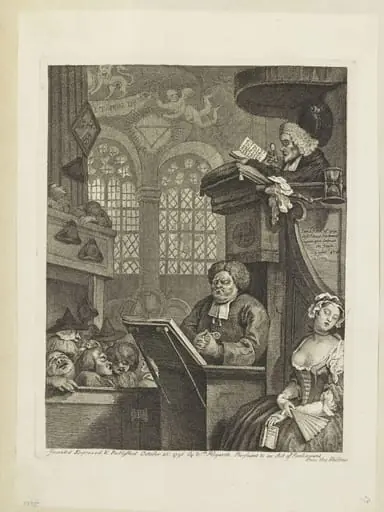
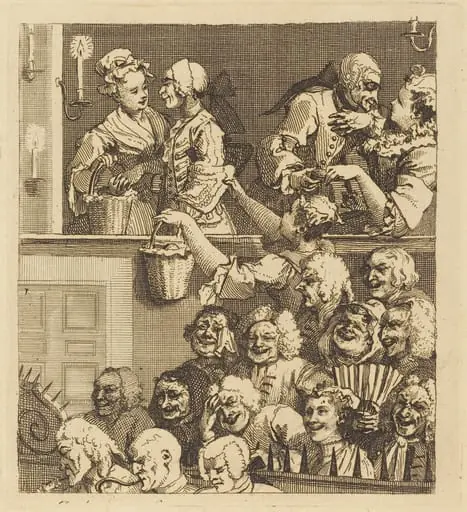
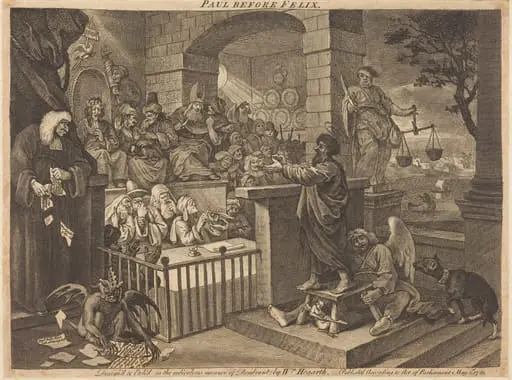
Credulity, Superstition, and Fanaticism is an ink print by the Romanticist artist William Hogarth. It dates from 1762 and is held in the collection of the National Gallery of Art.
About this work
Overview
Hogarth’s sharp observation of human behavior is rendered through intricate detail and controlled chaos, characteristic of his visual language.
Created in 1762, *Credulity, Superstition, and Fanaticism* is a satirical print by William Hogarth, executed in etching and engraving. It presents a densely packed interior teeming with figures consumed by irrational beliefs. Unlike narrative series such as *A Harlot’s Progress*, this work stands alone as a concentrated critique of religious fervor and gullibility. Hogarth’s sharp observation of human behavior is rendered through intricate detail and controlled chaos, characteristic of his visual language.
Subject & Meaning
The print targets the dangers of blind faith, portraying a crowd manipulated by a central preacher who holds a banner naming the three vices. Figures react with hysteria: some converse with unseen spirits, others collapse or clutch religious texts as talismans. Symbols like hanging lists of emotions—Madness, Despair—underscore psychological collapse. The scene suggests that fanaticism thrives in environments where reason is abandoned, and emotional contagion replaces judgment.
Technique & Style
Hogarth employed fine-line etching and engraving to achieve remarkable detail in a small space. Each figure is individually rendered with exaggerated gestures, enhancing the absurdity of their actions. The composition is deliberately cluttered, with overlapping objects—clocks, cages, symbols—creating visual overload. The use of multiple time indicators on a single clock implies temporal disorientation, reinforcing the theme of moral and intellectual confusion.
History & Provenance
Produced in the final years of Hogarth’s life, the print was issued as a standalone work, not part of a series. It reflects his longstanding engagement with moral satire and public vice, themes central to his career. Though not widely exhibited during his lifetime, it circulated among literate Londoners who recognized its critique of religious extremism. Ownership records indicate it was collected by contemporaries interested in social commentary.
Context
Emerging amid 18th-century religious revivals and sectarian tensions, the print responds to the rise of evangelical movements and public displays of piety. Hogarth, a secular rationalist, viewed unchecked religious enthusiasm as socially corrosive. His depiction aligns with broader Enlightenment anxieties about emotion overriding reason. The chaotic room mirrors contemporary fears of mass hysteria, particularly in urban centers where new religious sects attracted followers.
Legacy
The print became a reference point for later satirists and social critics, admired for its precision in capturing collective delusion. While not as famous as Hogarth’s narrative series, it influenced visual representations of fanaticism in political cartoons and reformist imagery. Its enduring relevance lies in its unflinching portrayal of how fear and suggestion can override individual thought, a theme that continues to resonate in modern discourse.
Artist & collection
Artist
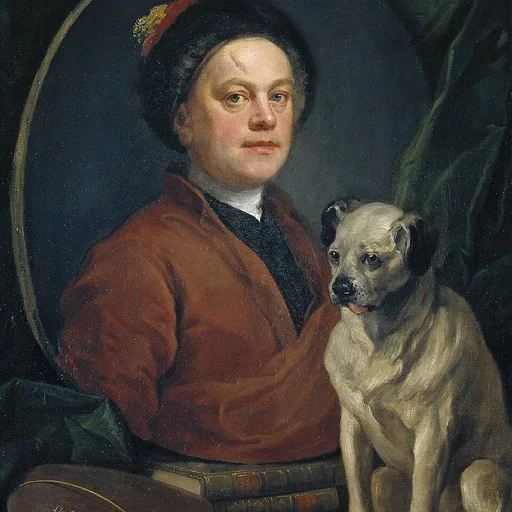
William Hogarth (; 10 November 1697 – 26 October 1764) was an English painter, engraver, satirist, cartoonist and writer.