Artwork
The Laughing Audience
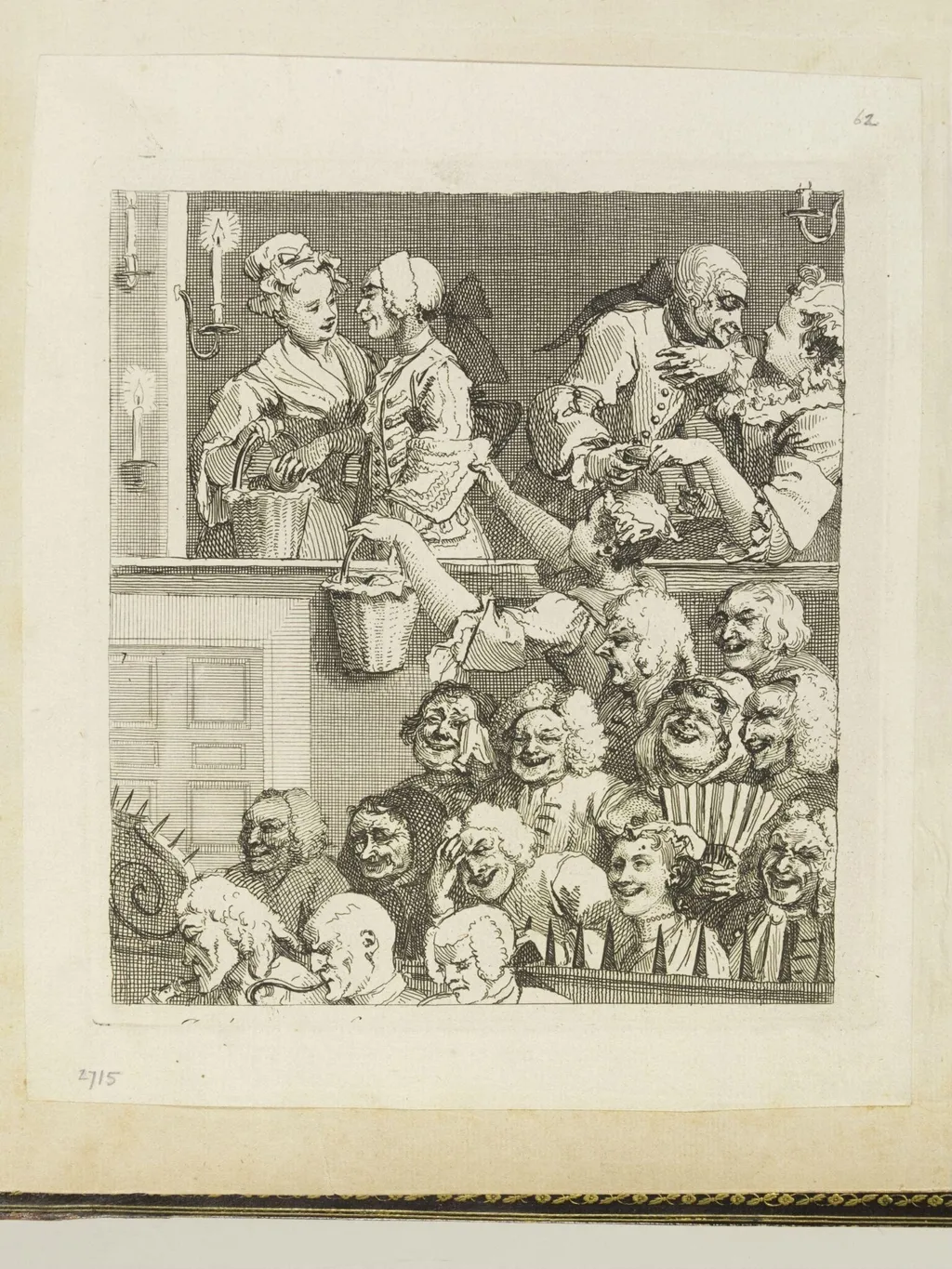
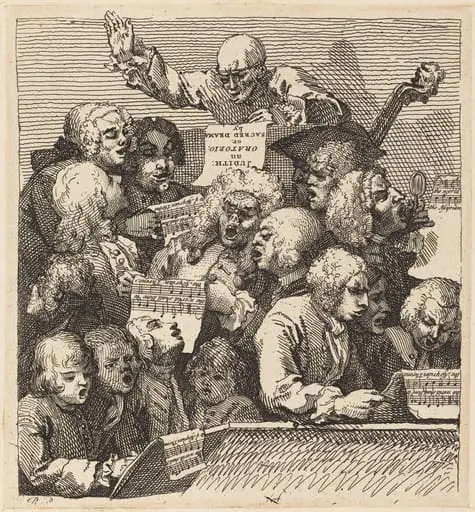
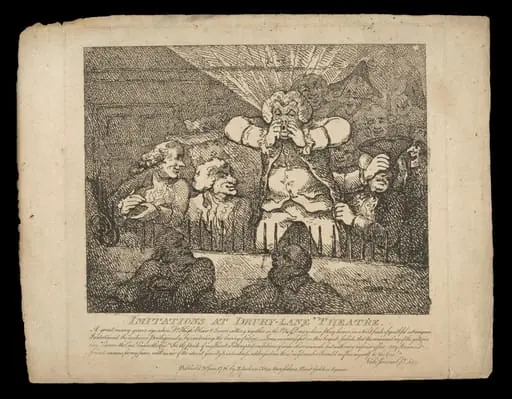
The Laughing Audience is a print by William Hogarth. It dates from 1750 and is held in the collection of the Victoria and Albert Museum.
About this work
Overview
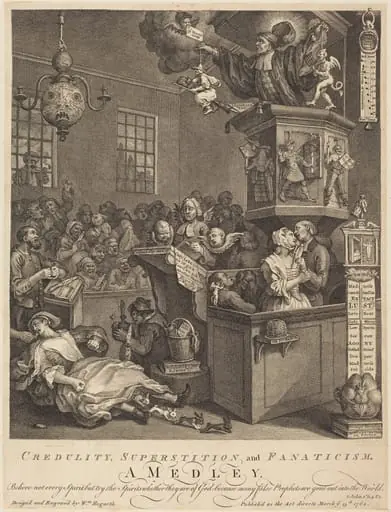
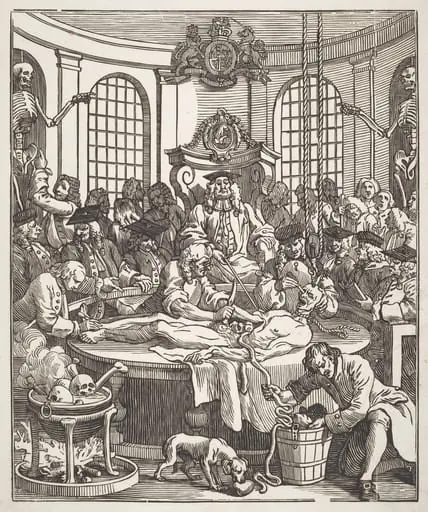
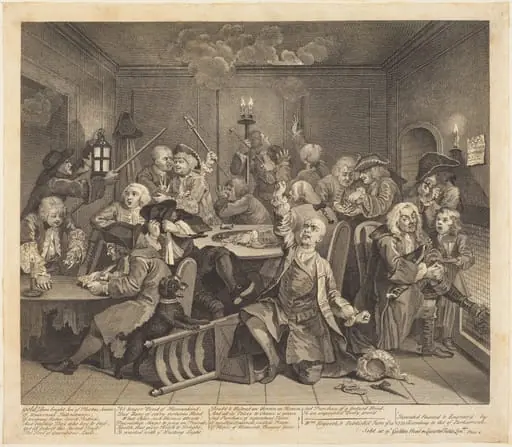
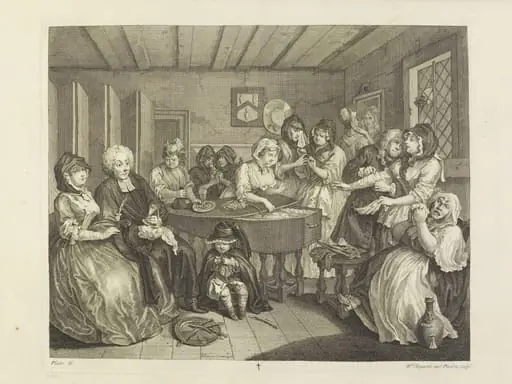
Created in 1750 by William Hogarth, this print functions as a receipt for two of his earlier series, *The Rake’s Progress* and *Southwark Fair*.
Created in 1750 by William Hogarth, this print functions as a receipt for two of his earlier series, *The Rake’s Progress* and *Southwark Fair*. It depicts a theater audience in the midst of uproarious reaction, capturing the social energy of public performance in mid-18th-century London. Unlike narrative sequences, this image isolates the crowd as its subject, turning spectators into the spectacle.
Subject & Meaning
The print portrays a diverse crowd—men in powdered wigs, women in fine attire, and lower-status onlookers—all fixated on an unseen performance. Their exaggerated expressions and gestures suggest mockery, not admiration. Hogarth uses their unrestrained mirth to question the morality and taste of public entertainment, implying that the audience’s delight may stem from vulgarity rather than artistry.
Technique & Style
Hogarth employs incisive line work and strong contrasts of light and shadow to convey movement and chaos. Figures are densely packed, their gestures overlapping to create visual tension. The sharp contours and varied textures—fabric, wigs, hands—enhance the sense of immediacy. The composition directs the viewer’s eye across the scene, mimicking the restless gaze of the audience itself.
History & Provenance
The print was issued as a commercial receipt for buyers of Hogarth’s serialized engravings, a common practice to validate ownership. It was not intended as a standalone artwork but as a promotional and functional object. Its survival in multiple impressions suggests it circulated widely, reflecting both the popularity of Hogarth’s work and the public’s engagement with satirical imagery.
Context
In 1750s London, theater-going was a socially stratified activity, often marked by rowdiness and disruption. Hogarth’s image reflects contemporary anxieties about public behavior and the erosion of decorum. The print aligns with broader cultural debates on morality, class, and the role of art in shaping civic conduct, positioning the audience as both participant and subject of critique.
Legacy
Though not widely exhibited today, *The Laughing Audience* remains a key example of Hogarth’s social commentary through print. It influenced later artists who depicted public life with irony and precision. Its focus on collective behavior as a mirror of societal values continues to inform studies of visual culture and audience dynamics in the early modern period.
Artist & collection
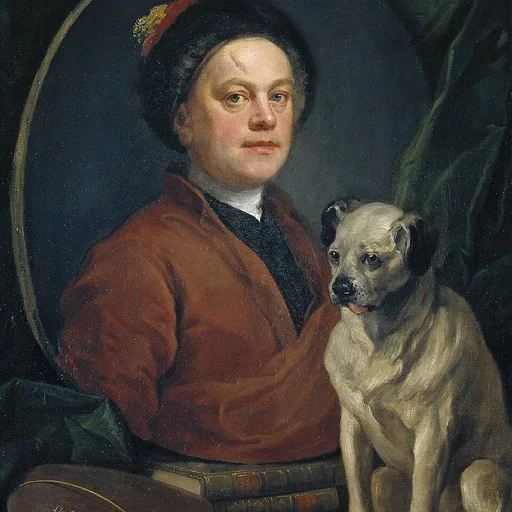
Artist
William Hogarth (; 10 November 1697 – 26 October 1764) was an English painter, engraver, satirist, cartoonist and writer.