Artwork
Immaculate Conception
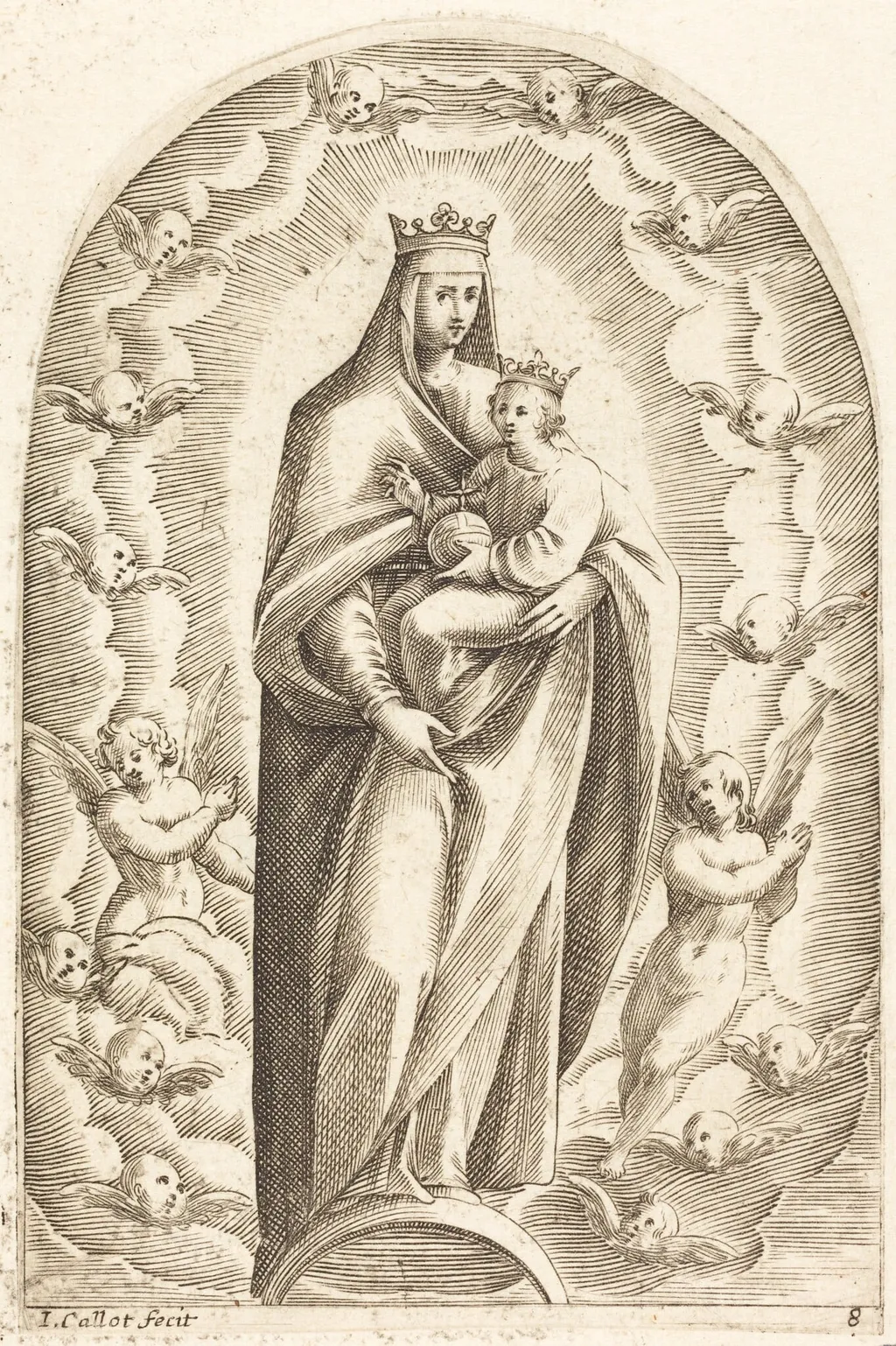
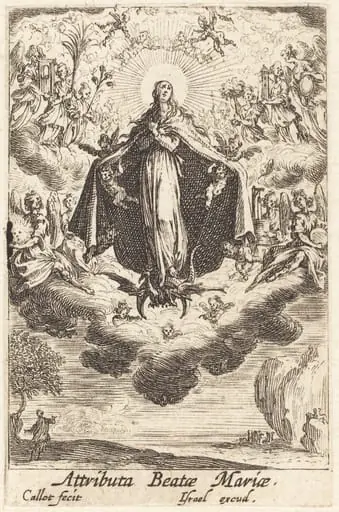
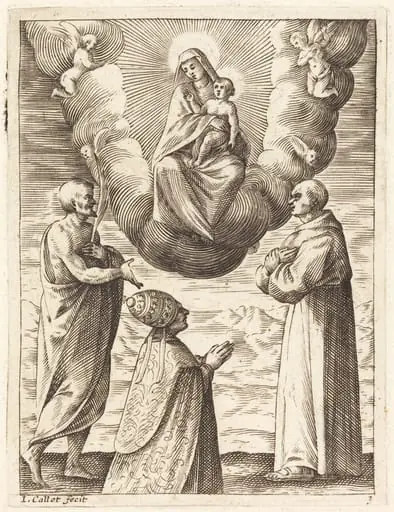
Immaculate Conception is an ink print by the Baroque artist Jacques Callot. It dates from 1610 and is held in the collection of the National Gallery of Art.
About this work
Overview
Jacques Callot, a French printmaker from the Duchy of Lorraine, produced this engraving in 1610 using laid paper and fine linear techniques. As one of over 1,400 prints in his career, it exemplifies his dedication to religious themes alongside secular subjects. The work demonstrates his command of detail and atmospheric depth, hallmarks of his contribution to early 17th-century printmaking.
Subject & Meaning
The Virgin Mary is depicted standing atop a crescent moon, crowned and robed, holding the Christ Child, who also wears a crown.
The Virgin Mary is depicted standing atop a crescent moon, crowned and robed, holding the Christ Child, who also wears a crown. Surrounding them are concentric rings of cherubs and radiant beams of light, symbolizing her purity and divine status. This iconography aligns with the theological concept of the Immaculate Conception, affirming Mary’s sinless nature from conception, a doctrine widely venerated in Counter-Reformation Catholicism.
Technique & Style
Callot employed meticulous cross-hatching and fine, controlled lines to model form and suggest luminosity. The dense network of engraving strokes creates texture in the robes, halos, and clouds, while the background’s radiating rays are rendered with precision. His use of layered lines achieves a sense of depth and ethereal glow, characteristic of his technical refinement and attention to spiritual atmosphere.
History & Provenance
Created in 1610 during Callot’s early career, the engraving likely circulated among religious patrons and collectors in Lorraine and France. Though specific ownership records are sparse, its survival in multiple institutional collections suggests it was reproduced and valued within ecclesiastical and artistic circles of the period.
Context
In early 17th-century Europe, the Immaculate Conception was a contested yet increasingly popular devotion, especially in Catholic regions. Callot’s engagement with this subject reflects broader Counter-Reformation efforts to reinforce Marian piety through visual culture. His prints, often distributed widely, served both devotional and propagandistic functions in an era of religious upheaval.
Legacy
Callot’s *Immaculate Conception* exemplifies how printmaking extended religious imagery beyond altarpieces to private devotion. His technical precision influenced later engravers and helped standardize the visual language of Marian iconography in print. Though less famous than his battle scenes, this work remains a quiet testament to his range and the cultural weight of engraved religious imagery.
Artist & collection
Artist
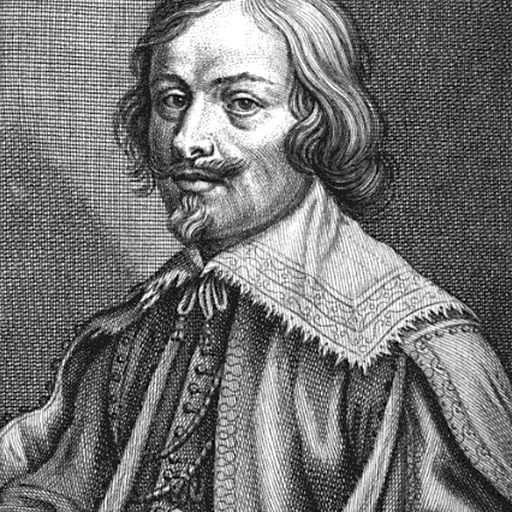
Jacques Callot was a baroque printmaker and draftsman from the Duchy of Lorraine.

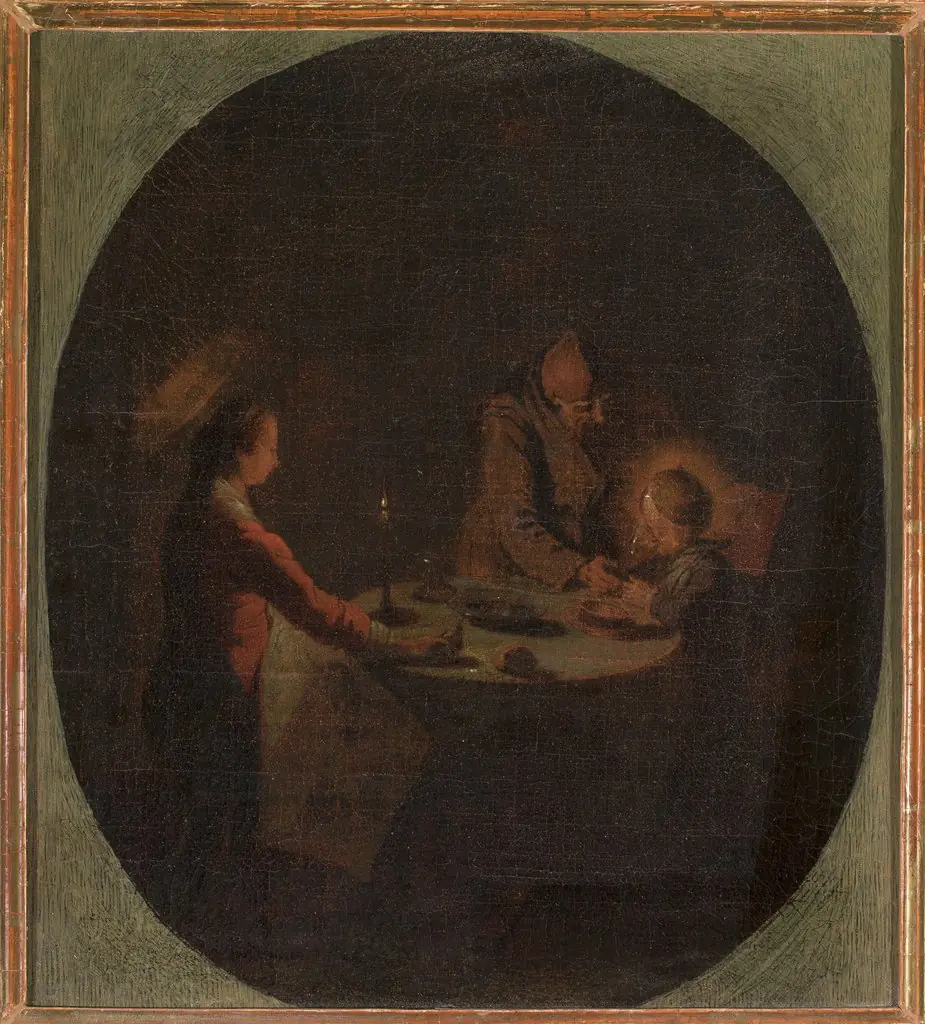 Holy Family at supper
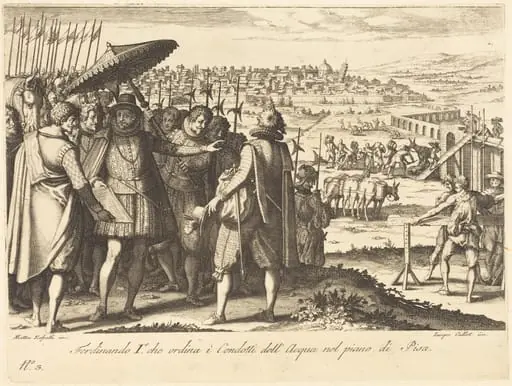 Restoration of the Aqueduct at Pisa
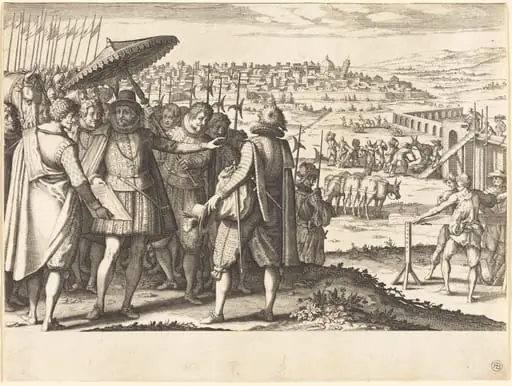 Restoration of the Aqueduct at Pisa
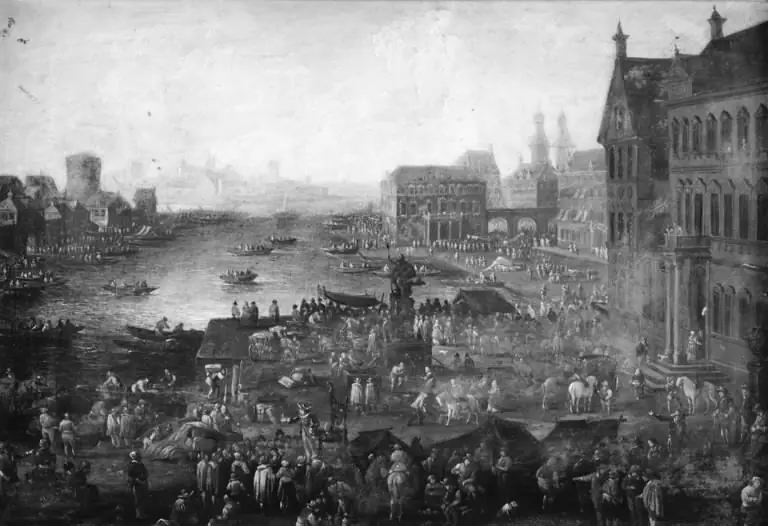 Square in Paris with Many Figures
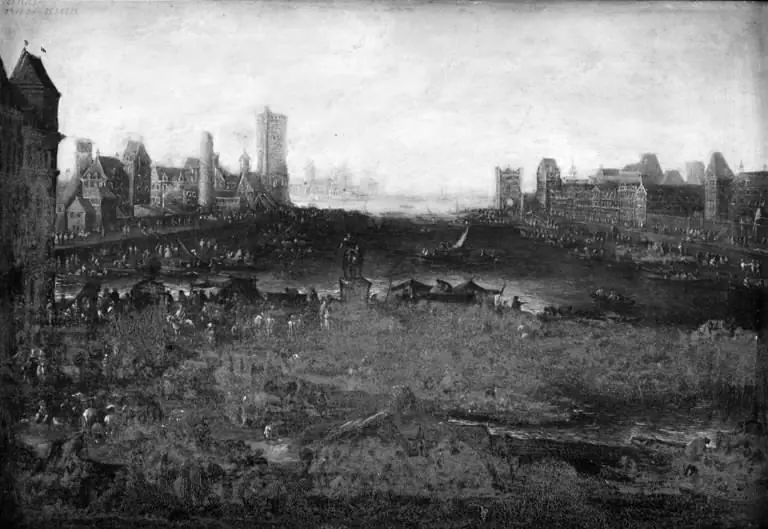 Square in Paris with Many Figures
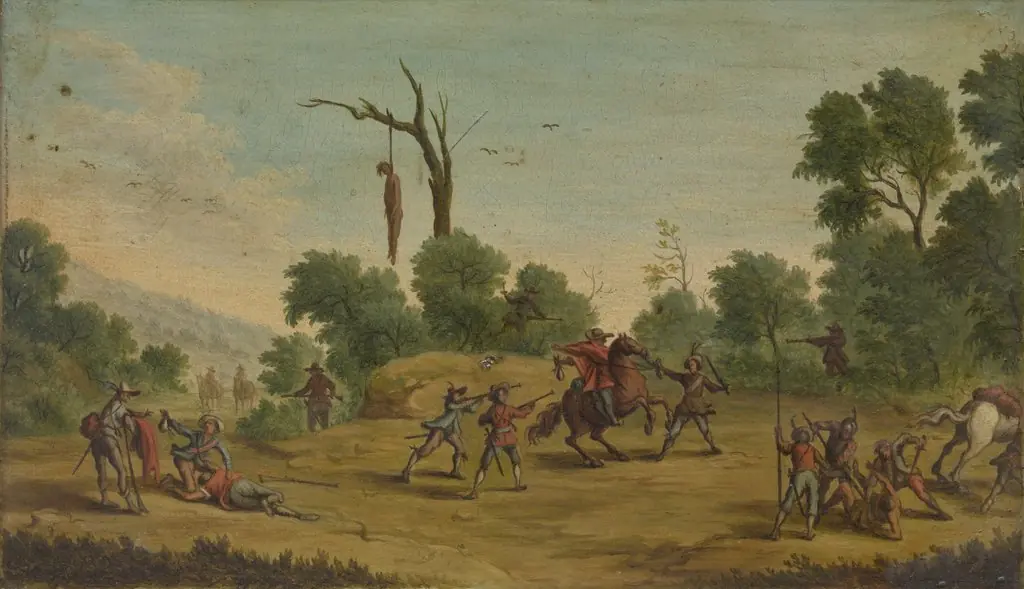 Horsemen Attacked by Robbers
 HOW WILL A COVERED PART BE CORRECTED?HOW WIKA A COVERED HEART DEED CORRECTED?
![Christ Walking on the Water [second plate], by Jacques Callot](https://artifactworldgallery.com/img/jacques-callot--christ-walking-on-the-water-second-plate--2069f3bfe4cb2126-w320.webp) Christ Walking on the Water [second plate]
Christ Walking on the Water [second plate]
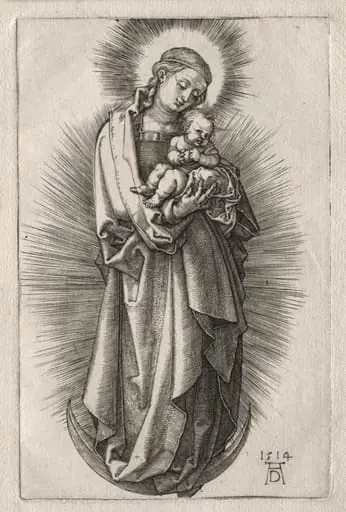 The Virgin with Hairband on a Crescent Moon
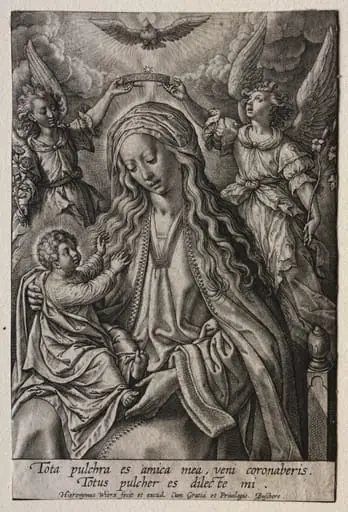 Virgin Crowned by Two Angels
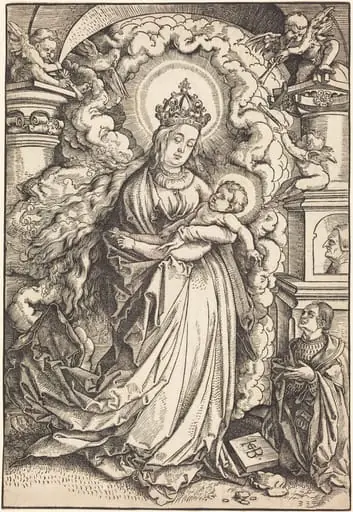 Madonna and Child
 Attributes of the Virgin
 Madonna and Child
 Ecce tu pulcher es Dilecte ...
 Virgin on a Crescent with a Starry Crown
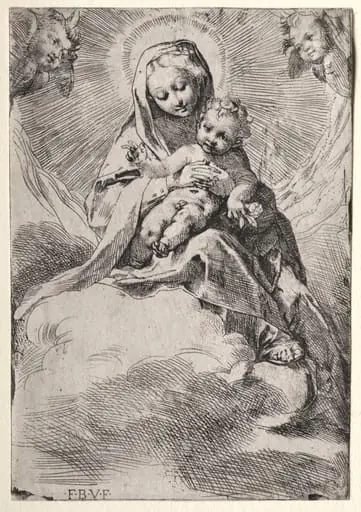 Madonna in the Clouds
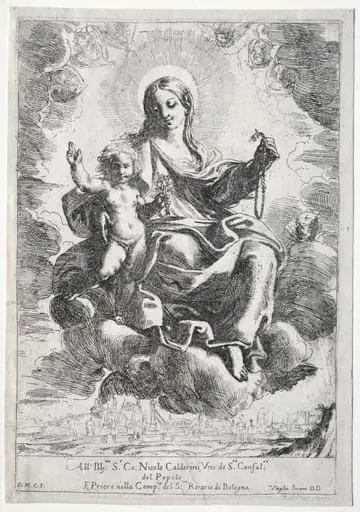 Madonna of the Rosary
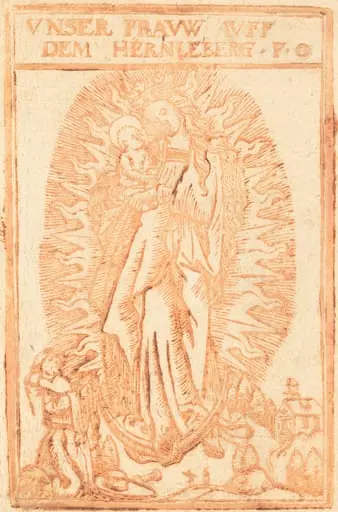 Madonna of the Hernleberg
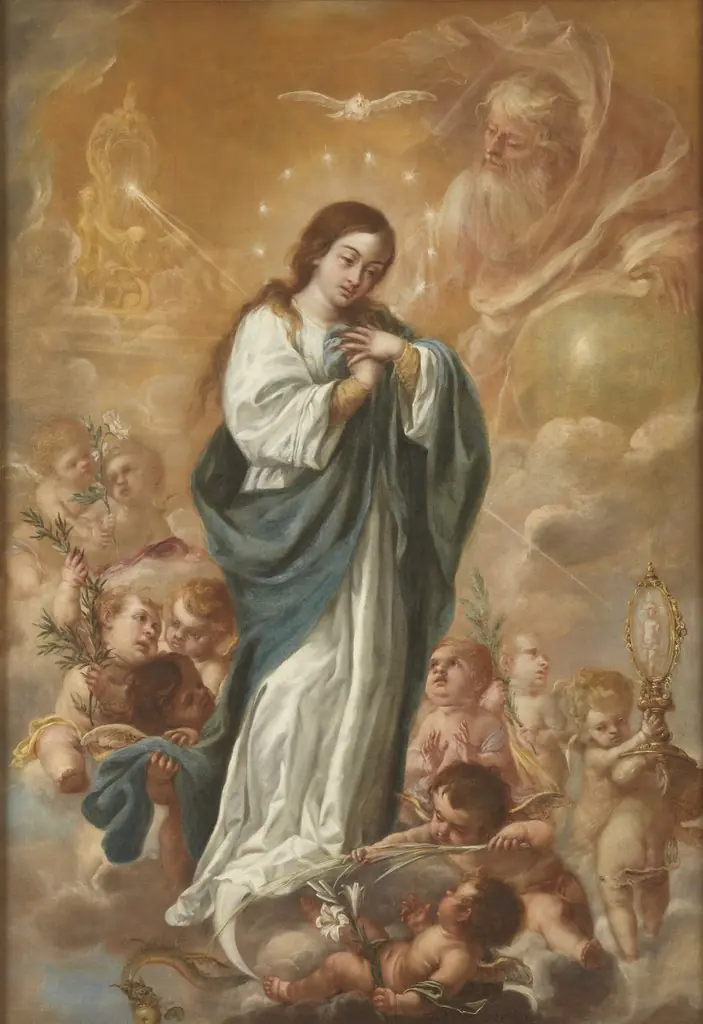 Immaculate Conception
 Boniface VIII with Saints Francis and Crispin Adoring the Virgin and Child