Artwork
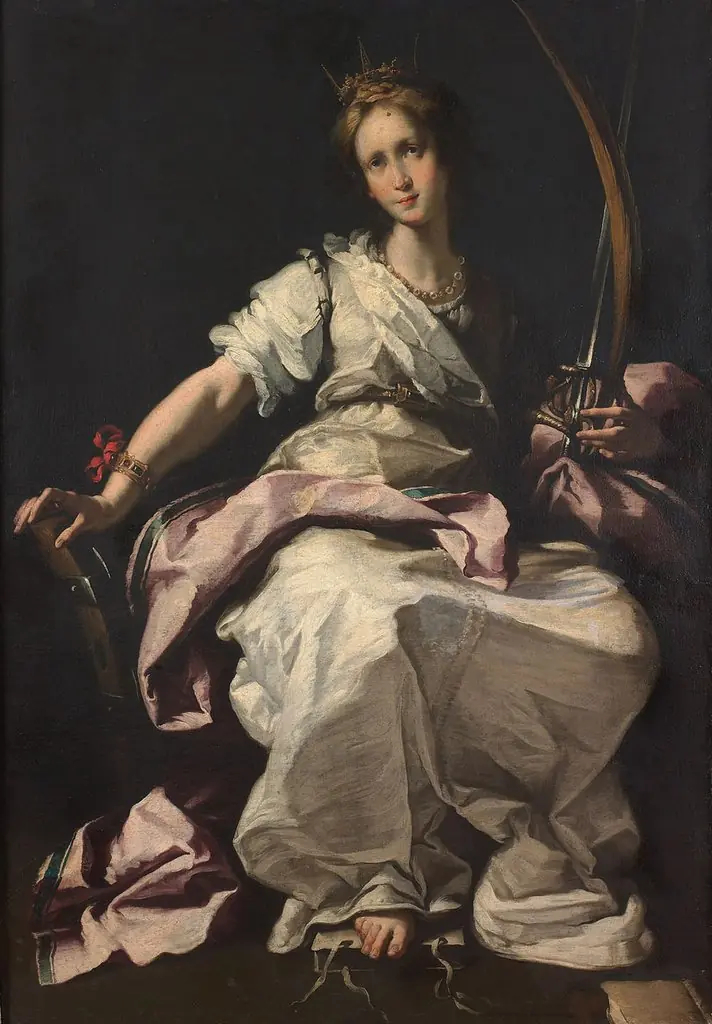
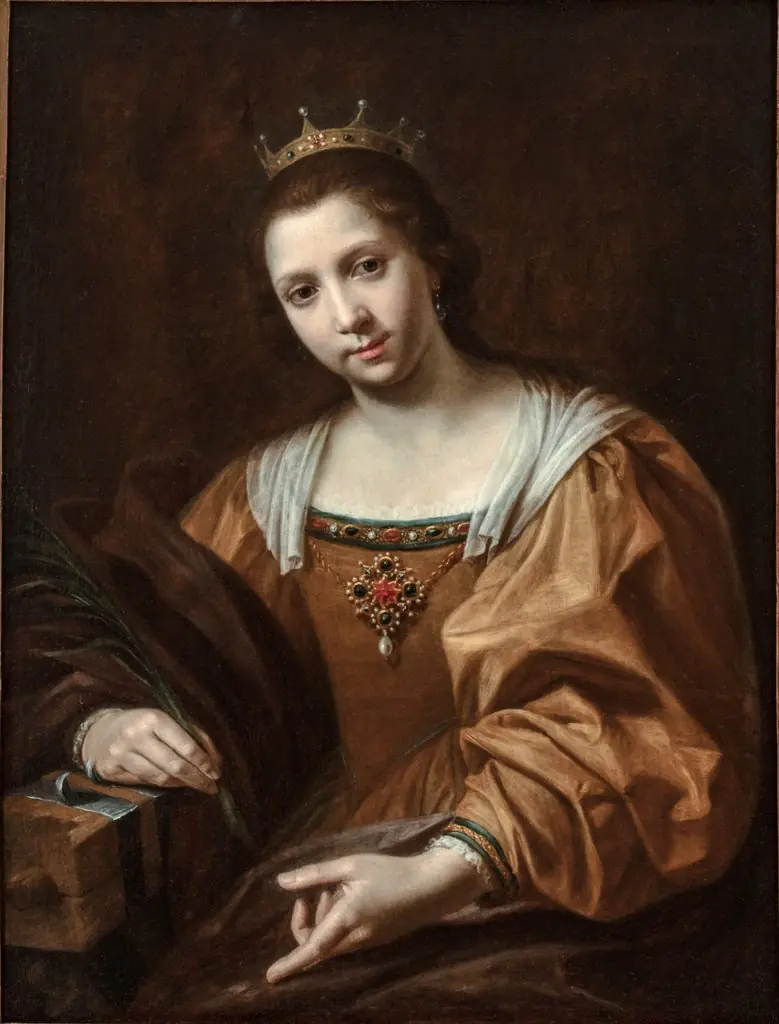
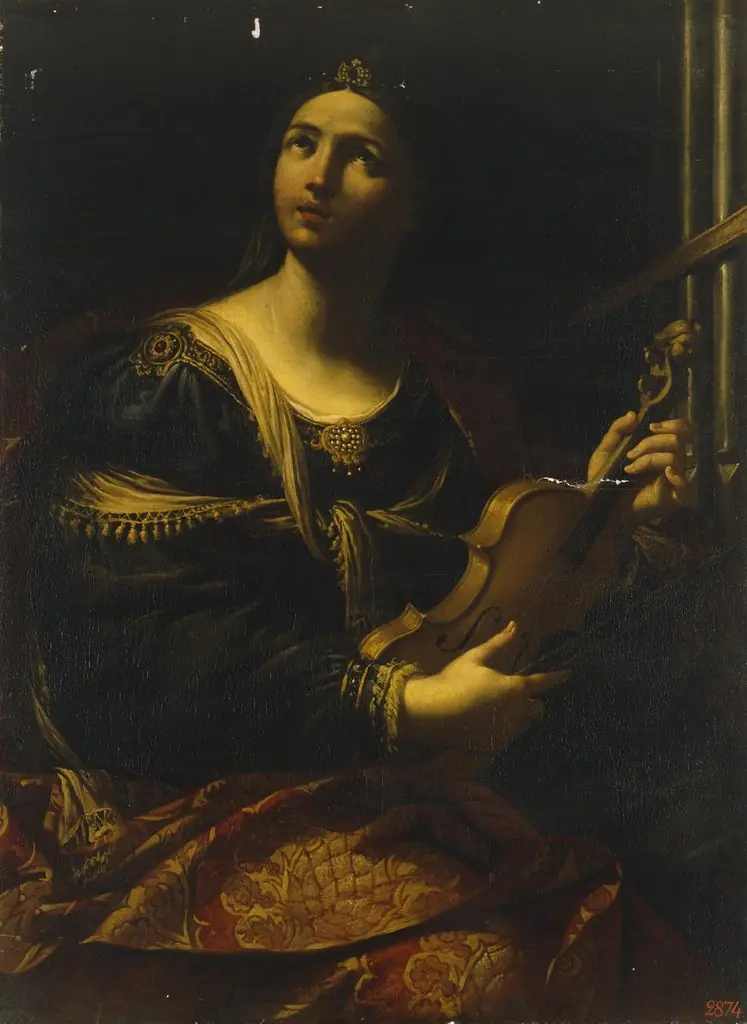
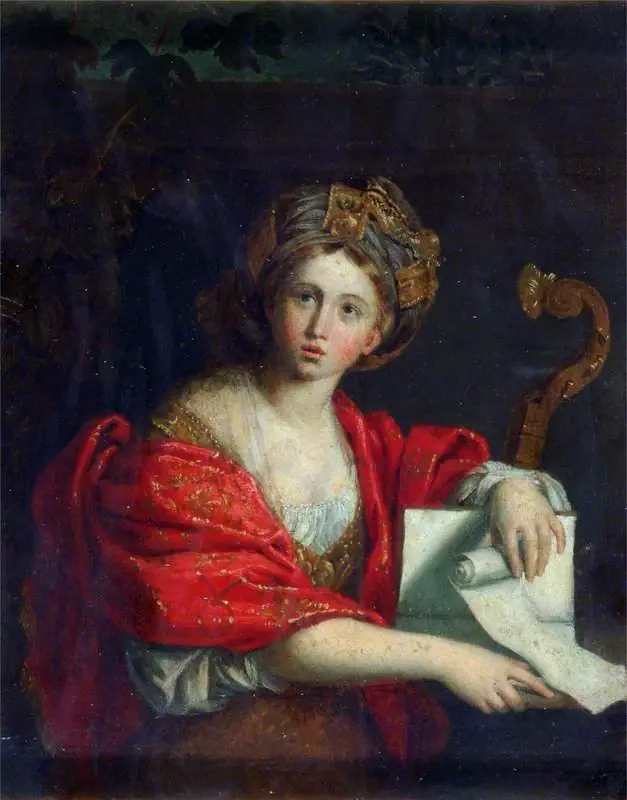
Elizabeth Panton, Later Lady Arundell of Wardour, as Saint Catherine

Elizabeth Panton, Later Lady Arundell of Wardour, as Saint Catherine is an oil painting by the Early Baroque Italian artist Benedetto Gennari II. It dates from 1695 and is held in the collection of the Tate Britain.
About this work
Overview
Benedetto Gennari II painted this oil portrait in 1695, presenting Elizabeth Panton, later known as Lady Arundell of Wardour, in the guise of Saint Catherine. The work is part of the Tate Britain collection and measures a modest size typical of late‑seventeenth‑century portraiture.
Subject & Meaning
The sitter is shown in a white gown beneath a pink mantle, crowned with gold, and holding a palm branch in her left hand and a broken wheel in her right. Both attributes identify her with Saint Catherine, whose martyrdom is traditionally signified by the wheel, while the palm denotes victory over death, underscoring the portrait’s devotional intent.
Technique & Style
Executed in oil on canvas, Gennari employs a smooth, luminous finish that highlights the delicate textures of fabric and metal. The chiaroscuro modelling of the face creates a calm, introspective expression, while the soft, atmospheric background of clouds, trees and distant hills situates the figure within an idealised, timeless space.
History & Provenance
Commissioned for the English aristocratic family of Panton, the painting entered the public domain when it was acquired by the Tate in the twentieth century. Its provenance traces a straightforward line from the Arundell household to the museum, with no recorded sales or transfers intervening.
Context
Benedetto Gennari II (1660–1727) was an Italian Baroque painter trained in the studio of his uncle, Guercino. After moving to England in the 1690s, he supplied portraiture for the expatriate elite, blending continental Baroque dynamism with the more restrained English taste. This work exemplifies his ability to merge religious iconography with personal portraiture for high‑society patrons.
Artist & collection