Artwork
Die Bekehrung des Paulus
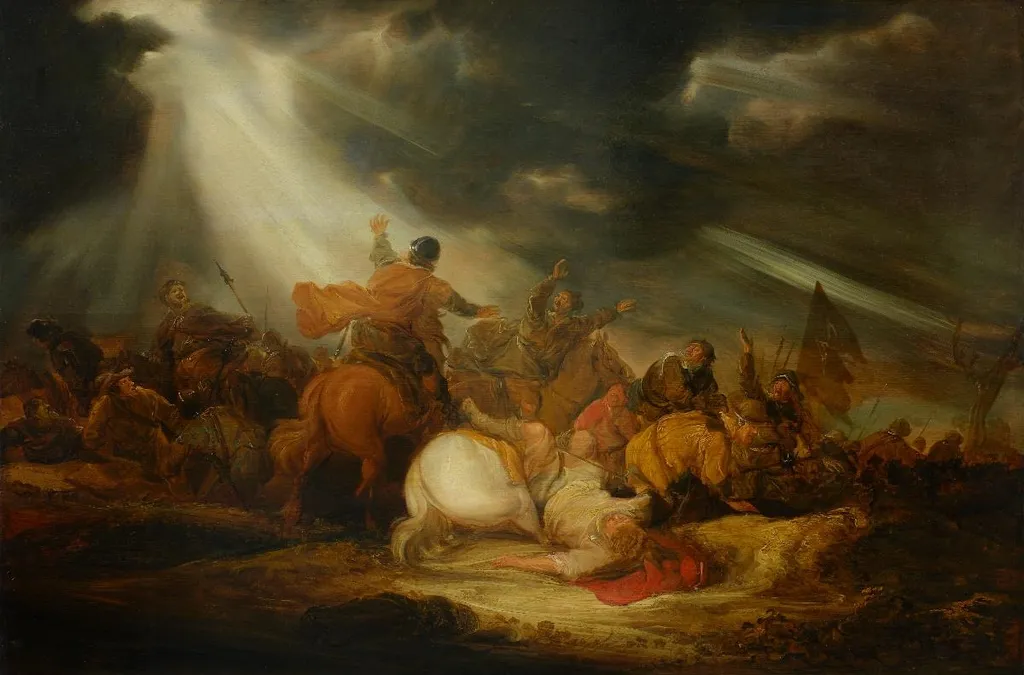
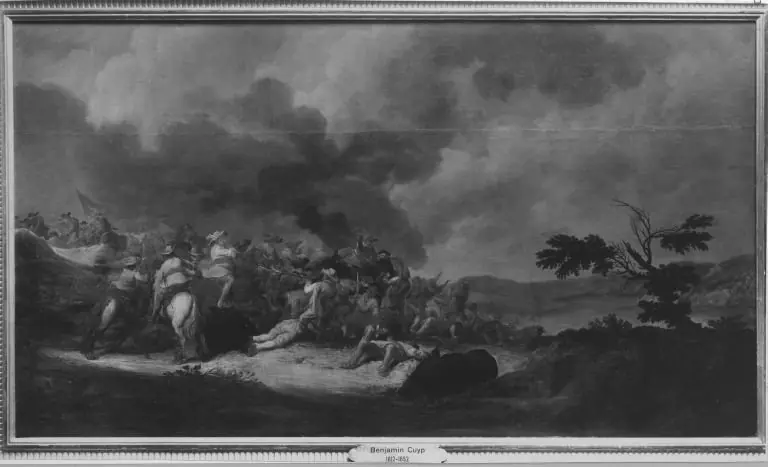
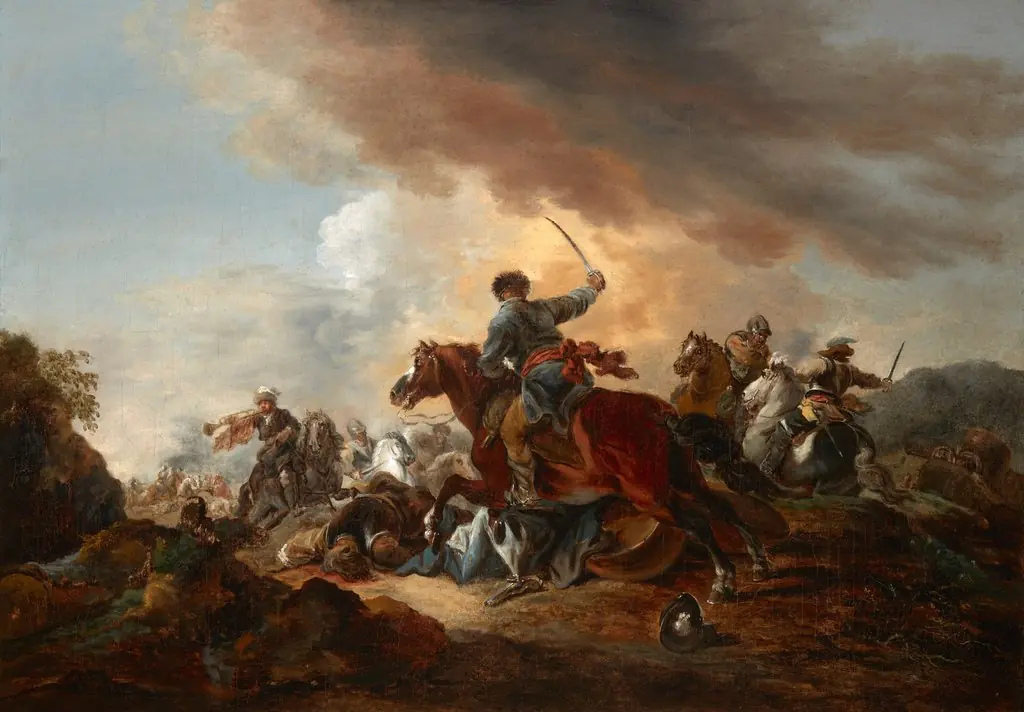
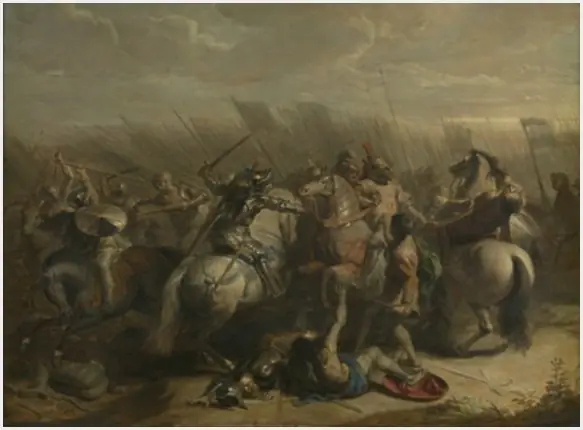
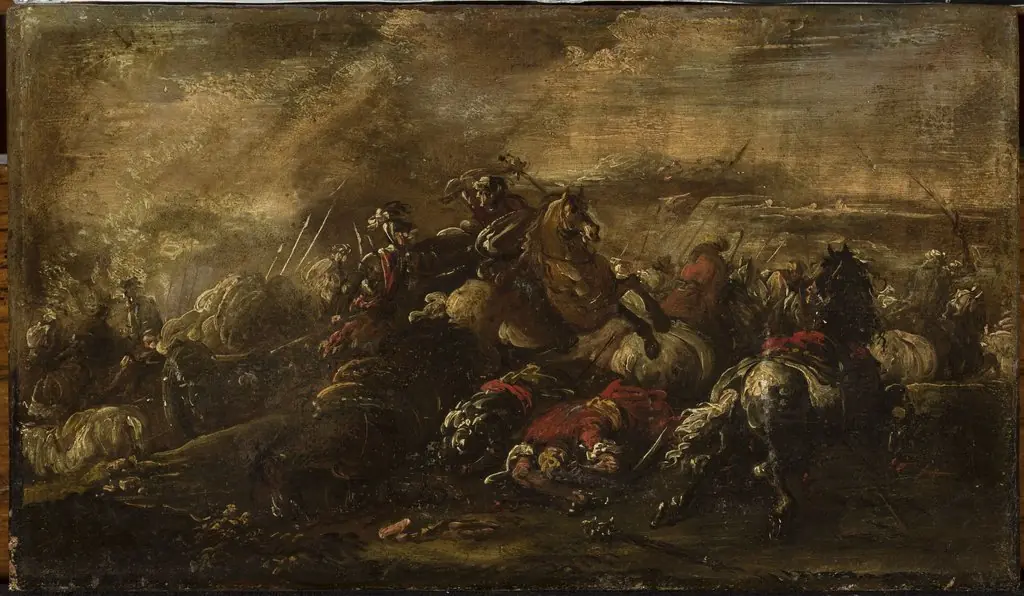
Die Bekehrung des Paulus is an oil painting by the Dutch Golden Age artist Benjamin Gerritsz Cuyp. It dates from 1647 and is held in the collection of the Kunsthaus Zürich.
About this work
Overview
Painted in 1647 by Benjamin Gerritsz Cuyp, this oil-on-canvas work illustrates the conversion of Saint Paul as described in the Acts of the Apostles.
Painted in 1647 by Benjamin Gerritsz Cuyp, this oil-on-canvas work illustrates the conversion of Saint Paul as described in the Acts of the Apostles. It resides in the collection of the Kunsthaus Zürich and exemplifies the Dutch Baroque tradition of dramatizing biblical moments through intense emotional and physical expression. The composition centers on a moment of divine intervention, rendered with heightened theatricality.
Subject & Meaning
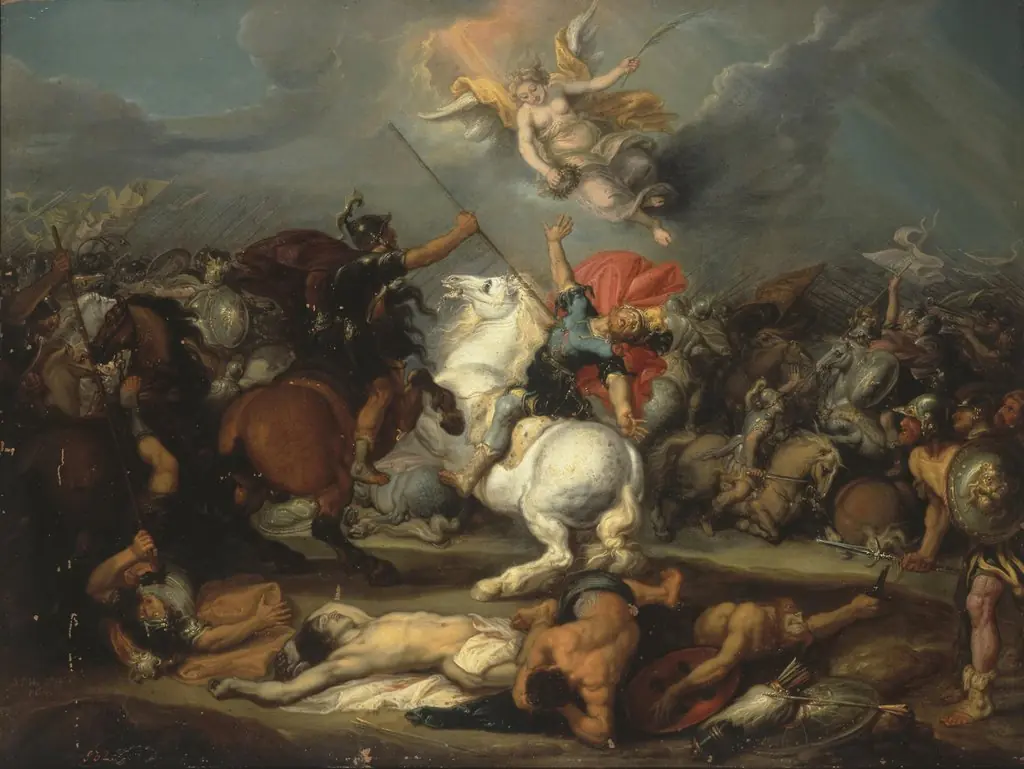
The scene captures Saul of Tarsus, later Saint Paul, struck down by a divine light on the road to Damascus. His arms are flung upward in shock and surrender, while his companions react with alarm—some dismounting, others shielding their eyes. The moment signifies spiritual transformation, where earthly authority is overturned by revelation. The chaos around him underscores the rupture between his former life and his new calling.
Technique & Style
Cuyp employs strong chiaroscuro to isolate the central figure against a turbulent sky, enhancing the psychological intensity. Brushwork is energetic, particularly in the rendering of drapery and horseflesh, conveying motion and unease. The foreground figure, possibly a fallen servant, anchors the composition, while the background recedes into shadow, directing focus to the moment of revelation through controlled light and dynamic contrast.
History & Provenance
The painting was completed in 1647 during Cuyp’s mature period in the Netherlands. It entered the Kunsthaus Zürich’s collection in the 19th century, likely through private acquisition or bequest. No significant alterations or reworkings are documented, and its condition reflects careful preservation over centuries, maintaining the original tonal balance and compositional clarity.
Context
Created in the Dutch Republic during a time of religious reflection and artistic experimentation, the painting aligns with Protestant interest in personal conversion narratives. While Catholic regions favored grand altarpieces, Dutch artists like Cuyp focused on intimate, emotionally charged biblical moments for private or civic display, blending realism with spiritual symbolism.
Legacy
Though less widely known than some contemporaries, Cuyp’s treatment of this subject influenced later Dutch religious painting through its psychological depth and compositional dynamism. The work remains a representative example of how 17th-century Northern artists translated sacred texts into visceral human experiences, contributing to the broader European tradition of narrative religious art.
Artist & collection