Artwork
The Young Saint John the Baptist
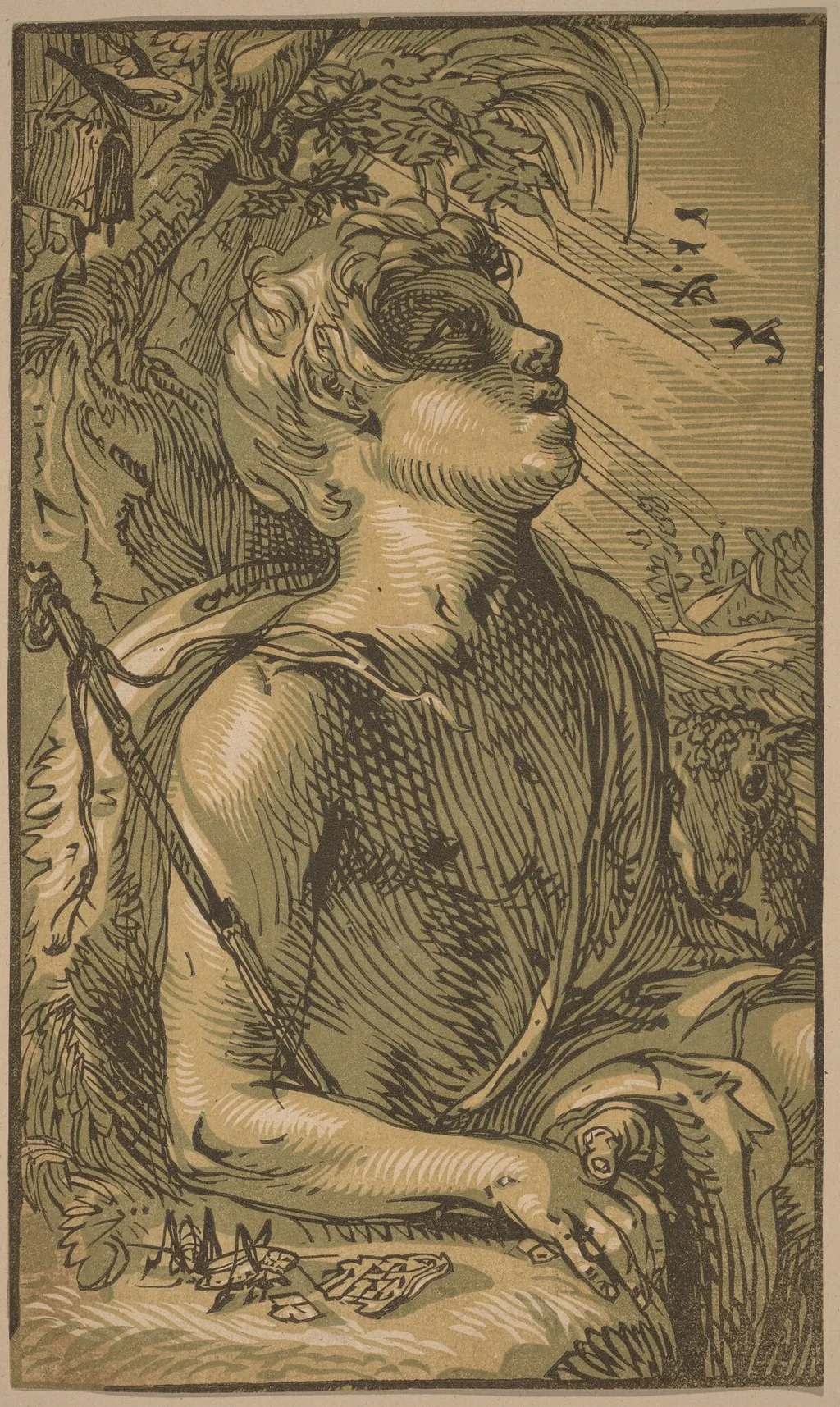
The Young Saint John the Baptist is an ink print by the Renaissance artist Hendrik Goltzius. It dates from 1588 and is held in the collection of the National Gallery of Art.
About this work
Overview
Executed in sepia-ochre, olive, and black inks on laid paper, the print demonstrates advanced technical control in layering tones to model form.
Created around 1588 by Hendrick Goltzius, this chiaroscuro woodcut depicts the young Saint John the Baptist in a naturalistic setting. Executed in sepia-ochre, olive, and black inks on laid paper, the print demonstrates advanced technical control in layering tones to model form. Goltzius, a leading Dutch printmaker of his time, employed the chiaroscuro method to achieve subtle gradations of light and shadow, elevating the woodcut beyond mere reproduction into a nuanced pictorial statement.
Subject & Meaning
The figure is identified as John the Baptist through his halo and the presence of a lamb, symbols of his role as the forerunner of Christ. He is shown in quiet contemplation, gazing upward as if in prayer or divine anticipation. The surrounding foliage and natural elements suggest solitude in the wilderness, aligning with scriptural accounts of his early life. The composition avoids dramatic action, emphasizing introspection and spiritual readiness rather than narrative intensity.
Technique & Style
Goltzius used multiple woodblocks, each inked in a different tone, to build depth and volume. The sepia-ochre base establishes warmth, while olive and black layers define shadow and contour. The lines are precise yet fluid, capturing the texture of skin, wool, and leaves with remarkable economy. This method, rooted in Renaissance chiaroscuro principles, adapts painting-like effects to the print medium, showcasing Goltzius’s mastery of both draftsmanship and technical innovation.
History & Provenance
The print emerged during Goltzius’s most productive period in Haarlem, where he operated a thriving workshop. Though exact early ownership records are sparse, the work aligns with his known output of religious subjects for private collectors and humanist patrons. Its survival in multiple impressions suggests it was widely circulated, reflecting both his reputation and the demand for sophisticated religious imagery in late 16th-century Northern Europe.
Context
In the late 1580s, Dutch printmaking was evolving beyond reproductive engravings toward original, expressive compositions. Goltzius stood at the center of this shift, blending Mannerist elegance with natural observation. While Italian artists explored chiaroscuro in painting, he translated its effects into woodcut, responding to a growing market for refined, small-scale devotional images that bridged sacred themes and artistic innovation.
Legacy
Goltzius’s approach to chiaroscuro woodcut influenced later generations of printmakers, particularly in the Netherlands and Germany. His ability to convey emotional subtlety and three-dimensionality through layered ink tones set a precedent for the artistic potential of the medium. Though overshadowed in popular memory by his engravings, this print remains a key example of how printmaking could achieve the expressive depth once reserved for painting.
Artist & collection
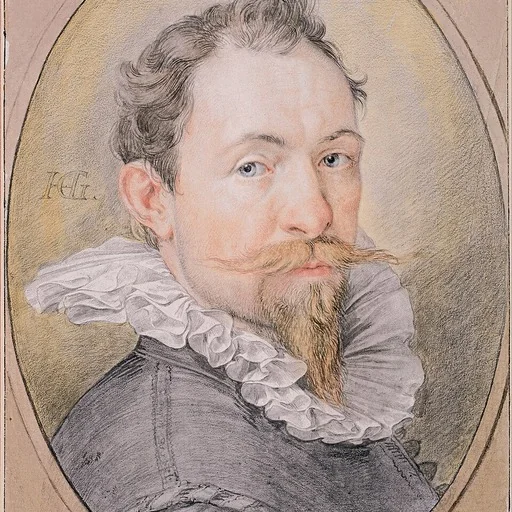
Artist
Hendrick Goltzius (German: , Dutch: ; né Goltz; January or February 1558 – 1 January 1617) was a German-born Dutch printmaker, draftsman, and painter.

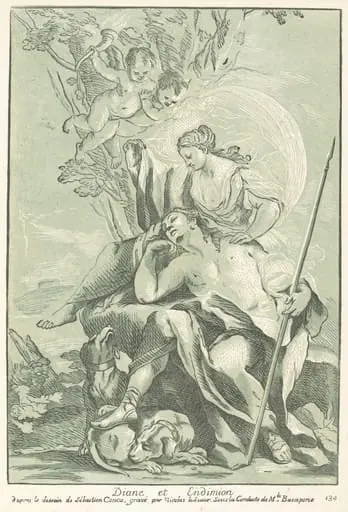 Diana and Endymion
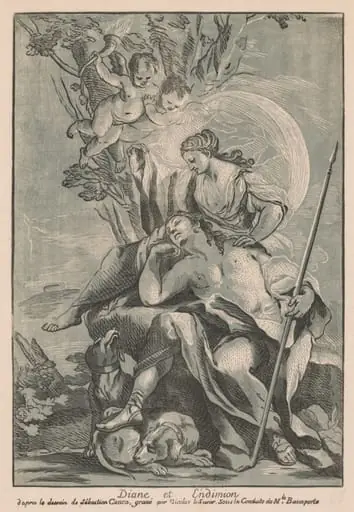 Diana and Endymion
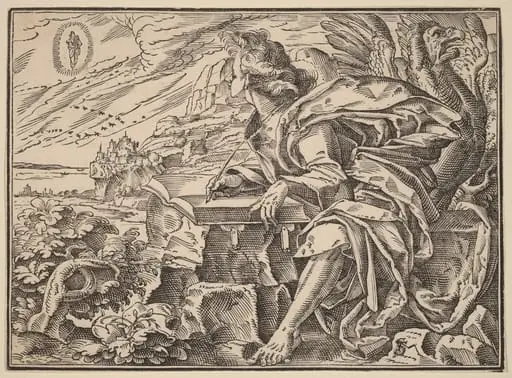 The Four Horsemen of the Apocalypse
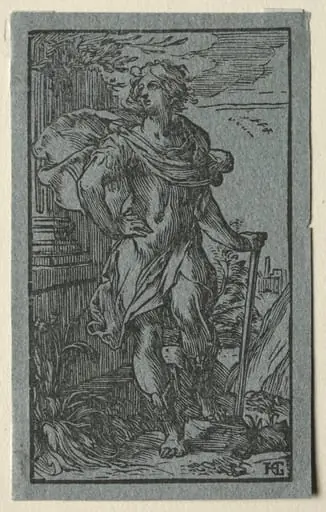 Young Man Standing with a Cane
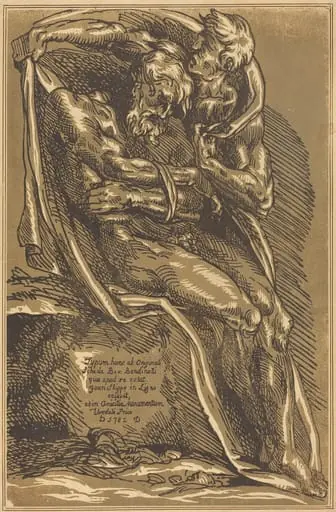 A Naked Man, Seated, with His Hands Tied
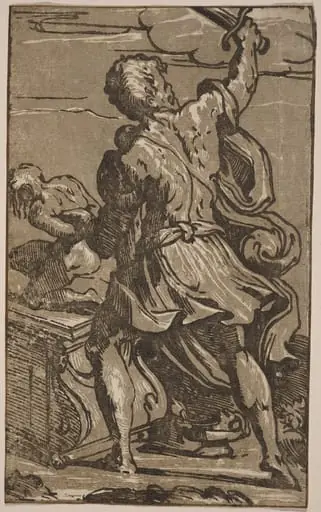 The Sacrifice of Abraham
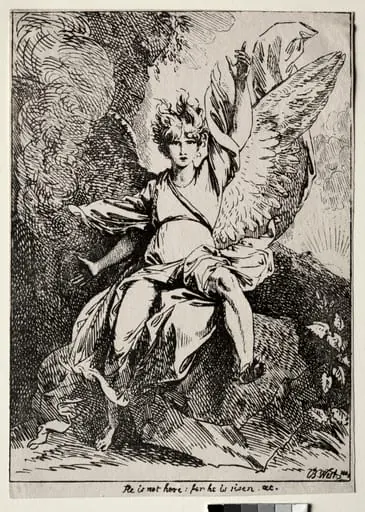 Specimens of Polyautography: The Angel at the Tomb of Christ
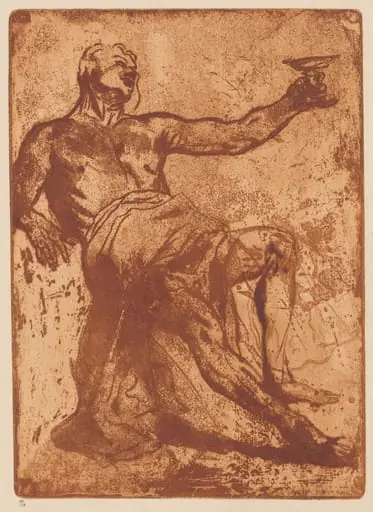 Academy
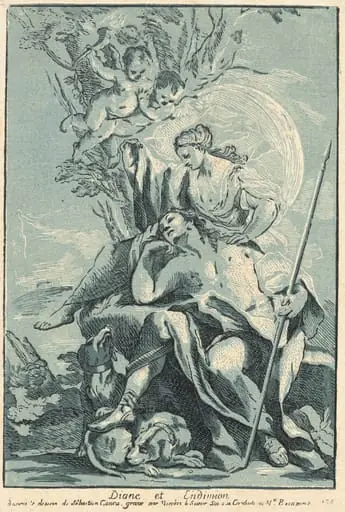 Diana and Endymion
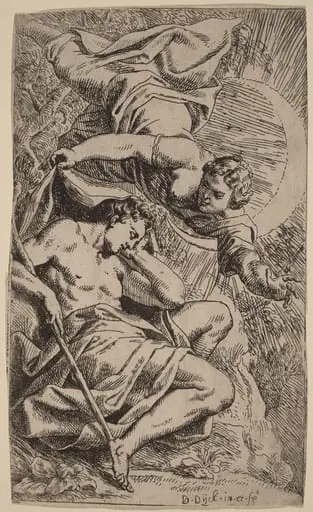 Diana and Endymion
 St. Sebastian, Bound to a Tree
 David with the Head of Goliath