Artwork
Pylades and Orestes Brought as Victims before Iphigenia
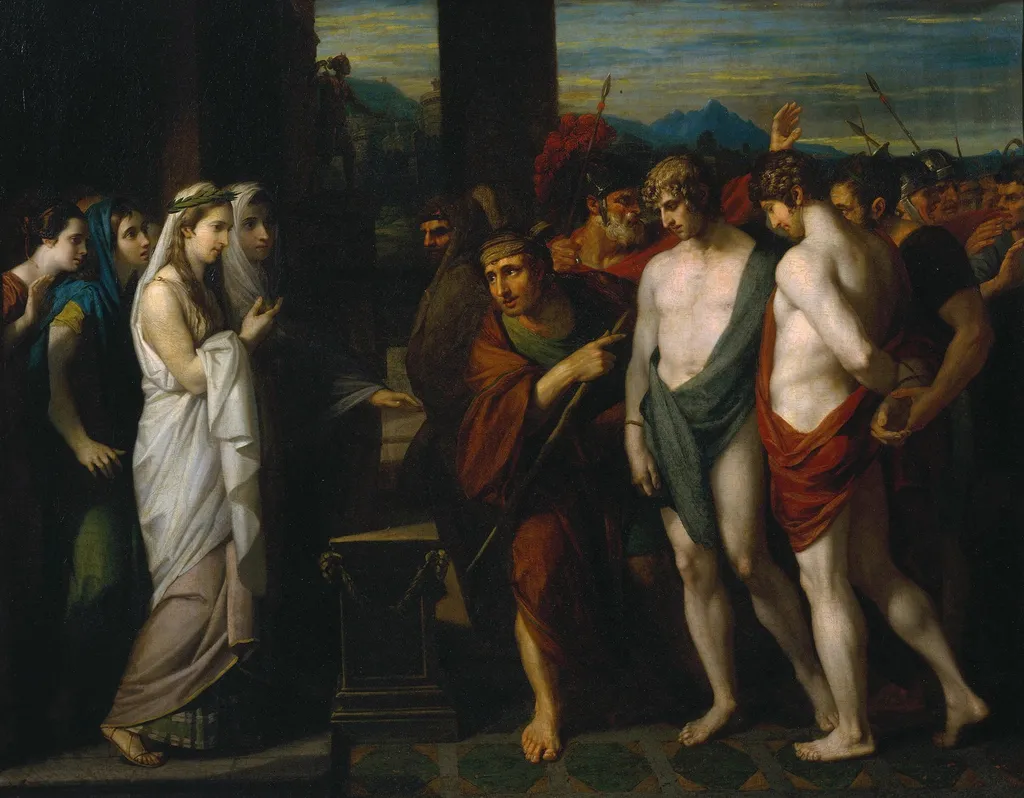
Pylades and Orestes Brought as Victims before Iphigenia is an oil painting by the Neoclassicist artist Benjamin West. It dates from 1766 and is held in the collection of the National Gallery.
About this work
Overview
Benjamin West’s 1766 oil painting, titled *Pylades and Orestes Brought as Victims before Iphogenia*, presents a dramatic episode drawn from Euripides’ tragedy *Iphigenia in Tauris*. The work belongs to the history‑painting genre, depicting a moment of tension as the three figures await execution after being seized by a shepherd.
Subject & Meaning
The composition captures the instant when Iphigenia, now a priestess, encounters the captive Orestes—her brother—and his companion Pylades. Their capture follows the theft of a golden statue of Diana, and the scene explores themes of familial recognition, destiny, and the moral complexities of sacrifice in classical myth.
Technique & Style
Rendered in oil on canvas, West employs a Neoclassical visual language: clear contours, balanced arrangement, and restrained colour palette emphasize narrative clarity. The figures are modelled with careful chiaroscuro, while the shepherd’s rustic attire contrasts with the more refined garments of the protagonists, highlighting their differing social statuses.
History & Provenance
Created in the mid‑18th century, the painting reflects West’s transatlantic career, bridging his American origins and his later prominence in the British art world. Though specific ownership records are sparse, the work was exhibited shortly after its completion and contributed to West’s reputation as a leading history painter of his era.
Own this work as a print
Artist & collection

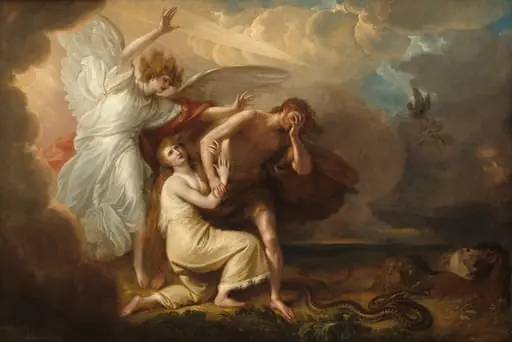 The Expulsion of Adam and Eve from Paradise
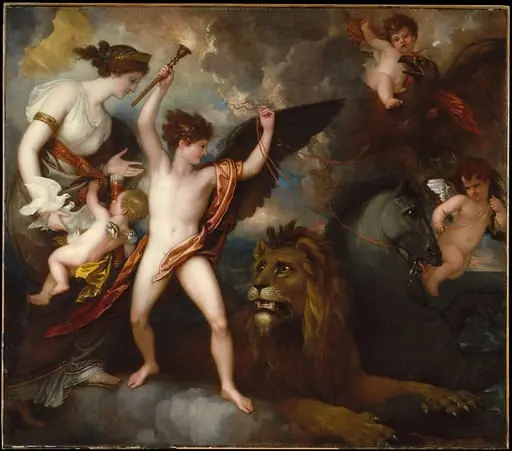 Omnia Vincit Amor, or The Power of Love in the Three Elements
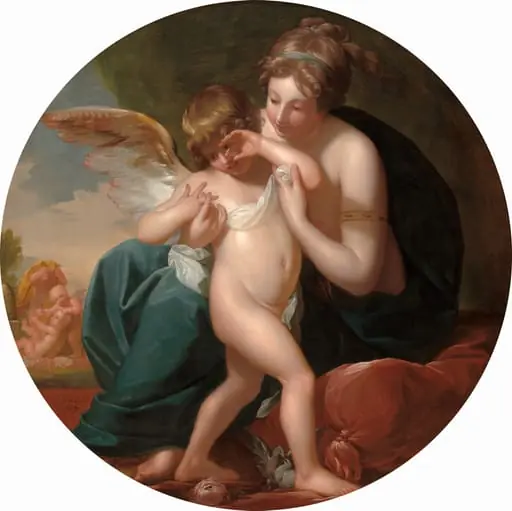 Cupid, Stung by a Bee, Is Cherished by his Mother
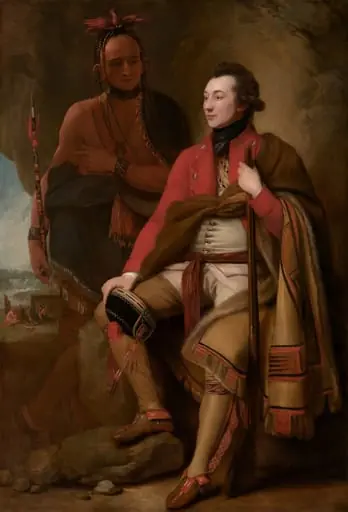 Colonel Guy Johnson and Karonghyontye (Captain David Hill)
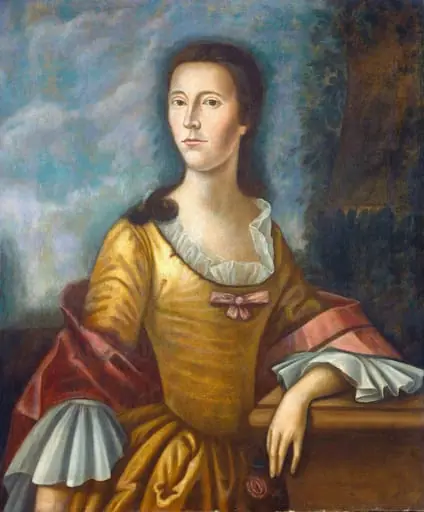 Mary Bethel Boude (Mrs. Samuel Boude)
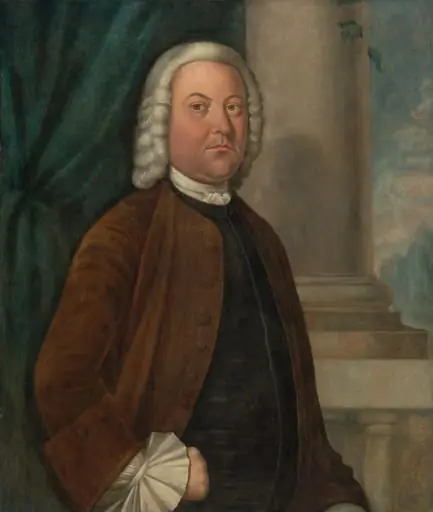 Dr. Samuel Boude
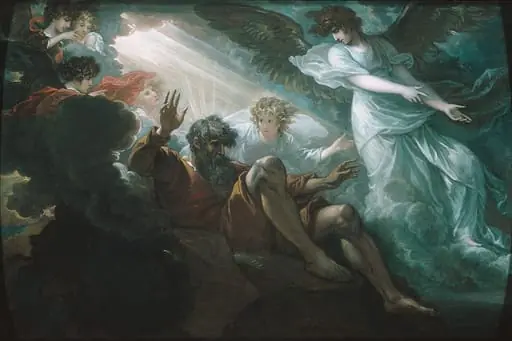 Moses Shown the Promised Land
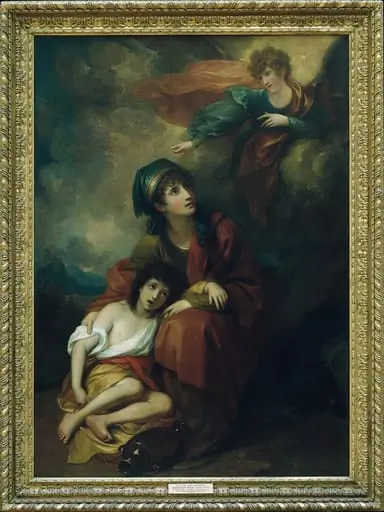 Hagar and Ishmael
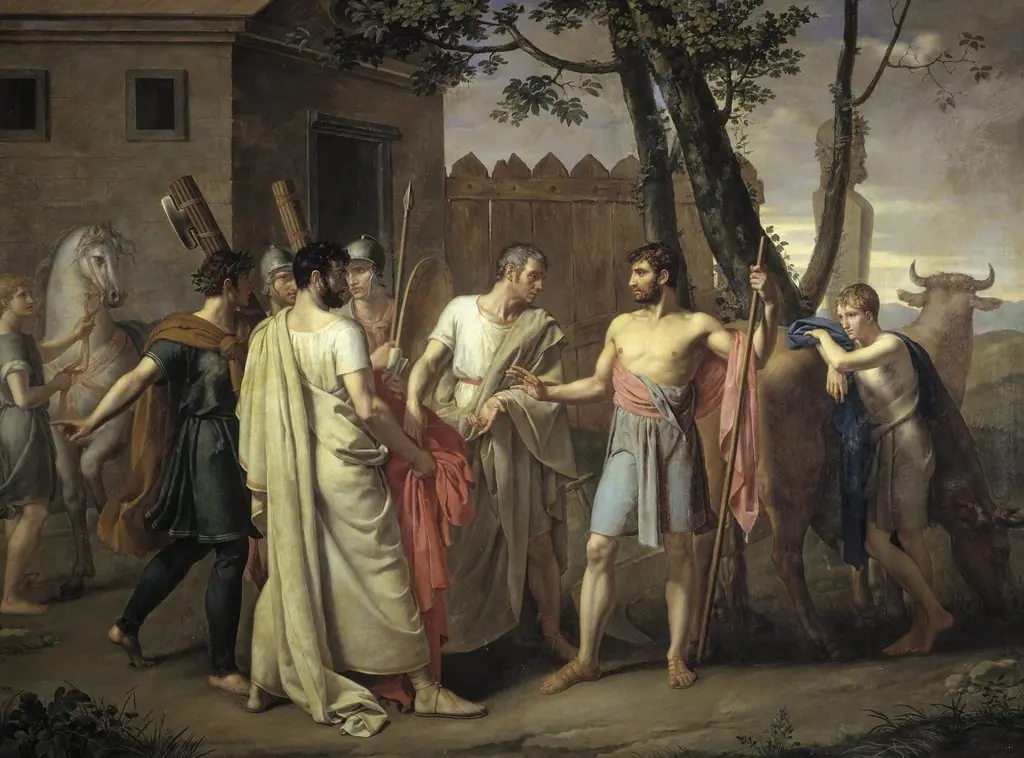 Cincinnatus abandons the Plough to dictate Laws to Rome
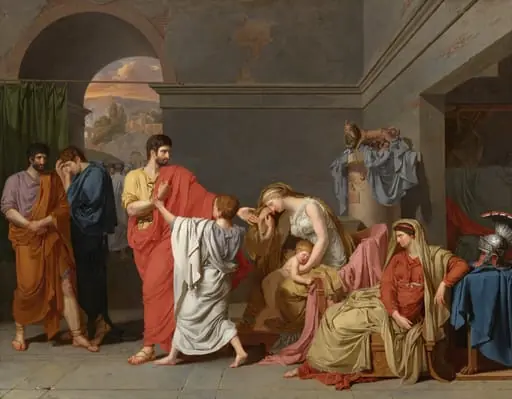 Coriolanus Taking Leave of his Family
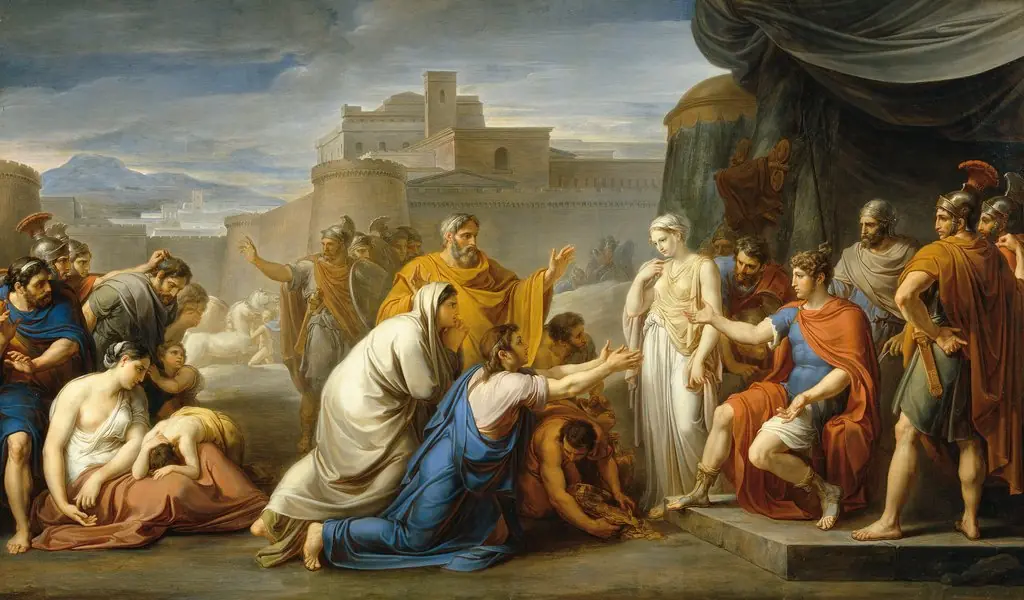 Scipios Mäßigung
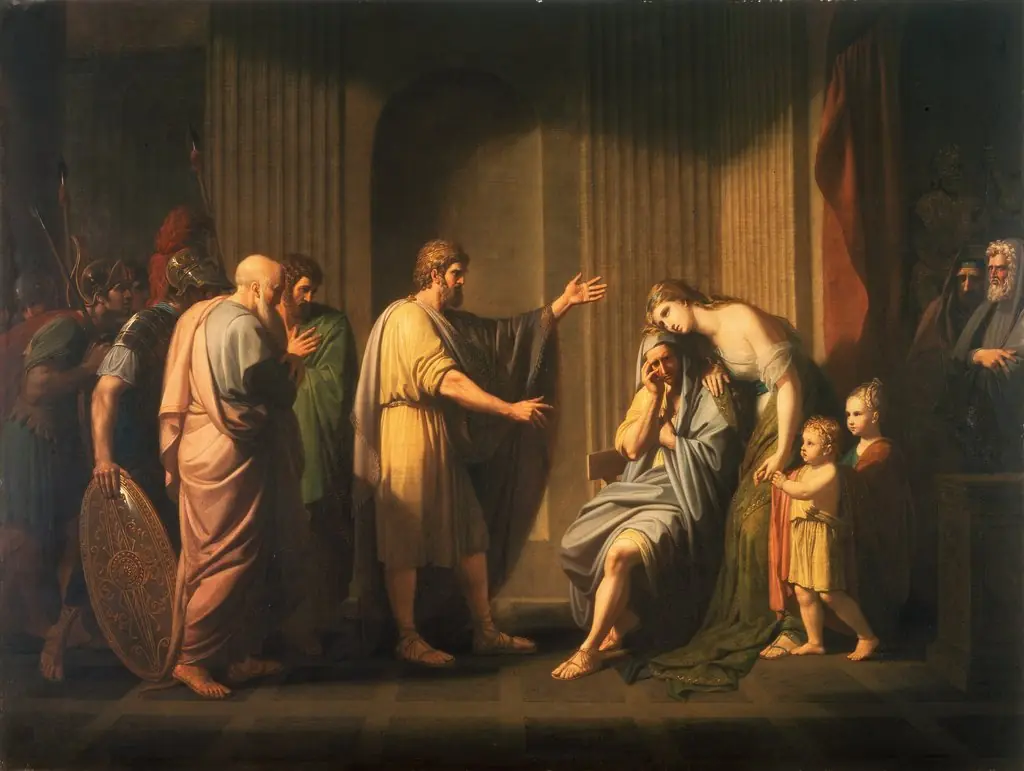 Cleombrotus Ordered into Banishment by Leonidas II, King of Sparta
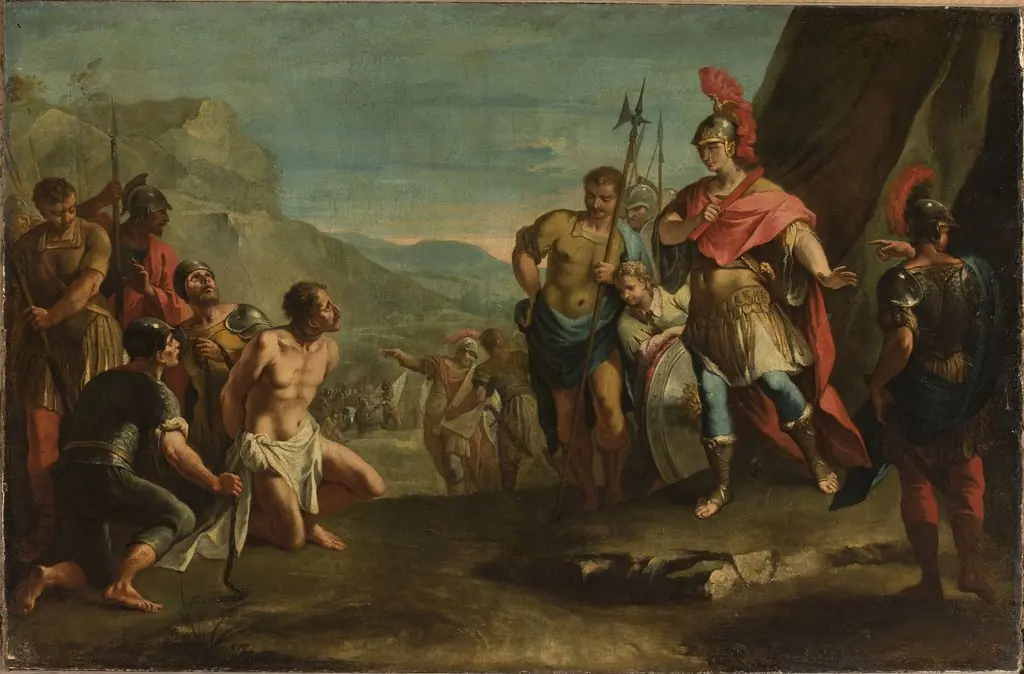 Killer of Darius before Alexander (King Porus and Alexander the Great)
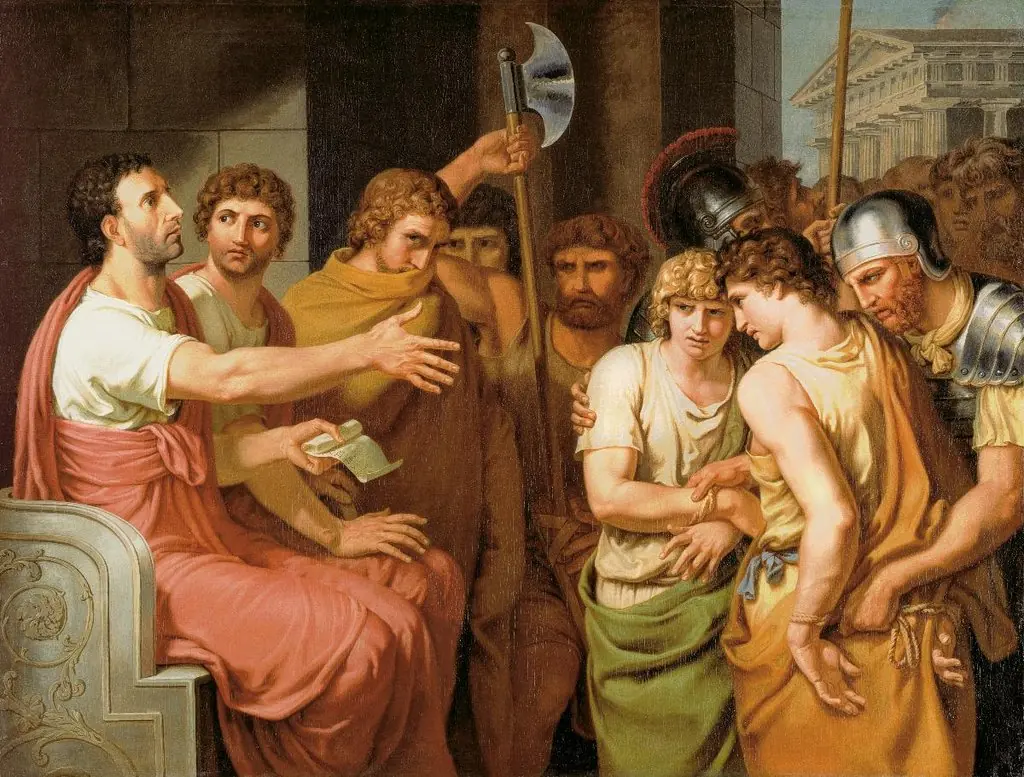 Brutus entdeckt die Namen seiner Söhne auf der Liste der Verschwörer und verurteilt sie zum Tode
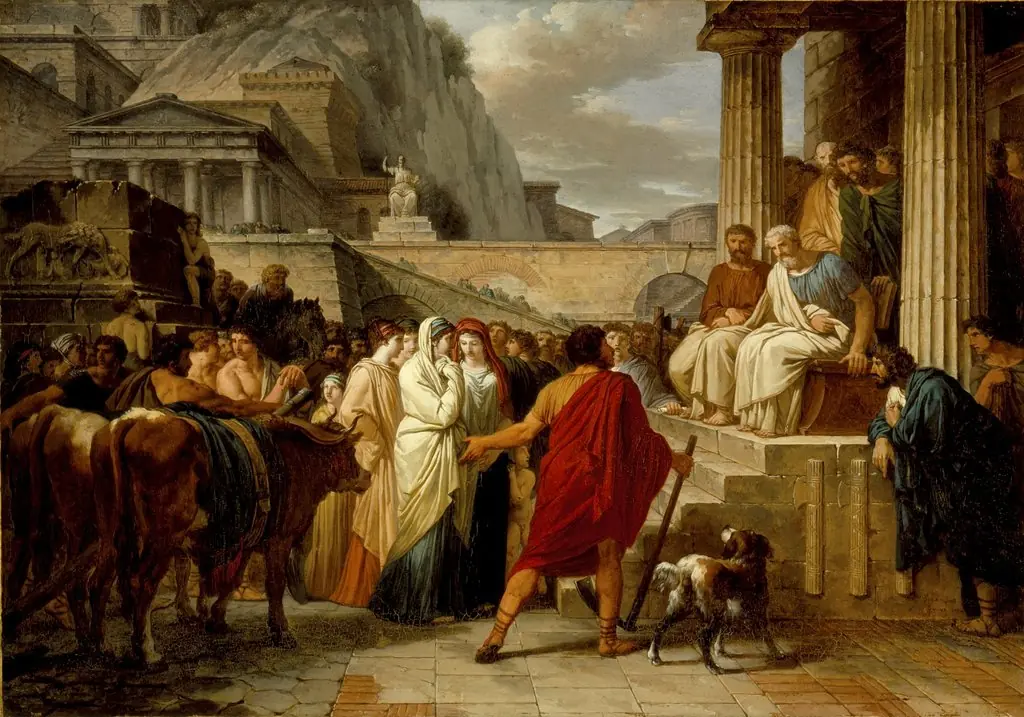 Caius Furius Cressinus Accused of Sorcery
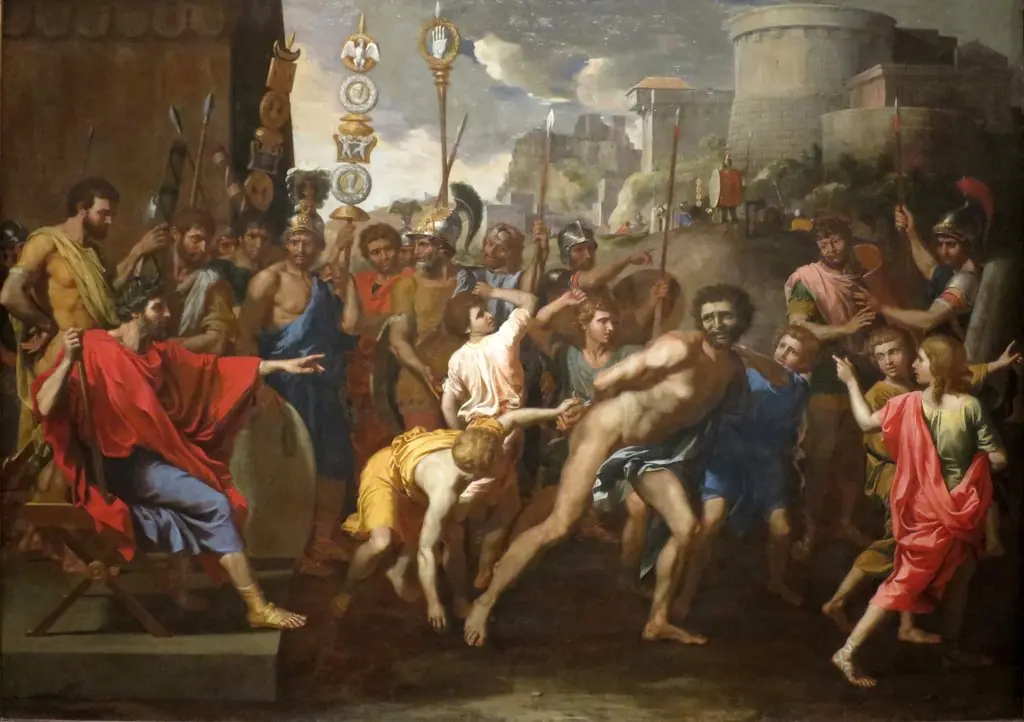 Camillus and the Schoolmaster of Falerii
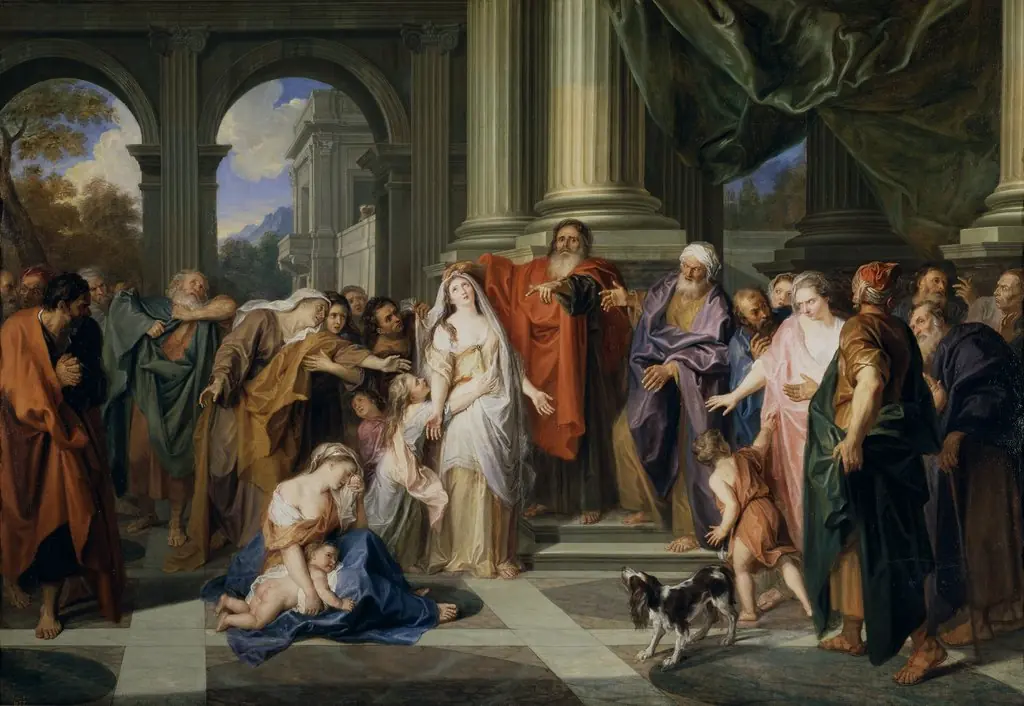 Susannah accused of adultery
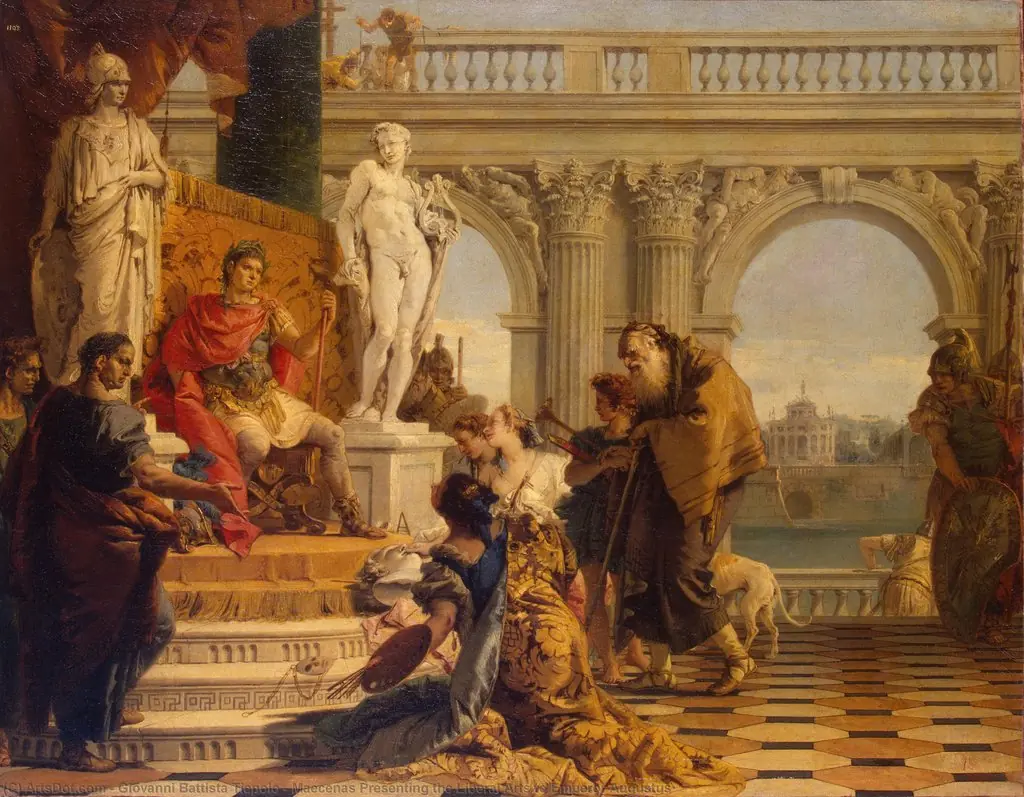 Maecenas Presenting the Liberal Arts to Emperor Augustus
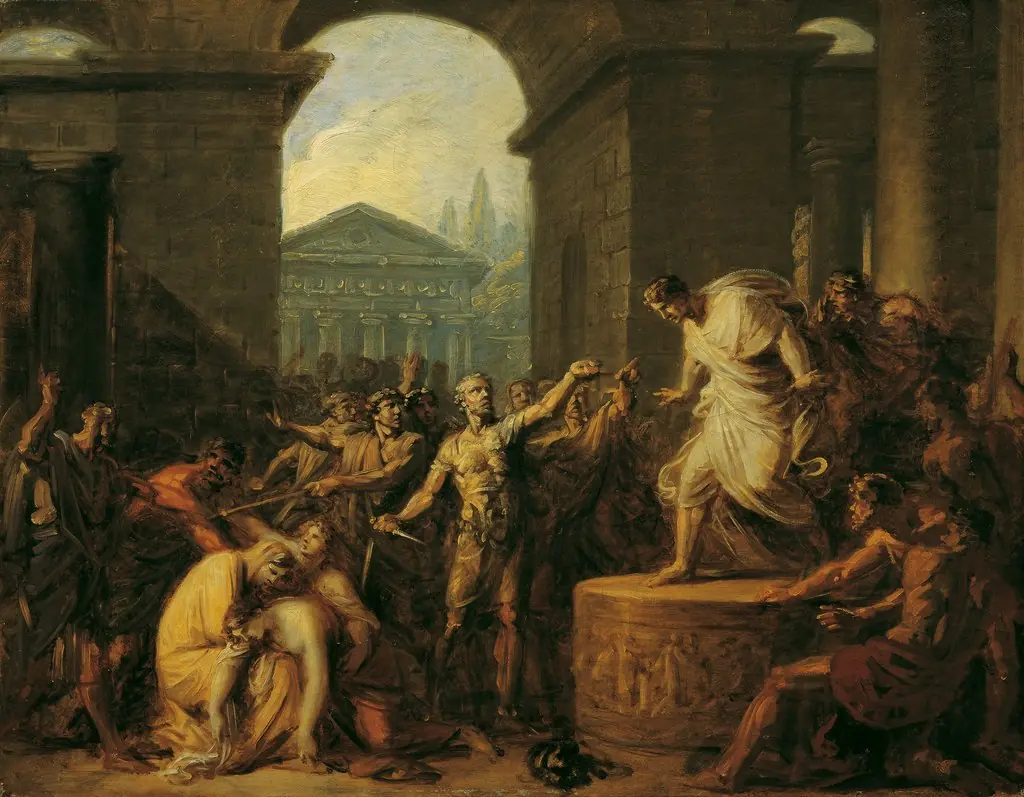 The Death of Virginia
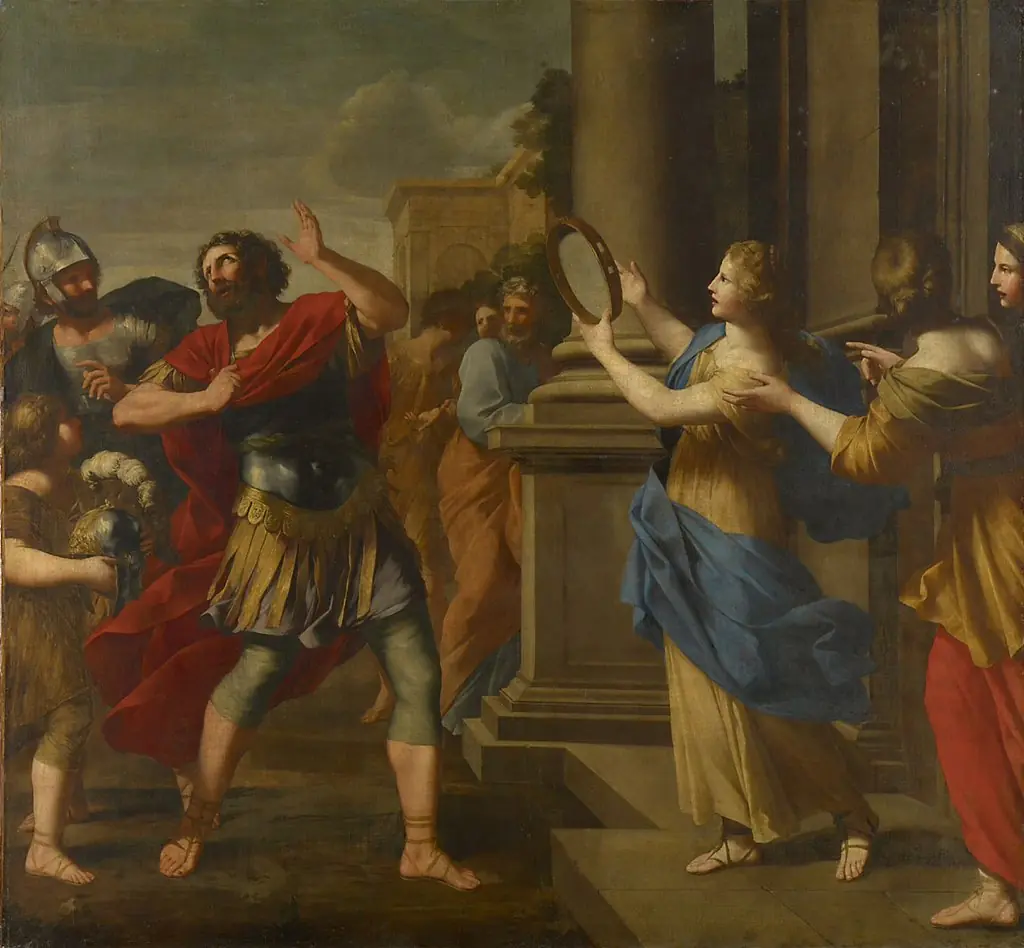 Jephta erblickt seine Tochter