Artwork
Cleopatra and Octavian
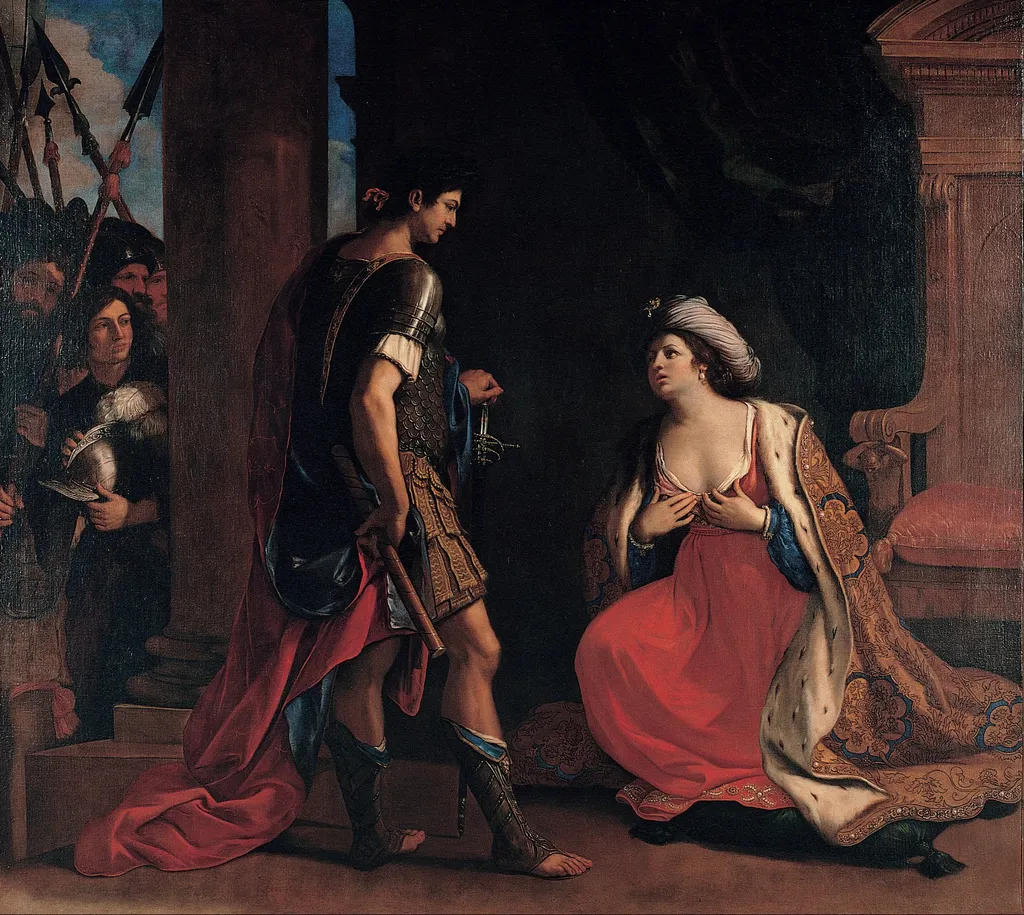
Cleopatra and Octavian is an oil painting by the Early Baroque Italian artist Guercino. It dates from 1639 and is held in the collection of the Capitoline Museums.
About this work
Overview
Guercino’s oil on canvas, dated 1639, portrays the moment when Cleopatra confronts Octavian. The composition is set in an interior space, with the queen in a red garment and white veil, and the Roman leader in armor and a red cloak, both illuminated by a strong light that defines their forms against a darker background.
Subject & Meaning
The work captures the tense exchange between the Egyptian ruler and the future emperor, emphasizing Cleopatra’s anguish as she clutches her chest while Octavian, sword in hand, gazes at her with a solemn expression. The surrounding figures, some armed, suggest the political and military stakes surrounding the encounter.
Technique & Style
Guercino employs pronounced chiaroscuro, using a single light source to model the bodies and create depth. The handling of paint reflects his transition from early vigorous naturalism toward a more restrained, classical balance, evident in the measured arrangement of figures and the controlled palette of reds, whites, and muted tones.
History & Provenance
Created during Guercino’s mature period after his training in Cento and work in Rome and Bologna, the painting entered the collection of the Capitoline Museums, where it remains on display. Its acquisition reflects the museum’s focus on Baroque masterpieces that illustrate the evolution of Italian painting in the seventeenth century.
Own this work as a print
Artist & collection
Artist
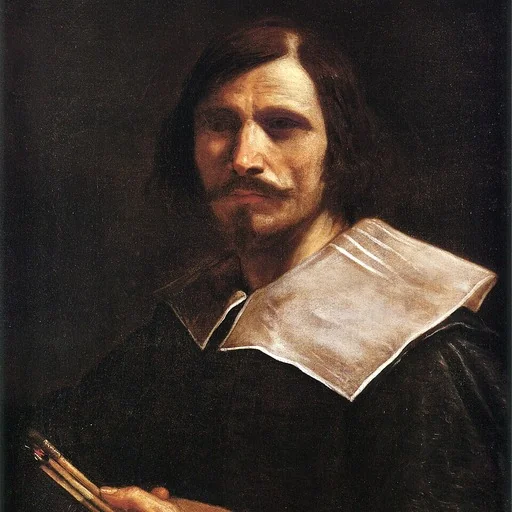
Giovanni Francesco Barbieri (8 February 1591 – 22 December 1666), better known as (il) Guercino (Italian pronunciation: ), was an Italian Baroque painter and draftsman from Cento in the Emilia region, who was active in Rome and Bologna.

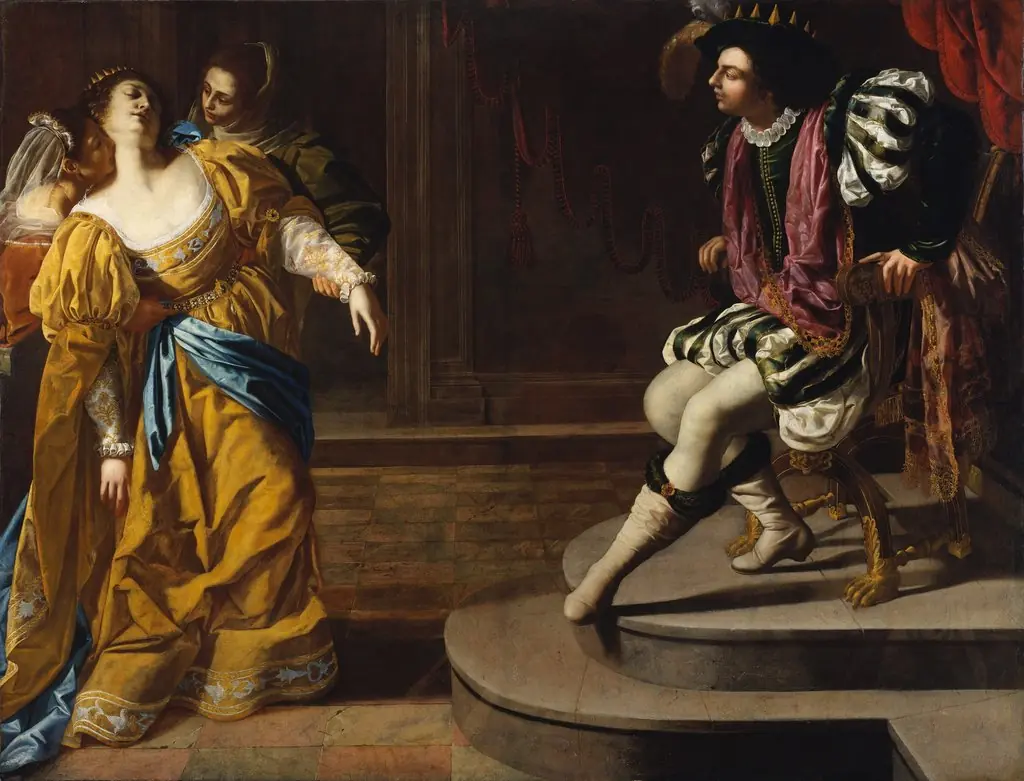 Esther before Ahasuerus
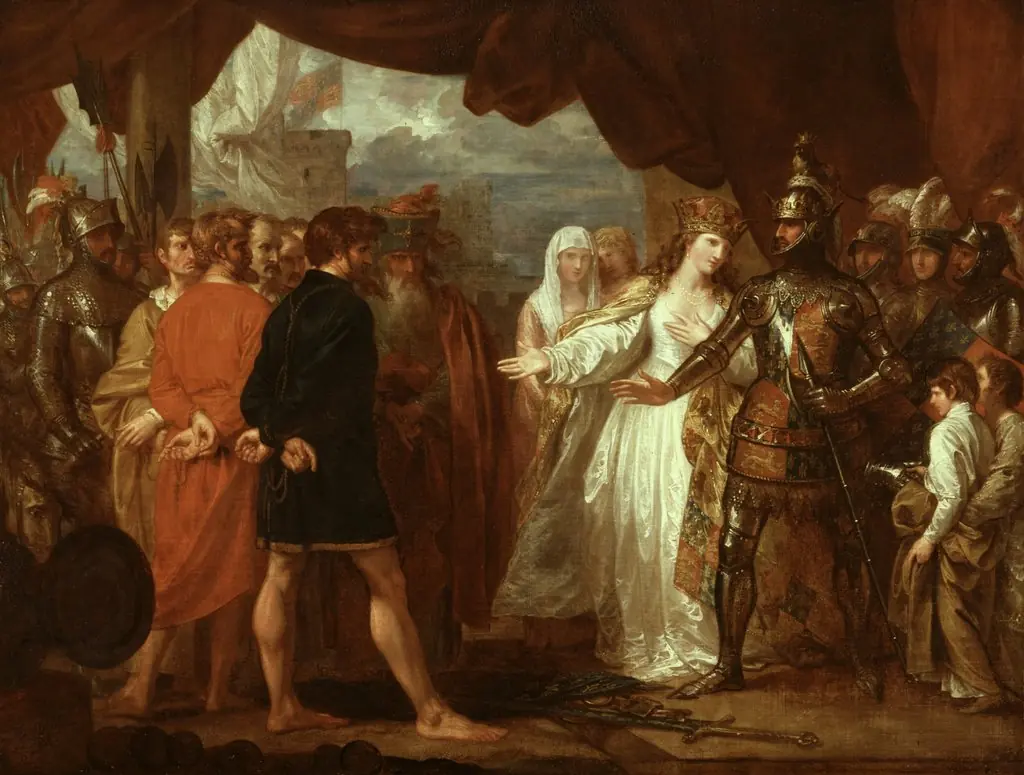 Queen Philippa Interceding for the Lives of the Burghers of Calais
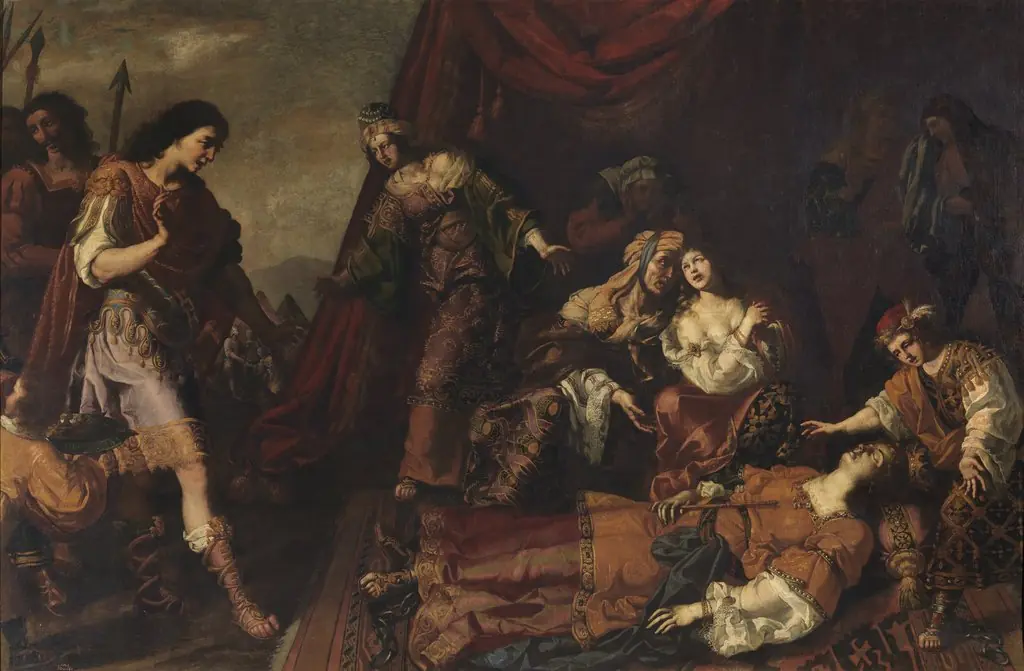 Masinissa Mourning Over the Death of Sophonisba (?)
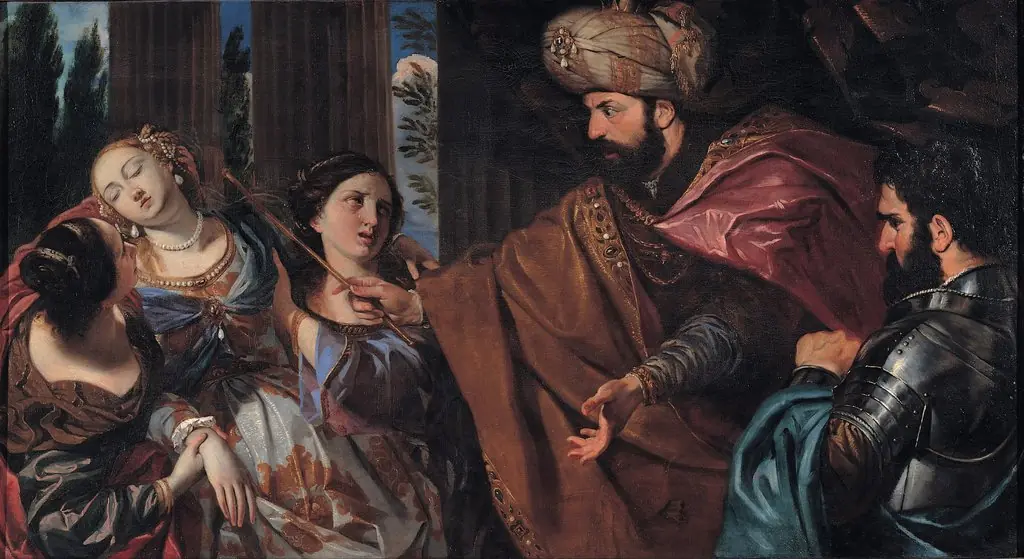 Esther before Ahasuerus
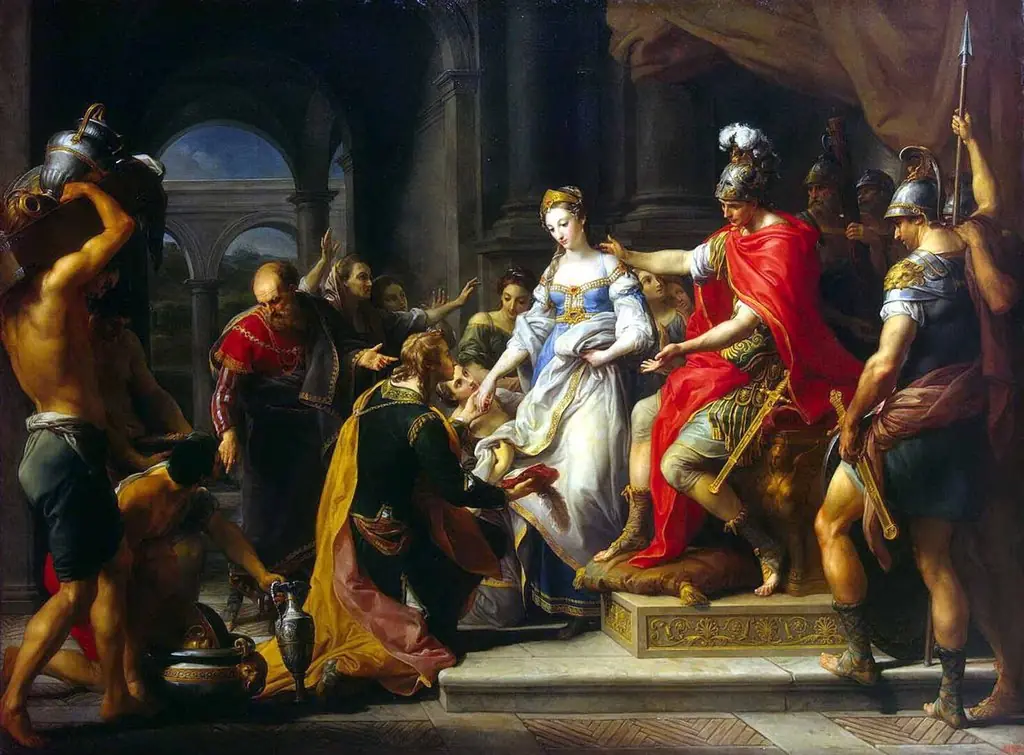 Continence of Scipio
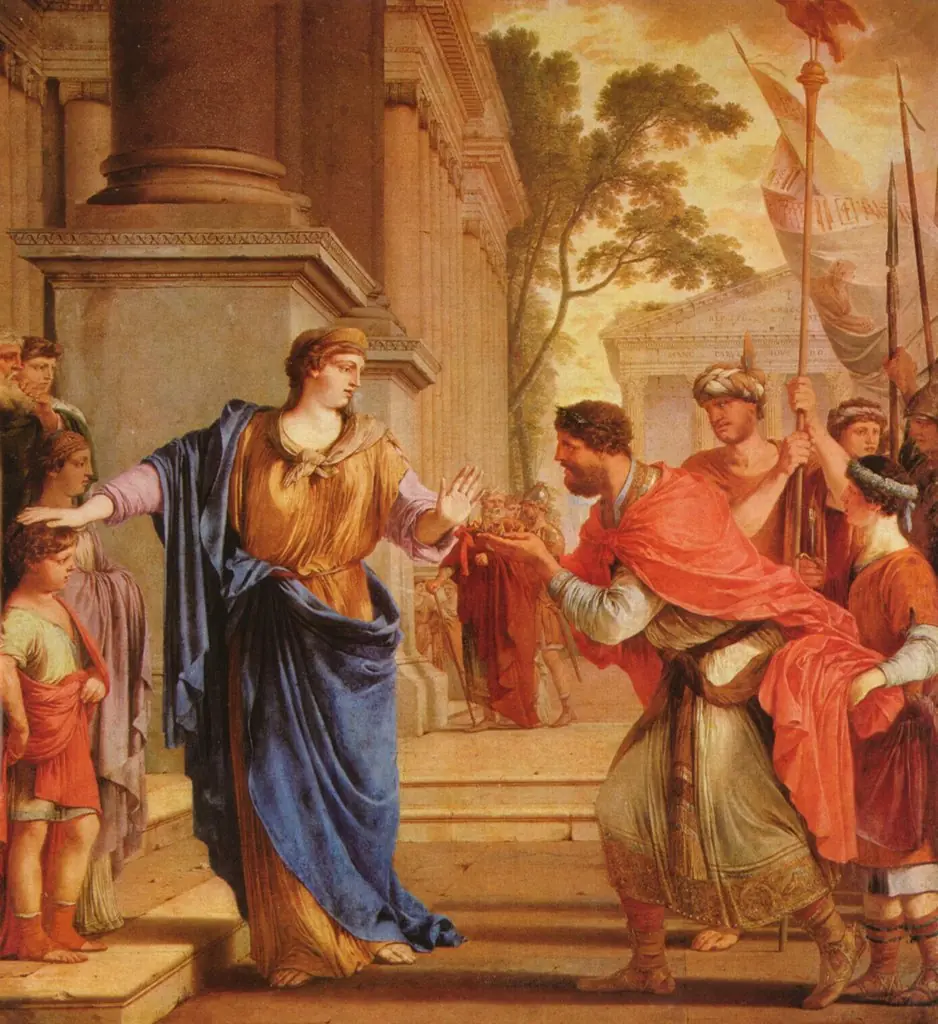 Cornelia rejects the crown of the Ptolemies
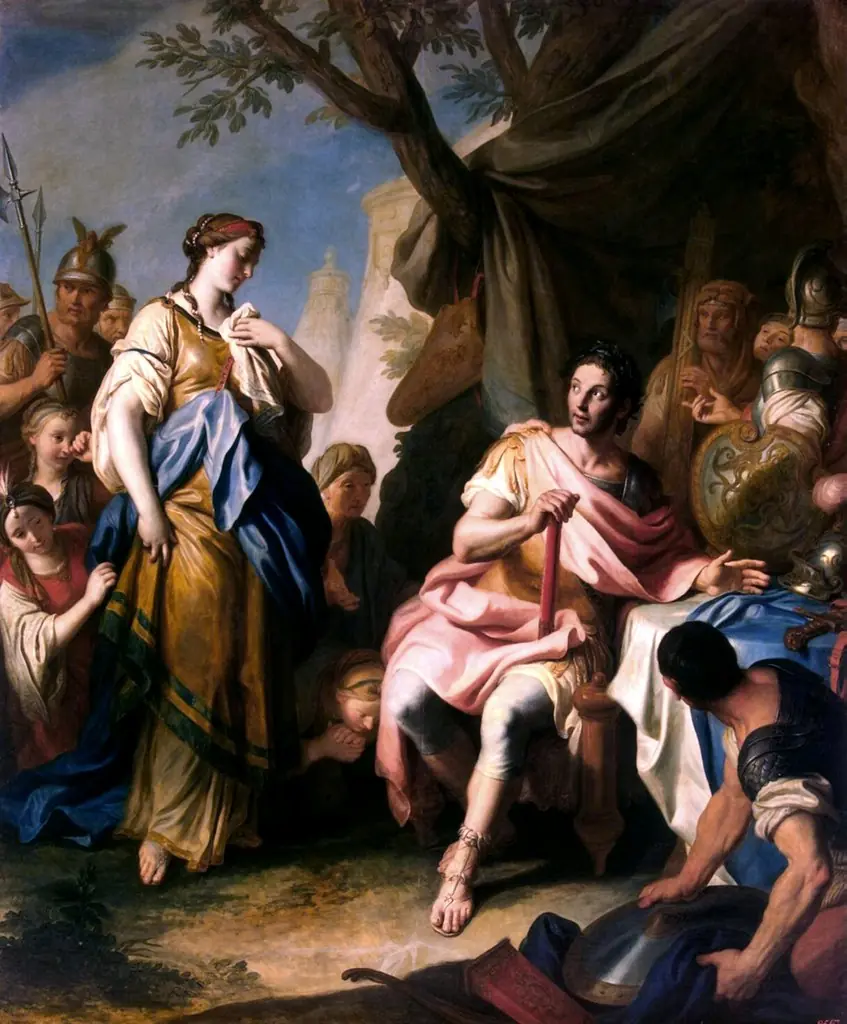 Alexander the Great and Roxana
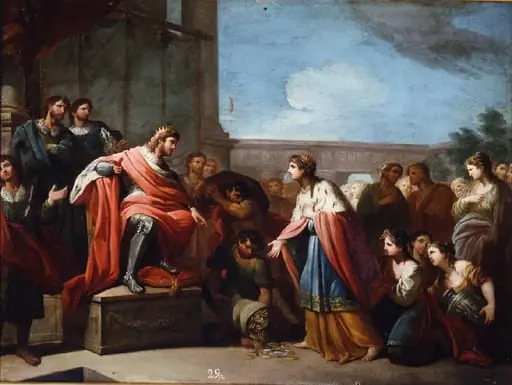 La Emperatriz Marta de Constantinopla ante Alfonso X el Sabio. óleo sobre lienzo
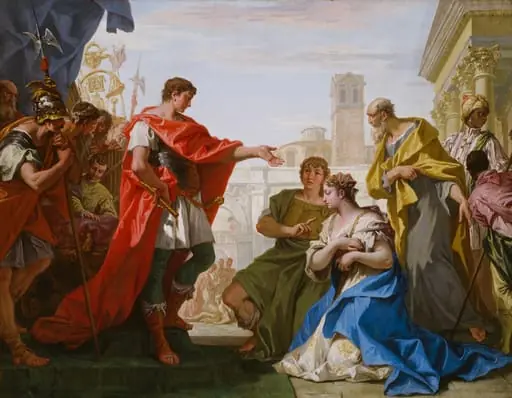 The Continence of Scipio
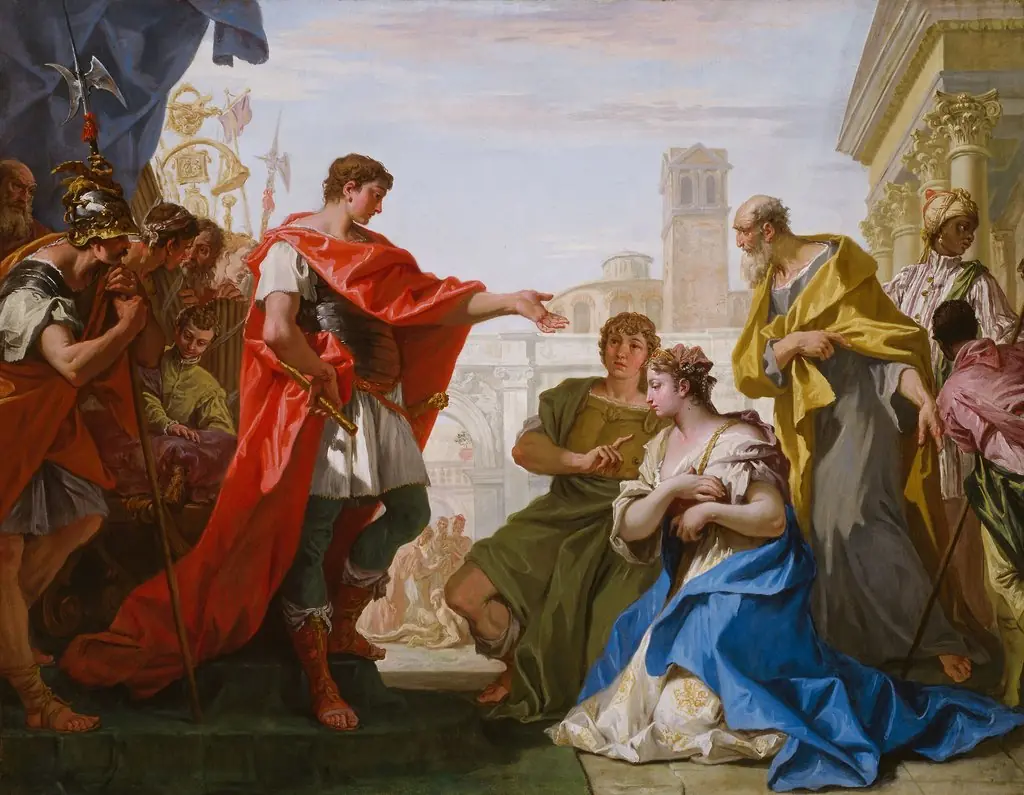 The Continence of Scipio
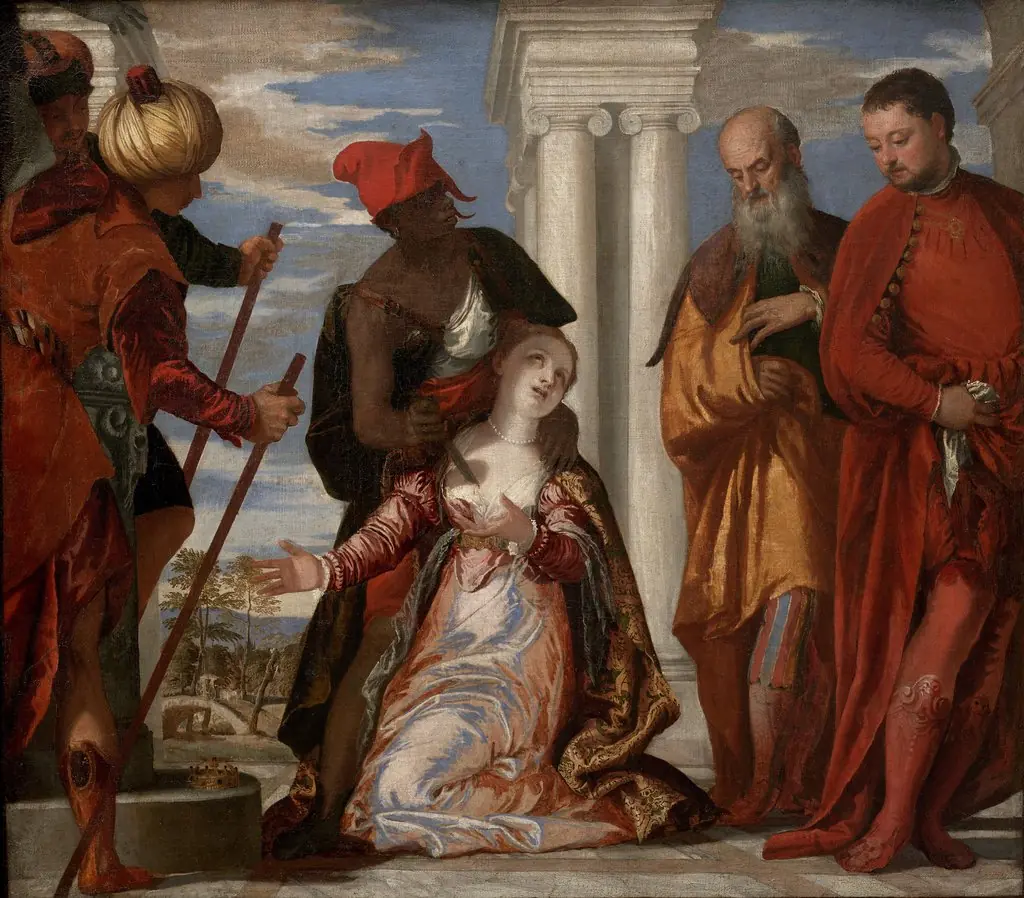 The Martyrdom of Saint Justina
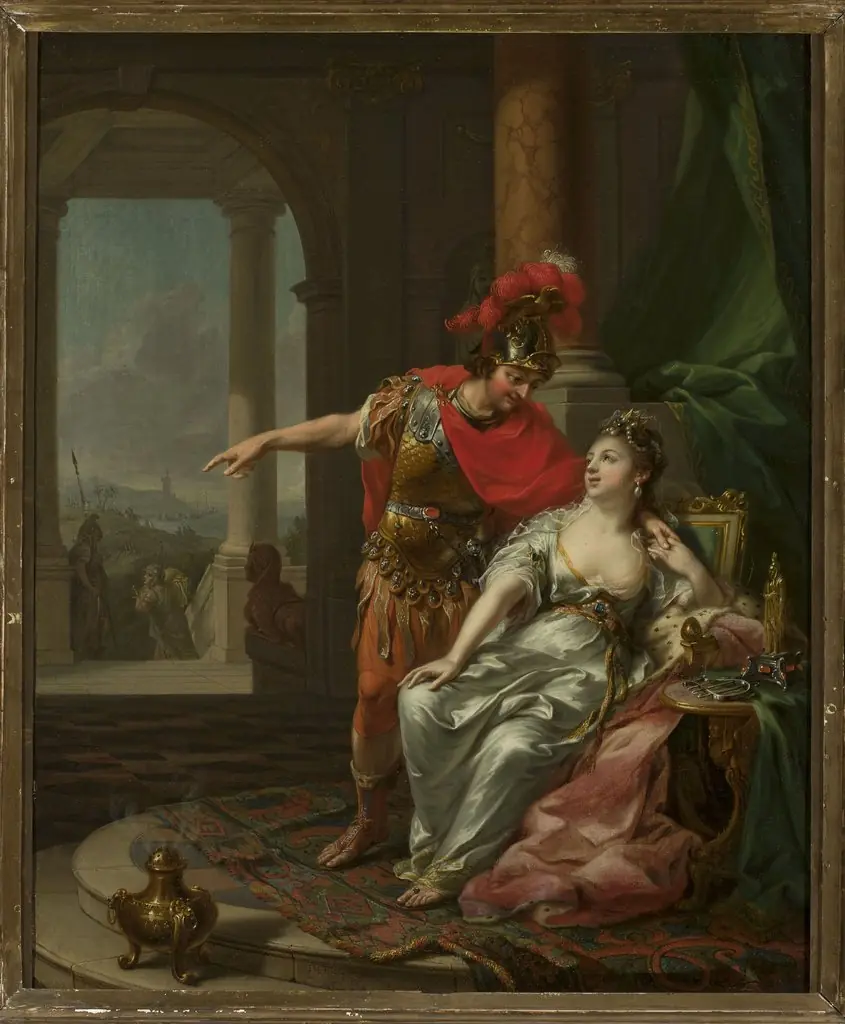 Antony and Cleopatra