Artwork
Versaillesin puisto
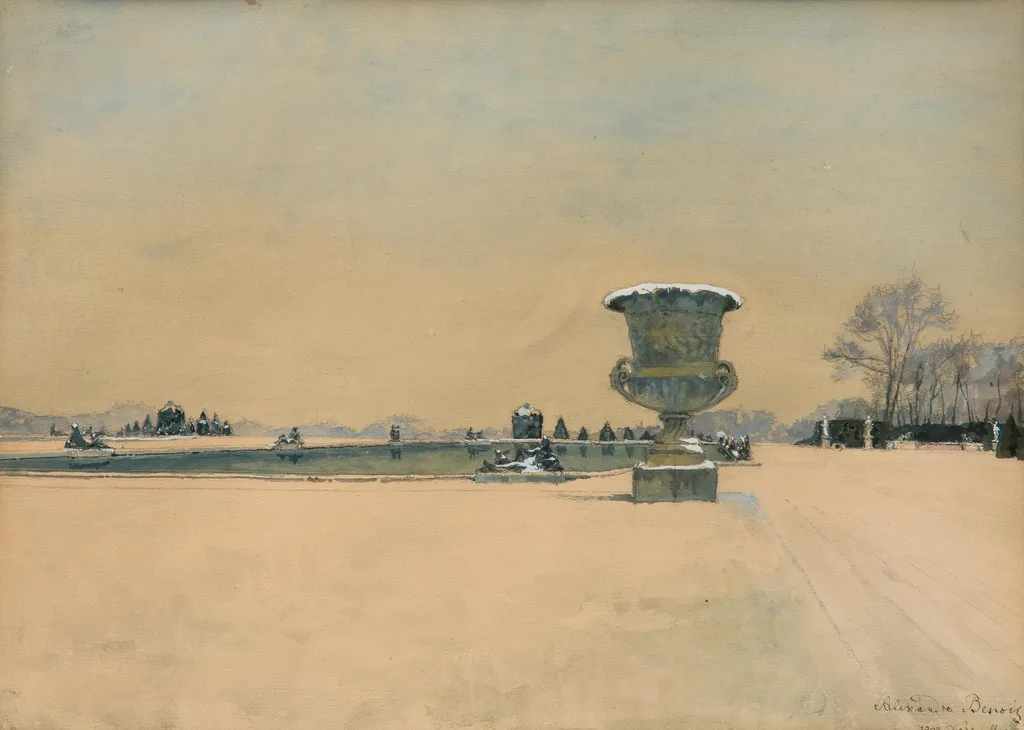
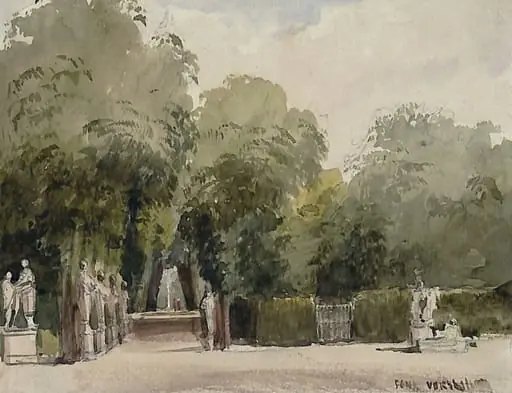
Versaillesin puisto is a photography by Alexander Nikolaevich Benois. It is held in the collection of the Järvenpää Art Museum.
About this work
Overview
This image depicts a tranquil section of the Gardens of Versailles, centered on a weathered stone vase placed atop a low stone wall beside a narrow pond.
This image depicts a tranquil section of the Gardens of Versailles, centered on a weathered stone vase placed atop a low stone wall beside a narrow pond. The composition emphasizes stillness and subtle natural light, with minimal human presence. The brushwork is deliberately loose, suggesting a spontaneous observation rather than a carefully composed studio piece, evoking the immediacy of a moment caught in passing.
Subject & Meaning
The stone vase, worn and unadorned, serves as the quiet anchor of the scene. Its placement against the pale background draws attention to its texture and weight, contrasting with the delicate reflections in the water. The surrounding hedges and trees frame the space without dominating it, suggesting an orderly yet serene natural environment. The absence of figures invites contemplation of time, decay, and the quiet persistence of garden architecture.
Technique & Style
The artist employs loose, rapid brushstrokes that avoid fine detail, creating a sense of movement and impermanence. The paint is applied with varying thickness, particularly around the vase, where texture is suggested through impasto-like builds. The palette is restrained—muted greens, soft yellows, and earth tones—enhancing the subdued atmosphere. This approach prioritizes sensory impression over precision, aligning with observational practices common in late 19th-century plein air painting.
History & Provenance
The work originates from the Gardens of Versailles, a site long associated with royal grandeur and later, public leisure. While the exact date and artist remain unconfirmed, the style suggests a late 1800s origin, possibly by a French artist recording the gardens during a period of renewed interest in their naturalistic qualities. Its informal character implies it may have been a study or personal sketch rather than a commissioned piece.
Context
During the late 19th century, French artists increasingly turned away from formal courtly subjects toward everyday landscapes and garden scenes. Versailles, once a symbol of absolutism, was becoming a place of quiet reflection and artistic study. This work reflects that shift—capturing the gardens not as monuments, but as lived, evolving spaces where nature and human design coexist subtly and without fanfare.
Legacy
Though not widely exhibited or reproduced, the painting exemplifies a broader trend in European art toward intimate, unidealized landscape studies. Its emphasis on texture, light, and transient atmosphere anticipates later modernist approaches to perception and materiality. It remains a quiet testament to the value artists placed on observing the ordinary details of cultivated nature.
Artist & collection
Artist
Russian artist Alexander Benois captured the gardens and halls of Versailles in delicate photographs and prints.

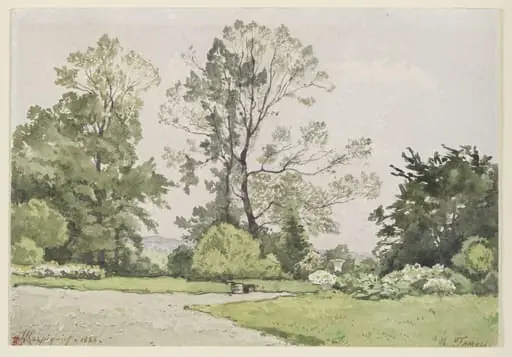 Famars, near Valenciennes
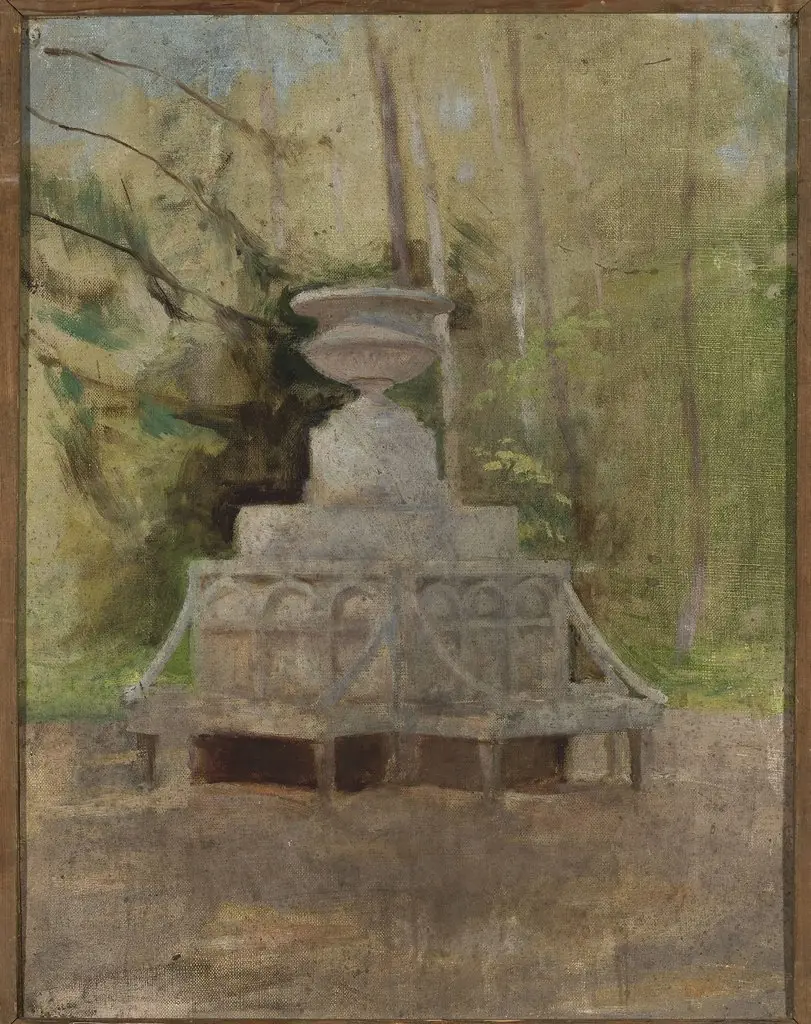 Park motif from Talashkino
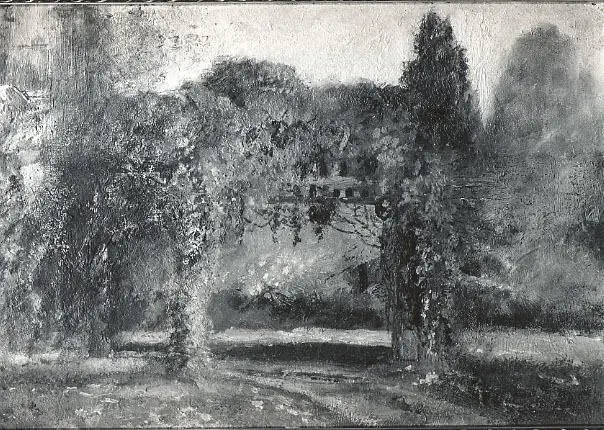 Port Cochere at 39 Elm Street, Worcester, Mass.
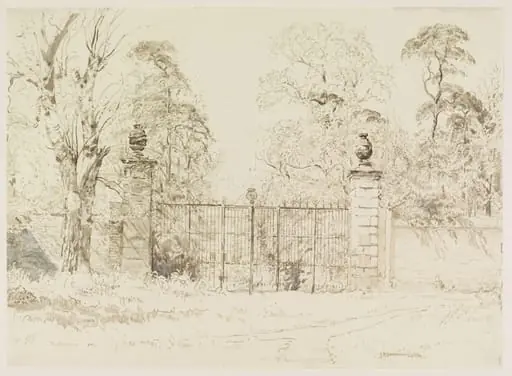 The Old Gates, Ham House
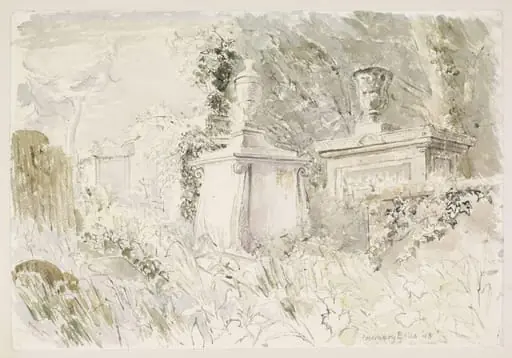 Tombstones, Bathampton Cemetery, Bath
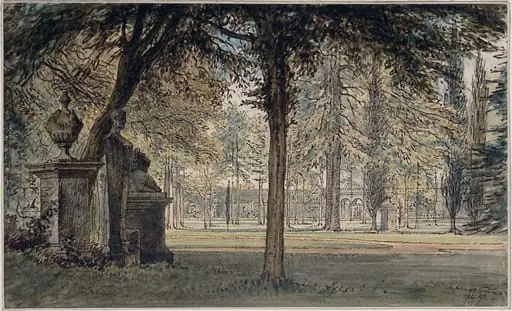 Royal Horticultural Society's Gardens, Chiswick
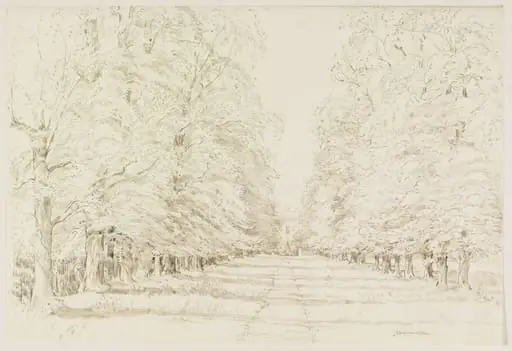 Ham House; the Avenue from the gate in Sandy Lane
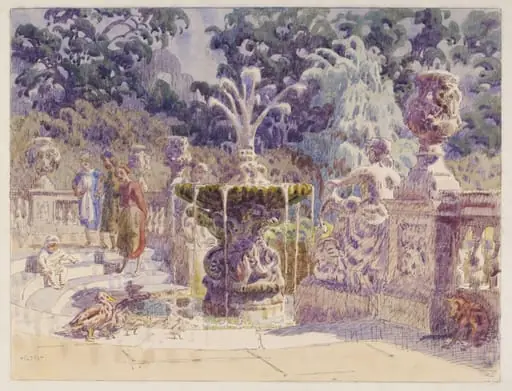 Fountain in Kensington Gardens
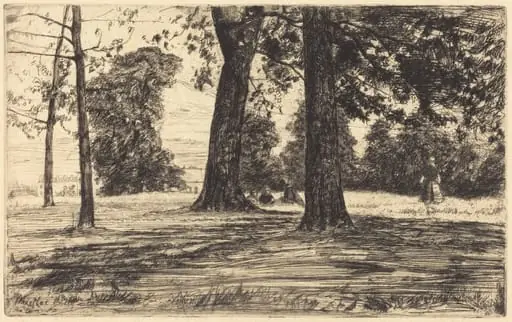 Greenwich Park
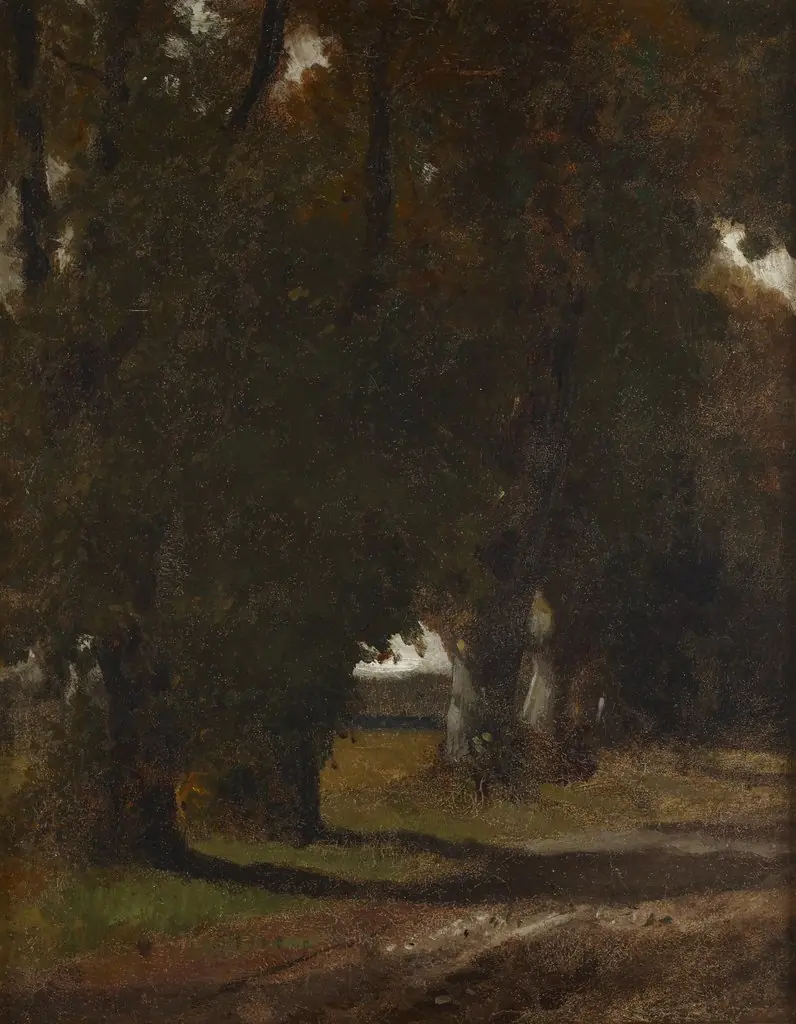 Road Among Trees
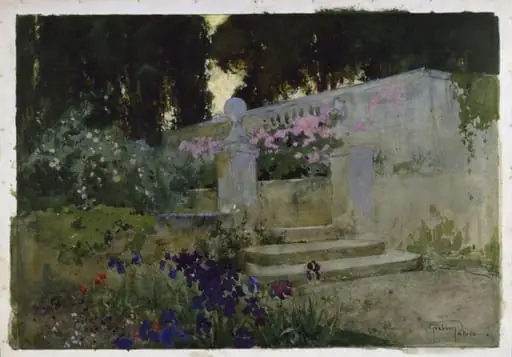 My Lady's Garden
 In the Gardens, Versailles