Artwork
Philip, Comte de Bethune
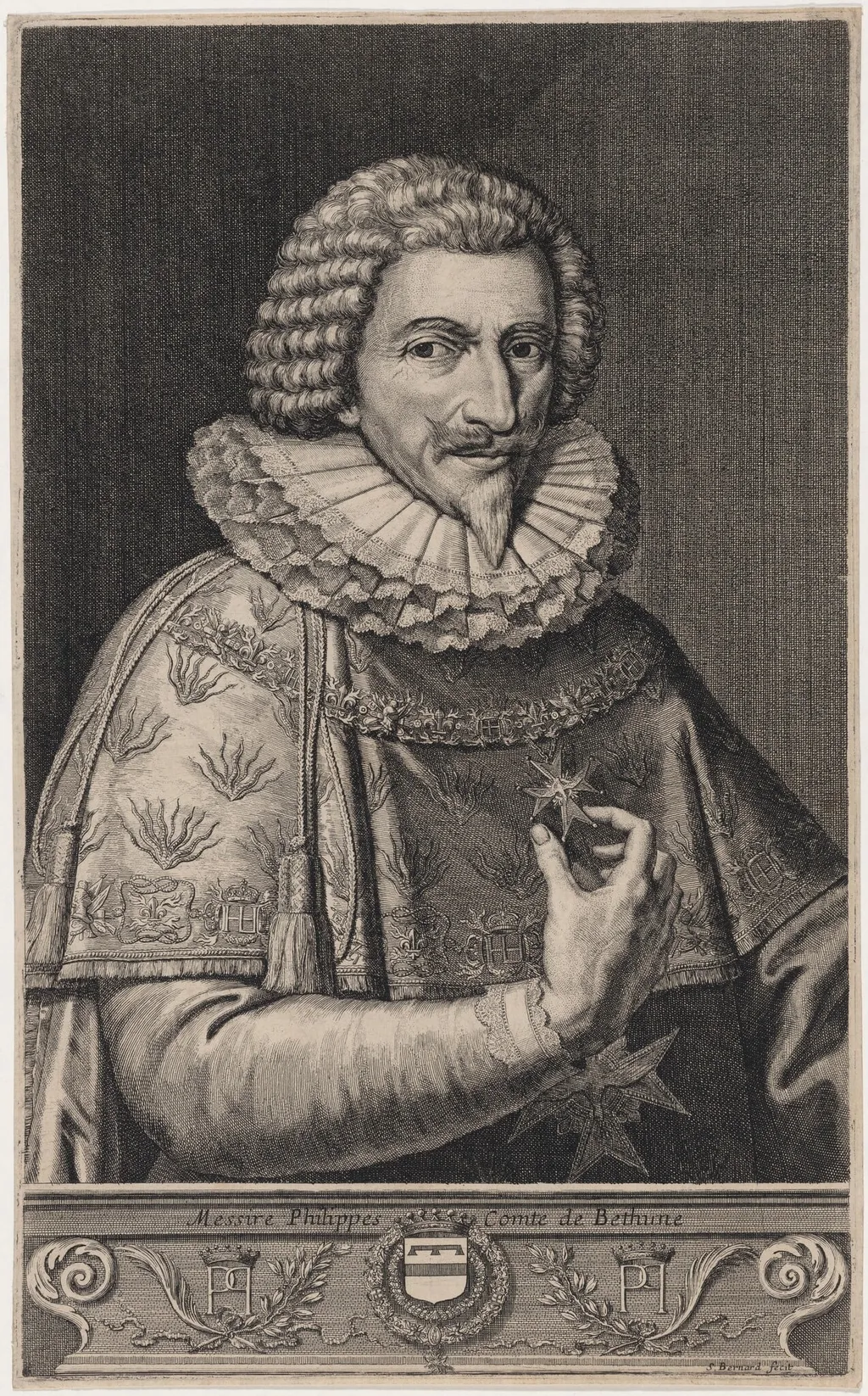
Philip, Comte de Bethune is an ink print by the Baroque artist Samuel Bernard. It dates from 1651 and is held in the collection of the National Gallery of Art.
About this work
Overview
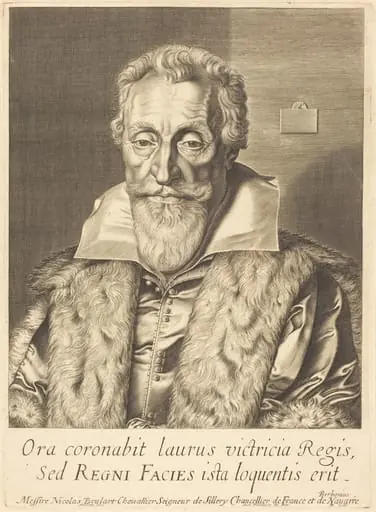
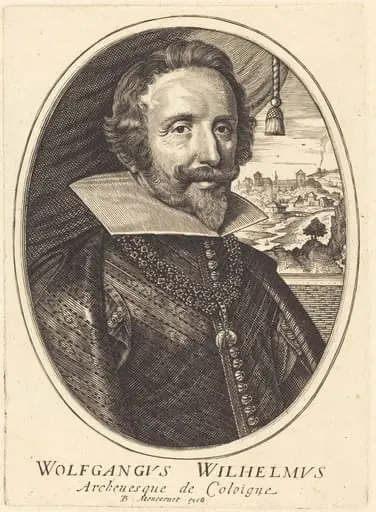
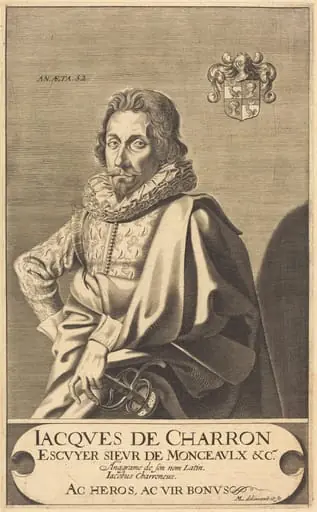
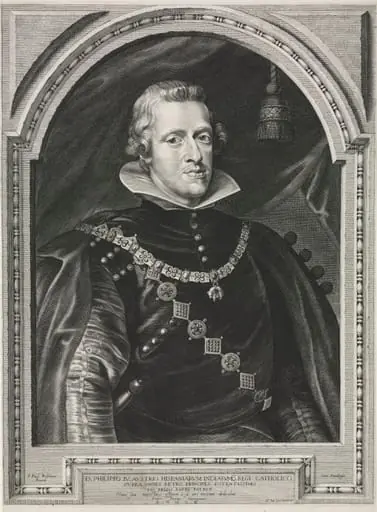
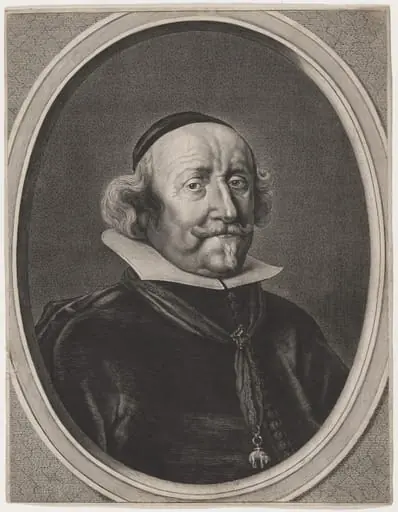
Samuel Bernard’s 1651 engraving presents Philip, Comte de Bethune, rendered in a stark chiaroscuro that isolates the figure against a deep, shadowy backdrop. The portrait captures the nobleman in a poised stance, his gaze directed forward, conveying a composed authority typical of mid‑seventeenth‑century portraiture.
Subject & Meaning
The sitter, identified as Philip, Comte de Bethune, is depicted with tightly curled hair and a solemn expression. He wears a ruffled collar and a cloak emblazoned with a single star, while a smaller star is held in his right hand, symbols that may reference personal heraldry or allegorical virtues associated with his rank.
Technique & Style
Executed in fine line engraving, Bernard employs delicate hatching to model the folds of the cloak and the texture of the hair, while the dark background is achieved through dense cross‑hatching. The contrast between light and shadow heightens the three‑dimensionality of the figure, reflecting Baroque sensibilities in a print medium.
History & Provenance
Created in 1651, the print originates from Bernard’s workshop in Paris, a center for high‑quality engravings during the period. Though specific ownership records are scarce, the work has circulated among collections of French aristocratic portraiture, illustrating the era’s demand for engraved likenesses of the nobility.
Artist & collection