Artwork
Wolfgang Wilhelm
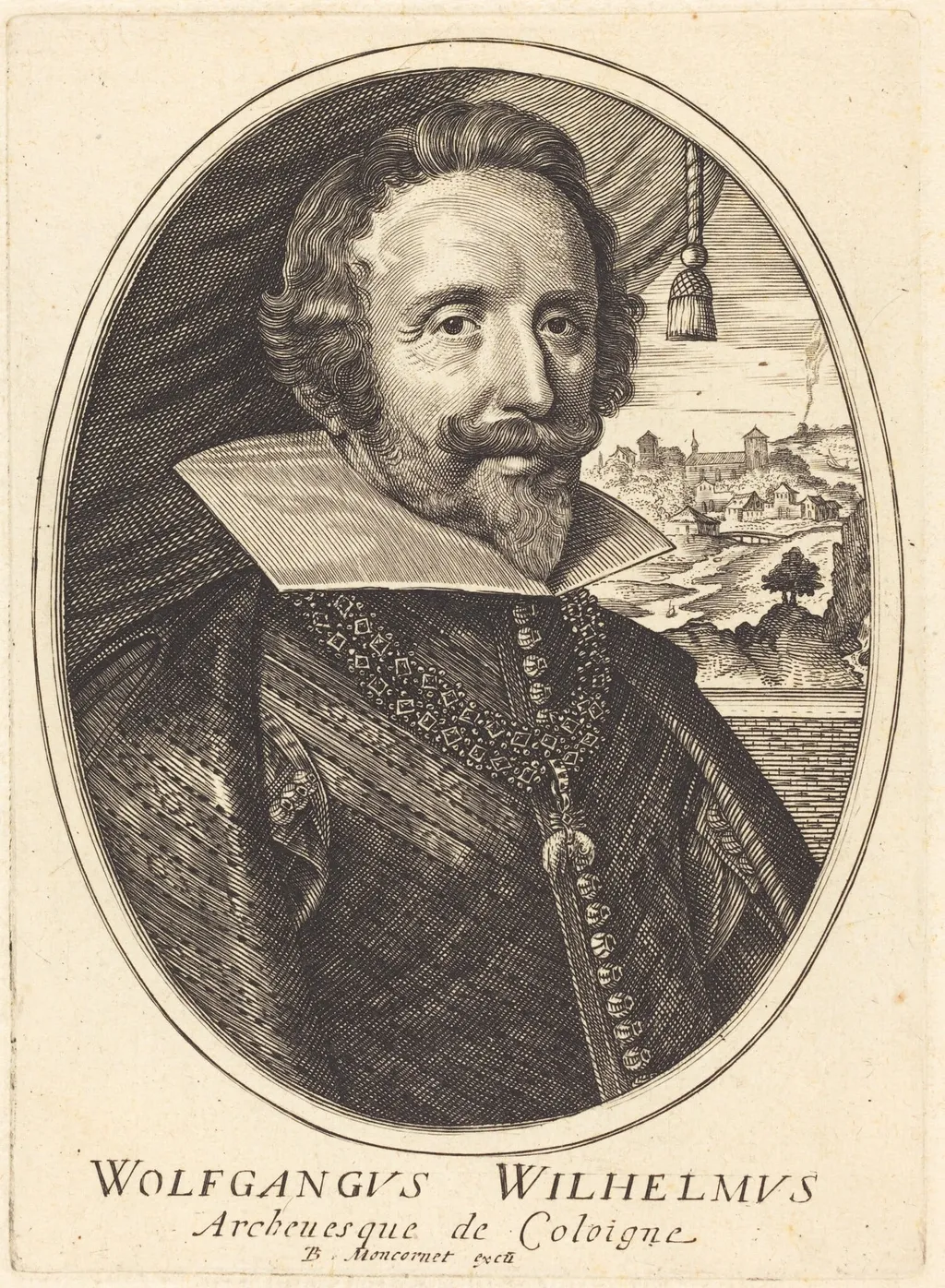
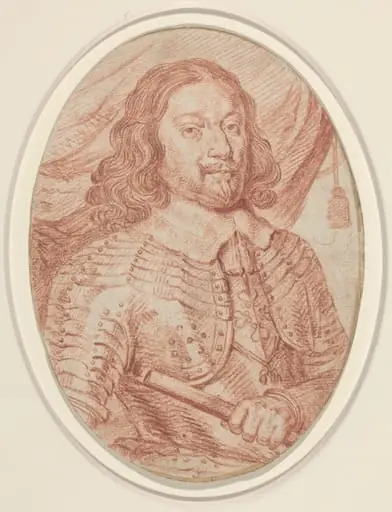
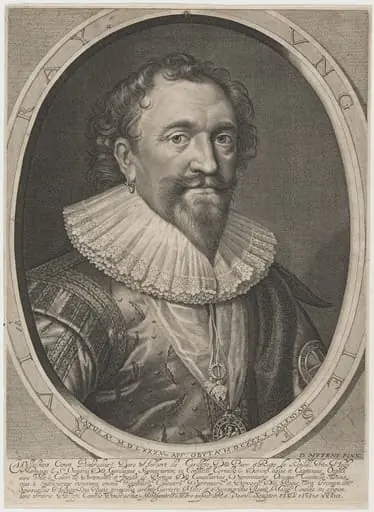
Wolfgang Wilhelm is an ink print by the Baroque artist Balthasar Moncornet. It dates from 1634 and is held in the collection of the National Gallery of Art.
About this work
Overview
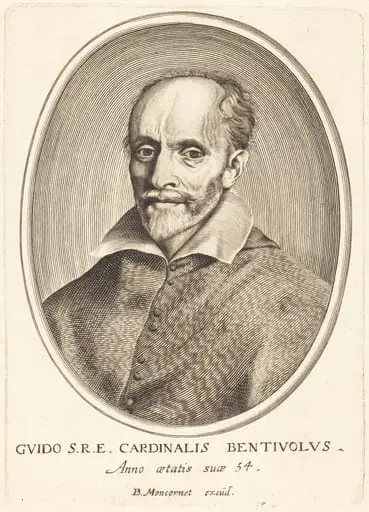
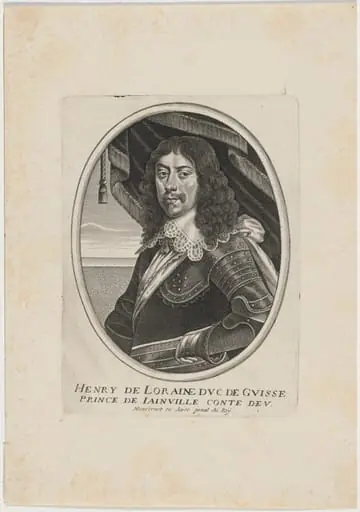
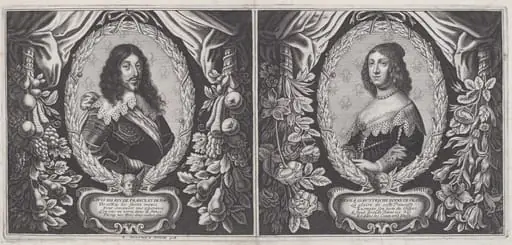
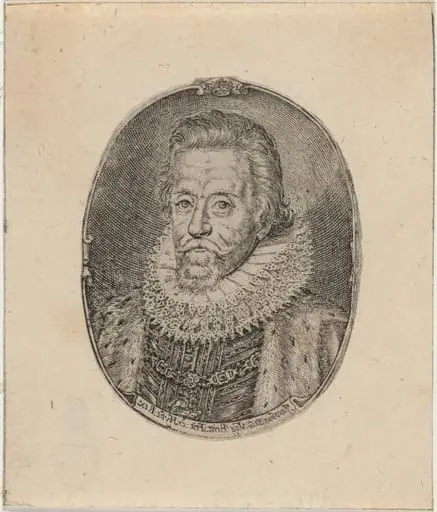
The print is a 1634 engraving on laid paper created by Balthasar Moncornet, a French artist active in the early seventeenth century. It depicts Wolfgang Wilhelm, who held the title of Elector Palatine, a senior prince‑elector of the Holy Roman Empire. The work is executed in black and white, typical of the period’s portrait engravings.
Subject & Meaning
Wolfgang Wilhelm is shown with a full beard and moustache, dressed in a dark robe trimmed with an elaborate lace collar, signifying his noble status. The inscription below his name includes the phrase “Archeuesque de Cologne,” indicating a connection to the ecclesiastical hierarchy of Cologne, possibly reflecting his political and religious roles within the empire.
Technique & Style
Moncornet employed fine line engraving to render the figure’s facial features, clothing texture, and the miniature landscape behind him. The background contains a stylized town with buildings and a river, rendered in lighter hatching to suggest depth without detracting from the central portrait. The use of laid paper adds a subtle texture to the image.
History & Provenance
The engraving is one of roughly forty‑five portrait prints Moncornet produced of notable contemporaries. While the original ownership trail is not fully documented, the artist’s signature appears at the bottom, confirming authorship and dating the work to 1634.
Context
In the early seventeenth century, portrait engravings served both as a means of disseminating the likenesses of political leaders and as a collectible item among the educated elite. Moncornet’s work reflects the French tradition of detailed, line‑based portraiture that circulated throughout the Holy Roman Empire.
Artist & collection
Artist
Balthasar Moncornet (1600, Rouen – 1668, Paris) was a French painter, engraver, and tapissier revered for his depictions of around 45 different prominent figures of the 17th century.