Artwork
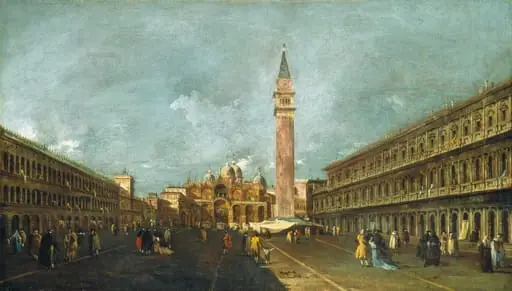
Piazza San Marco, Venice, with Saint Mark's Basilica, the Campanile and the Procuratie Nuove
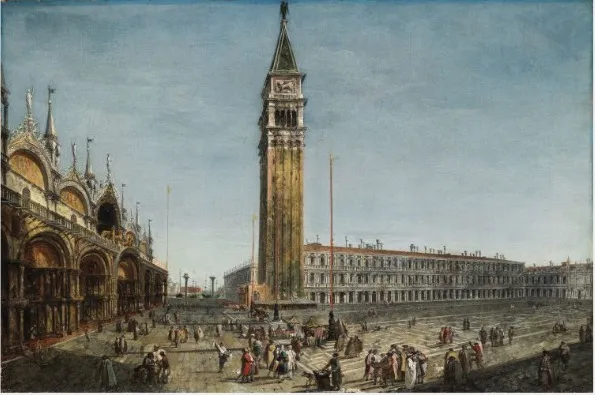
Piazza San Marco, Venice, with Saint Mark's Basilica, the Campanile and the Procuratie Nuove is an oil painting by Michele Marieschi. It dates from 1736 and is held in the collection of the National Gallery of Ireland.
About this work
Overview
It presents a precise, atmospheric rendering of the city’s central public space, dominated by Saint Mark’s Basilica, the Campanile, and the Procuratie Nuove.
Painted around 1736 by Michele Marieschi, this oil-on-canvas work captures the eastern end of Venice’s Piazza San Marco. It presents a precise, atmospheric rendering of the city’s central public space, dominated by Saint Mark’s Basilica, the Campanile, and the Procuratie Nuove. Marieschi, known for his vedute, employed oil paint to convey both architectural detail and the quiet movement of daily life in the square.
Subject & Meaning
The painting documents the urban fabric of Venice at its civic heart. Saint Mark’s Basilica, with its Byzantine domes and ornate façade, anchors the composition, while the Campanile rises as a vertical counterpoint. The Procuratie Nuove, a long arcaded building housing administrative offices, frames the scene. Figures scattered across the piazza suggest routine activity—walking, pausing, gathering—emphasizing the square as a living, social space rather than a static monument.
Technique & Style
Marieschi used oil paint to achieve subtle gradations of light and texture, enhancing the stone surfaces of the buildings and the softness of the sky. His brushwork is precise yet unobtrusive, favoring clarity over dramatic flair. The perspective is carefully constructed to guide the eye from foreground to distant horizon, a hallmark of Venetian veduta painting. The pale blue sky and muted tones reinforce a sense of calm, observational realism.
History & Provenance
Created during the height of Venetian veduta production, the painting entered the National Gallery of Ireland’s collection in the 20th century. Its journey from 18th-century Venice to Dublin reflects broader patterns of European art collecting. While Marieschi’s works were once sought by Grand Tour travelers, this particular piece remained relatively obscure until modern scholarly attention revived interest in his contribution to topographical painting.
Context
Marieschi worked alongside contemporaries like Canaletto and Bellotto, contributing to a genre that catered to foreign visitors seeking souvenirs of Venice. His background in stage design informed his command of spatial depth and architectural framing. Unlike more theatrical vedute, his approach was restrained, emphasizing accuracy and atmospheric coherence over spectacle, aligning with a growing 18th-century preference for documentary precision in urban representation.
Legacy
Though less celebrated than his peers, Marieschi’s work provides valuable insight into Venice’s architectural landscape during the early 1700s. His paintings serve as historical records of buildings and urban arrangements, some of which have since changed. The National Gallery of Ireland’s holding preserves one of his more complete compositions, offering a quiet but enduring testament to the city’s enduring visual identity.
Artist & collection
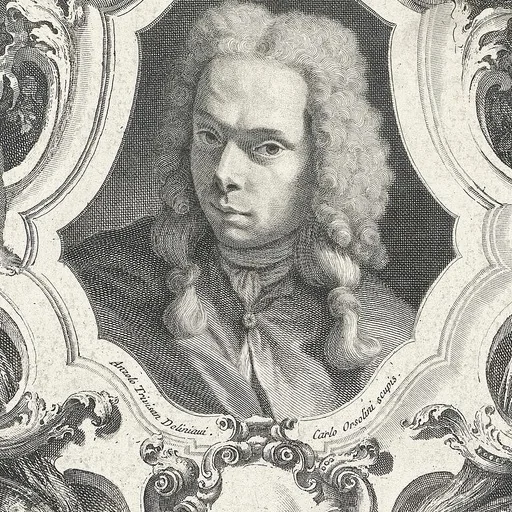
Artist
Michele Marieschi or Michele Giovanni Marieschi, also Michiel (1710 - 18 January 1744), was an Italian painter and engraver.

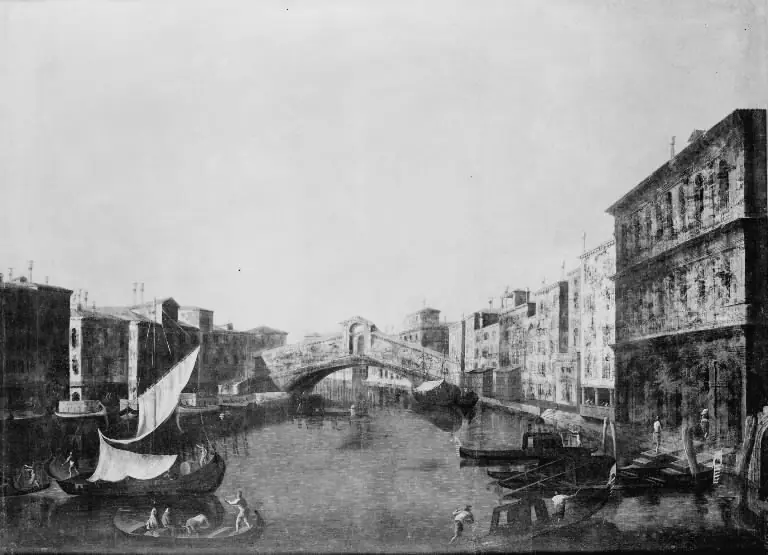 View of Canale Grande in Venice with the Rialto Bridge
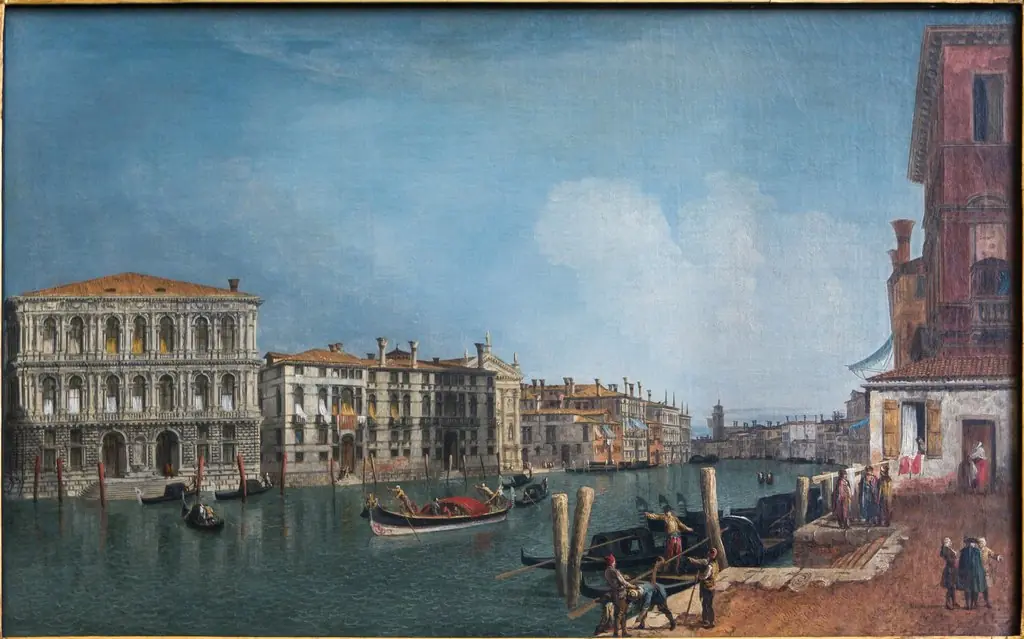 View of the Grand Canal near Cà Pesaro
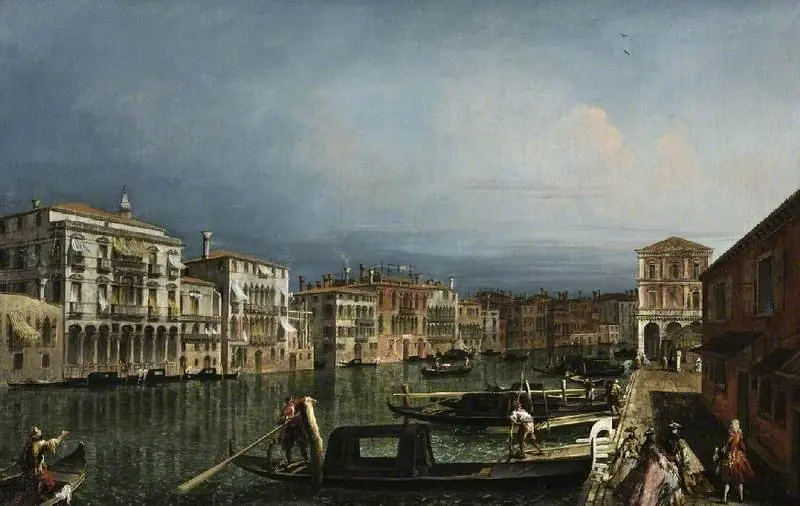 The Grand Canal, Venice, above the Rialto bridge
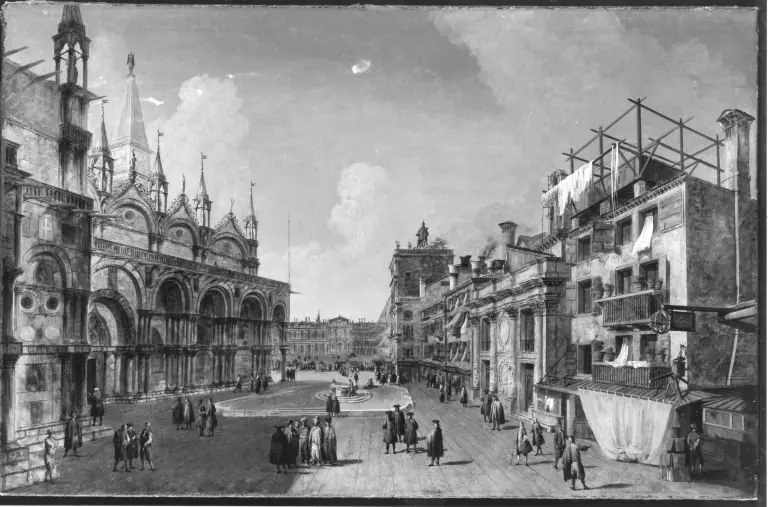 Ansicht der Piazzetta dei Leoni in Venedig
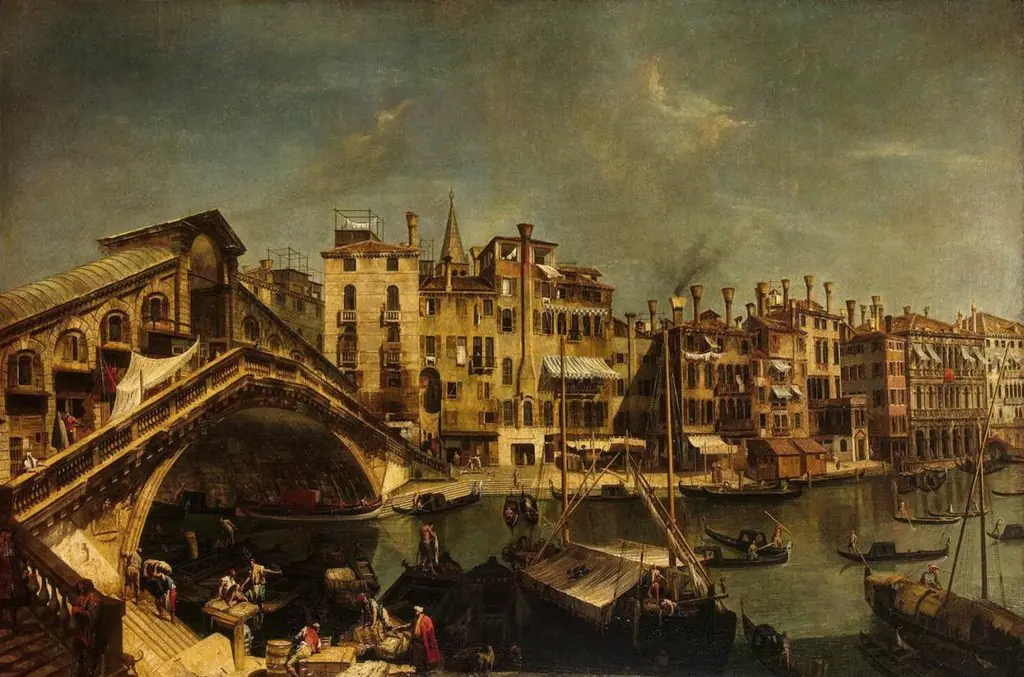 Rialto Bridge in Venice
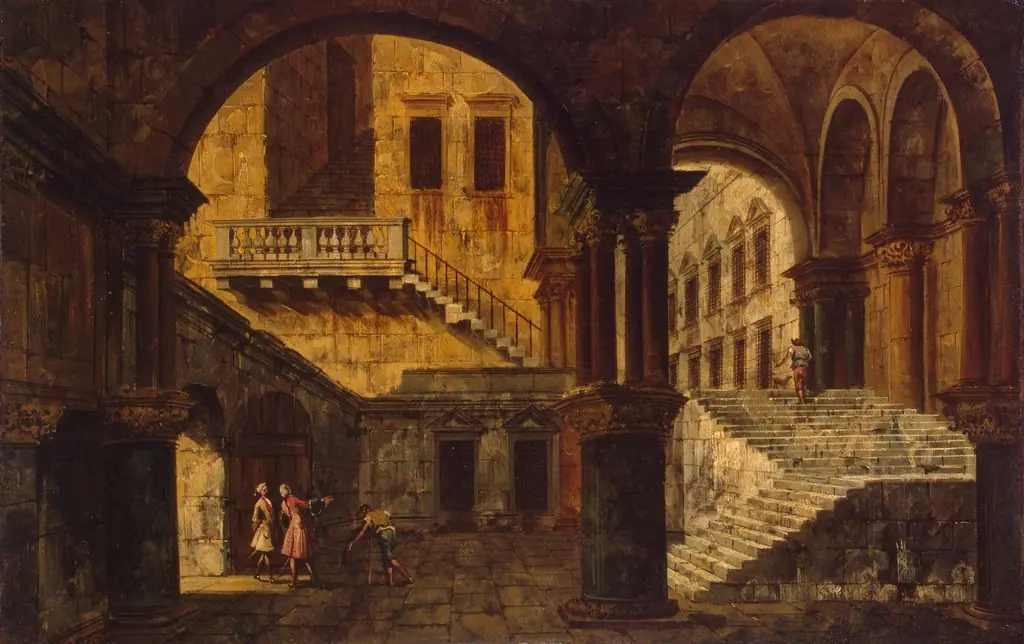 Courtyard with a Staircase
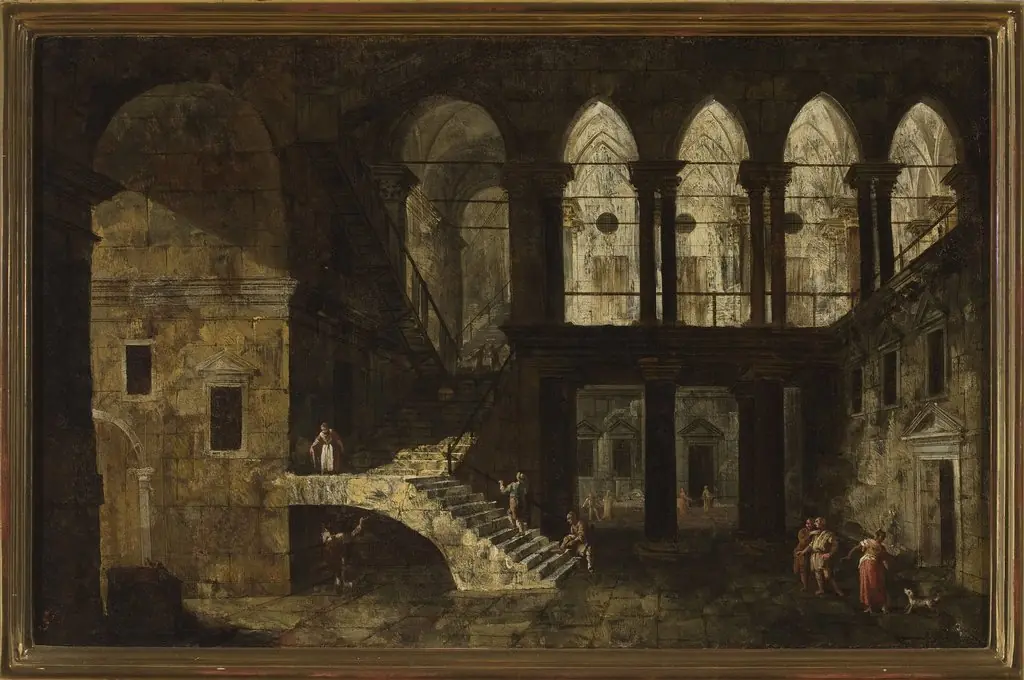 Architectural fantasy featuring a palace courtyard
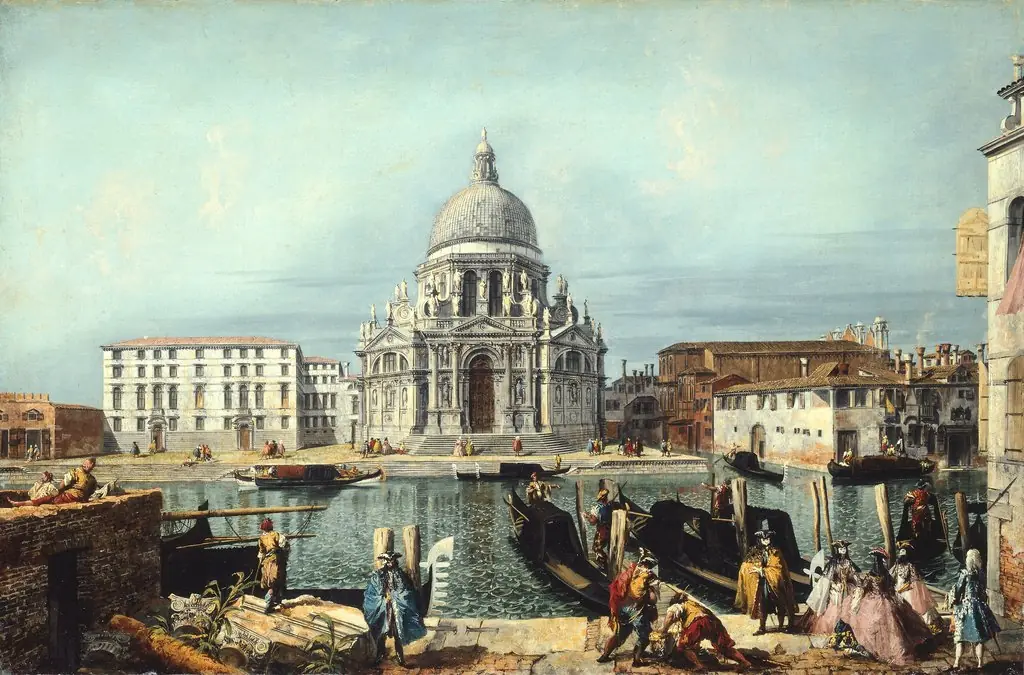 The Church of Santa Maria della Salute, Venice
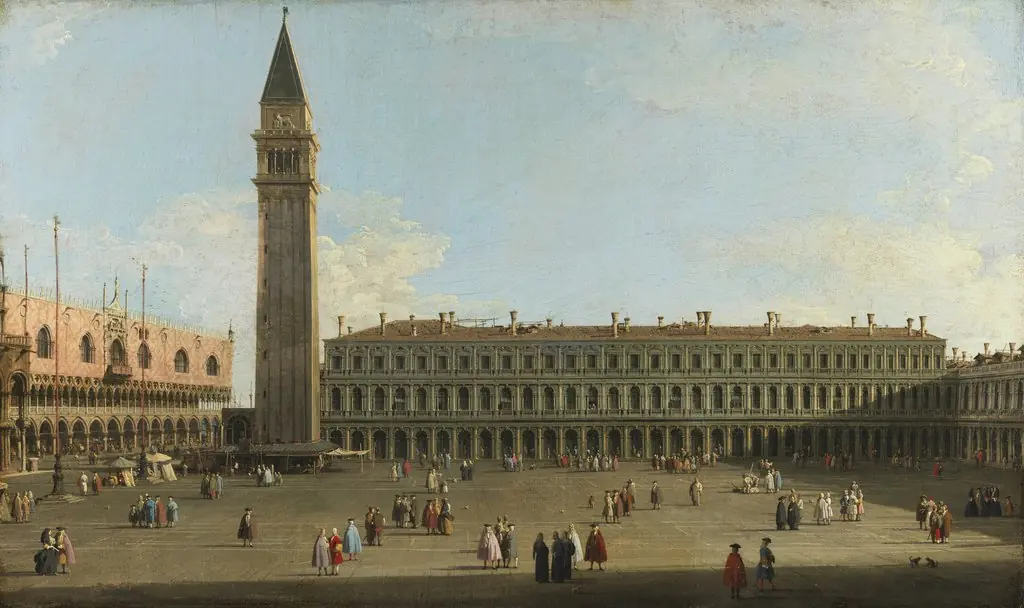 Saint Mark's Square, Venice
 Piazza San Marco, Venice
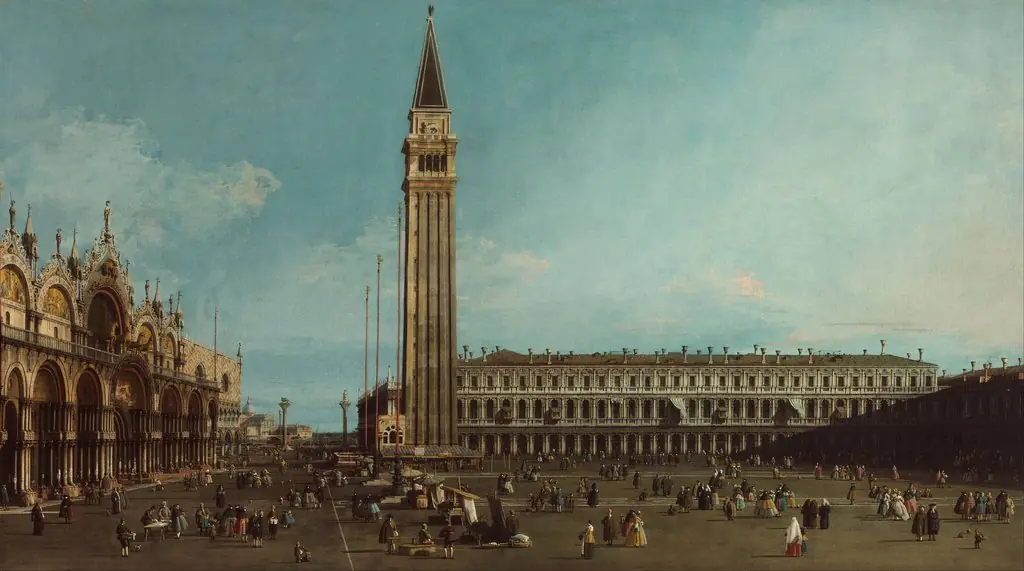 The Piazza San Marco, Venice
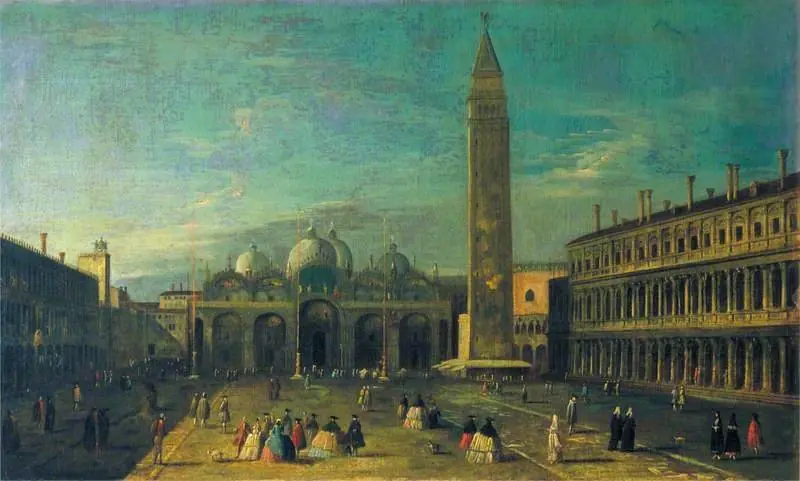 Venice: Piazza San Marco, Looking towards the Basilica
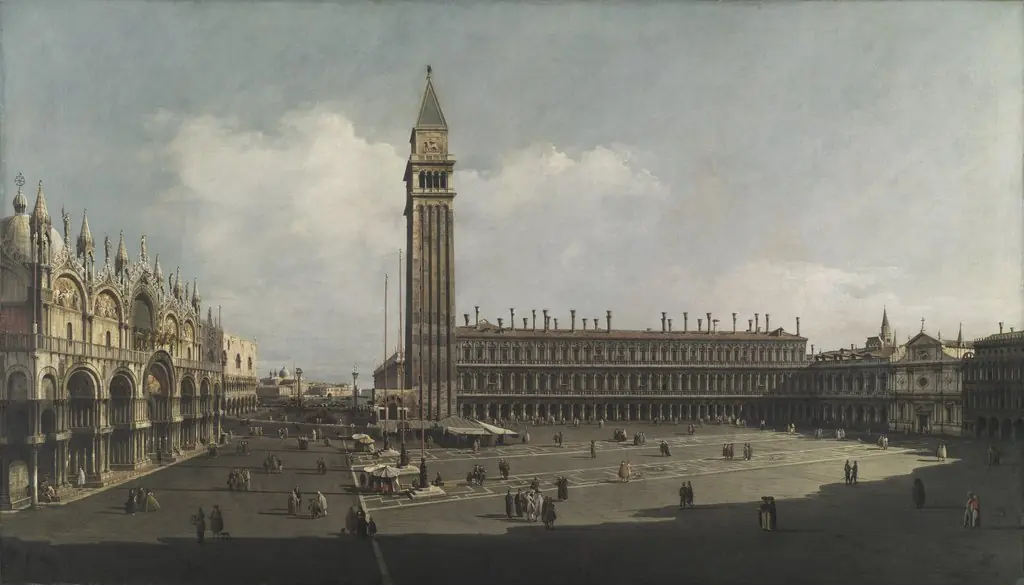 Piazza San Marco, Venice
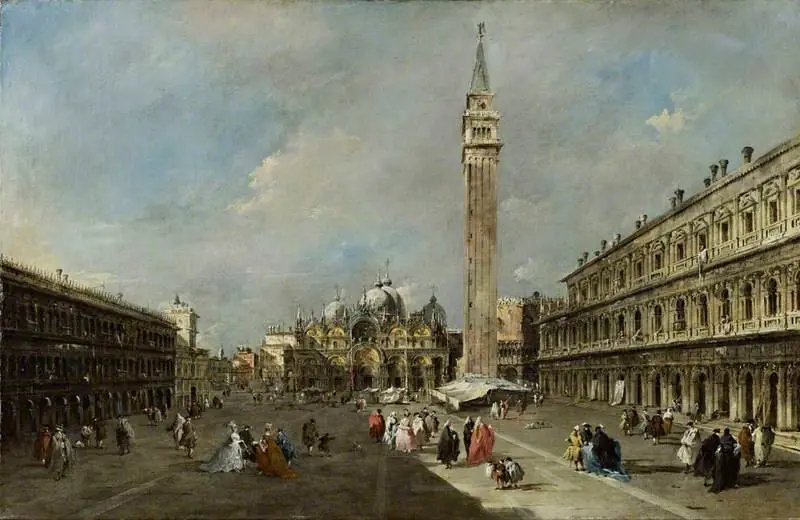 The Piazza San Marco, Venice
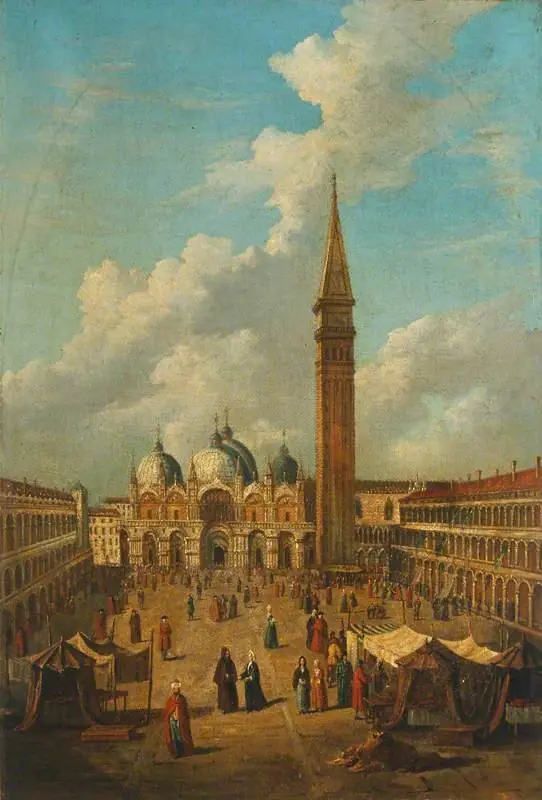 Piazza San Marco, Venice
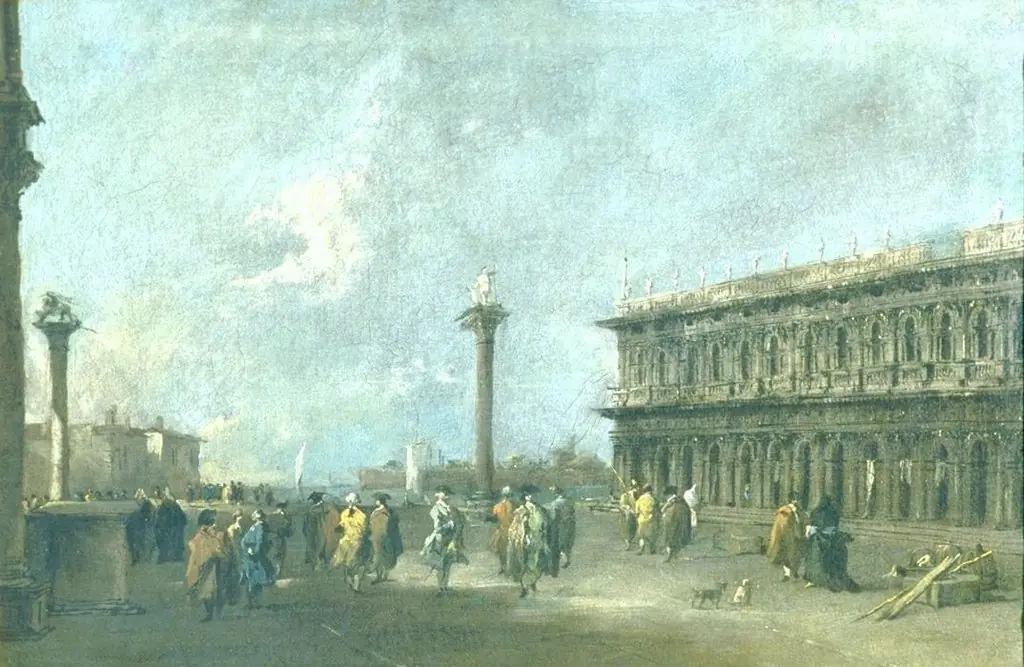 Piazzetta of S. Marco, Venice
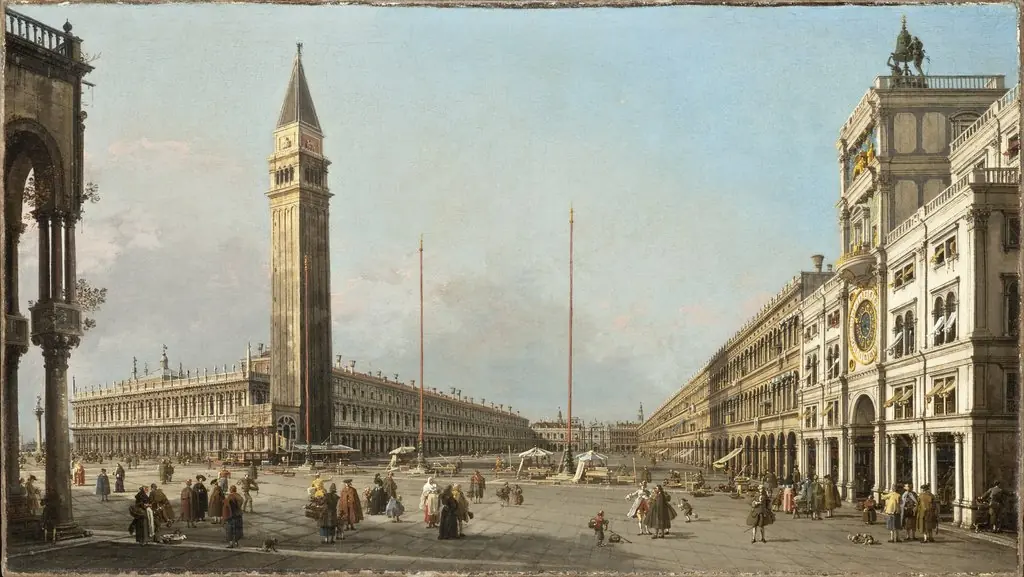 Piazza San Marco Looking South and West
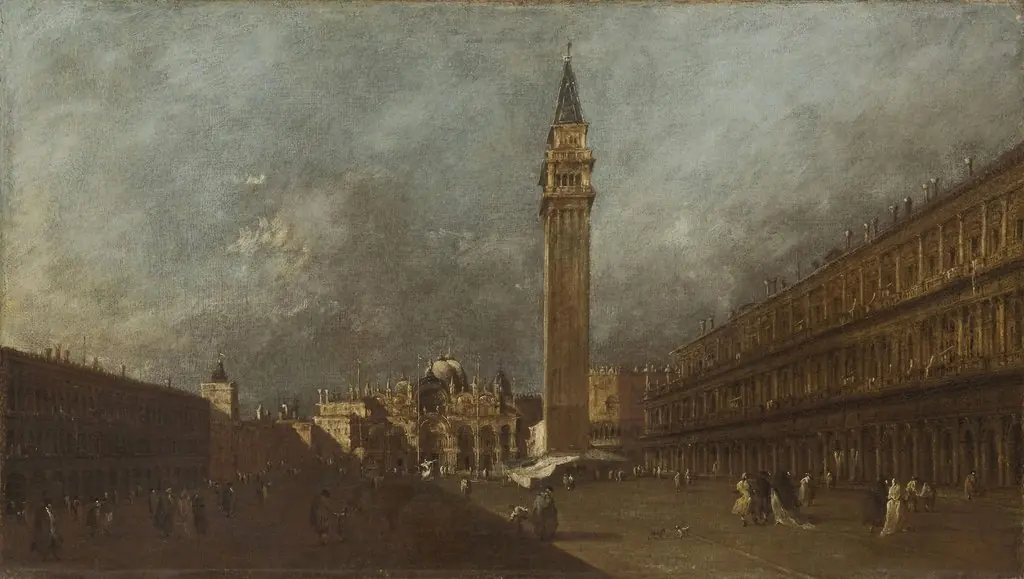 Piazza San Marco
 The Square of Saint Mark's, Venice
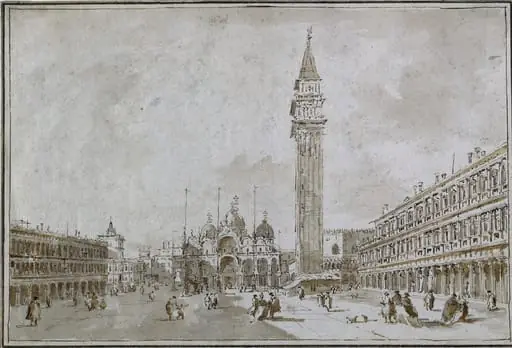 Piazza San Marco, Venice