Artwork
The Elbe between Pirna and Pillnitz
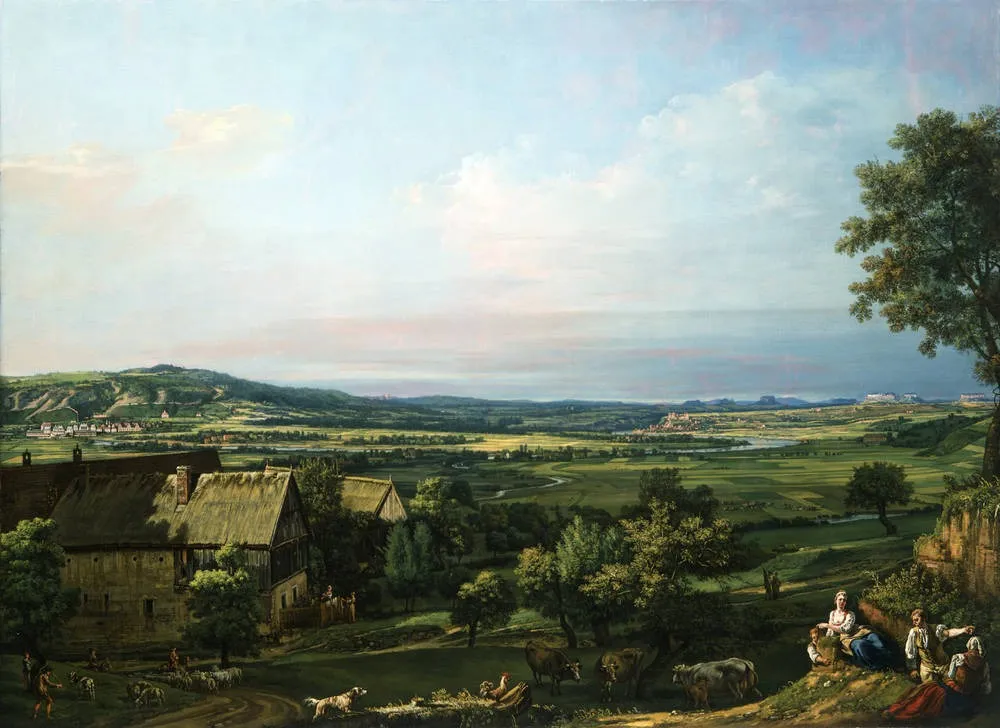
The Elbe between Pirna and Pillnitz is an oil painting by the Rococo painting artist Bernardo Bellotto. It dates from 1766 and is held in the collection of the Staatliche Kunstsammlungen Dresden.
About this work
Overview
Painted in 1766, The Elbe between Pirna and Pillnitz is an oil landscape by Bernardo Bellotto, capturing a stretch of the Elbe River in Saxony.
Painted in 1766, The Elbe between Pirna and Pillnitz is an oil landscape by Bernardo Bellotto, capturing a stretch of the Elbe River in Saxony. The work is part of the Gemäldegalerie Alte Meister’s collection in Dresden. Bellotto, known for precise topographical views, rendered this scene with careful observation of local geography, blending naturalism with compositional order to document the region’s appearance during the mid-18th century.
Subject & Meaning
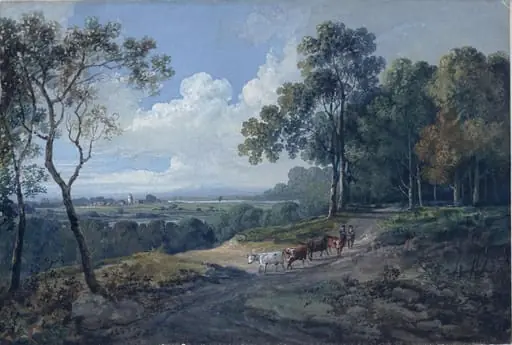
The painting portrays a quiet riverside stretch between the villages of Pirna and Pillnitz, featuring modest dwellings, cultivated fields, and river traffic. Figures scattered along the bank—herders, travelers, and laborers—suggest daily rural life without dramatization. The scene carries no overt narrative, instead offering a measured record of place and routine, reflecting Enlightenment values of observation and order in the natural world.
Technique & Style
Bellotto employed fine brushwork and a restrained palette to achieve atmospheric depth. Layers of translucent glazes model the soft light of late afternoon, while precise architectural details anchor the composition. The horizon is low, emphasizing the sky’s subtle gradations and the river’s reflective surface. His method, rooted in Venetian tradition, prioritizes spatial clarity and tonal harmony over expressive brushwork.
History & Provenance
Commissioned during Bellotto’s tenure as court painter to Augustus III of Saxony, the painting was likely intended as a record of the Electorate’s landscape. It entered the Gemäldegalerie Alte Meister’s holdings in the 18th century and remained in the royal collection through subsequent political changes. Its preservation reflects its value as both artistic and documentary evidence of the region’s pre-industrial character.
Context
Bellotto painted this view during a period when European courts commissioned topographical landscapes to assert territorial identity. Saxony, under Augustus III, sought to document its cultural and geographic assets. The Elbe, a vital trade route, was a frequent subject. Bellotto’s work aligns with broader trends in scientific cartography and the growing interest in regional specificity among aristocratic patrons.
Legacy
The painting endures as a key example of 18th-century topographical art, valued for its accuracy and quiet realism. It influenced later landscape painters interested in documenting place with fidelity. Though not widely exhibited outside Dresden, it remains a reference point for scholars studying the intersection of art, geography, and patronage in Central Europe during the Enlightenment.
Artist & collection

Artist
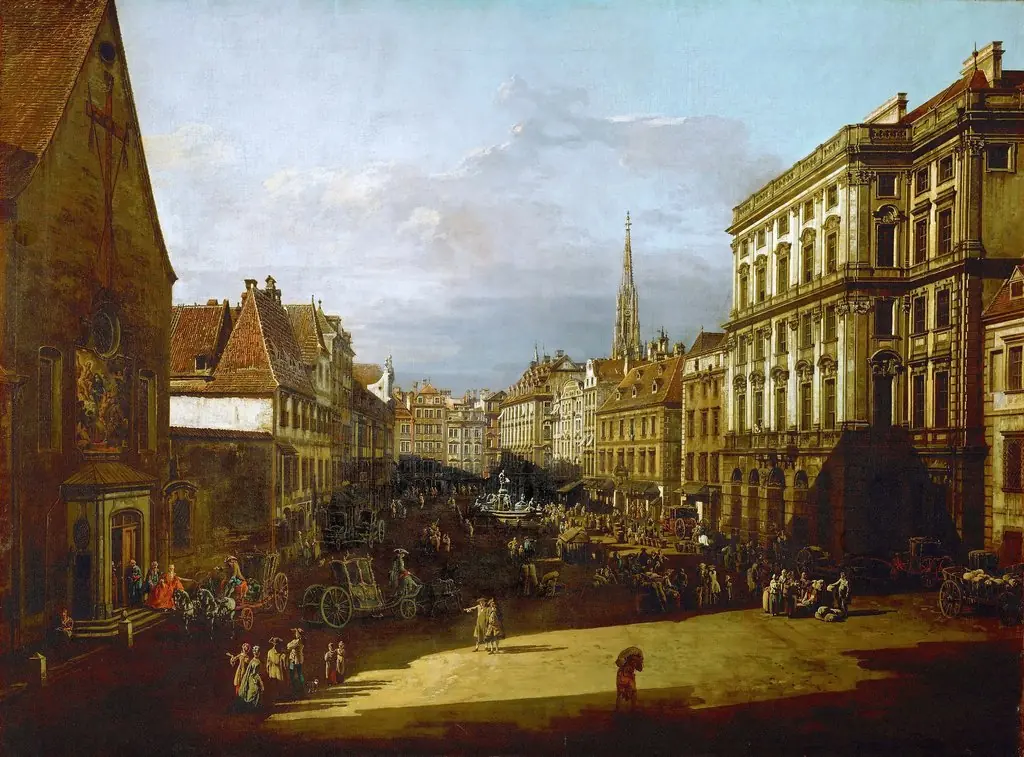
Bernardo Bellotto, was an Italian urban landscape painter or vedutista, and printmaker in etching famous for his vedute of European cities – Dresden, Vienna, Turin, and Warsaw.

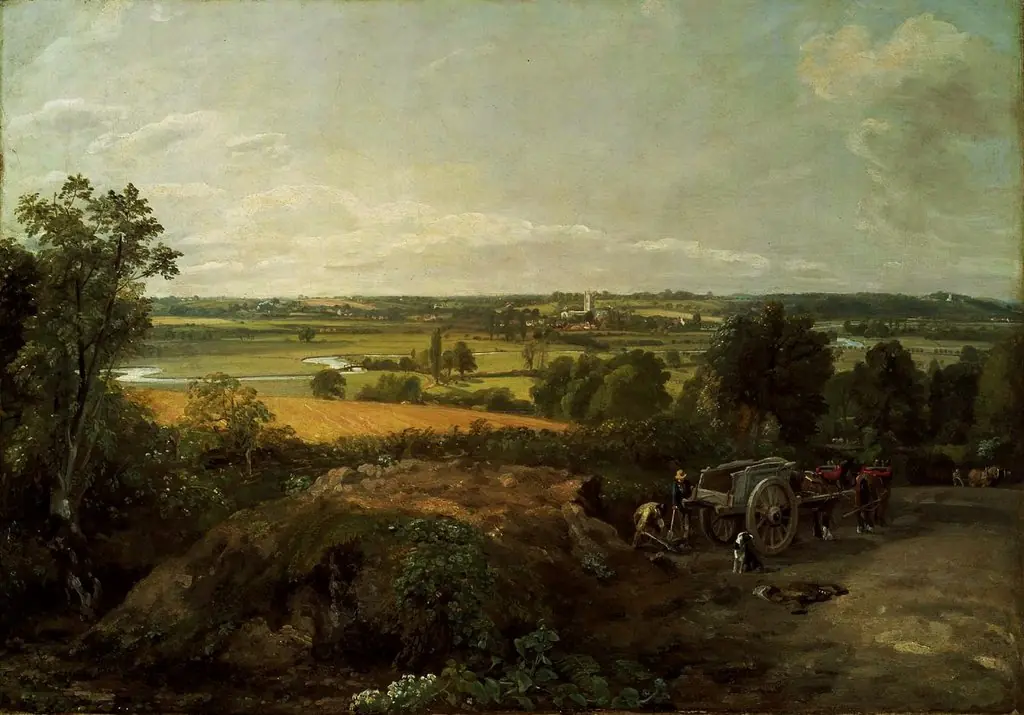 Stour Valley and Dedham Church
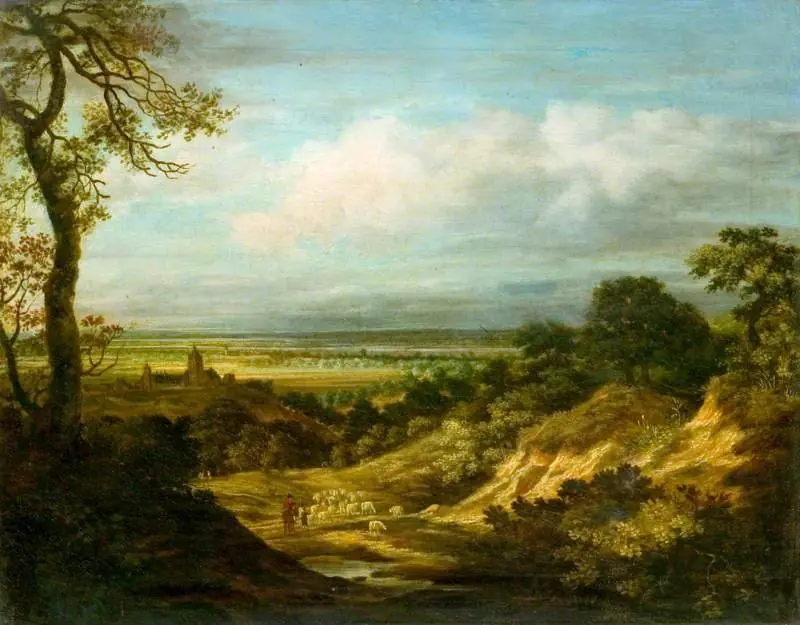 Landscape with Sheep and a Château
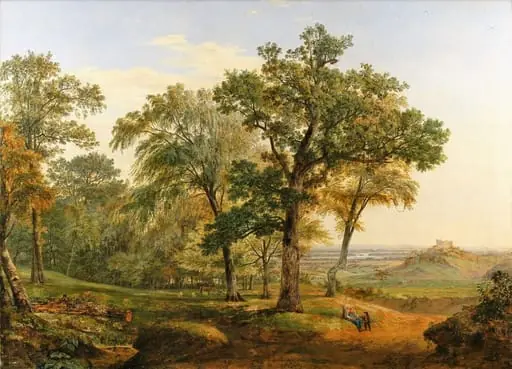 Cetatea Kesmárk
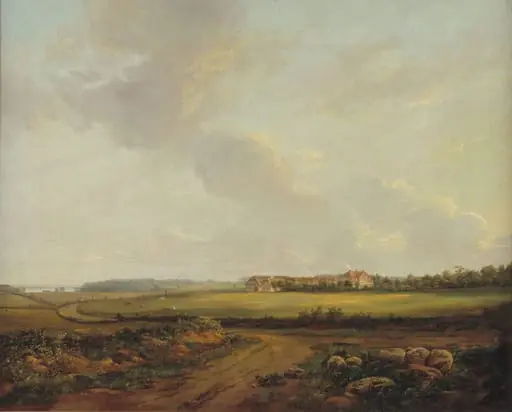 View of Engelholm at Præstø in Zealand
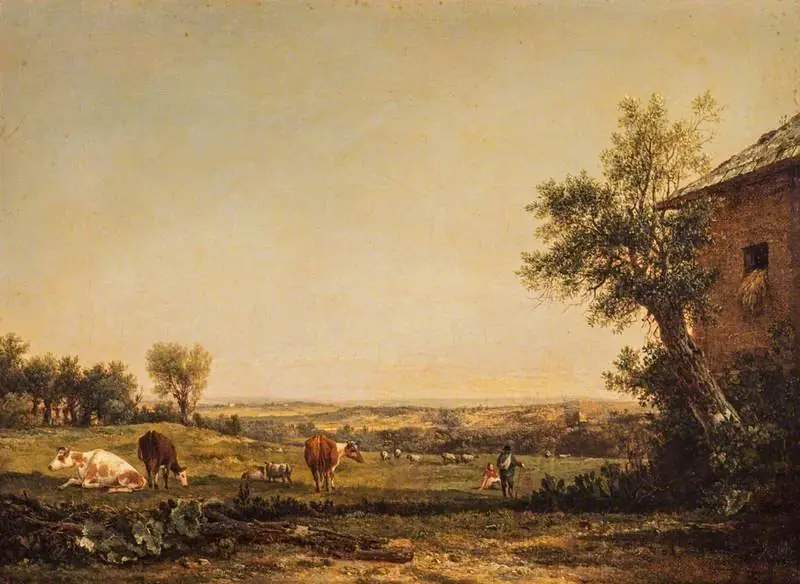 A Scene in Hampshire
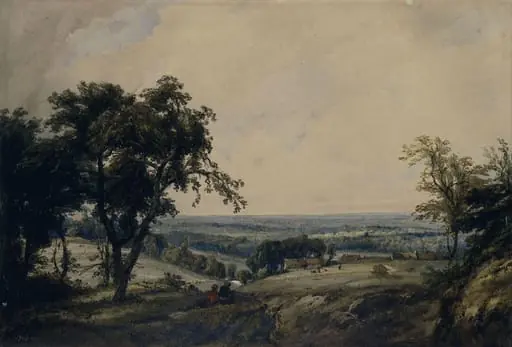 Landscape with figures and cottages in a hollow
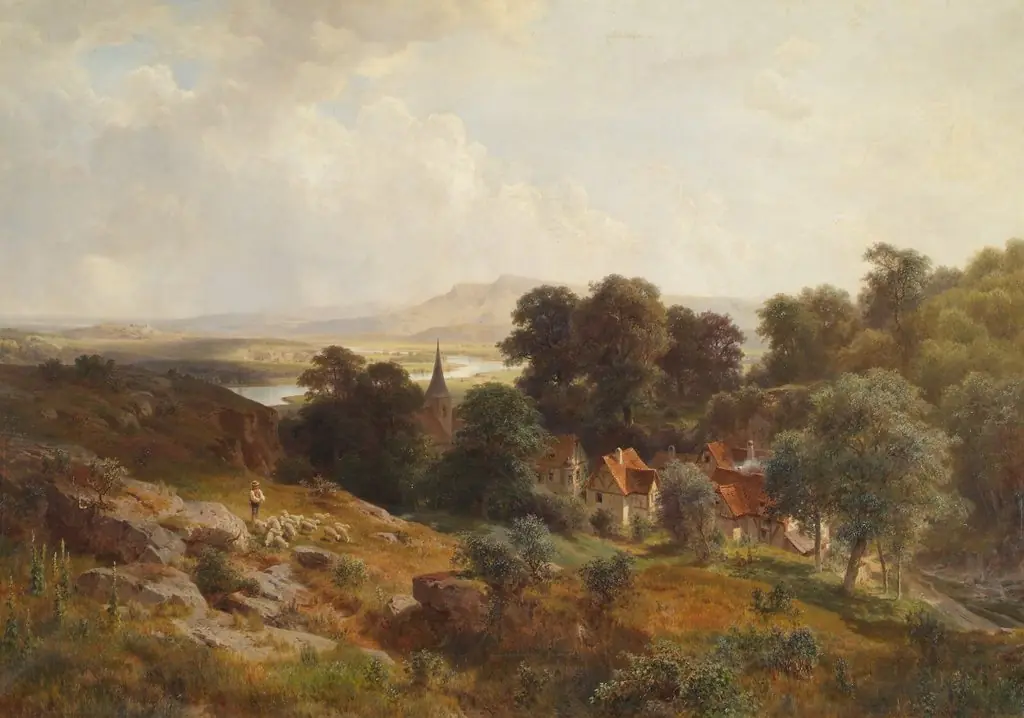 Sommerlandschaft
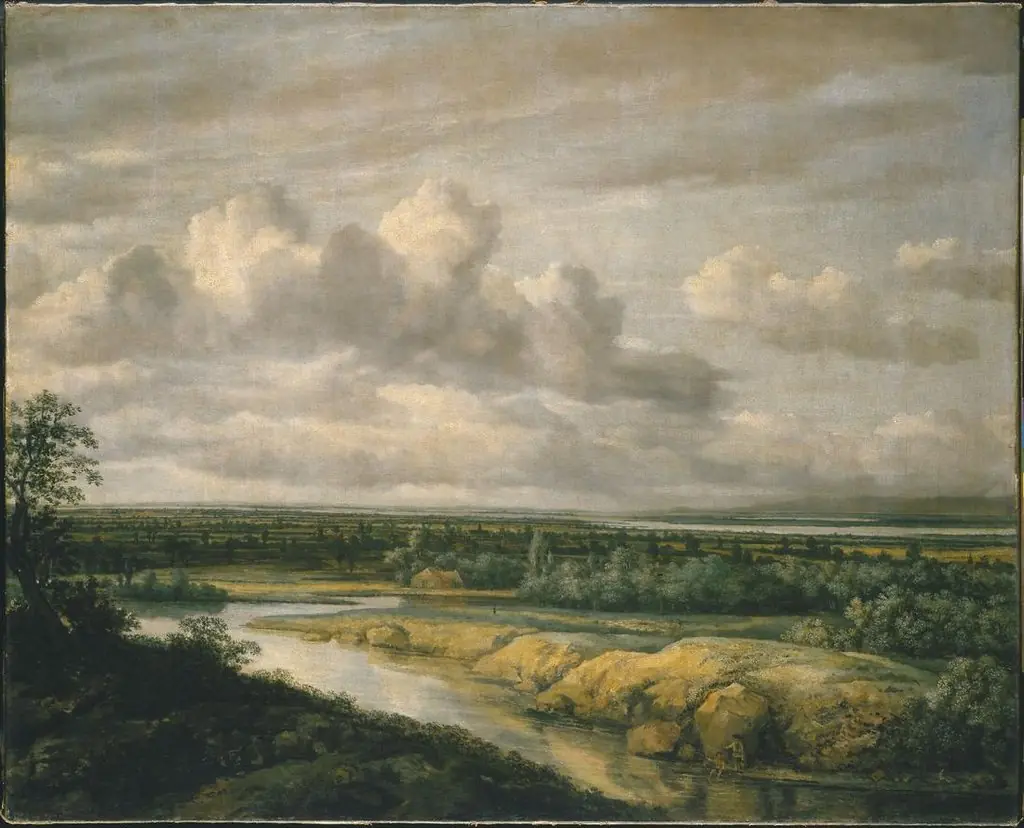 Flachlandschaft
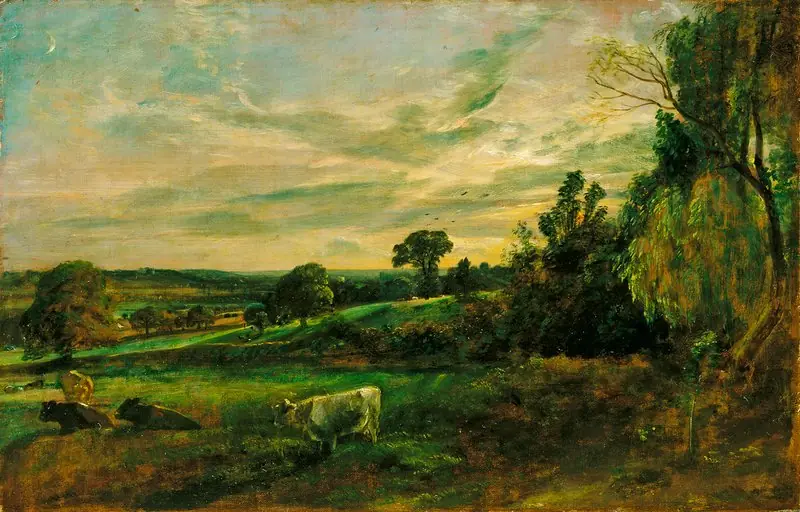 Summer Evening: View near East Bergholt Showing Langham Church, Stratford Church and Stoke-by-Nayland Church
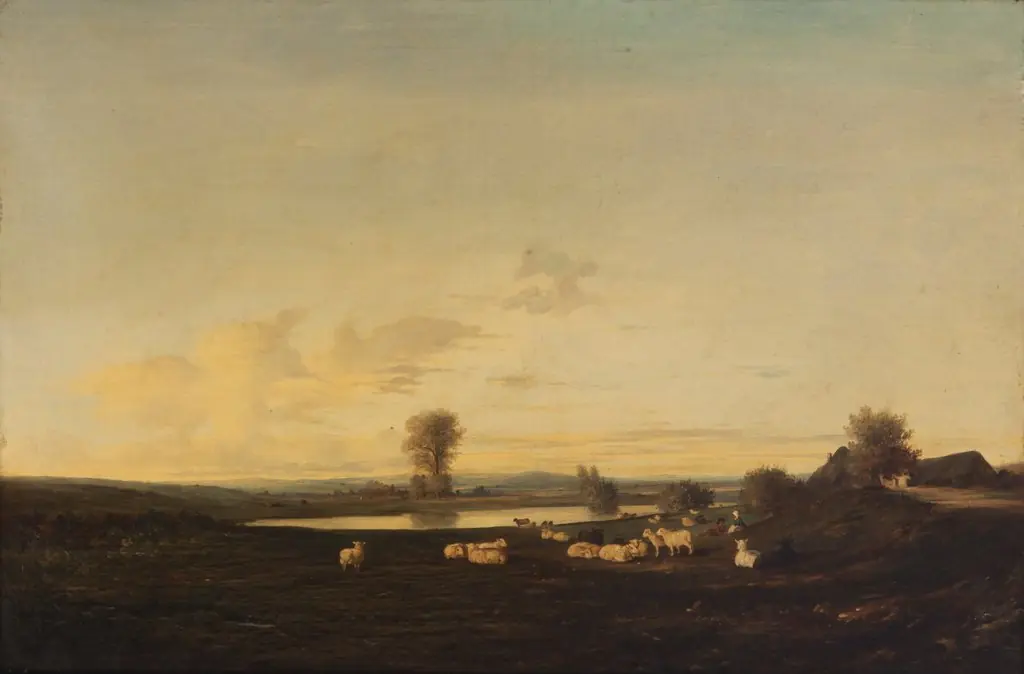 Landscape with people and animals
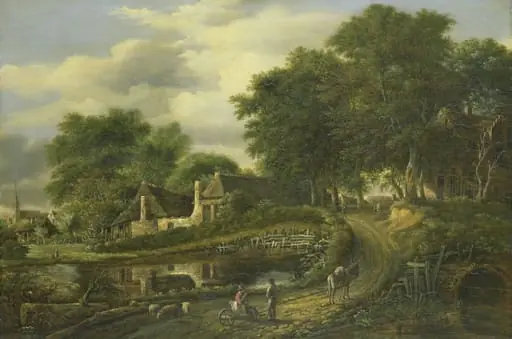 Landscape
 Landscape with cattle