Artwork
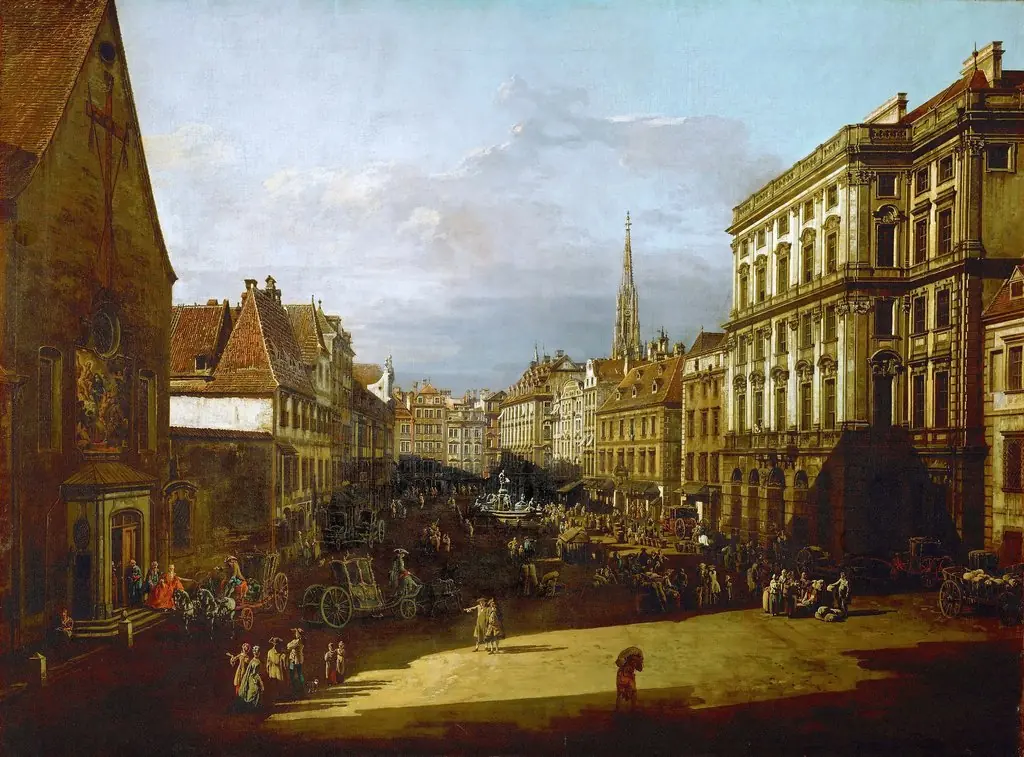
The Freyung in Vienna, from the North-West
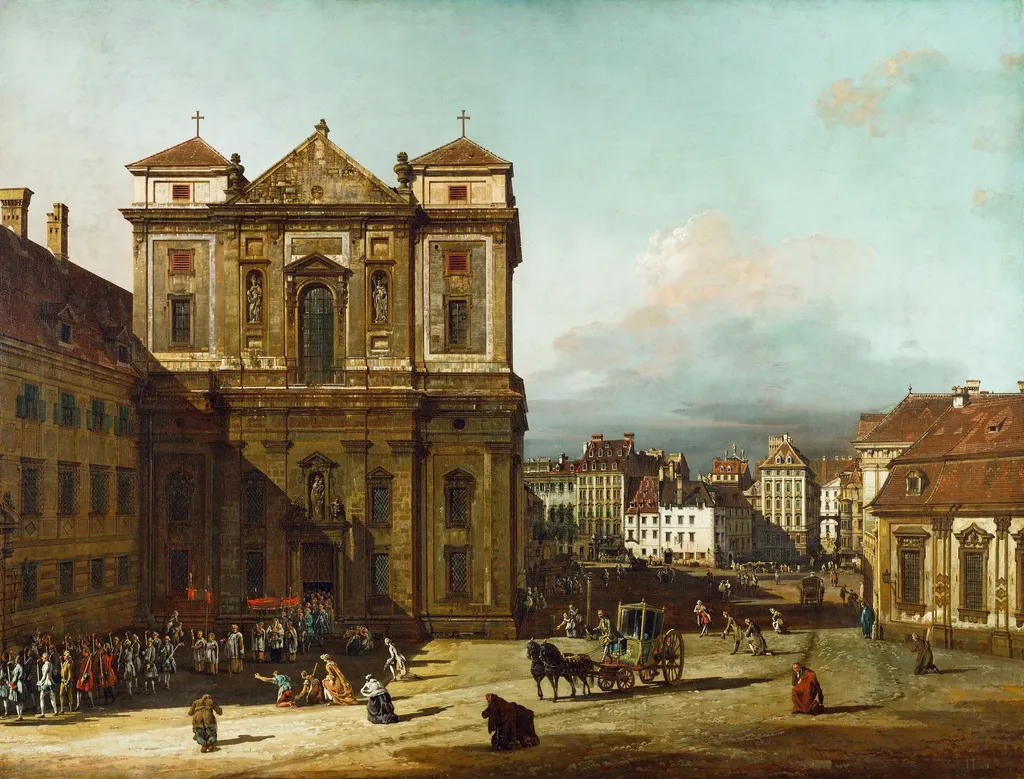
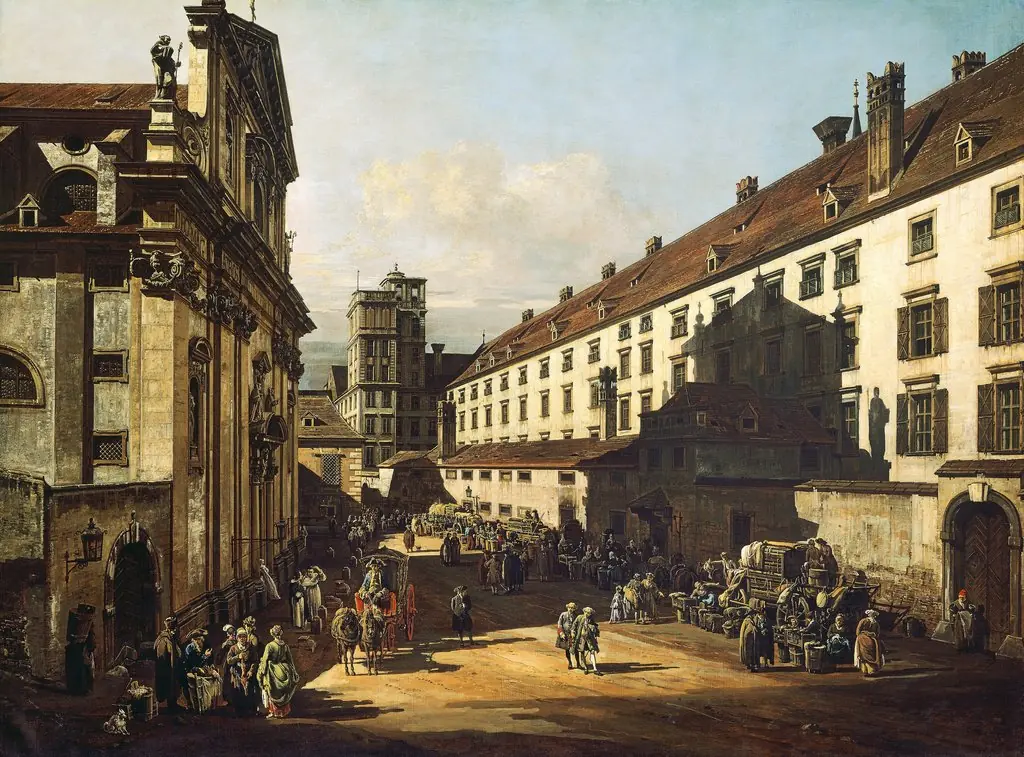
The Freyung in Vienna, from the North-West is an oil painting by the Rococo painting artist Bernardo Bellotto. It dates from 1758 and is held in the collection of the Kunsthistorisches Museum.
About this work
Overview
Painted in 1758, this oil work by Bernardo Bellotto captures a precise view of Vienna’s Freyung square as seen from the north-west. Rendered with careful attention to architectural detail and atmospheric light, the painting serves as both a topographical record and a quiet observation of urban life in mid-18th-century Austria. It resides today in the Kunsthistorisches Museum, Vienna.
Subject & Meaning
The scene centers on the Church of the Augustinians, its twin towers dominating the background. Below, the square teems with daily activity: pedestrians, a horse-drawn carriage, and groups seated or standing in conversation. The composition conveys no grand narrative, but rather an unembellished snapshot of civic routine, emphasizing the rhythm of public space in a Habsburg capital.
Technique & Style
Bellotto employed precise brushwork to model the stone facades and rooflines, using subtle shifts in tone to suggest volume and sunlight. The light, diffused by a pale sky, casts soft shadows that anchor the figures and structures in physical space. His method reflects the Venetian tradition of veduta painting, prioritizing accuracy over theatricality.
History & Provenance
Commissioned during Bellotto’s tenure as court painter to the Austrian emperor, the work was likely intended as a documentary record of Vienna’s urban fabric. It entered the imperial collection shortly after completion and has remained in state custody, eventually finding a permanent home in the Kunsthistorisches Museum.
Context
In the 1750s, Vienna was undergoing architectural refinement under Maria Theresa. Bellotto’s view aligns with broader efforts to document and legitimize imperial cities through visual representation. His paintings functioned as both artistic achievements and instruments of civic pride, capturing the city’s evolving identity.
Legacy
Bellotto’s precise renderings of European cities influenced later topographical artists and provided valuable records of urban landscapes before industrial transformation. This painting remains a key example of 18th-century veduta, valued for its fidelity and quiet observation rather than dramatic flair.
Own this work as a print
Artist & collection
Artist
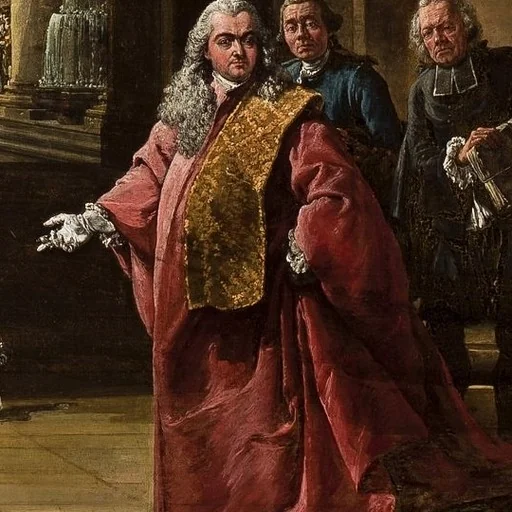
Bernardo Bellotto, was an Italian urban landscape painter or vedutista, and printmaker in etching famous for his vedute of European cities – Dresden, Vienna, Turin, and Warsaw.