Artwork
The Immaculate Virgin
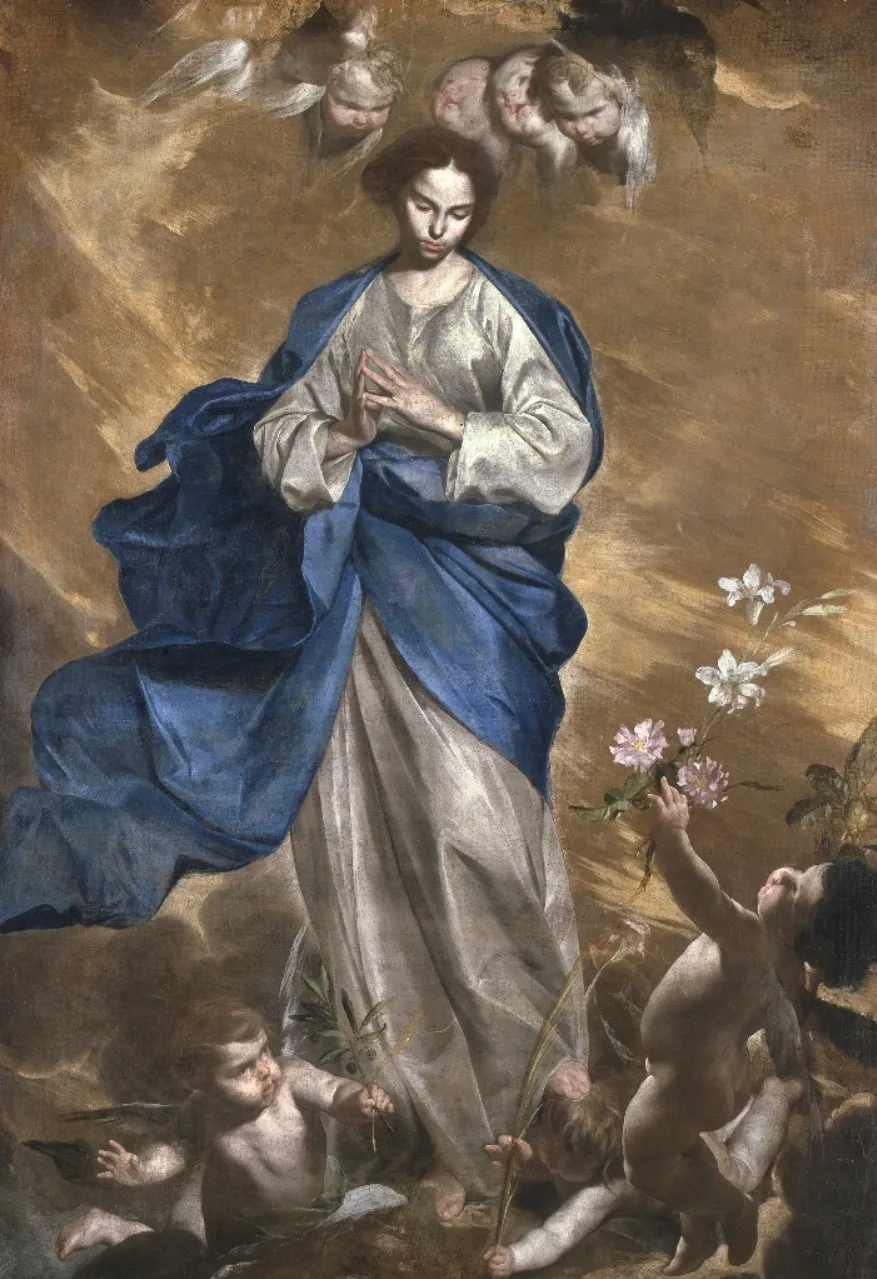
The Immaculate Virgin is an oil painting by the Early Baroque Italian artist Bernardo Cavallino. It dates from 1650 and is held in the collection of the Pinacoteca di Brera.
About this work
Overview
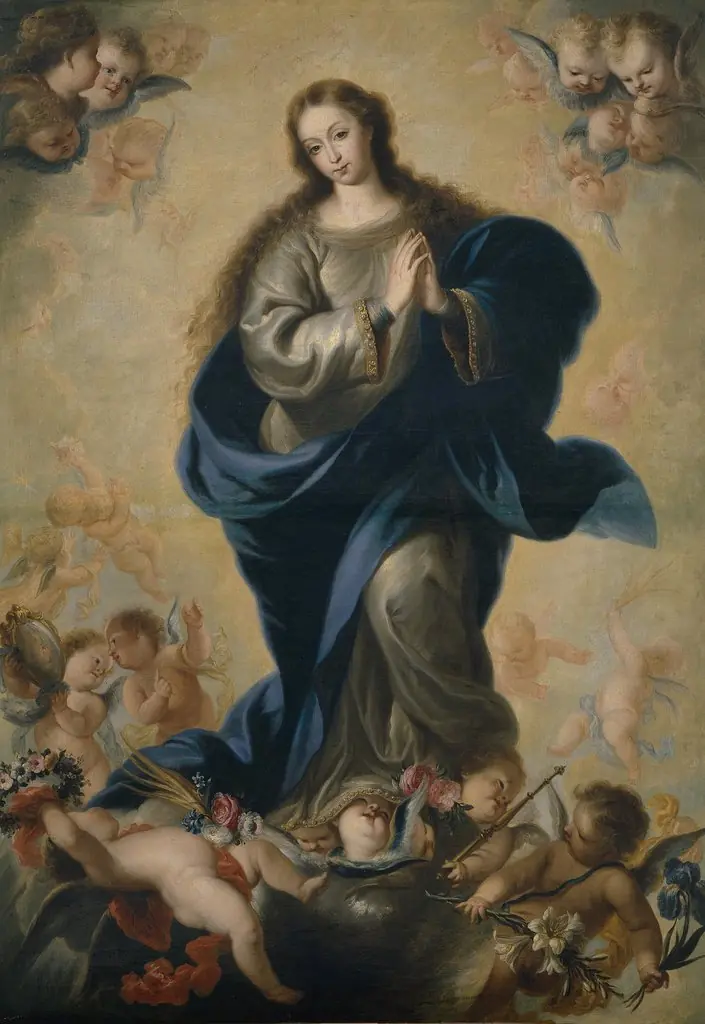
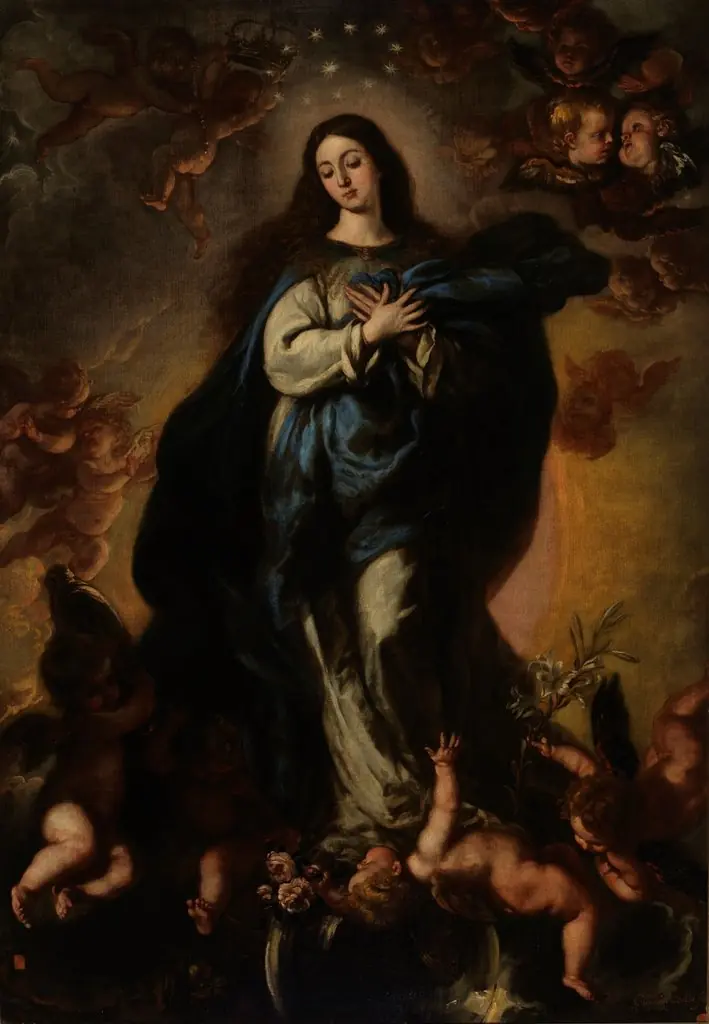
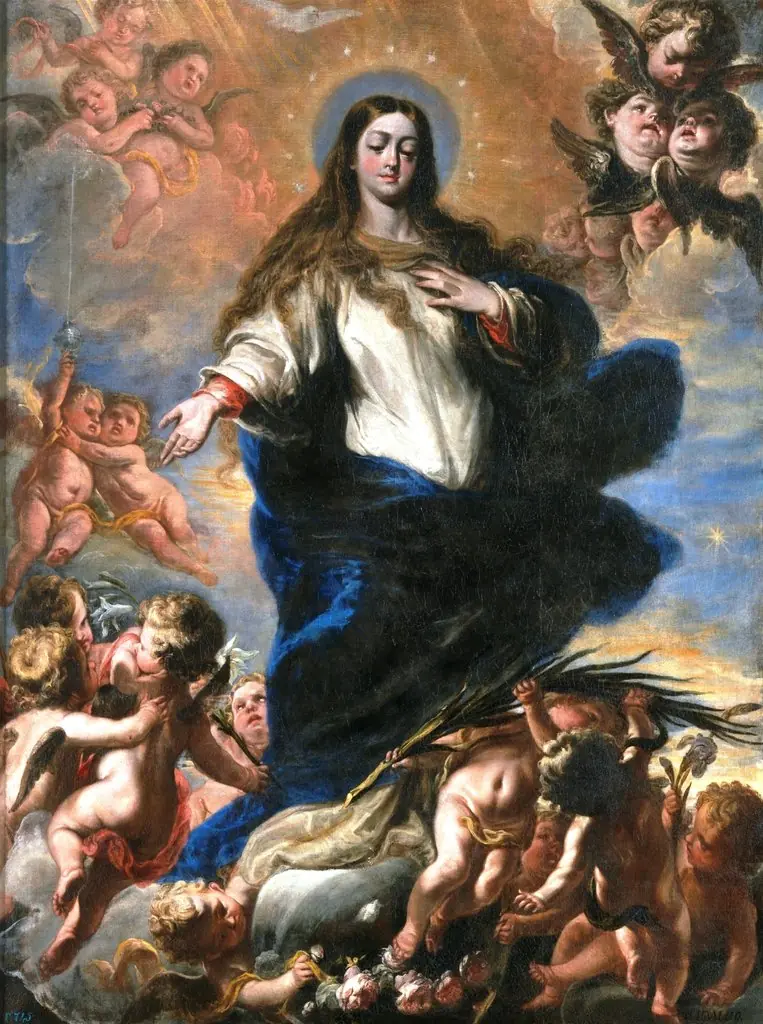
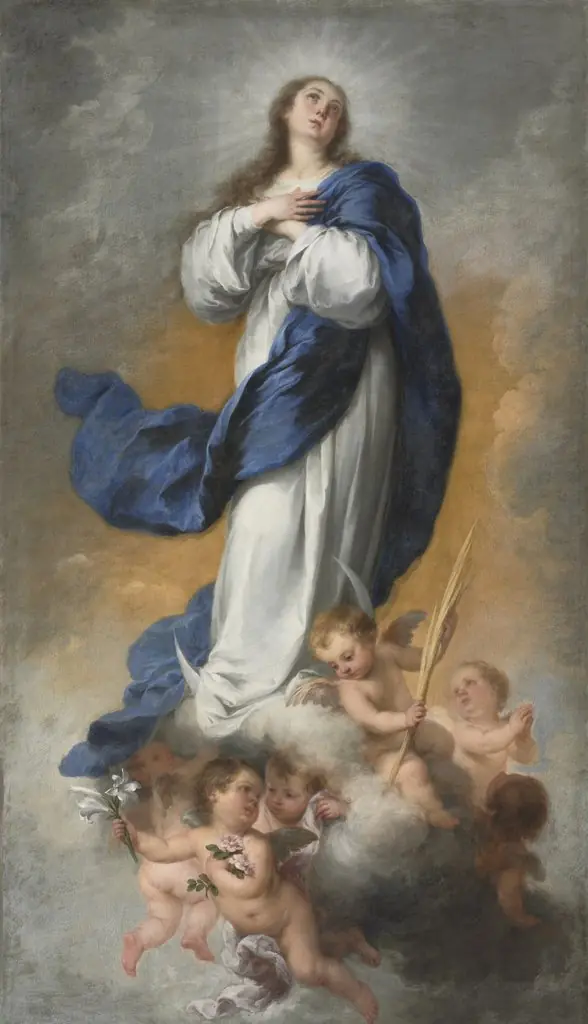
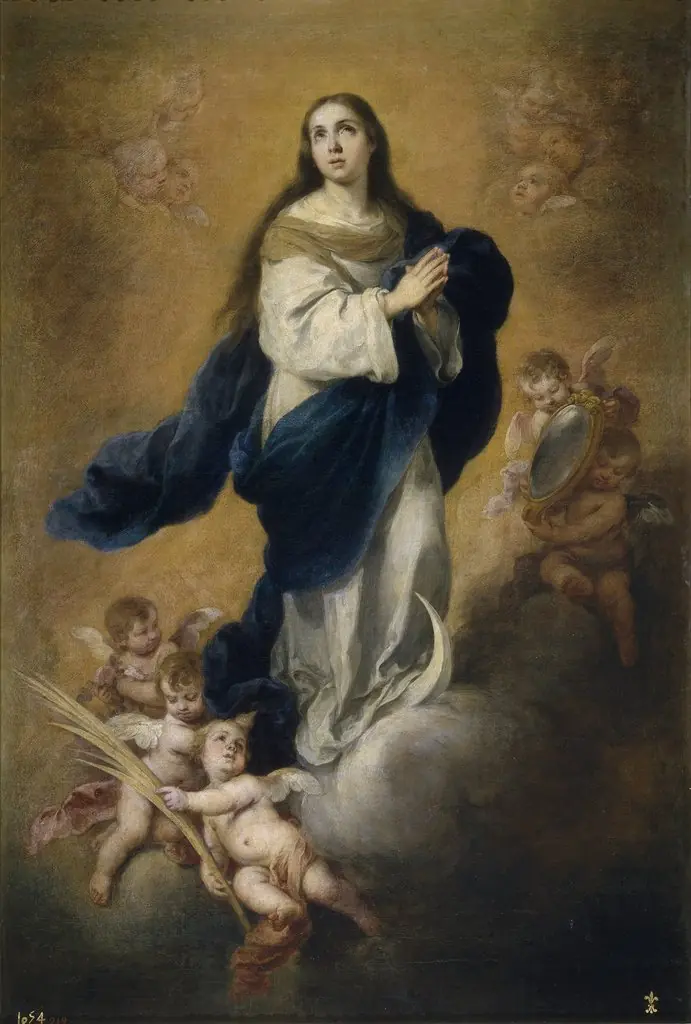
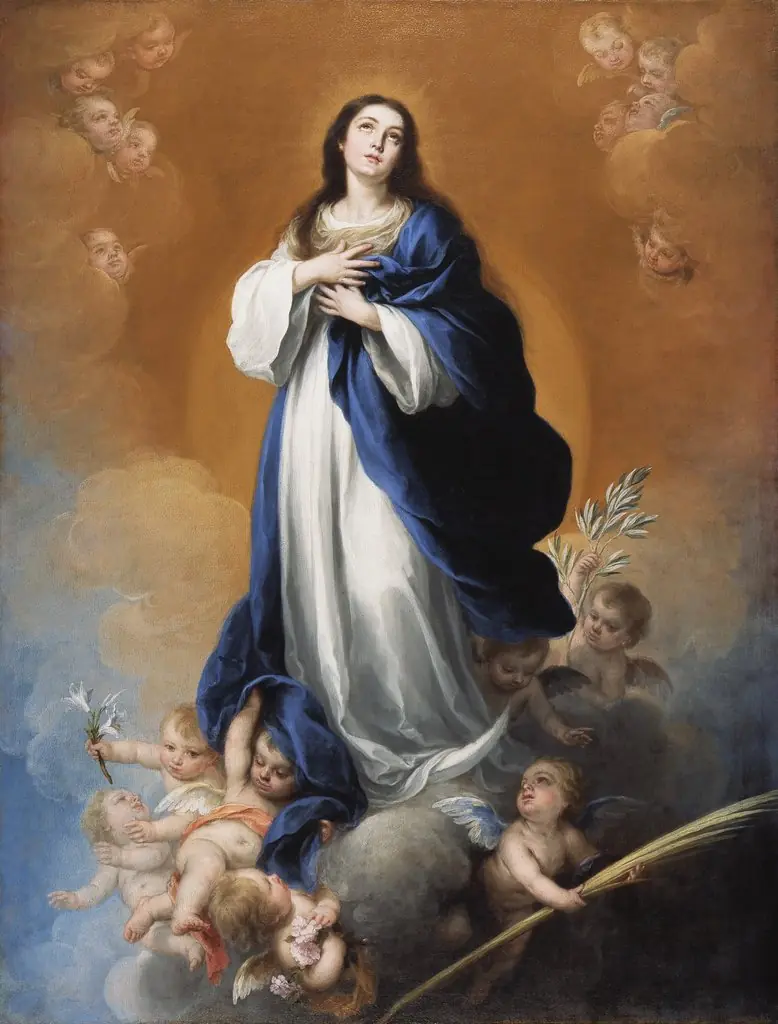
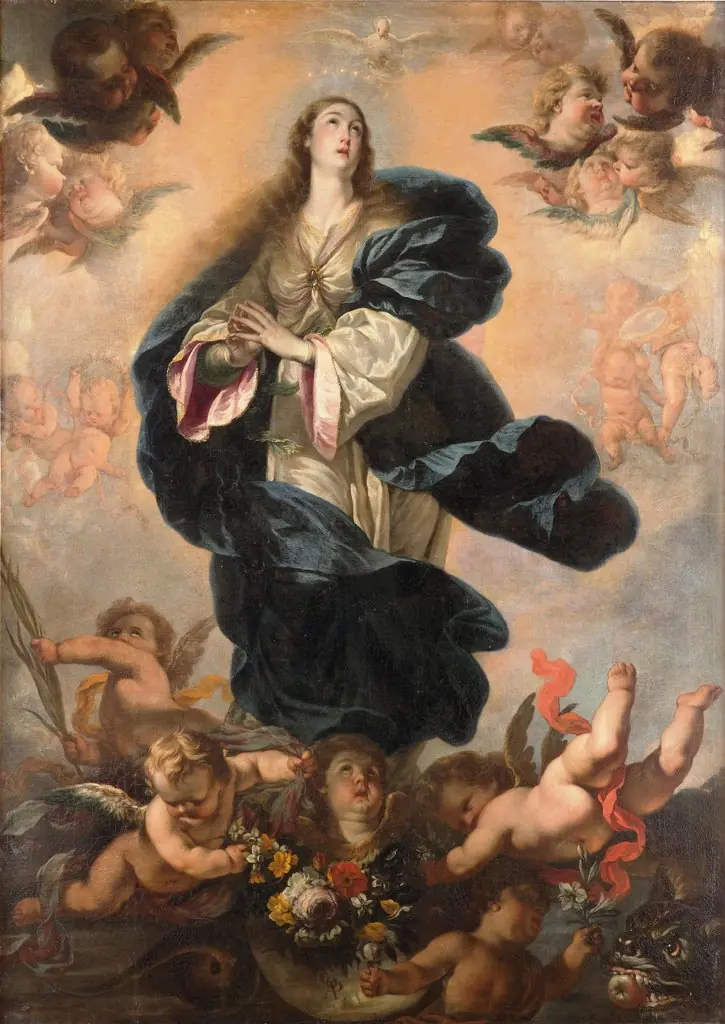
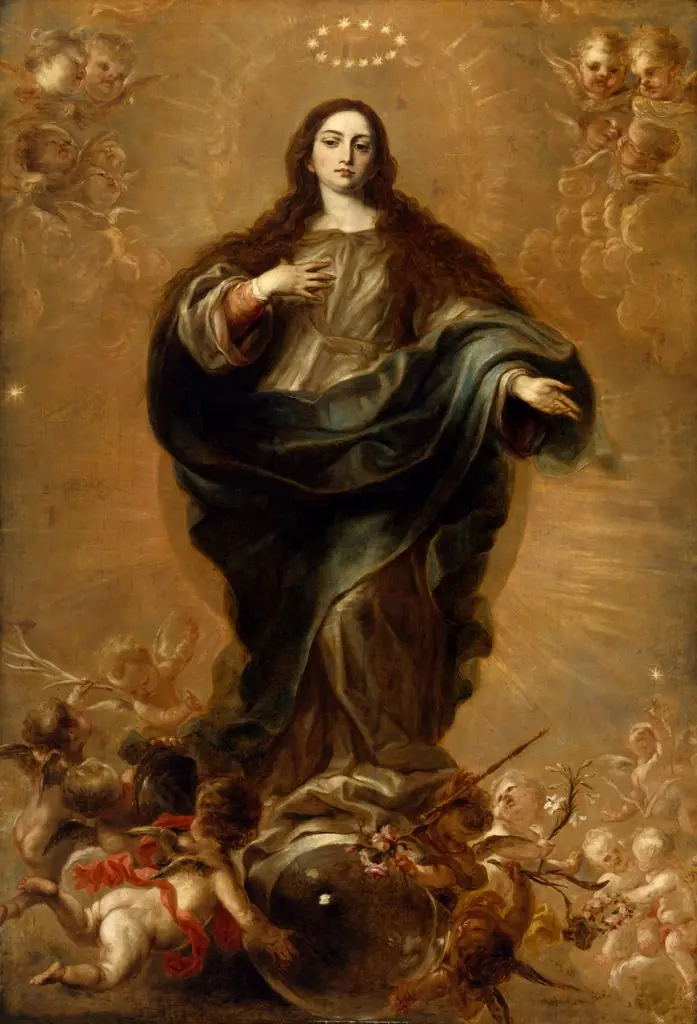
Painted circa 1650 by Bernardo Cavallino, this oil on canvas depicts the Virgin Mary as the Immaculate Conception.
Painted circa 1650 by Bernardo Cavallino, this oil on canvas depicts the Virgin Mary as the Immaculate Conception. Created during the height of the Neapolitan Baroque, the work reflects Cavallino’s synthesis of regional influences, including the dramatic lighting of Caravaggio and the refined elegance of van Dyck. It resides today in the Pinacoteca di Brera in Milan, where it exemplifies the devotional intensity characteristic of mid-17th-century southern Italian painting.
Subject & Meaning
The Virgin is portrayed as the Immaculate Conception, free from original sin, shown in a moment of quiet contemplation. Clad in white and blue, symbols of purity and heavenly grace, she hovers above a cloud, surrounded by cherubs and floral motifs that suggest divine favor. Her clasped hands and tranquil gaze convey inner devotion rather than overt ecstasy, aligning with Counter-Reformation ideals of modest, inward piety.
Technique & Style
Cavallino employs chiaroscuro to model the Virgin’s form with subtle gradations of light, enhancing her three-dimensionality against a luminous golden backdrop. The flowing drapery of her robe and cloak is rendered with delicate brushwork, emphasizing texture and movement. The soft focus of the background and the ethereal placement of cherubs create a sense of otherworldliness, while the palette balances cool hues with warm ambient light to heighten spiritual atmosphere.
History & Provenance
The painting entered the Pinacoteca di Brera’s collection in the early 19th century, likely as part of the Napoleonic suppression of religious institutions in southern Italy. Prior to that, it remained in Naples, where Cavallino worked throughout his career. Its survival through political upheavals and shifts in taste underscores its enduring appeal among collectors of devotional art during the post-Baroque period.
Context
In mid-17th-century Naples, religious imagery was central to public and private devotion. Cavallino’s style emerged amid a vibrant artistic community that included Stanzione and Ribera, blending northern European naturalism with Italian emotional expressiveness. The Immaculate Conception was a popular subject following its formal dogma in 1476, and artists like Cavallino adapted it to local tastes, favoring lyrical grace over monumental grandeur.
Legacy
Though less widely known than his contemporaries, Cavallino’s delicate approach to sacred subjects influenced later Neapolitan painters. His ability to merge emotional restraint with visual poetry set a precedent for 18th-century devotional works. The painting remains a key example of how Baroque spirituality could be expressed through intimacy rather than spectacle, preserving a quiet, personal dimension within a period often defined by drama.
Artist & collection

Artist
Bernardo Cavallino (25 August 1616 – 1656) was an Italian painter and draughtsman.