Artwork
Portrait of Pierre Coste, Walloon minister in Leipzig
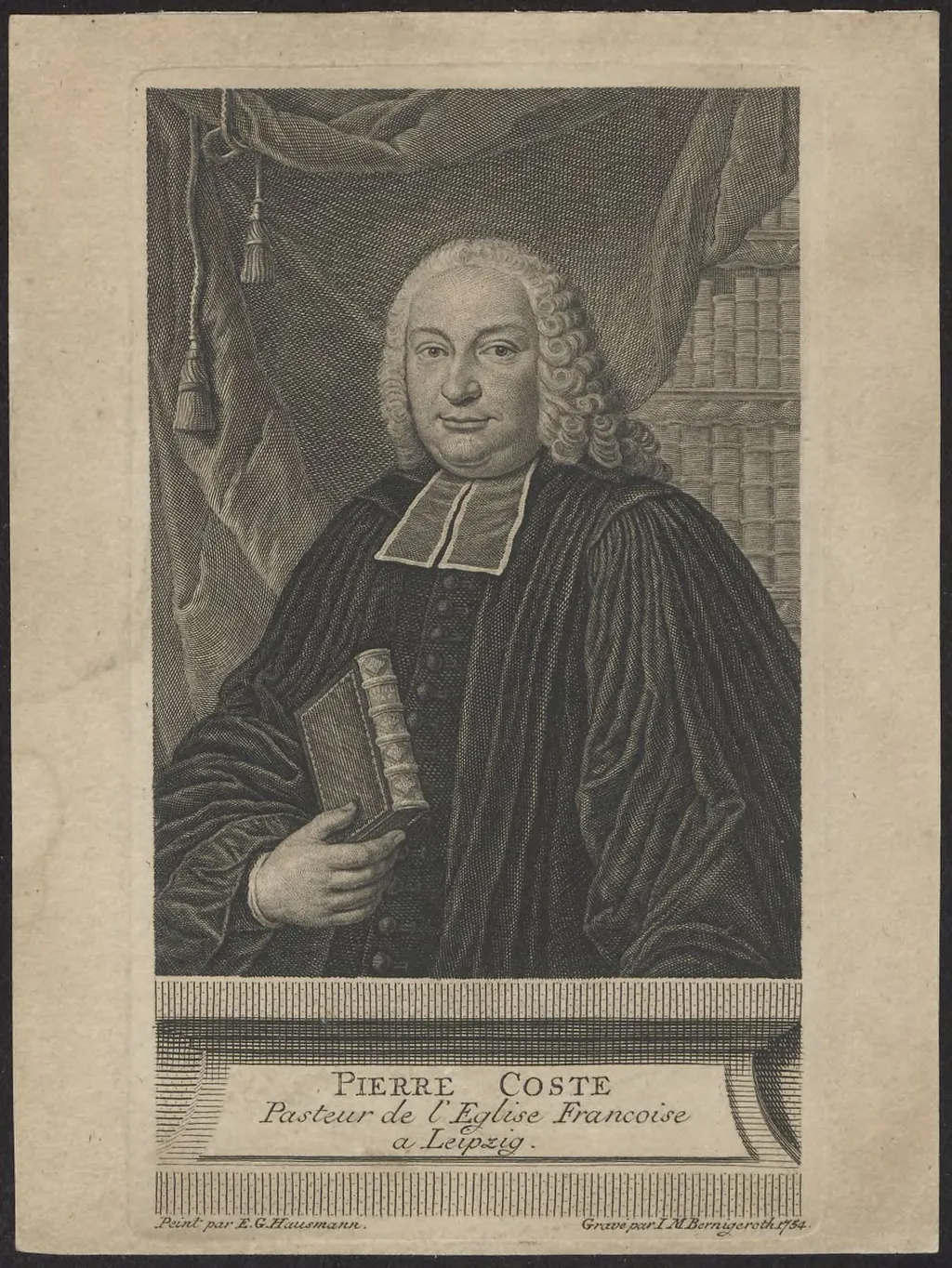
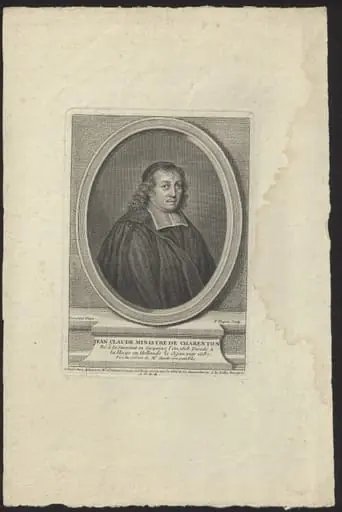
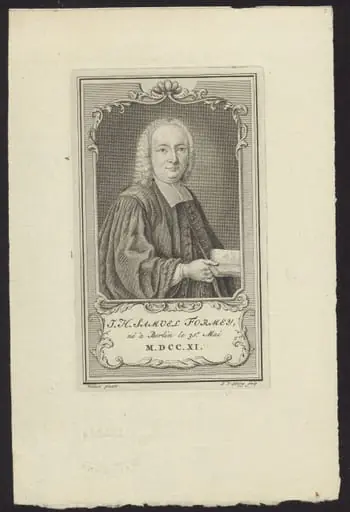
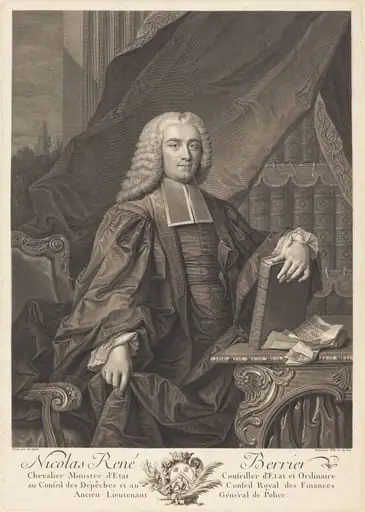
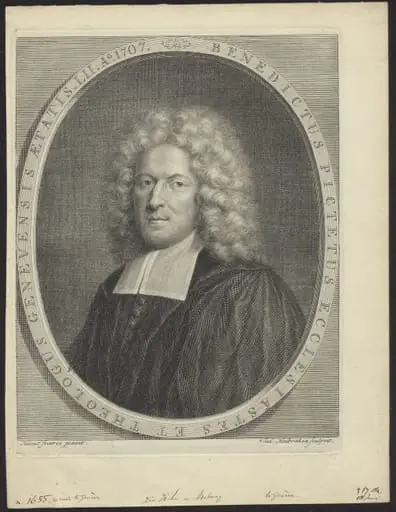
Portrait of Pierre Coste, Walloon minister in Leipzig is an unspecified painting by the Rococo painting artist J.M., Bernigeroth. It dates from 1754 and is held in the collection of the Leiden University Libraries. The work is a portrait of Pierre Coste, a Walloon minister who served in Leipzig.
About this work
Overview
The work is a portrait of Pierre Coste, a Walloon minister who served in Leipzig. Rendered as an image, the composition presents the figure seated amid books and documents, his attire reflecting an earlier period. The piece follows a precedent set by an earlier painting, indicating a deliberate reference to a prior visual model.
Subject & Meaning
Coste is depicted in a scholarly pose, surrounded by written material that underscores his clerical and intellectual responsibilities. The surrounding objects suggest a life devoted to theological study and administrative duties, offering insight into the personal and professional identity of a 17th‑century Protestant minister.
Technique & Style
The portrait adopts a muted tonal transition reminiscent of the sfumato technique, softening edges to create a subtle atmospheric effect. This approach aligns the work with the stylistic tendencies of E.G. Hausmann, whose earlier painting appears to have informed the handling of light and form.
History & Provenance
Created after a painting by E.G. Hausmann, the image demonstrates a clear lineage of influence. While the exact date of execution remains unspecified, the work’s connection to Hausmann situates it within a tradition of portraiture that valued both fidelity to the sitter and a nuanced, painterly finish.
Context
Pierre Coste’s role as a Walloon minister in Leipzig places him within the broader religious and cultural exchanges of the German‑French borderlands. The portrait reflects the cross‑regional ties of the period, illustrating how ecclesiastical figures navigated both local and transnational networks through their scholarly pursuits.
Artist & collection
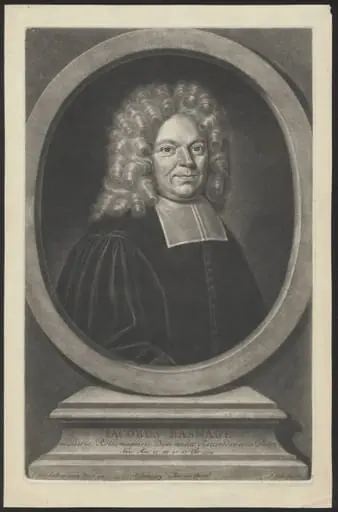 Portrait of Jacobus Basnage, Walloon minister and historian
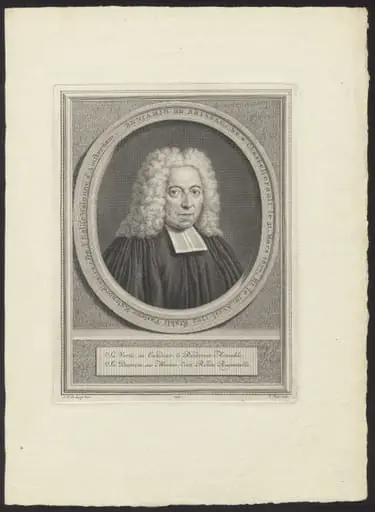 Portrait of Benjamin de Brissac, minister of the Walloon Church in Amsterdam
![Portrait of J. Basnage, [Walloon minister and historian], by Unknown](https://artifactworldgallery.com/img/unknown--portrait-of-j-basnage-walloon-minister-and-historian--5c5b22a95cb99991-w320.webp) Portrait of J. Basnage, [Walloon minister and historian]
Portrait of J. Basnage, [Walloon minister and historian]![Portrait of J. Basnage, [Walloon minister and historian], by Pieter van, Gunst](https://artifactworldgallery.com/img/pieter-van-gunst--portrait-of-j-basnage-walloon-minister-and-historian--be59663770daddd2-w320.webp) Portrait of J. Basnage, [Walloon minister and historian]
Portrait of J. Basnage, [Walloon minister and historian]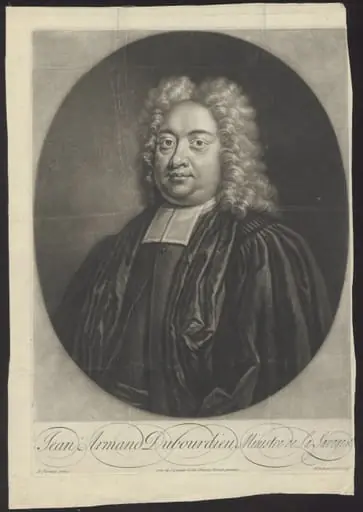 Portrait of Jean Armand Dubourdieu, Ministre de la Savoye
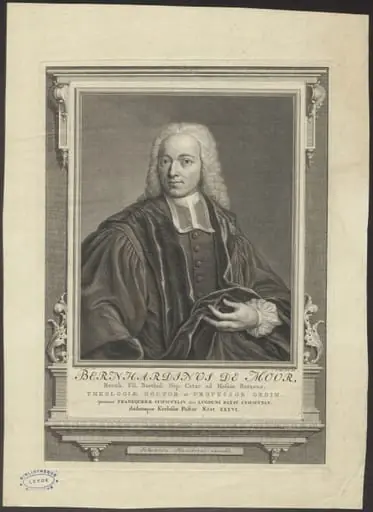 Portrait of Bernardinus de Moor, professor of theology
![Portrait of [Pierre Jacques Courtonne], by Jacob, Houbraken](https://artifactworldgallery.com/img/jacob-houbraken--portrait-of-pierre-jacques-courtonne--6455a7507ab17d46-w320.webp) Portrait of [Pierre Jacques Courtonne]
Portrait of [Pierre Jacques Courtonne]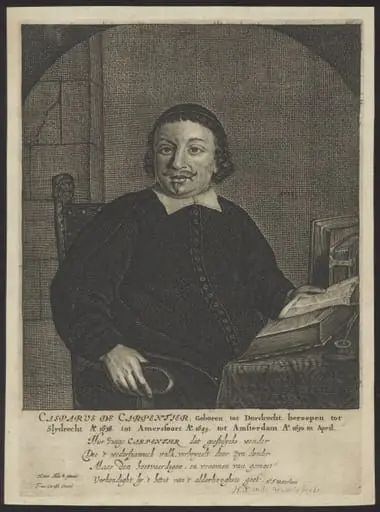 Portrait of Casparus de Carpentier, Walloon Minister at Sliedrecht, Amersfoort and Amsterdam