Artwork
Døgnets tider. Symboliseret ved fire vingede skikkelser
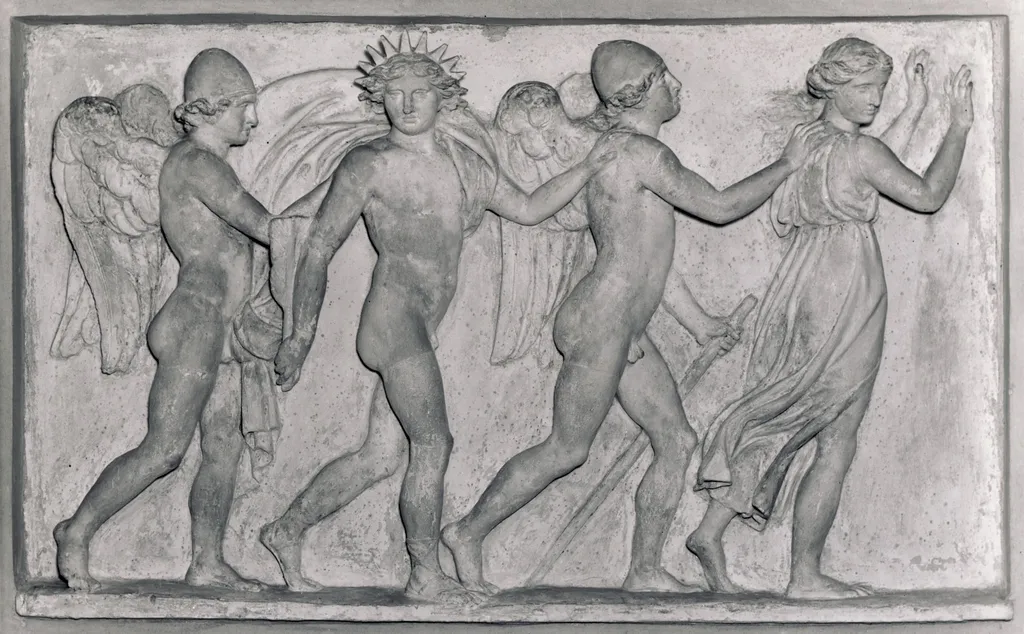
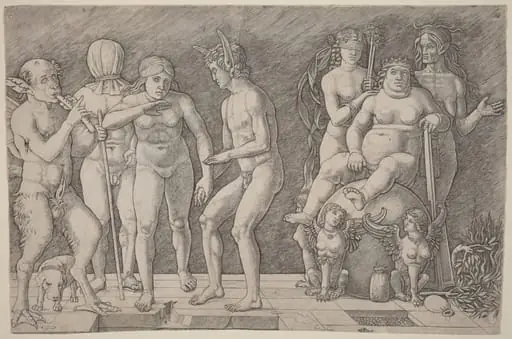
Døgnets tider. Symboliseret ved fire vingede skikkelser is an unspecified painting by the Neoclassicist artist Bertel Thorvaldsen. It dates from 1798 and is held in the collection of the Statens Museum for Kunst.
About this work
Overview
Created in 1798 by Danish-Icelandic artist Bertel Thorvaldsen, this painting presents four winged figures representing the divisions of the day.
Created in 1798 by Danish-Icelandic artist Bertel Thorvaldsen, this painting presents four winged figures representing the divisions of the day. Though Thorvaldsen is best known for sculpture, this early work reflects his engagement with classical allegory during his formative years. It was produced shortly after he received a royal stipend to study in Italy, marking a transition in his artistic development toward the ideals of Neoclassicism.
Subject & Meaning
The four winged figures personify the phases of the day—dawn, midday, dusk, and night—each rendered with symbolic grace. Their flight suggests the passage of time, while their unified composition conveys cyclical order. Rooted in classical tradition, the imagery avoids narrative detail in favor of abstract representation, aligning with Enlightenment-era interests in natural law and universal rhythms.
Technique & Style
Executed in a restrained Neoclassical manner, the painting emphasizes clean contours, balanced composition, and muted tones. The figures are idealized, their forms drawn from ancient models rather than observed reality. Delicate linework and minimal shading reflect Thorvaldsen’s sculptural sensibility, as if the figures were carved in relief rather than painted, underscoring his lifelong focus on form over color.
History & Provenance
Painted in 1798, the work entered the collection of Statens Museum for Kunst in Copenhagen, where it remains today. It predates Thorvaldsen’s major sculptural commissions and offers insight into his early experimentation with allegorical themes. The painting was likely created during his preparatory phase before relocating permanently to Rome, where he would refine his classical style.
Context
In late 18th-century Denmark, state-sponsored art education emphasized classical antiquity as the foundation of high culture. Thorvaldsen’s training at the Royal Danish Academy aligned with this agenda. This painting reflects broader European intellectual currents that sought to express abstract concepts—like time—through mythic, harmonious forms, bridging Enlightenment thought and emerging Romantic sensibilities.
Legacy
Though overshadowed by Thorvaldsen’s later sculptures, this painting illustrates his early command of symbolic language and classical form. It remains a rare example of his painted work and provides context for understanding the visual logic that informed his three-dimensional creations. Its preservation in Denmark’s national collection underscores its role in tracing the evolution of Nordic Neoclassicism.
Artist & collection


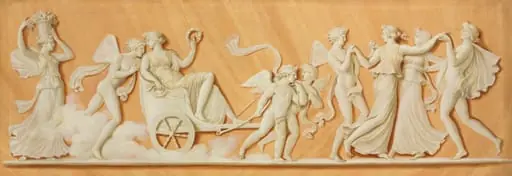 Overdoor Painting
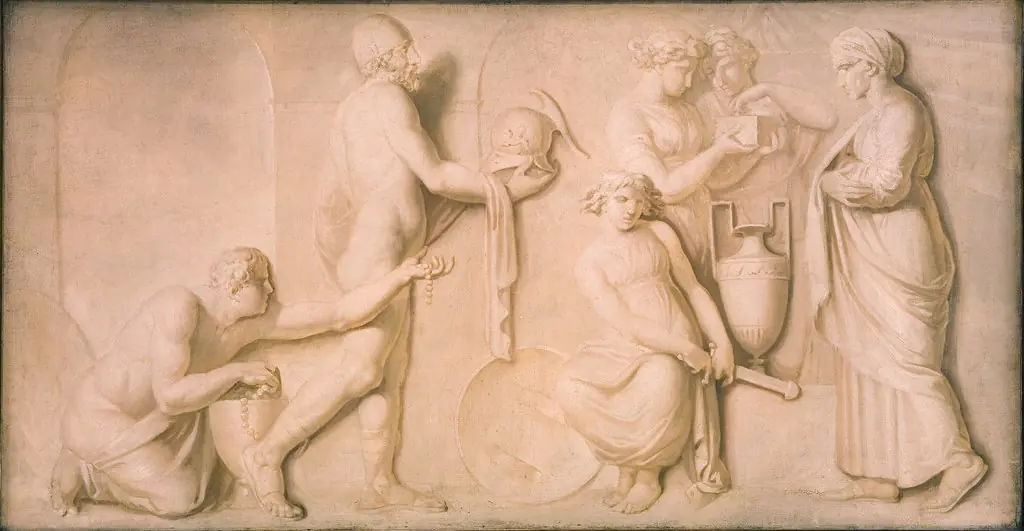 Achilles and the Daughters of Lycomedes
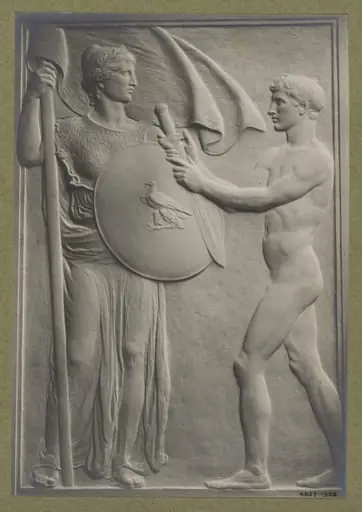 Untitled
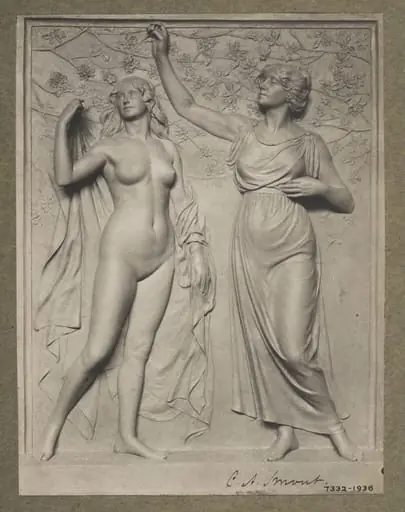 Untitled
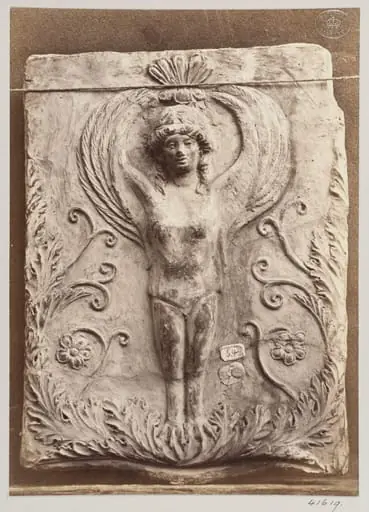 Bas-relief of a Siren in terra cotta
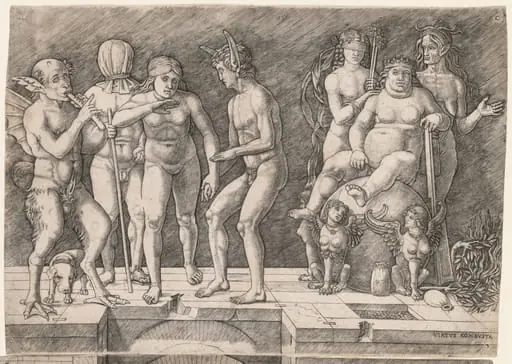 Allegory of the Fall of Ignorant Humanity: Virtus Combusta
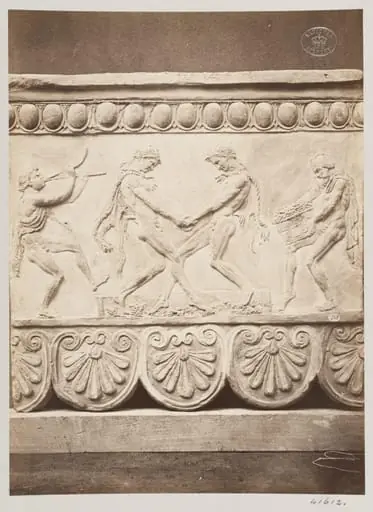 Bas-relief portion of a frieze of Satyrs treading the wine press in terra cotta
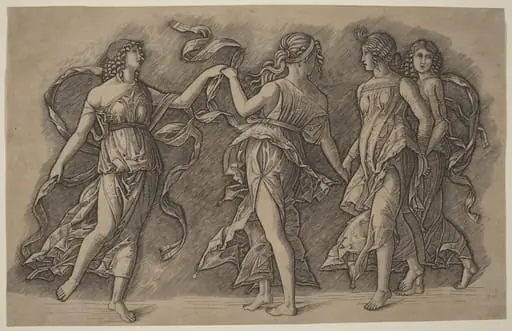 Four Dancing Muses
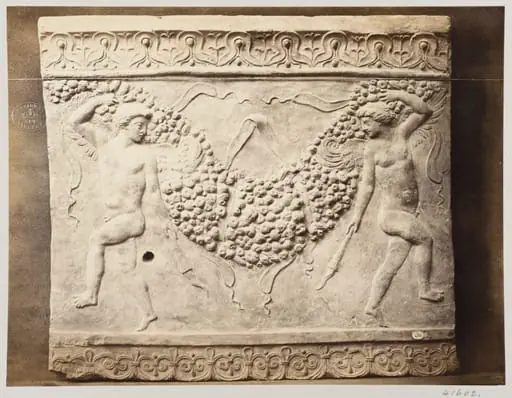 Bas-relief of portion of frieze of dancing figures with torches bearing festoon of fruit in terra cotta
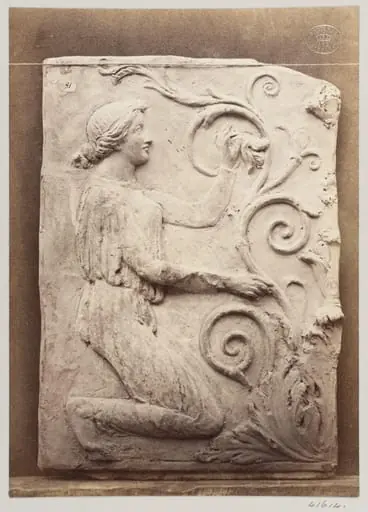 Bas-relief portion of a frieze of a female figure and foliage in terra cotta
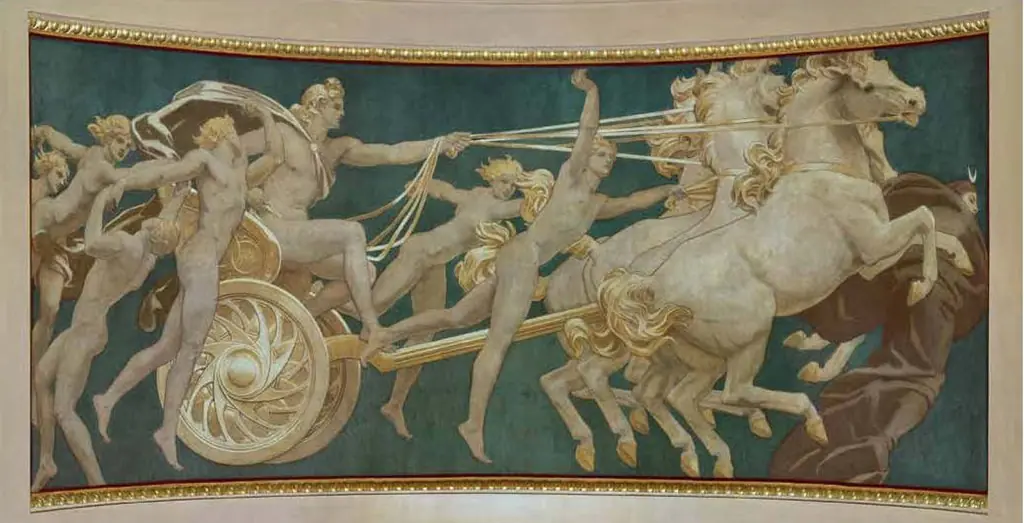 Apollo in His Chariot with the Hours
 Virtus Combusta: An Allegory of Virtue