Artwork
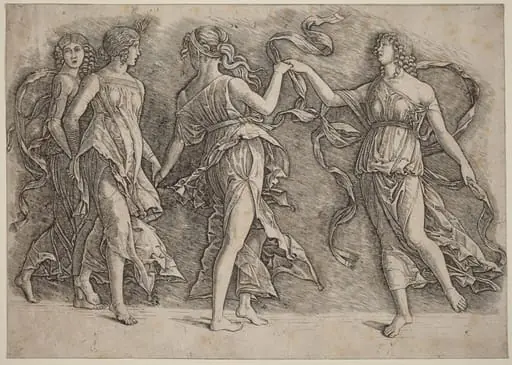
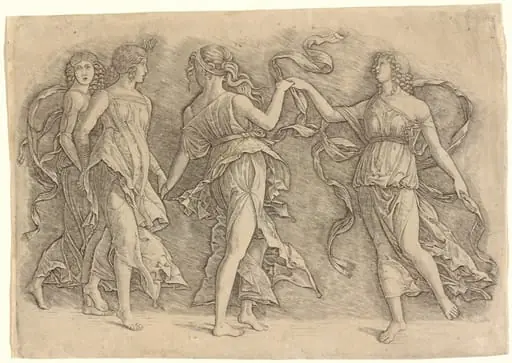
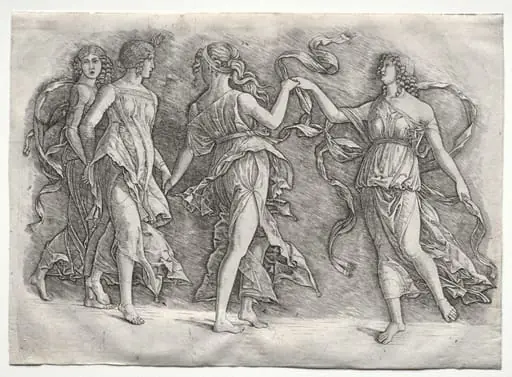
Four Dancing Muses
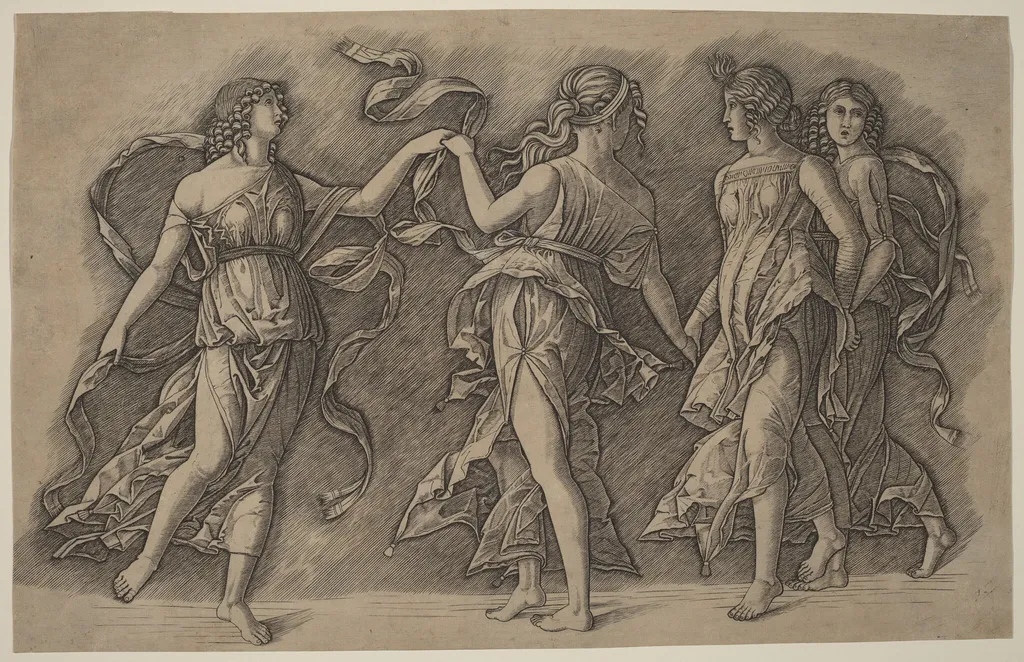
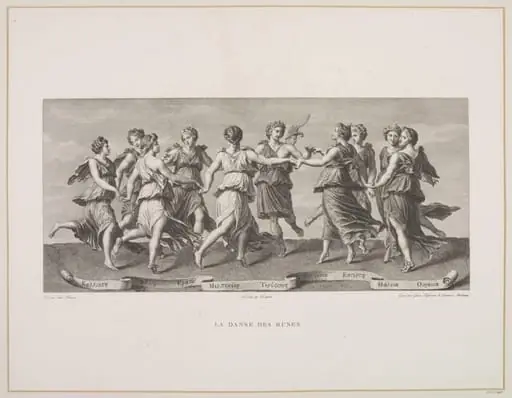
Four Dancing Muses is an ink print by the Renaissance artist Giovanni Antonio da Brescia. It dates from 1502 and is held in the collection of the National Gallery of Art.
About this work
Overview
Four Dancing Muses is an early 16th‑century engraving executed on laid paper. The print presents a circular grouping of four female figures, each caught in a poised dance, their flowing garments suggesting movement. The composition balances rhythm and symmetry, echoing the classical motif of the Muses as patrons of the arts.
Subject & Meaning
The work portrays four women in a coordinated dance, a visual reference to the mythological Muses who inspired poetry, music, and the visual arts. Their intertwined gestures and the circular arrangement evoke the harmony and collaborative spirit associated with these divine figures, emphasizing the Renaissance fascination with antiquity and the ideal of artistic unity.
Technique & Style
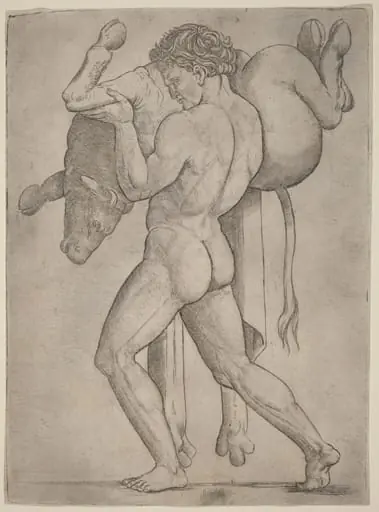
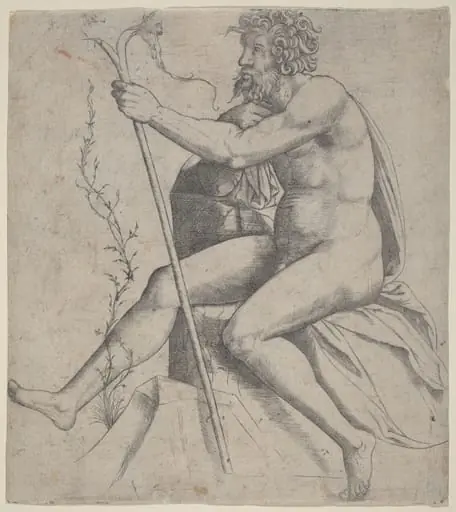
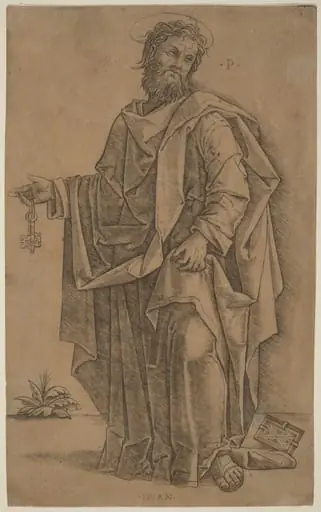
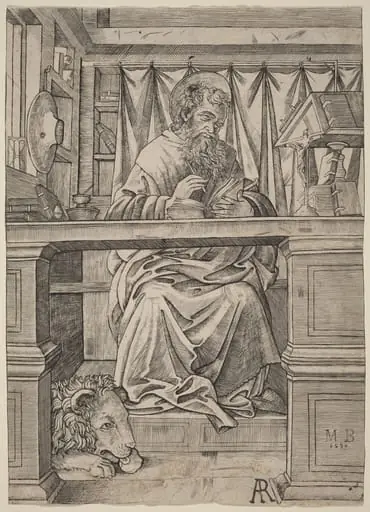
The image was incised on a metal plate, then inked and pressed onto paper, producing fine cross‑hatching that creates subtle tonal gradations. Delicate lines delineate the folds of the robes and the contours of the hands and feet, while intersecting strokes generate shadows, giving the figures a sense of three‑dimensionality within the flat medium.
History & Provenance
Created in 1502 by Giovanni Antonio da Brescia, an engraver active in northern Italy, the piece belongs to his early output when he signed works with the initials “Z.A.”. The surviving impression is traced to the original plate now housed in the National Gallery of Art in Washington, confirming its authenticity and preservation.
Context
The engraving emerges from the Italian Renaissance, a period marked by renewed interest in classical mythology and humanist ideals. Artists like da Brescia employed printmaking to disseminate scholarly and aesthetic ideas, allowing images of mythological subjects such as the Muses to reach a broader audience beyond elite patronage.
Artist & collection

Artist
Giovanni Antonio da Brescia was an Italian engraver of northern Italy, active in the approximate period 1490–1519, during the Italian Renaissance.