Artwork
Les Honnêtes femmes; Conférence, Poésies inédites d'Henry Becque; La Parisienne
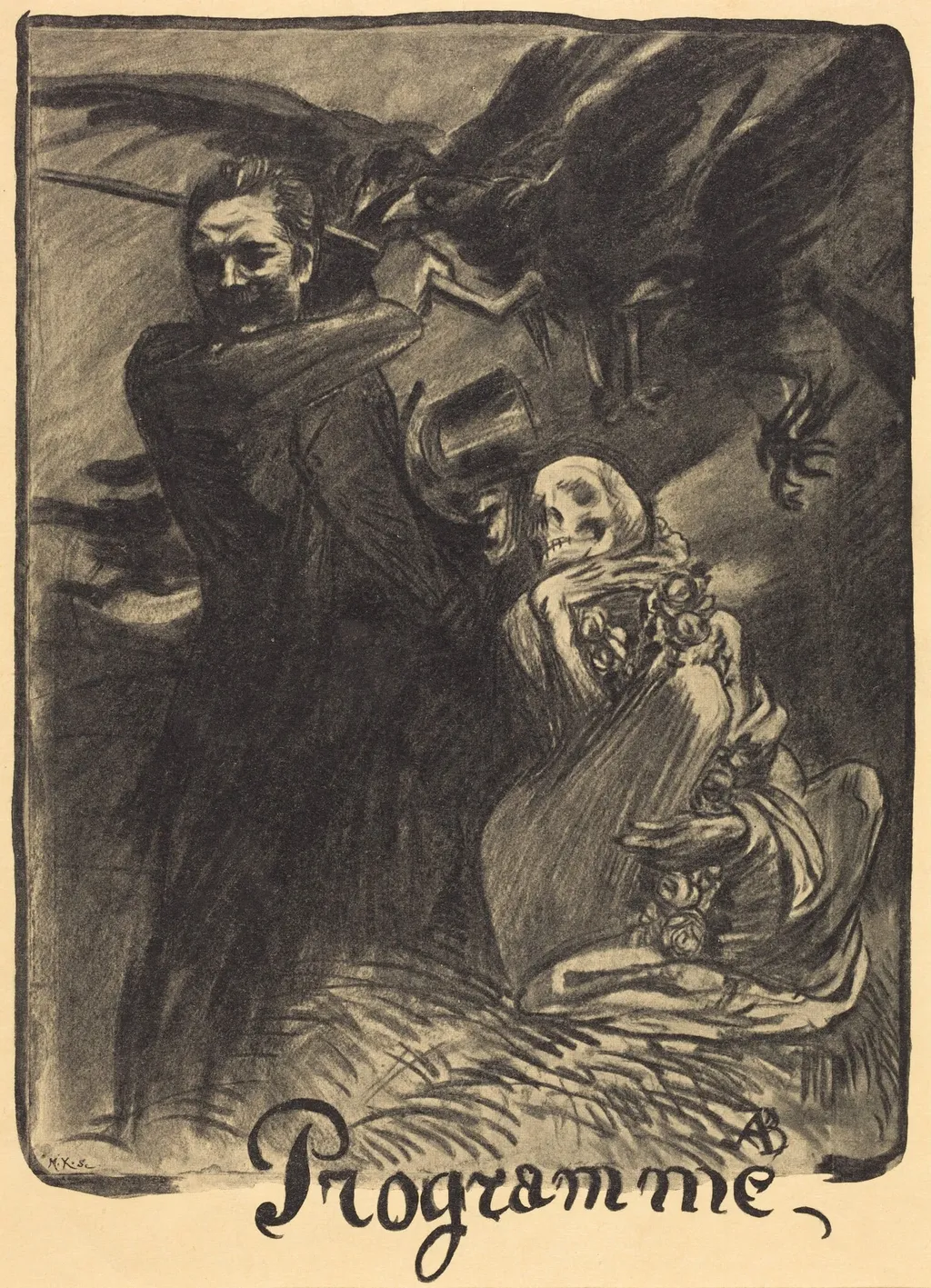
Les Honnêtes femmes; Conférence, Poésies inédites d'Henry Becque; La Parisienne is a print by Paul-Albert Besnard. It dates from 1904 and is held in the collection of the National Gallery of Art. Created in 1904 by Albert Besnard, this halftone print on wove paper serves as a program cover for a theatrical production.
About this work
Overview
Created in 1904 by Albert Besnard, this halftone print on wove paper serves as a program cover for a theatrical production. It features two enigmatic figures in a dim, confined space, rendered with sharp tonal contrasts. The composition suggests a somber, introspective moment, likely tied to the themes of Henry Becque’s unpublished poems and lecture, which the cover was designed to introduce.
Subject & Meaning
The skull evokes memento mori, hinting at mortality or existential reflection.
The scene depicts a seated figure cradling a skull, their face obscured, while a second figure looms behind, arms extended in a gesture of agitation or supplication. The skull evokes memento mori, hinting at mortality or existential reflection. The blurred features and tense posture convey psychological unease, aligning with the melancholic tone of Becque’s literary works, which often explored human frailty and societal decay.
Technique & Style
Besnard employed halftone printing to achieve dramatic chiaroscuro, using dense blacks and sparse highlights to model form and depth. The background is composed of rough, angular lines suggesting a cavernous or rocky setting, enhancing the sense of isolation. The flowing script of 'Programme' at the base contrasts with the harshness of the imagery, blending typographic elegance with emotional intensity.
History & Provenance
This print was produced as part of the promotional material for a 1904 theatrical presentation of Henry Becque’s unpublished poems and lecture, titled 'Les Honnêtes femmes; Conférence, Poésies inédites d'Henry Becque; La Parisienne.' It was likely distributed to audiences as a program insert, reflecting Besnard’s engagement with literary and theatrical circles in fin-de-siècle Paris.
Context
In early 20th-century France, artists frequently collaborated with writers and theaters to create visual identities for literary events. Besnard, known for his intimate portraits and symbolic imagery, aligned with Symbolist and Decadent movements that favored psychological depth over realism. This cover reflects a broader cultural trend of merging visual art with literary performance to evoke mood over narrative.
Legacy
Though not widely exhibited as a standalone work, this print exemplifies Besnard’s skill in translating literary themes into visual symbolism. Its use of shadow and gesture influenced later poster design and theatrical graphics, particularly in how emotion could be conveyed through minimal, tonal composition rather than detailed illustration.
Artist & collection
Artist
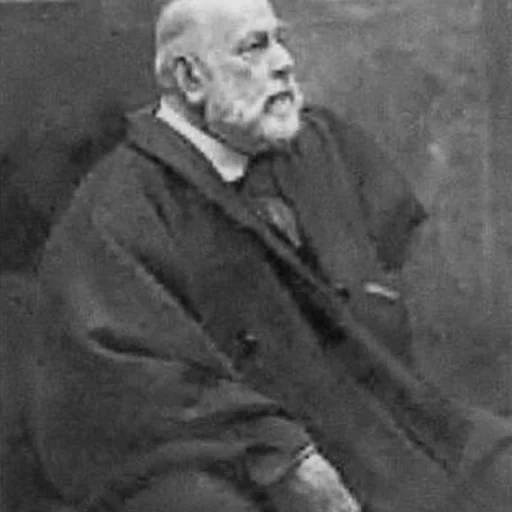
Paul-Albert Besnard (1849–1934) was a French artist, born in 7th arrondissement of Paris.

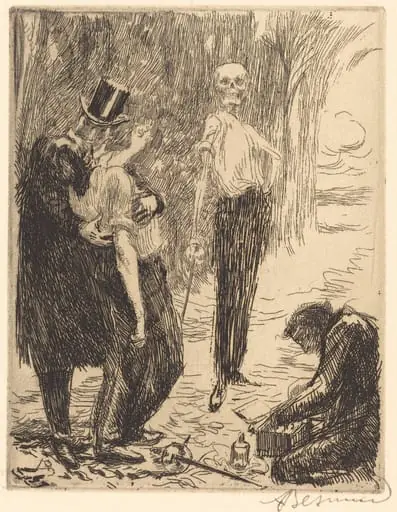 The Duel (Le duel)
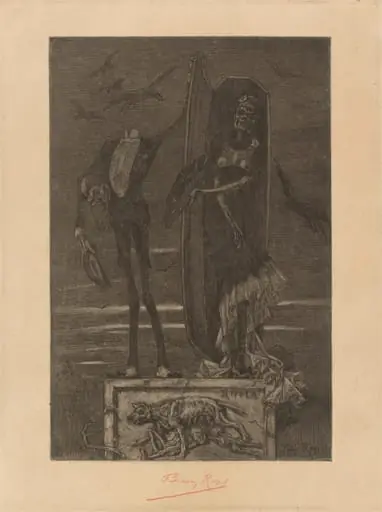 Le Vice suprème: Frontispiece
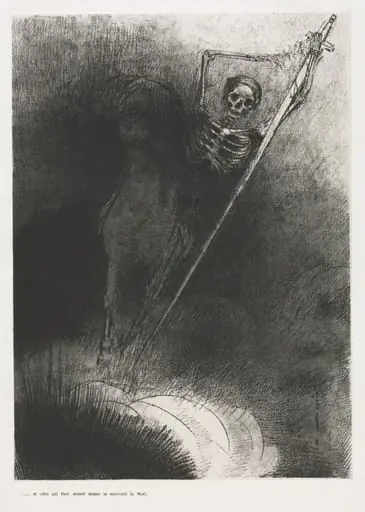 And His Name That Sat on Him Was Death
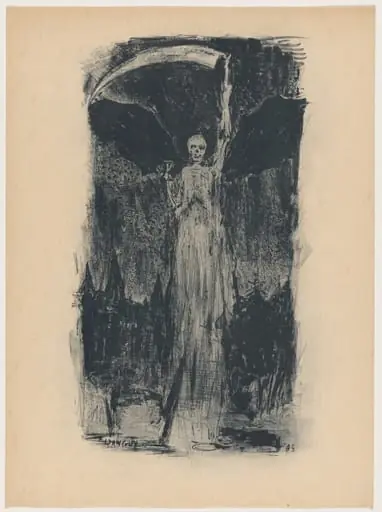 Le château de la mort (The House of the Dead)
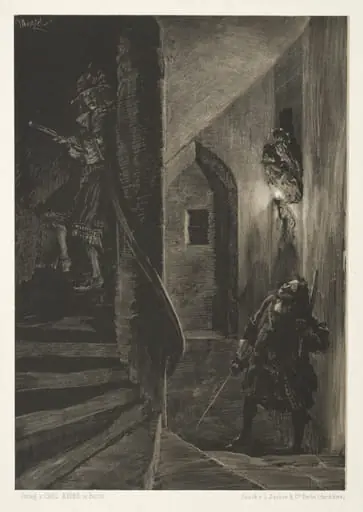 Essay on Stone with Brush and Scraper: Chase on the Winding Staircase
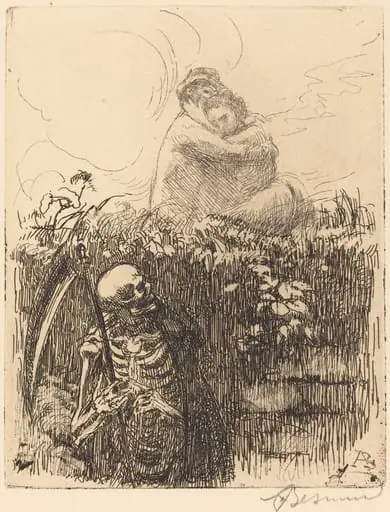 On the Lookout (Aux aguets)
 Ou Venise commence a espérer
 La mort dans le piorier
 Et celui qui était monté dessus se nommait la Mort (And his name that sat on him was Death)
 Les Adieux (The Parting)
 Un cauchemar de M. Bismarck
 Peasants' War: Arming in a Vault